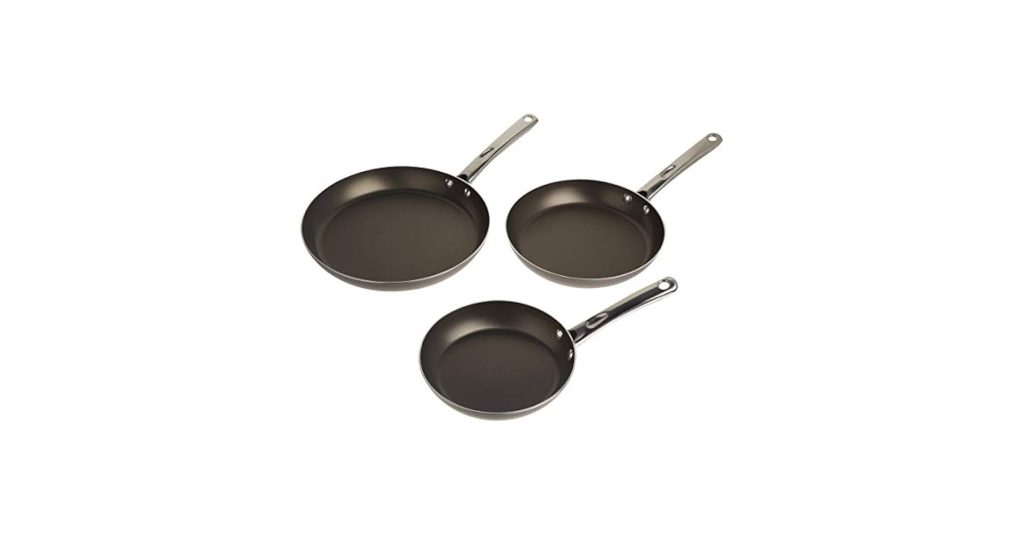
When it comes to cooking, your frying pan is more than just a kitchen tool—it’s the secret behind delicious meals and quick fixes. Imagine sizzling your favorite breakfast or whipping up a tasty dinner with ease.
But how do you choose the right frying pan that fits your style and needs? You’ll discover everything you need to know about frying pans, so you can cook smarter, not harder. Ready to find out how the perfect frying pan can change your cooking game?
Keep reading!
Types Of Frying Pans
Frying pans come in different types. Each type works well for certain cooking tasks.
Choosing the right pan can help you cook better meals and save time.
Non-stick Pans
Non-stick pans have a smooth coating that stops food from sticking. They are easy to clean.
These pans are best for cooking eggs, pancakes, and delicate foods that break easily.
- Use low to medium heat to protect the coating
- Avoid metal utensils to prevent scratches
- Lightweight and easy to handle
Cast Iron Pans
Cast iron pans are heavy and very strong. They hold heat well and cook food evenly.
These pans need seasoning to keep their surface non-stick and rust-free.
- Great for frying, searing, and baking
- Can last for many years with care
- Needs regular oiling after use
Stainless Steel Pans
Stainless steel pans are durable and resistant to rust. They do not react with food.
These pans work well for browning meats and making sauces.
- Can use metal utensils without damage
- Needs oil to prevent food from sticking
- Easy to clean and dishwasher safe
Copper Pans
Copper pans heat up very fast and cool down quickly. This helps to control cooking temperature.
They often have a lining to prevent copper from touching food directly.
- Excellent for precise cooking
- Requires polishing to keep shiny
- Tends to be more expensive
Carbon Steel Pans
Carbon steel pans are similar to cast iron but lighter. They heat up fast and hold heat well.
They need seasoning to keep a non-stick surface and prevent rust.
- Good for frying and sautéing
- Develops natural non-stick over time
- Requires care like cast iron pans
Material Benefits And Drawbacks
A frying pan’s material affects how it cooks and how long it lasts. Different materials have unique strengths and weaknesses.
Understanding these can help you choose the best pan for your kitchen needs.
Heat Conductivity
Heat conductivity means how fast and evenly a pan heats up. Metals like copper and aluminum have high heat conductivity. They cook food evenly and quickly.
Stainless steel heats slower and can have hot spots. Cast iron heats slowly but keeps heat well once hot.
Durability
Durability shows how long a frying pan lasts. Cast iron and stainless steel are very durable. They resist dents and scratches.
- Cast iron can last for decades with care
- Stainless steel resists rust and corrosion
- Non-stick coatings may wear off over time
- Aluminum pans can dent easily
Maintenance Needs
| Material | Cleaning | Care Tips |
| Cast Iron | Hand wash only | Season regularly to prevent rust |
| Stainless Steel | Dishwasher safe | Use gentle scrubbers to avoid scratches |
| Non-stick | Hand wash recommended | Avoid metal utensils to protect coating |
| Aluminum | Hand wash preferred | Dry immediately to prevent oxidation |
Price Range
Frying pans vary in price depending on material and brand. Here is a simple guide:
- Cast iron pans cost between $20 and $50
- Stainless steel pans range from $30 to $100
- Non-stick pans usually cost $15 to $60
- Aluminum pans are often the cheapest, around $10 to $30
Choosing The Right Size
Picking the right size frying pan makes cooking easier and faster. The size depends on what you cook and how many people you serve.
Using the right pan helps food cook evenly and saves energy. It also makes cleaning simpler.
Small Pans For Quick Meals
Small pans are perfect for cooking small portions or quick meals. They heat up fast and are easy to handle.
- Ideal for 1–2 people
- Best for frying eggs or toasting nuts
- Easy to store in small kitchens
Medium Pans For Versatility
Medium pans suit most cooking tasks. They are great for everyday meals and can cook food evenly for small families.
| Pan Diameter | Best Use | Serves |
| 8 to 10 inches | Sautéing, frying, simmering | 2 to 4 people |
| 10 to 12 inches | Cooking meals, stir-frying | 3 to 5 people |
Large Pans For Families
Large pans handle bigger meals and larger families. They allow cooking for many people at once.
Choose large pans if you:
- Cook for 5 or more people
- Make one-pan meals or large stir-fries
- Need space for multiple ingredients

Credit: alva-cookware.us
Handle Types And Safety
Frying pan handles come in different materials and designs. The right handle makes cooking safer and easier.
Choosing the correct handle type helps you avoid burns and improves control while cooking.
Stay-cool Handles
Stay-cool handles stay cool to the touch during cooking. They help prevent burns and accidents in the kitchen.
These handles are usually made from materials like silicone, plastic, or wood. They act as a barrier against heat.
- Silicone handles resist heat well
- Wood stays cool but may need care
- Plastic handles are light but can melt
Oven-safe Options
Oven-safe handles let you use the pan in the oven without damage. Metal handles are common for this.
Check the handle’s temperature limit before using it in the oven. Some handles can get very hot.
- Stainless steel handles work well in ovens
- Cast iron handles are oven-safe too
- Avoid plastic handles in the oven
Ergonomics And Grip
Ergonomic handles fit your hand shape for comfort. Good grip stops the pan from slipping.
Look for handles with textured surfaces or soft covers to improve grip and reduce hand strain.
- Textured handles prevent slipping
- Soft grips reduce pressure on hands
- Curved shapes fit fingers well
Seasoning And Cleaning Tips
Keeping your frying pan in good shape improves cooking and lasts longer. Proper care helps keep its surface smooth and non-stick. Learn simple tips for seasoning and cleaning.
Each type of frying pan needs special attention. Cast iron, carbon steel, and non-stick surfaces all require different care to avoid damage.
Seasoning Cast Iron And Carbon Steel
Seasoning creates a natural non-stick layer on cast iron and carbon steel pans. It also stops rust and adds flavor to your food.
- Clean the pan with warm water and a brush before seasoning.
- Dry it completely to prevent rust.
- Apply a thin layer of cooking oil all over the pan.
- Heat the pan in the oven at 350°F (175°C) for one hour.
- Let the pan cool in the oven before storing.
Cleaning Non-stick Surfaces
Non-stick pans are easy to clean but need gentle care. Avoid harsh scrubbing to protect the coating and keep it smooth.
| Cleaning Method | Do | Don’t |
| Washing | Use warm water and mild soap | Use abrasive scrubbers or steel wool |
| Drying | Dry with a soft cloth or air dry | Leave wet to avoid damage |
| Storage | Stack with pan protectors or paper towels | Stack directly with other pans |
Avoiding Warping And Damage
Warping happens when the pan heats or cools too fast. Damage can shorten the pan’s life and affect cooking.
- Do not put a hot pan under cold water immediately.
- Heat pans on medium or low heat, not high heat.
- Use wooden or silicone utensils to avoid scratching.
- Store pans carefully to avoid dents or bending.

Credit: www.amazon.com
Cooking Techniques For Best Results
Using a frying pan well can make your food taste better. You need the right steps to cook with a frying pan.
This guide shares simple tips for cooking with a frying pan. Follow these to get great results every time.
Preheating Tips
Always preheat your frying pan before adding food. This helps cook food evenly and avoid sticking.
Heat the pan on medium heat for a few minutes. You can test if it is ready by sprinkling a few drops of water.
- If water sizzles and evaporates fast, the pan is hot enough
- Do not overheat to avoid burning food
- Preheating saves cooking time
Oil And Fat Choices
Choose the right oil or fat for your cooking style. Different oils have different smoke points and flavors.
Use oils that can handle high heat if you want to fry or sear food. Use butter or olive oil for lower heat cooking.
- Vegetable oil and canola oil work well for frying
- Butter adds flavor but burns easily
- Olive oil is good for medium heat cooking
- Use enough oil to coat the pan surface lightly
Temperature Control
Keep an eye on the pan’s heat during cooking. Adjust the stove heat to avoid burning or undercooking food.
Lower the heat after adding food to cook it through. Higher heat is good for browning and crisping the surface.
- Start with medium heat for most cooking
- Use low heat for delicate foods like eggs
- Increase heat for quick searing
- Turn food often to cook evenly
Storage And Longevity
A frying pan is a kitchen essential that lasts for years with proper care. Storing it correctly helps keep its surface smooth and cooking performance high.
This guide covers how to stack pans, prevent rust, and know when to replace your frying pan.
Proper Stacking Methods
Stacking frying pans incorrectly can cause scratches or damage the coating. Use these tips to store pans safely.
- Place a soft cloth or paper towel between stacked pans
- Stack heavier pans at the bottom and lighter ones on top
- Use a pan rack to keep pans separated and upright
- Avoid piling too many pans together to prevent warping
Avoiding Rust And Corrosion
Rust and corrosion shorten a frying pan’s life. Keep your pans dry and clean to stop damage.
| Cause | Prevention |
| Water left on pan | Dry pan thoroughly after washing |
| Storing in damp places | Store pans in a dry, well-ventilated area |
| Harsh detergents | Use mild soap and avoid abrasive scrubbers |
| Metal utensils | Use wooden or silicone tools to protect coating |
When To Replace Your Pan
Knowing when to replace your frying pan helps maintain good cooking results and safety.
- Check for deep scratches or peeling non-stick coating
- Look for warping or uneven heating during use
- Replace if rust spots appear despite cleaning
- Consider age; most pans last 3–5 years with regular use
- Buy a new pan if food sticks easily or cooks unevenly

Credit: www.nordicware.com
Frequently Asked Questions
What Materials Are Best For A Frying Pan?
The best materials for frying pans are stainless steel, cast iron, and non-stick coatings. Stainless steel is durable and resists corrosion. Cast iron offers excellent heat retention for even cooking. Non-stick pans are perfect for low-fat cooking and easy cleaning.
Choose based on your cooking needs and preferences.
How Do You Maintain A Frying Pan?
To maintain a frying pan, clean it after each use. Use warm water and mild detergent. Avoid abrasive sponges to prevent scratches. For cast iron, dry thoroughly and apply a thin layer of oil. Store in a dry place to prevent rust.
Regular maintenance ensures longevity and optimal performance.
Can You Use Metal Utensils On Frying Pans?
Avoid using metal utensils on non-stick frying pans. They can scratch and damage the coating. Opt for silicone, wooden, or plastic utensils instead. For stainless steel or cast iron pans, metal utensils are generally safe. Proper utensil choice prolongs the life of your frying pan.
What Size Frying Pan Should I Buy?
Choose a frying pan size based on your cooking needs. A 10 to 12-inch pan is versatile for most tasks. Consider your stovetop space and the number of people you cook for. Larger pans are suitable for family meals, while smaller ones are ideal for individual portions.
Conclusion
A frying pan is a must-have in every kitchen. It cooks food quickly and evenly. You can make many dishes with it. Caring for your pan helps it last longer. Choose one that suits your cooking style. This simple tool makes cooking easier and more fun.
Try different recipes and enjoy your meals. A good frying pan supports your daily cooking needs well.