Have you noticed your car feeling sluggish or your gas mileage dropping? You might be surprised to learn that a fuel system cleaning could be the simple fix you need.
Your engine relies on clean fuel to run smoothly, and over time, dirt and deposits can build up, causing performance problems. You’ll discover how a fuel system cleaning may help with restoring power, improving efficiency, and even saving you money at the pump.
Keep reading to find out if this quick maintenance step could make a big difference for your vehicle.
Signs Of A Dirty Fuel System
A dirty fuel system can cause many problems in your vehicle. Dirt and deposits block fuel flow. This makes your engine work harder than it should.
Knowing the signs can help you fix the issue early. This can save money and avoid bigger repairs later.
Reduced Engine Power
Your engine may lose power if the fuel system is dirty. It struggles to get the right amount of fuel. This can cause slow acceleration and poor performance.
Signs of reduced engine power include:
- Slower response when you press the gas pedal
- Difficulty climbing hills or carrying heavy loads
- Engine feels weak or sluggish during driving
Poor Fuel Efficiency
A dirty fuel system can reduce your car’s fuel efficiency. The engine burns more fuel to perform the same work. This wastes gas and costs more money.
| Cause | Effect on Fuel Efficiency |
| Clogged fuel injectors | Uneven fuel spray lowers combustion quality |
| Dirty fuel filter | Reduced fuel flow makes engine work harder |
| Carbon deposits | Engine misfires and burns extra fuel |
Rough Idling And Stalling
Your vehicle may idle roughly or stall if the fuel system is dirty. The engine does not get the right fuel mix. This causes it to run unevenly or stop.
- Engine shakes or vibrates when stopped
- Car stalls at traffic lights or in slow traffic
- Hard to start the engine after stopping

Credit: www.reddit.com
How Fuel System Cleaning Works
Fuel system cleaning helps keep your engine running smoothly. It removes dirt and buildup from fuel parts.
This cleaning improves the way fuel moves through the engine. It helps the engine burn fuel better.
Removing Deposits And Buildup
Over time, deposits form inside the fuel system. These deposits block fuel flow and reduce engine power.
Fuel system cleaning uses special cleaners to dissolve and remove these deposits. This clears the fuel path.
- Breaks down sticky carbon deposits
- Removes dirt from fuel lines
- Clears buildup in fuel tanks
Restoring Fuel Injector Function
Fuel injectors spray fuel into the engine. Deposits can clog injectors and cause poor spray patterns.
Cleaning restores injector spray. It helps fuel reach the engine in fine droplets for better burning.
- Removes clogs inside injectors
- Improves fuel spray quality
- Supports smooth engine running
Improving Air-fuel Mixture
The engine needs the right mix of air and fuel to work well. Deposits can upset this balance.
Fuel system cleaning helps fuel mix better with air. This leads to stronger engine power and less smoke.
- Clears fuel pathways for better flow
- Helps fuel mix evenly with air
- Supports cleaner and efficient combustion
Performance Benefits
A fuel system cleaning can improve how your car runs. It removes dirt and buildup from the fuel system parts.
This cleaning helps your engine work better and keeps it healthy for longer.
Enhanced Acceleration
Cleaning the fuel system helps fuel flow smoothly to the engine. This allows your car to respond faster when you press the gas pedal.
With less buildup, the engine can burn fuel more quickly. This leads to better acceleration and quicker starts.
Smoother Engine Operation
A clean fuel system reduces engine roughness. It prevents misfires and stalling caused by dirty fuel injectors or clogged filters.
Your engine runs quietly and steadily when fuel parts are clean. This means fewer interruptions and less engine noise.
Better Fuel Economy
Fuel system cleaning helps your engine use fuel more efficiently. This can lower the amount of gas your car needs to drive the same distance.
Cleaner fuel parts prevent wasted fuel and help your car save money on gas over time.
When To Clean The Fuel System
Cleaning the fuel system helps keep your engine running smoothly. It removes dirt and deposits that reduce fuel efficiency.
Knowing the right time to clean the fuel system can save money and avoid engine problems.
Mileage Recommendations
Most experts suggest cleaning the fuel system every 30,000 to 50,000 miles. This depends on your vehicle and fuel quality.
Check your owner’s manual for specific guidance. Some cars may need cleaning sooner if they use lower-quality fuel.
- Clean fuel system every 30,000 to 50,000 miles
- Follow your vehicle’s maintenance schedule
- Use quality fuel to extend cleaning intervals
Symptoms Indicating Cleaning
Watch for signs that your fuel system needs cleaning. These signs show the engine is not working well.
Common symptoms include rough idling, poor acceleration, and reduced fuel economy. These mean deposits may block fuel flow.
- Engine runs rough or stalls at idle
- Sluggish acceleration or hesitation
- Lower miles per gallon than usual
- Check engine light comes on
Preventive Maintenance Tips
Regular fuel system cleaning helps avoid costly repairs. It keeps the engine clean and efficient.
Use fuel additives occasionally and fill up with quality fuel. These steps reduce buildup and extend engine life.
- Use fuel system cleaner every few thousand miles
- Choose high-quality gasoline or diesel
- Replace fuel filters on schedule
- Keep your engine tuned properly
Diy Vs Professional Cleaning
Fuel system cleaning helps your vehicle run better and last longer. You can clean the fuel system yourself or hire a professional service.
Both options have benefits and limits. Choosing the right one depends on your budget, skills, and time.
Available Cleaning Products
Many fuel system cleaning products are available for use at home. These include fuel additives, sprays, and cleaning kits.
Most products work by removing deposits in fuel injectors and valves. They are easy to use but may not clean deeply.
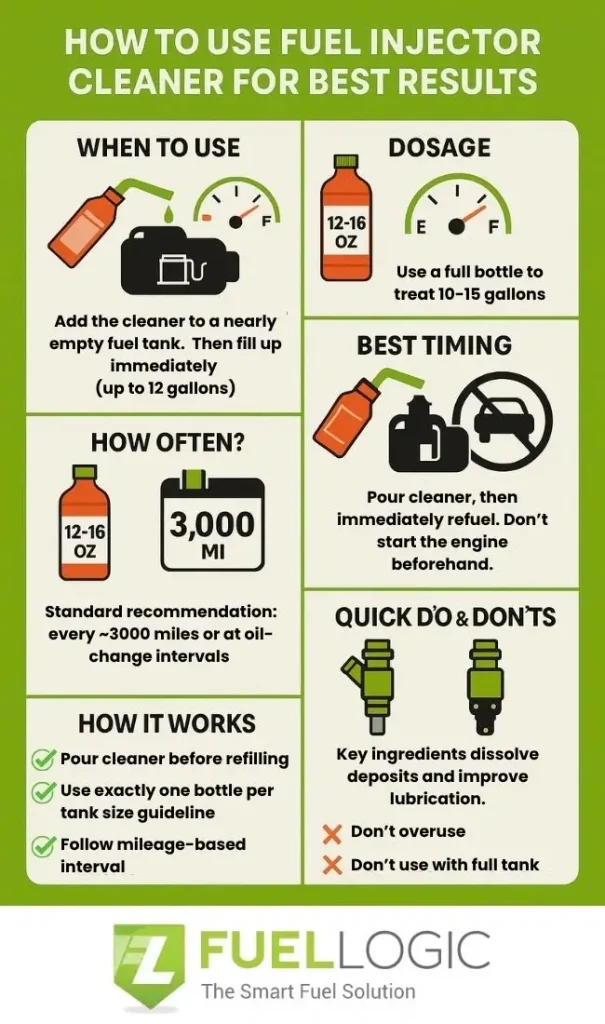
- Fuel injector cleaners added to gas tank
- Spray cleaners for intake valves and throttle bodies
- Complete cleaning kits with tools and chemicals
Advantages Of Professional Services
Professionals use special machines to clean the entire fuel system. They remove tough deposits that DIY products may miss.
Experts also check your fuel system for damage. They can spot problems early and recommend repairs if needed.
- Deep cleaning with advanced equipment
- Inspection of fuel injectors and filters
- Better results for old or damaged systems
Cost And Time Considerations
DIY cleaning products cost less and save money. They take little time and you can do them at home.
Professional cleaning costs more but takes less effort. The service is faster and often includes a full checkup.
| Cleaning Type | Cost | Time |
|---|---|---|
| DIY Products | Low | Short |
| Professional Service | Higher | Shorter |

Credit: www.pepboys.com
Additional Tips For Fuel System Health
Keeping your fuel system clean helps your engine run smoothly. Simple habits can protect it from damage. These tips help you maintain fuel system health.
Use good quality fuel, check your vehicle often, and avoid harmful contaminants. These steps support your car’s performance and fuel efficiency.
Using Quality Fuel
Choose fuel that meets your car maker’s standards. Good fuel has fewer impurities. It burns cleaner and reduces build-up inside the engine.
- Buy fuel from trusted stations
- Use recommended octane levels
- Avoid fuel with high ethanol content unless specified
- Check fuel storage dates if possible
Regular Maintenance Checks
Inspect your fuel system regularly. Early detection of problems keeps your engine safe and efficient.
| Maintenance Task | Recommended Frequency |
| Fuel filter replacement | Every 20,000 to 40,000 miles |
| Fuel injector cleaning | Every 30,000 miles |
| Check fuel lines for leaks | At every service visit |
| Inspect fuel pump operation | Annually |
Avoiding Contaminants
Contaminants harm the fuel system and engine. Dirt, water, and debris can clog parts and cause damage.
Tips to avoid contaminants:
- Keep fuel caps tight and clean
- Don’t fill fuel tanks in dusty or wet conditions
- Store fuel in clean, sealed containers only
- Use fuel additives if recommended to remove moisture

Credit: www.youtube.com
Frequently Asked Questions
What Are The Benefits Of A Fuel System Cleaning?
A fuel system cleaning improves engine performance, fuel efficiency, and reduces emissions. It removes deposits that clog fuel injectors and intake valves, ensuring smooth fuel flow and better combustion.
How Often Should I Clean My Vehicle’s Fuel System?
It is recommended to clean the fuel system every 30,000 miles or as advised by your vehicle manufacturer. Regular cleaning prevents buildup and maintains optimal engine function.
Can Fuel System Cleaning Fix Rough Idling?
Yes, fuel system cleaning can fix rough idling by removing dirt and deposits that disrupt fuel delivery. This leads to smoother engine operation and improved idle quality.
Will Fuel System Cleaning Improve Gas Mileage?
Fuel system cleaning can improve gas mileage by restoring efficient fuel flow and combustion. Clean injectors help the engine use fuel more effectively, reducing wasted fuel.
Conclusion
A fuel system cleaning helps keep your engine running smoothly. It removes dirt and buildup that slow performance. Your car may use less fuel and produce fewer emissions. Regular cleaning can prevent costly repairs later. It also helps your vehicle start more easily.
Simple maintenance like this saves money and time. Give your car the care it needs to last longer. A clean fuel system supports better driving every day. Consider this service to keep your engine healthy.