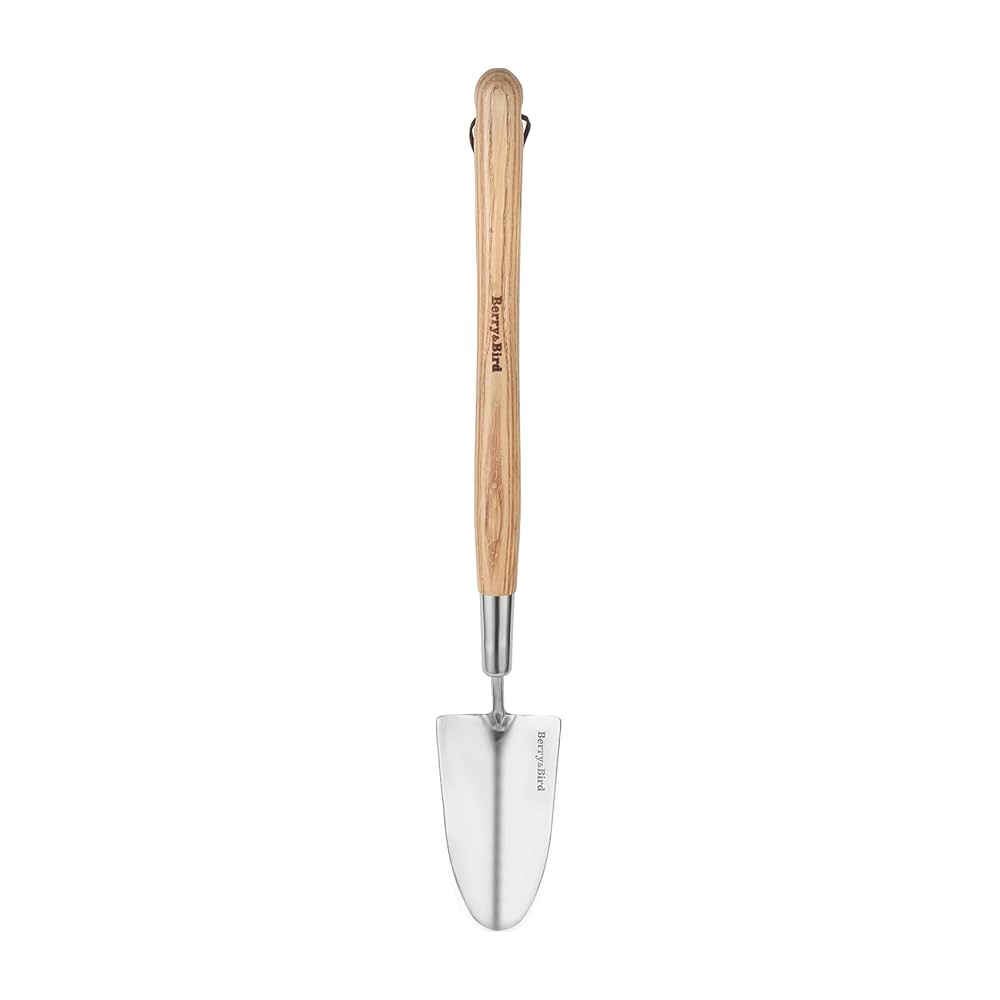
When you think about gardening tools, what comes to mind first? If you want to make your gardening tasks easier and more enjoyable, a hand trowel is the tool you need.
This small but powerful tool fits right in your hand and helps you dig, plant, and transplant with precision. Imagine how much smoother your gardening routine could be with the right hand trowel by your side. Keep reading to discover why this simple tool can make a big difference in your garden and how to choose the perfect one for your needs.
Credit: sowtrueseed.com
Choosing The Right Hand Trowel
A hand trowel is a small tool used in gardening and construction. Picking the right one makes your work easier and faster.
Many factors affect your choice, like the blade, handle, and size. Knowing these helps you find the best trowel for your needs.
Blade Types And Materials
Blade shape and material affect how the trowel works. Different blades suit different tasks like digging or planting.
Steel blades are strong and last long. Plastic blades are light but less durable. Some blades have a pointed tip for digging.
- Carbon steel: sharp and durable but may rust
- Stainless steel: rust-resistant and strong
- Plastic: light and good for light gardening
- Pointed blade: good for digging in hard soil
- Flat blade: good for mixing and leveling soil
Handle Comfort And Grip
The handle should feel good in your hand. A comfy handle reduces hand fatigue during long work.
Look for handles with soft materials or ergonomic shapes. A good grip helps prevent slipping, especially if your hands are wet.
- Wood handles: natural feel but may need care
- Plastic handles: durable and easy to clean
- Rubber grips: prevent slipping and add comfort
- Ergonomic shapes: fit hand curves to reduce strain
Size And Weight Considerations
Choose a trowel size that fits your hand well. Too big or too small can cause discomfort.
Lighter trowels are easier to use for a long time. Heavier ones may be stronger but can tire your hand faster.
- Small size: good for detailed work and small hands
- Medium size: versatile for most gardening tasks
- Large size: better for heavy digging but less precise
- Lightweight: reduces hand fatigue
- Heavier weight: may last longer but tires hands

Credit: www.lowes.com
Using A Hand Trowel Effectively
A hand trowel is a small tool used in gardening. It helps dig, plant, and move soil in tight spaces.
Using a hand trowel correctly makes gardening easier and faster. It also protects your plants and soil.
Planting And Transplanting
Use the hand trowel to dig holes for new plants. Make holes wide and deep enough for roots.
When transplanting, gently loosen soil with the trowel. This helps avoid root damage and stress.
Weeding Techniques
Use the hand trowel to remove weeds by digging under their roots. Pull out the entire root system.
Work slowly around plants to avoid harming them. The trowel helps reach weeds in small spaces.
Soil Preparation Tips
Loosen soil with the trowel before planting. This improves air flow and water drainage for roots.
Add compost or fertilizer to the soil using the trowel. Mix it well to feed your plants better.
- Dig small holes and loosen soil
- Mix soil amendments evenly
- Clear debris for better planting
Maintaining Your Hand Trowel
Hand trowels are essential for gardening. Proper care extends their life. Consistent maintenance keeps them effective and safe to use.
Here we cover how to clean, sharpen, and prevent rust on your hand trowel. Follow these steps to ensure your tool remains in great condition.
Cleaning After Use
Cleaning your hand trowel after use is important. Dirt and debris can cause damage over time. A clean trowel works better and lasts longer.
Rinse the trowel with water to remove soil. Use a brush to scrub off stubborn dirt. Dry it thoroughly with a cloth to prevent rust.
Sharpening The Blade
A sharp blade cuts through soil easily. Dull blades can damage plants. Sharpen your trowel regularly to maintain its effectiveness.
Use a sharpening stone or file. Glide it along the blade edge at a consistent angle. Repeat until the blade is sharp enough for easy cutting.
Rust Prevention Methods
Rust weakens your trowel and shortens its lifespan. Preventing rust is key to maintaining your tool. Keep your trowel clean and dry.
Apply a light coat of oil to the blade after cleaning. Store it in a dry place. These steps help prevent rust from forming.
- Use linseed oil for best results
- Hang the trowel instead of laying it flat
- Check for rust spots regularly
Common Mistakes To Avoid
A hand trowel is a small but useful tool for gardening and small digging tasks. Many people make mistakes that reduce its effectiveness.
Learning what to avoid helps you use your trowel better and keeps it in good shape for longer.
Using The Wrong Trowel For Tasks
Not all trowels fit every job. Using the wrong type can make work harder and damage plants or soil.
For example, a digging trowel works well for digging, but a transplanting trowel is better for moving plants.
- Choose a narrow trowel for tight spaces
- Use a sturdy trowel for heavy soil
- Select a curved blade for transplanting
Ignoring Tool Maintenance
Skipping cleaning and care can cause rust and wear. This shortens your trowel’s life.
After each use, clean dirt off and dry the trowel. Store it in a dry place to avoid rust.
- Wipe the blade after use
- Sharpen the blade when dull
- Oil metal parts to prevent rust
Applying Excessive Force
Pressing too hard can break the trowel or hurt your hand. Use steady, controlled pressure instead.
Let the tool do the work. Force can also harm plant roots or compact soil too much.
- Push gently into the soil
- Use a digging trowel for hard ground
- Stop if the tool bends or feels stuck
Innovative Hand Trowel Designs
Hand trowels have seen many new designs in recent years. These tools help gardeners work with less effort. Designers focus on comfort, function, and materials.
Innovations in hand trowels make gardening easier and more eco-friendly. Let’s explore some key design features that stand out.
Ergonomic Features
Ergonomic hand trowels reduce hand strain and improve grip. They fit well in the hand and allow longer use without discomfort.
- Soft, non-slip handles for better control
- Curved grips that fit natural hand shape
- Lightweight materials to lessen fatigue
- Balanced weight distribution for ease of use
Multi-functional Tools
Some hand trowels now serve more than one purpose. These tools combine features to save space and cost.
| Feature | Description |
| Soil scoop | Wide blade to move soil quickly |
| Weeder tip | Sharp edge to remove weeds |
| Transplant marker | Notched handle to mark rows |
| Measurement scale | Blade etched with depth marks |
Eco-friendly Materials
New trowels use recycled or sustainable materials. These reduce waste and lower environmental impact.
Examples of eco-friendly materials include:
- Bamboo handles that grow quickly
- Recycled stainless steel blades
- Biodegradable plastic grips

Credit: www.amazon.com
Frequently Asked Questions
What Is A Hand Trowel Used For In Gardening?
A hand trowel is used for digging small holes, transplanting seedlings, and loosening soil. It helps gardeners work efficiently in tight spaces. This tool is essential for planting and weeding tasks, making gardening easier and more precise.
How Do I Choose The Best Hand Trowel?
Choose a hand trowel with a comfortable handle and durable blade. Look for rust-resistant materials like stainless steel. Consider the blade size based on your gardening needs. A lightweight trowel reduces hand fatigue during extended use.
Can A Hand Trowel Be Used For Planting Bulbs?
Yes, a hand trowel is perfect for planting bulbs. It digs small, precise holes needed for bulbs. Its pointed blade makes it easy to break soil and create proper planting depth. This ensures healthy bulb growth.
How Do I Maintain A Hand Trowel For Longevity?
Clean your hand trowel after each use to remove dirt. Dry it thoroughly to prevent rust. Sharpen the blade occasionally for better performance. Store it in a dry place to extend its lifespan.
Conclusion
A hand trowel is a small tool with many uses in gardening. It helps dig, plant, and move soil easily. Its size makes it perfect for tight spaces and detailed work. Choosing a sturdy, comfortable trowel makes gardening more fun and less tiring.
Keeping the tool clean and sharp keeps it working well. Anyone who enjoys gardening can find a hand trowel very helpful. Simple, useful, and easy to use. A hand trowel belongs in every gardener’s toolkit.