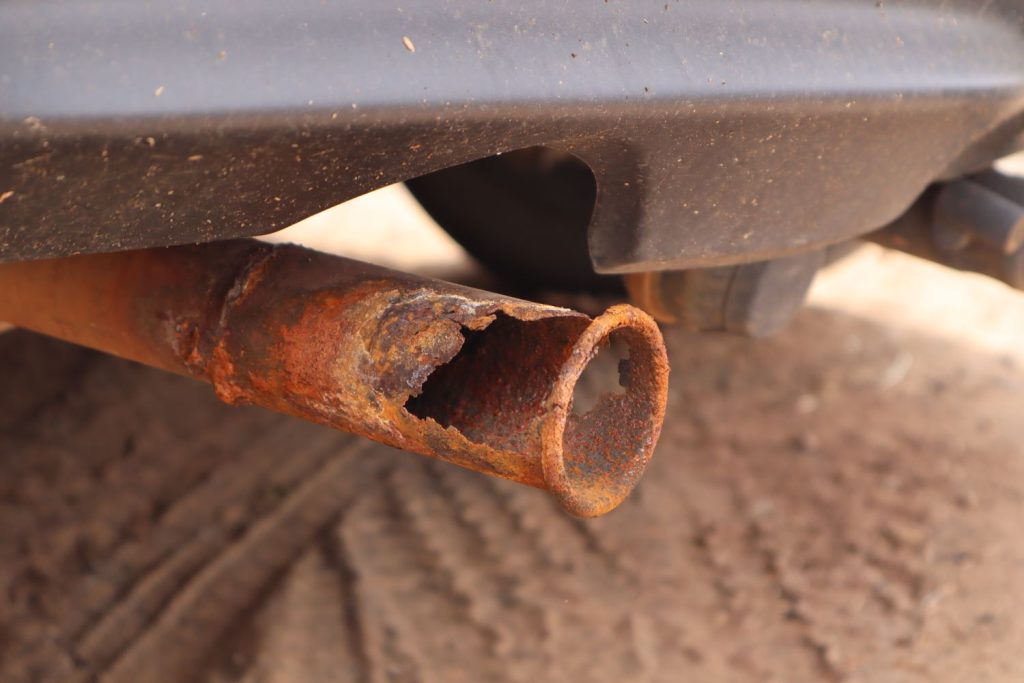
A leaky exhaust system can cause serious problems for your vehicle and your safety. You might not realize it, but even a small leak can lead to costly repairs, poor performance, and harmful fumes inside your car.
If you ignore the signs, you could end up with bigger issues that affect your wallet and well-being. Keep reading to discover how a leaky exhaust system can impact you and what you need to watch out for before it’s too late.
Signs Of A Leaky Exhaust
A leaky exhaust system can cause problems in your vehicle. It affects how your car runs and can harm your health. Recognizing the signs early helps you fix the issue fast.
Here are common signs that show your exhaust system might have a leak. Watch for these signs to keep your car safe and efficient.
Unusual Noises
A leaky exhaust often makes strange noises. You may hear loud hissing or tapping sounds. These sounds get louder when you speed up or start the engine.
Listen carefully near the engine or under the car. These noises usually mean gas is escaping from a hole or crack in the exhaust system.
Decreased Fuel Efficiency
A leak in the exhaust can lower your car’s fuel efficiency. Your engine works harder to keep performance. This causes your car to use more fuel than usual.
Watch your gas mileage closely. If it drops without any change in driving habits, a leaky exhaust might be the cause.
Visible Exhaust Smoke
Smoke coming from your exhaust can signal a leak. If you see thick, dark, or unusual smoke, it means the exhaust system is not working right.
Smoke may also appear from spots other than the tailpipe. This can happen if the exhaust pipe is cracked or broken.
Strong Odors
A leaky exhaust can let harmful gases enter the car’s cabin. You might smell strong fumes or a rotten egg odor inside. These smells come from escaping exhaust gases.
Strong odors are dangerous and need immediate attention. They can cause headaches, dizziness, or worse health problems.
Credit: www.holtsauto.com
How Leaks Damage Engines
A leaky exhaust system can harm your engine in several ways. It changes how the engine runs and may cause serious damage.
Understanding these problems helps you spot issues early. Fixing leaks can save costly repairs later.
Reduced Backpressure Effects
Exhaust leaks lower backpressure in the system. This change affects engine performance and fuel efficiency.
- Loss of engine power
- Increased fuel consumption
- Rough idling and stalling
- Poor acceleration response
Overheating Risks
Leaks can cause hot gases to escape near engine parts. This raises the temperature around the engine.
High heat can damage sensors, wiring, and other components. It also increases the risk of engine overheating.
Sensor Malfunctions
Exhaust leaks affect oxygen sensor readings. These sensors control the air-fuel mix for the engine.
| Sensor Type | Leak Impact |
| Oxygen Sensor | False readings cause poor fuel mix |
| Mass Air Flow Sensor | Incorrect data lowers engine efficiency |
| Temperature Sensor | May show wrong engine temperature |
Corrosion And Rust
Leaks let moisture and gases escape in wrong places. This causes corrosion and rust on exhaust parts.
Common corrosion spots include:
- Exhaust manifold
- Pipe joints
- Muffler surface
- Flanges and clamps
Common Leak Locations
A leaky exhaust system can cause loud noises and reduce engine efficiency. It also leads to harmful gases escaping near the vehicle.
Knowing where leaks often happen helps you find and fix them quickly. Below are the usual spots to check for leaks.
Exhaust Manifold
The exhaust manifold collects gases from the engine cylinders. It is connected directly to the engine block.
Leaks here usually happen from cracks or loose bolts. Hot gases escaping cause ticking sounds and may damage the engine.
Gaskets And Seals
Gaskets and seals create tight connections between exhaust parts. They prevent gases from leaking out.
Over time, these gaskets can wear or crack. Old seals fail and allow exhaust fumes to escape.
- Manifold gasket leaks cause loud noises
- Pipe flange gaskets wear out and leak
- Seal damage leads to exhaust smell inside the car
Pipes And Joints
Exhaust pipes carry gases from the engine to the rear of the car. Joints connect these pipes together.
Pipes may rust or get holes from road debris. Joints can loosen or break, causing leaks at the connections.
- Rust holes let exhaust gases escape
- Loose pipe clamps cause noisy leaks
- Damaged joints may cause vibration and smoke
Muffler And Catalytic Converter
The muffler reduces engine noise. The catalytic converter cleans harmful gases before they leave the car.
Leaks in these parts happen due to rust or cracks. A damaged muffler or converter can cause bad smells and poor performance.
Health Hazards Of Exhaust Leaks
A leaky exhaust system can release harmful gases into the air. These gases pose serious health risks to people nearby.
Understanding these dangers helps you stay safe and protect your health from exhaust leaks.
Carbon Monoxide Exposure
Carbon monoxide is a colorless, odorless gas released by vehicle exhaust. It can build up quickly in enclosed spaces and cause poisoning.
- Headache and dizziness
- Nausea and confusion
- Loss of consciousness
- Death in severe cases
Respiratory Issues
Exhaust leaks release gases that irritate the lungs and airways. People with asthma or allergies are especially at risk.
| Gas | Effect on Respiratory System |
| Nitrogen Oxides | Cause inflammation and worsen asthma |
| Particulate Matter | Triggers coughing and shortness of breath |
| Hydrocarbons | Lead to bronchitis and lung irritation |
Long-term Health Effects
Repeated exposure to exhaust leaks can damage the heart and lungs over time. It may increase the risk of chronic diseases.
- Chronic bronchitis and lung disease
- Heart disease and high blood pressure
- Increased risk of cancer
- Reduced lung function and breathing problems
Preventing Exhaust Leaks
A leaky exhaust system can cause noise, reduce fuel efficiency, and increase emissions. Fixing leaks early helps keep your vehicle running well.
Preventing exhaust leaks starts with simple care and attention. Follow these tips to avoid costly repairs and maintain safety.
Regular Inspections
Check your exhaust system often for holes, cracks, or rust. Look under your car for signs of damage or loose parts. Catching problems early saves money and hassle.
Timely Repairs
Fix leaks as soon as you notice them. Small holes can turn into big problems fast. Do not wait for the noise or smell to get worse before repairing.
- Seal small holes with exhaust repair tape or putty
- Replace damaged pipes or mufflers quickly
- Check joints and clamps for tightness
- Consult a mechanic if unsure about the repair
Using Quality Parts
Use parts made for your vehicle. Cheap parts may not fit well and wear out faster. Good parts last longer and keep your exhaust sealed.
| Part Type | Quality Indicator | Reason |
| Pipes | Stainless steel | Resists rust and damage |
| Clamps | Heavy-duty | Holds parts tightly |
| Gaskets | OEM or certified | Ensures proper sealing |
Professional Maintenance
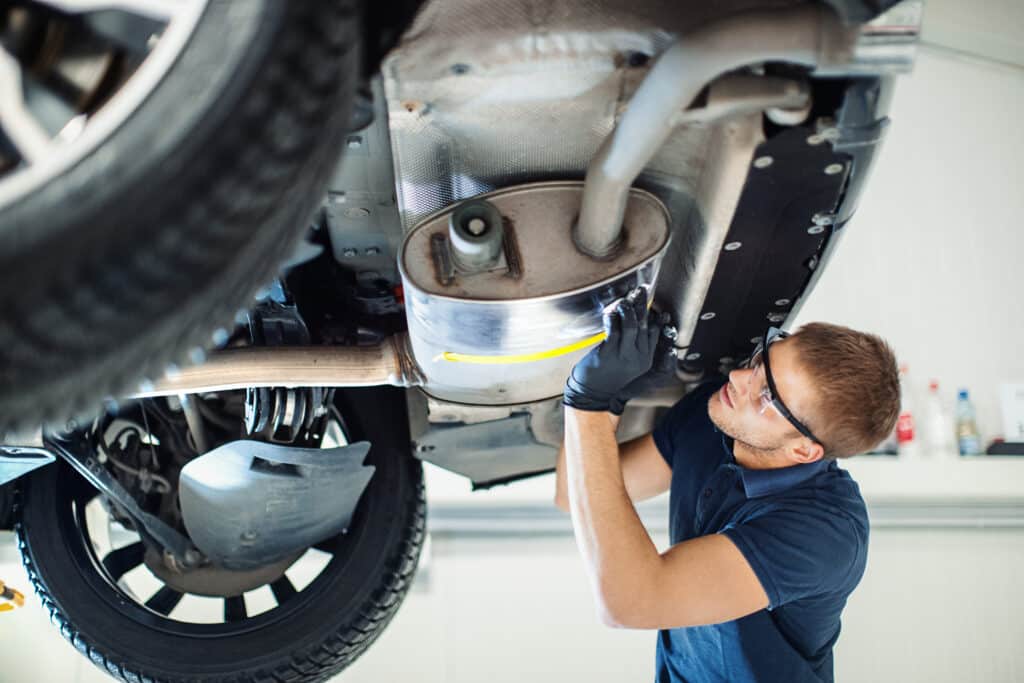
Have a mechanic check your exhaust system during regular service. They find hidden leaks and worn parts that you might miss. Keep maintenance records for your vehicle.
Tips for professional care:
- Schedule exhaust inspections yearly
- Ask about leak testing methods
- Request advice on parts and repairs

Credit: urbsgarage.com
Repair Options And Costs
A leaky exhaust system can affect your vehicle’s performance and safety. Fixing it quickly is important to avoid bigger problems.
This guide explains repair choices and their costs. Learn about DIY fixes, professional help, and how to decide between repair or replacement.
Diy Fixes
Small leaks can sometimes be fixed at home. You need basic tools and materials like exhaust tape or sealant.
- Locate the leak by checking for holes or cracks.
- Clean the area around the leak.
- Wrap exhaust tape tightly around the hole.
- Apply exhaust sealant for extra protection.
- Let the sealant dry before driving.
Professional Repairs
Mechanics can fix leaks using welding or part replacement. They have tools to check the whole exhaust system.
- Welding small holes or cracks
- Replacing damaged pipes or mufflers
- Inspecting for other hidden issues
Replacement Vs. Repair
| Option | When to Choose | Average Cost |
| Repair | Small leaks or minor damage | $50 – $200 |
| Replacement | Severe rust or big holes | $300 – $1,200 |
Repairs cost less but may not last long. Replacement is pricier but offers a longer solution.
Budget Considerations
Think about these before deciding:
- Cost of parts and labor
- Vehicle age and value
- How long you plan to keep the vehicle
- Possible future repairs

Credit: urbsgarage.com
Frequently Asked Questions
What Are Common Signs Of A Leaky Exhaust System?
Common signs include loud noises, reduced fuel efficiency, and unusual odors. You might also notice poor engine performance or visible rust and damage on the exhaust pipes.
How Does A Leaky Exhaust Affect Vehicle Performance?
A leaky exhaust reduces engine power and fuel efficiency. It causes improper air-fuel mixture and can lead to engine misfires or stalling.
Can A Leaky Exhaust Cause Harmful Emissions?
Yes, leaks allow unfiltered gases to escape, increasing pollution. This can result in failing emissions tests and harm to the environment.
Is A Leaky Exhaust System Dangerous To Health?
Yes, exhaust leaks can release carbon monoxide, which is toxic. Prolonged exposure inside or near a vehicle can cause serious health issues.
Conclusion
A leaky exhaust system can create many problems. It impacts your car’s performance and safety. Bad smells and noise are signs of trouble. Don’t ignore them. Fixing leaks early saves money. It also prevents bigger issues later. Safety is important.
Exhaust leaks may release harmful gases. Protect yourself and your loved ones. Regular check-ups help. Maintain your car to avoid surprises. A well-functioning exhaust keeps your vehicle running smoothly. Stay alert. Address issues quickly for peace of mind. A healthy exhaust system is essential for a safe drive.