A leaky exhaust system can quietly damage your vehicle and put your safety at risk without you even realizing it. You might think it’s just a small issue, but ignoring it could lead to costly repairs and poor performance.
If you want to keep your car running smoothly and protect yourself from harmful fumes, you need to know what signs to watch for and why fixing a leak is so important. Keep reading to find out how a simple problem can turn into a big headache—and what you can do about it right now.
Signs Of A Leaky Exhaust System
A leaky exhaust system can cause problems in your vehicle. It affects performance and safety. You need to know the signs early.
Detecting a leak helps avoid costly repairs. It also keeps you safe from harmful gases.
Unusual Noises
A leaky exhaust often makes strange sounds. You may hear loud rumbling or hissing noises. These sounds get louder when you speed up.
These noises come from escaping gases. They mean the exhaust is not sealed properly.
Decreased Fuel Efficiency
A leak can lower your car’s fuel efficiency. Your engine works harder to keep power. This uses more gas than usual.
Watch your fuel gauge closely. If you fill up often but drive less, your exhaust may have a leak.
Strange Odors
A leaking exhaust can let bad smells into your car. You may smell rotten eggs or strong fumes inside the cabin. These odors are harmful and need attention fast.
Do not ignore unusual smells. They can cause health problems and indicate a serious leak.

Credit: www.reddit.com
How Exhaust Leaks Impact Engine Performance
A leaky exhaust system can cause many problems for your engine. It affects how well the engine works and how clean the emissions are.
Understanding the effects of exhaust leaks helps you spot issues early. This keeps your engine running smoothly and safely.
Reduced Power Output
Exhaust leaks reduce engine power by letting gases escape too soon. This disrupts engine pressure and lowers efficiency.
- Less engine torque
- Poor acceleration
- Lower fuel efficiency
- Rough engine idle
Increased Emissions
Leaks let harmful gases escape before they reach the catalytic converter. This raises pollution and risks failing emission tests.
| Type of Gas | Normal Level | With Exhaust Leak |
| Carbon Monoxide (CO) | Low | High |
| Hydrocarbons (HC) | Low | Increased |
| Nitrogen Oxides (NOx) | Controlled | Elevated |
Overheating Risks
Exhaust leaks can cause engine parts to overheat. Hot gases escaping near components raise the risk of damage.
Signs of overheating due to exhaust leaks:
- Burning smell near engine
- Hot spots on engine block
- Warped or cracked parts
- Frequent engine overheating warnings
Causes Of Exhaust System Leaks
A leaky exhaust system can cause noise and harmful fumes. It also lowers engine performance and fuel efficiency.
Understanding what causes these leaks helps you fix them quickly. Many leaks come from common issues.
Corrosion And Rust
Exhaust systems face heat and moisture every day. This causes metal parts to rust and corrode over time.
Rust can eat holes in pipes and mufflers. These holes let exhaust gases escape before they should.
- Road salt speeds up rusting in winter
- Water from condensation causes corrosion
- Older vehicles have more rust problems
Physical Damage
Hitting objects or rough roads can bend or crack exhaust parts. Physical damage creates openings for leaks.
Damage can happen from rocks, curbs, or debris on the road. Even small dents may cause leaks later.
- Off-road driving increases damage risk
- Sharp impacts cause cracks or breaks
- Loose parts may rub and wear out
Faulty Gaskets And Seals
Gaskets and seals connect exhaust parts tightly. Old or damaged gaskets let gases leak out around joints.
Heat and vibration wear out these seals. Replacing faulty gaskets stops leaks and restores system tightness.
- Gaskets dry out and crack with age
- Improper installation causes leaks
- Seals need regular inspection and replacement
Credit: www.holtsauto.com
Immediate Actions To Take
A leaky exhaust system can cause noise, bad smells, and harmful gases. It is important to act quickly to avoid damage or danger.
Knowing what to do right away helps keep you safe and your vehicle working well. Follow these steps carefully.
Inspection Procedures
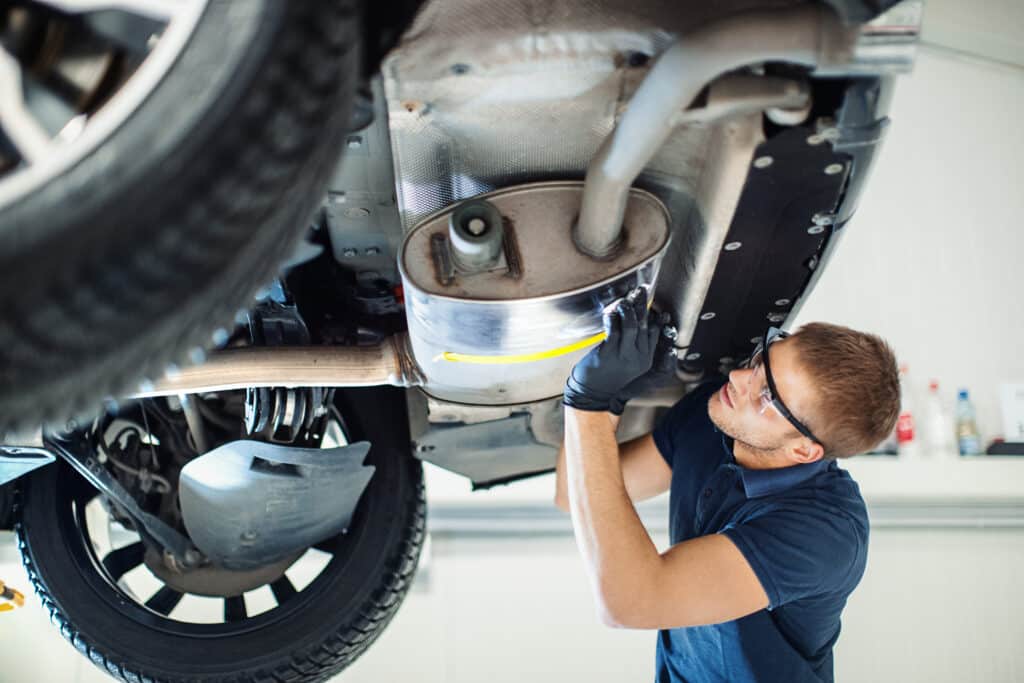
First, check the exhaust system carefully. Look for holes, cracks, or rust on pipes and joints. Listen for unusual noises when the engine runs.
Check under your car for black soot or water dripping. These signs often show leaks. Use a flashlight to see hard-to-reach areas.
Temporary Fixes
If you find a leak, you can try some quick fixes to reduce the problem before repair. Use exhaust tape or a patch kit to cover small holes.
- Wrap exhaust tape tightly around the leak
- Use a muffler sealant for cracks
- Avoid driving long distances until fixed
These fixes only last a short time. They help reduce noise and fumes but do not replace proper repair.
When To Consult A Professional
Call a mechanic if you see big holes, hear loud noises, or smell strong exhaust fumes inside the car. These can be dangerous.
A professional can safely fix the leak and check the whole exhaust system. Do not wait if the problem gets worse or you feel dizzy from fumes.
Preventive Measures For Exhaust System Maintenance
A leaky exhaust system can cause many problems for your vehicle. It can reduce fuel efficiency and increase harmful emissions.
Regular care helps keep the exhaust system working well and avoids costly repairs.
Regular Inspections
Check your exhaust system often for signs of damage or leaks. Look for rust, holes, and loose parts.
- Listen for unusual noises from the exhaust
- Look under the car for cracks or rust spots
- Check for strong exhaust smells inside the vehicle
- Make sure the exhaust hangs firmly in place
Protective Coatings
Applying protective coatings can stop rust and corrosion on exhaust pipes. These coatings create a barrier against moisture and salt.
| Type of Coating | Benefit |
|---|---|
| High-Temperature Paint | Protects against heat and rust |
| Rust Converter | Stops rust from spreading |
| Undercoating Spray | Shields from road salt and moisture |
Quality Replacement Parts
Use good-quality parts when you replace any part of the exhaust. Cheap parts break faster and cause new leaks.
- Choose parts made for your vehicle model
- Buy from trusted brands or dealers
- Check for warranties or guarantees
- Install parts properly to avoid future issues

Credit: www.reddit.com
Frequently Asked Questions
What Symptoms Indicate A Leaky Exhaust System?
Symptoms include loud noise, decreased fuel efficiency, and unusual smells. You may also notice poor engine performance and increased emissions.
How Does A Leaky Exhaust System Affect Fuel Economy?
A leak causes the engine to work harder, reducing fuel efficiency. This leads to increased fuel consumption and higher costs.
Can A Leaky Exhaust System Harm My Health?
Yes, exhaust leaks can release harmful gases like carbon monoxide. Exposure to these gases can cause headaches, dizziness, and respiratory issues.
What Are The Risks Of Ignoring A Leaky Exhaust System?
Ignoring leaks can damage engine components, increase pollution, and pose health risks. It may also lead to costly repairs later.
Conclusion
A leaky exhaust system can cause many problems for your car. It wastes fuel and makes your engine work harder. It can also let dangerous gases enter your vehicle. Fixing leaks early saves money and keeps you safe. Pay attention to strange noises or smells.
Regular checks help avoid big repairs later. Taking care of your exhaust system protects your car and your health. Don’t ignore the signs. Act quickly to keep your vehicle running well.