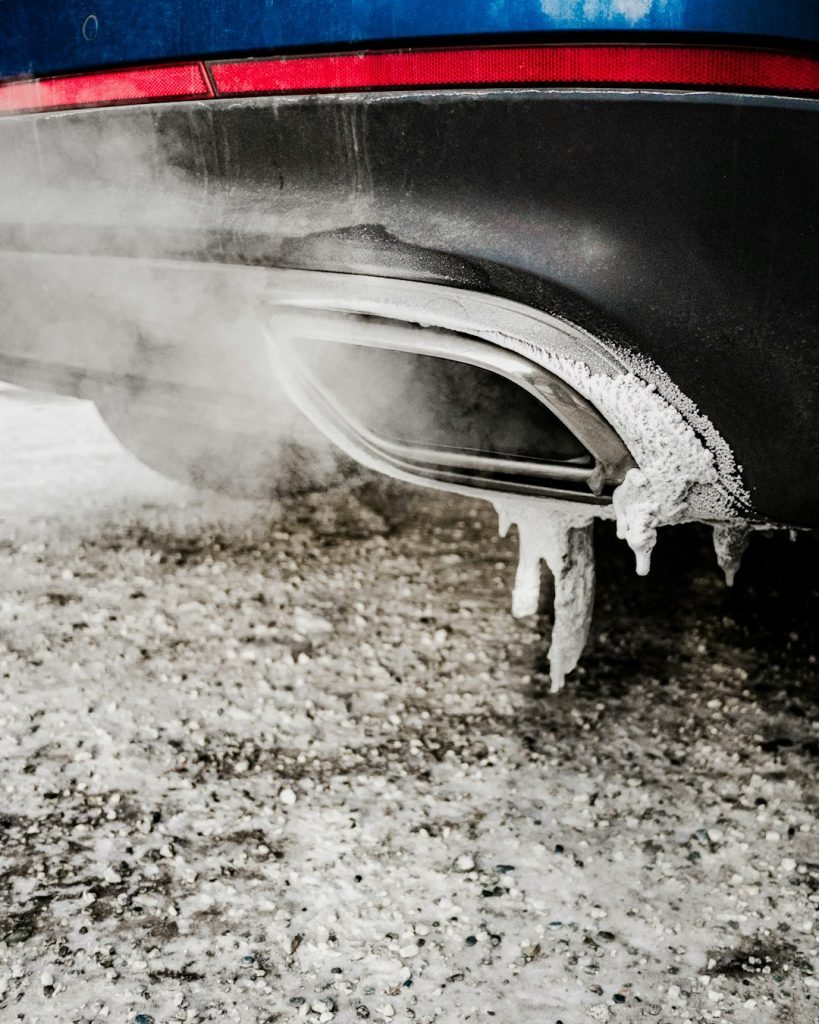
A leaky exhaust system might seem like a small problem, but it can cause big trouble for you and your vehicle. If you ignore it, you could face costly repairs, lower fuel efficiency, and even health risks.
Understanding why a leaky exhaust system needs immediate attention will help you protect your car and keep yourself safe. Keep reading to find out exactly how this issue affects you and why fixing it right away is so important.
Signs Of A Leaky Exhaust
A leaky exhaust system can cause many problems in your vehicle. It affects performance and safety. Knowing the signs helps you fix it early.
Here are common signs that show your exhaust system may have leaks. Watch for these to keep your car running well.
Unusual Noises
If your exhaust system leaks, you might hear strange sounds. These noises can change based on how the leak grows.
- A loud hissing or tapping sound when the engine runs
- A rumbling or popping noise during acceleration
- Metallic rattling sounds if parts loosen from the leak
Decreased Fuel Efficiency
A leaking exhaust can cause your engine to work harder. This extra work burns more fuel than usual.
| Effect | Cause | Result |
| Lower fuel economy | Oxygen sensor error | Wrong air-fuel mixture |
| Engine performance drop | Exhaust leak near engine | Reduced power output |
| Higher emissions | Incomplete gas burn | More pollution |
Strong Exhaust Odor
You may smell a strong exhaust odor inside or near your vehicle. This is a sign of a leak that lets fumes escape early.
Common places where the odor may be noticed:
- Inside the car cabin, especially when windows are closed
- Near the engine or under the car
- At tailpipe areas with visible damage

Credit: simonsautorepairtaunton.com
How Leaks Cause Engine Damage
A leaky exhaust system can harm your engine in many ways. It lets out harmful gases and reduces engine efficiency.
Fixing leaks quickly helps protect your engine from serious damage and costly repairs.
Increased Engine Stress
Leaks cause the engine to work harder to push out exhaust gases. This extra effort adds stress to engine parts.
Over time, this stress can cause parts to wear out faster and lead to engine failure.
Overheating Risks
Exhaust leaks can make the engine run hotter than normal. Hot gases escaping in wrong places raise engine temperature.
High temperatures can damage engine components and reduce the engine’s lifespan.
Corrosion And Wear
Exhaust leaks let moisture and harmful gases reach engine parts. This causes rust and corrosion over time.
Corrosion weakens metal parts and can lead to leaks spreading or parts breaking down.
- Rust on exhaust pipes and muffler
- Damage to sensors near leak points
- Faster wear of engine components
Health Risks From Exhaust Leaks
A leaky exhaust system can let dangerous gases into your vehicle or home. These gases harm your health even in small amounts.
It is important to fix exhaust leaks quickly to protect your health and well-being.
Carbon Monoxide Exposure
Carbon monoxide is a colorless, odorless gas that comes from exhaust leaks. It can build up indoors without warning.
Breathing carbon monoxide stops your blood from carrying oxygen. This can cause headaches, dizziness, and even death.
- Symptoms include nausea and confusion
- High levels cause loss of consciousness
- Chronic exposure leads to serious brain damage
Respiratory Issues
Exhaust leaks release harmful chemicals like nitrogen oxides and hydrocarbons. These irritate your lungs and airways.
People with asthma or allergies may have worse breathing problems from exhaust fumes.
- Coughing and wheezing
- Shortness of breath
- Increased asthma attacks
Long-term Health Effects
Long exposure to exhaust leaks can cause serious health problems. This includes lung disease and heart damage.
Some chemicals in exhaust are linked to cancer and other chronic illnesses.
- Chronic bronchitis and lung damage
- Increased risk of heart disease
- Possible development of cancer
Cost Implications Of Ignoring Leaks
A leaky exhaust system might seem like a small problem. Ignoring it can cause bigger costs later. Fixing leaks early saves money and trouble.
Leaks affect how your vehicle runs. They can lead to damage and fines. Understanding these costs helps you act fast.
Higher Repair Bills
Leaks cause parts to wear out faster. Small problems turn into big repairs. Fixing the whole exhaust system is costly.
Delaying repairs means more damage. The engine and sensors can fail. Repair bills rise quickly if you wait too long.
Reduced Vehicle Lifespan
Exhaust leaks harm engine performance. This lowers how long your vehicle lasts. The engine works harder and breaks down sooner.
Ignoring leaks leads to rust and corrosion. These issues weaken parts over time. Your vehicle may need to be replaced early.
Potential Fines And Penalties
Leaky exhausts can increase pollution. Many places have strict rules about emissions. You may get fined if your vehicle fails tests.
Fixing leaks helps you avoid penalties. Keeping your exhaust system in good shape meets legal standards. This saves money on fines.
Benefits Of Timely Repairs
A leaky exhaust system causes many problems in your vehicle. Fixing it quickly saves you time and money.
Timely repairs help your car run better and keep you safe on the road.
Improved Vehicle Performance
A leaky exhaust can reduce engine power. Fixing leaks helps the engine breathe properly.
When your exhaust works well, your car runs smoother and drives better.
Lower Fuel Costs
Leaks make the engine work harder, using more fuel. Repairing them saves gas.
You spend less money on fuel when your exhaust system is sealed and efficient.
Enhanced Safety
Exhaust leaks can let harmful gases enter your car’s cabin. Fixing leaks protects your health.
Timely repairs lower the risk of carbon monoxide poisoning while driving.

Credit: www.holtsauto.com
Repair Options And Maintenance Tips
A leaky exhaust system can cause problems with your vehicle’s performance and safety. Fixing leaks early helps avoid bigger repairs and keeps your car running well.
Below are some ways to inspect, repair, and maintain your exhaust system. Use these tips to keep your vehicle in good shape.
Professional Inspection
A mechanic can find leaks and damage you might miss. They use special tools to check the exhaust system’s condition. Early detection helps prevent harmful gases from entering the cabin.
During a professional inspection, the mechanic will:
- Check for holes or rust in pipes and mufflers
- Listen for unusual noises while the engine runs
- Look for loose or broken hangers and clamps
- Test for exhaust leaks using smoke or pressure tests
Diy Fixes
Some small exhaust leaks can be fixed at home using simple tools. Patch kits and high-temperature tape can seal minor holes temporarily. Make sure the exhaust is cool before starting repairs.
- Locate the leak by listening or using soapy water for bubbles
- Clean the area around the hole or crack
- Apply exhaust patch or tape tightly over the damaged spot
- Secure the patch with clamps if needed
- Test by starting the engine and checking for leaks again
Preventive Maintenance
Regular care helps avoid leaks and extends the life of your exhaust system. Follow these tips to keep your system healthy.
| Maintenance Task | How Often | Notes |
| Inspect exhaust system | Every 6 months | Check for rust, holes, and loose parts |
| Clean undercarriage | Every 3 months | Remove dirt and salt to prevent corrosion |
| Replace damaged hangers | As needed | Keep pipes properly supported |
| Use quality fuel | Always | Reduces residue and buildup inside pipes |

Credit: kauaiautorepair.com
Frequently Asked Questions
Why Repair A Leaky Exhaust System?
A leaky exhaust system can lead to harmful emissions entering your vehicle’s cabin. It affects engine performance and fuel efficiency. Over time, it can cause costly damage. Addressing leaks promptly ensures safety, better mileage, and reduces environmental impact.
How Does A Leaky Exhaust Affect Performance?
A leaky exhaust system reduces engine power and efficiency. It disrupts the vehicle’s air-fuel balance, causing poor acceleration. This can lead to increased fuel consumption and reduced overall performance. Fixing leaks restores optimal engine function.
Can A Leaky Exhaust Harm Health?
Yes, a leaky exhaust can allow toxic gases like carbon monoxide to enter the cabin. These gases are harmful and can cause dizziness, headaches, or worse. Ensuring your exhaust system is intact protects you and your passengers from health risks.
Does A Leaky Exhaust Increase Emissions?
A damaged exhaust system often results in higher emissions. It compromises the catalytic converter’s effectiveness, leading to increased pollutants. Repairing leaks helps maintain emissions at environmentally safe levels. This compliance with regulations also prevents potential fines.
Conclusion
A leaky exhaust system affects your car’s safety and performance. It can let harmful gases enter your vehicle. This puts your health at risk. It also lowers fuel efficiency and makes your car noisy. Fixing the leak saves money on fuel and repairs later.
It keeps your car running smoothly and cleanly. Don’t ignore small problems—they often grow bigger fast. Regular checks help catch leaks early. Protect yourself and your car by repairing exhaust leaks soon. Safe driving starts with a healthy exhaust system.