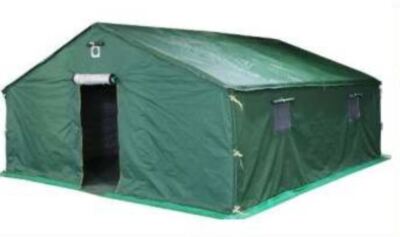
When you think about a military tent, what comes to mind? Is it just a simple shelter, or could it be the key to your comfort and safety in tough conditions?
Whether you’re planning an outdoor adventure, preparing for emergencies, or curious about how soldiers stay protected in the field, understanding a military tent can change the way you approach shelter. You’ll discover what makes a military tent unique, why it’s designed the way it is, and how it can be a game-changer for your next outdoor experience.
Keep reading, and you might find the perfect solution for your shelter needs.

Credit: www.ebay.ca
Key Features Of Military Tents
Military tents serve as strong shelters for soldiers in various conditions. They protect from harsh weather and offer a safe place to rest.
This article covers the main features of military tents. It focuses on materials, design, and weather resistance.
Materials Used
Military tents use tough materials that last long and resist damage. The fabrics are usually synthetic for strength and water resistance.
- Heavy-duty nylon or polyester fabric
- Waterproof coatings like polyurethane or silicone
- Reinforced seams to prevent tearing
- Rust-proof metal or fiberglass poles
- UV-resistant materials to avoid sun damage
Structural Design
Military tents have a smart design to be easy to set up and stable. Their shape helps them hold up in strong winds and rough terrain.
| Feature | Benefit |
| Low profile shape | Reduces wind impact |
| Strong frame poles | Ensures stability |
| Multiple anchor points | Secures tent firmly |
| Modular sections | Allows flexible space |
Weather Resistance
Military tents protect soldiers from rain, wind, and cold. They use special features to keep the inside dry and comfortable.
- Waterproof fabric and sealed seams stop leaks
- Windproof design keeps tent steady
- Insulated layers provide warmth in cold climates
- Ventilation panels reduce condensation inside
Types Of Military Tents
Military tents are important for many tasks in the field. They offer shelter and space for different activities. Each type serves a special purpose.
Knowing about the types helps choose the right tent for each mission. This guide explains the common types used by the military.
Shelter Tents
Shelter tents provide basic protection from weather. Soldiers use them to rest and sleep. They are easy to set up and take down.
These tents are lightweight and compact. They protect against rain, wind, and sun. Some models have extra insulation for cold weather.
- Single-person tents for quick shelter
- Multi-person tents for group camping
- Weather-resistant materials
Command Tents
Command tents serve as mobile offices for leaders. They have space for maps, radios, and computers. These tents help with planning and communication.
They are larger and more sturdy than shelter tents. Often, they include electrical power and lighting. Command tents are important during operations.
- Room for several people to work
- Power outlets and lighting
- Windows for outside view
Medical Tents
Medical tents provide care to injured soldiers. They act as field hospitals near battle zones. These tents are clean and organized for safety.
They have beds, medical supplies, and space for doctors. Medical tents may include air conditioning and heating. Quick setup is important for emergencies.
- Separate areas for treatment and recovery
- Easy to sanitize surfaces
- Good ventilation
Storage Tents
Storage tents keep equipment and supplies safe. They protect items from weather and dirt. These tents come in many sizes.
They have strong frames to hold heavy loads. Storage tents help organize gear for easy access. Security features keep items safe.
- Large space for tools and vehicles
- Durable materials for protection
- Lockable entrances
Durability Factors
Military tents are built to last in harsh conditions. Their durability depends on several key factors.
Understanding these factors helps ensure the longevity and reliability of the tent.
Fabric Strength
The strength of the tent fabric is crucial. It must withstand strong winds and heavy rain.
High-quality materials like ripstop nylon or canvas are often used. These materials resist tearing and abrasion.
- Ripstop nylon is lightweight and strong
- Canvas offers durability and weather resistance
- UV-resistant fabrics prevent sun damage
Frame Construction
The tent frame provides structure and stability. It should be made from robust materials.
Aluminum and steel are common choices. They offer strength and are lightweight.
- Aluminum frames are light and rust-resistant
- Steel frames provide extra strength
- Fiberglass poles are flexible and strong
Maintenance Tips
Proper maintenance extends the life of a military tent. Regular checks and cleaning are essential.
Store the tent dry to prevent mold and mildew. Repair any small tears immediately.
- Clean the tent after each use
- Inspect seams and zippers regularly
- Store in a cool, dry place
Versatility In Use
A military tent offers flexible solutions for many needs. Its design supports different missions and environments.
These tents are strong, easy to set up, and fit various purposes. They work well in many conditions.
Adaptability To Environments
Military tents adjust to hot, cold, dry, or wet places. Their materials resist wind and rain. They keep soldiers safe and dry.
They come with features like vents and covers. These features help control temperature and airflow inside the tent.
Modular Components
Military tents have parts that fit together. You can add or remove sections based on needs. This makes tents bigger or smaller.
- Interchangeable walls and roofs
- Expandable frames and poles
- Optional floors and insulation layers
- Attachment points for extra gear
Multi-purpose Applications
| Use | Description |
|---|---|
| Command Center | Acts as a mobile office with communication gear |
| Medical Station | Provides shelter for first aid and treatment |
| Sleeping Quarters | Offers protected rest space for troops |
| Storage | Secures equipment and supplies from elements |
Setting Up And Packing Down
Setting up a military tent requires careful attention to detail. Proper assembly ensures safety and comfort. Packing down is just as important to keep the tent ready for future use.
This guide covers key points for setting up, packing efficiently, and transport tips for your tent.
Step-by-step Setup
Follow these steps to set up your military tent quickly and correctly.
- Choose a flat and clear area free of sharp objects.
- Lay out the tent fabric flat on the ground.
- Assemble the poles according to their size and shape.
- Insert poles into the tent sleeves or clips.
- Raise the tent and secure poles firmly into the ground.
- Use stakes to fix the tent corners tightly.
- Attach guylines and tighten them to add stability.
Efficient Packing Techniques
Packing your tent correctly keeps it in good condition and saves space.
- Remove all dirt and moisture before packing.
- Fold the tent fabric neatly along natural seams.
- Bundle poles separately to avoid damage.
- Use a compression sack to reduce size.
- Label your packed tent for quick identification.
Transport Considerations
Transporting your military tent needs care to avoid damage and loss.
| Transport Method | Tips | Precautions |
| Vehicle trunk | Place tent in a dry bag. Keep poles separate. | Avoid heavy items on top. Secure to prevent movement. |
| Backpack | Use compact packing. Balance weight evenly. | Check straps and buckles regularly. |
| Carry bag | Use padded bag with compartments. | Handle with care to avoid tears. |

Credit: stromeyer.cz
Comparing Military Tents With Civilian Options
Military tents and civilian tents both provide shelter outdoors. They have different designs and uses.
This article looks at how military tents compare to civilian tents in key areas.
Performance Differences
Military tents are made to work in tough conditions. They resist strong wind, rain, and rough use.
Civilian tents focus on comfort and easy setup. They work well for camping but may not last in bad weather.
- Military tents use heavy-duty materials
- Civilian tents use lighter fabrics
- Military tents often have better waterproofing
- Civilian tents are usually easier to carry
Cost And Longevity
Military tents cost more because they use strong, durable parts. They last many years with good care.
Civilian tents cost less but may wear out faster. They fit short trips or occasional use better.
- Military tents have higher initial cost
- Military tents need less frequent replacement
- Civilian tents are cheaper upfront
- Civilian tents may need replacing every few years
Suitability For Various Needs
Military tents suit long missions and harsh environments. They provide secure shelter for many people.
Civilian tents are great for hiking, festivals, and family trips. They focus on comfort and convenience.
- Military tents support large groups and gear
- Military tents offer more protection from elements
- Civilian tents are lightweight and easy to set up
- Civilian tents are best for short outdoor activities
Innovations In Military Tent Technology
Military tents have seen many changes over the years. These changes help soldiers stay safe and comfortable outdoors.
New materials and smart designs make these tents better for tough conditions. They are easier to carry and set up, too.
Lightweight Materials
Modern military tents use light fabrics and frames. These materials reduce weight without losing strength.
- Ripstop nylon and polyester fabrics
- Aluminum and carbon fiber poles
- Compact and foldable designs
- Durable coatings to resist tears
Enhanced Weatherproofing
Tents now keep soldiers dry and warm in harsh weather. Water resistance and insulation are key features.
| Feature | Benefit |
| Waterproof coatings | Stops rain from soaking inside |
| Sealed seams | Prevents water leaks |
| Windproof structure | Keeps tent stable in strong winds |
| Thermal liners | Retains heat in cold climates |
Smart Features
Technology adds new functions to military tents. These features make life easier for soldiers.
- Solar-powered LED lighting inside the tent
- Integrated ventilation systems to reduce humidity
- Quick-pitch mechanisms for fast setup
- GPS trackers built into tent components

Credit: hot-tent.com
Frequently Asked Questions
What Is A Military Tent Used For?
A military tent provides shelter and protection for soldiers in the field. It is portable, durable, and designed for harsh environments. These tents support various activities like sleeping, command centers, and medical aid stations.
How Durable Are Military Tents?
Military tents are made from high-quality, weather-resistant materials. They withstand strong winds, rain, and extreme temperatures. Their durability ensures reliable protection during long deployments and tough conditions.
What Materials Are Military Tents Made From?
Military tents commonly use heavy-duty canvas or synthetic fabrics like nylon or polyester. These materials are waterproof, fire-resistant, and tear-resistant, ensuring longevity and safety in diverse climates.
How Easy Is It To Set Up A Military Tent?
Military tents are designed for quick assembly by few personnel. Many models feature modular designs and simple pole systems, allowing setup in minutes, crucial for rapid deployment and mobility.
Conclusion
A military tent offers strong protection and great comfort outdoors. It stands up well to tough weather and rough use. Easy to set up and carry, it suits many needs. Soldiers and campers trust its durability and design. Choosing the right tent can improve safety and rest.
A good tent makes outdoor time better and safer. Simple, reliable shelter is key in any outdoor plan. This makes military tents a smart choice for many users.