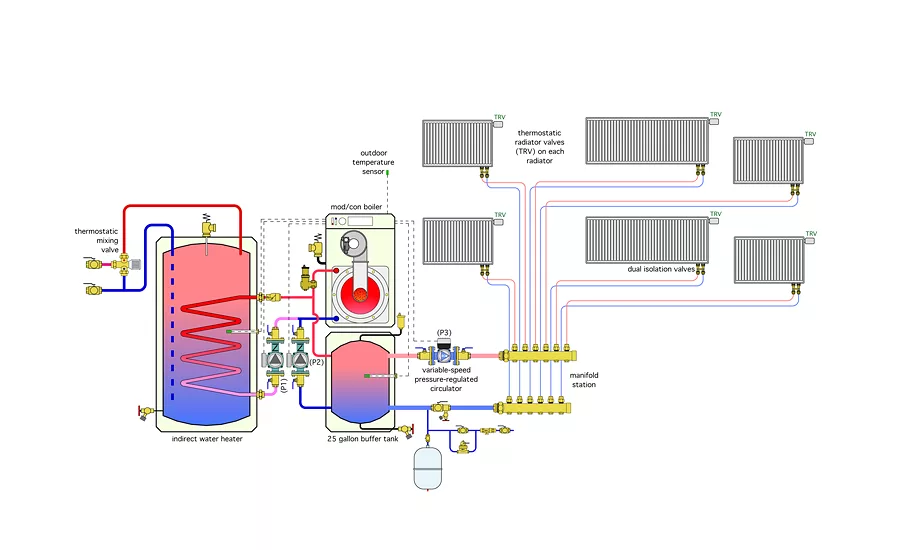
A modern hydronic heating system typically offers a smarter, more efficient way to keep your home warm and comfortable. If you’ve ever struggled with uneven heating or high energy bills, this could be the solution you’ve been searching for.
Imagine a heating system that quietly delivers consistent warmth, uses less energy, and fits seamlessly into your lifestyle. You’ll discover how these systems work, why they might be the perfect upgrade for your home, and what makes them stand out from traditional heating options.
Keep reading to see how a modern hydronic heating system can transform your living space and save you money.
Basics Of Hydronic Heating
Hydronic heating uses hot water to warm homes and buildings. It is an efficient way to provide heat.
The system moves heated water through pipes to radiators or floors. This warms the rooms evenly.
How Hydronic Systems Work
Water heats in a boiler or water heater. Then, a pump pushes hot water through pipes.
The water flows to radiators or underfloor tubes. Heat transfers from water to the room air.
- Water heats in the boiler
- Pump moves hot water through pipes
- Heat spreads from radiators or floors
- Cooled water returns to boiler to reheat
Key Components Explained
A hydronic heating system has several main parts. Each plays a key role in heating.
The boiler heats water. Pipes carry the water. Pumps move the water around the system.
- Boiler:Heats the water to a set temperature
- Pipes:Carry hot water to radiators or floors
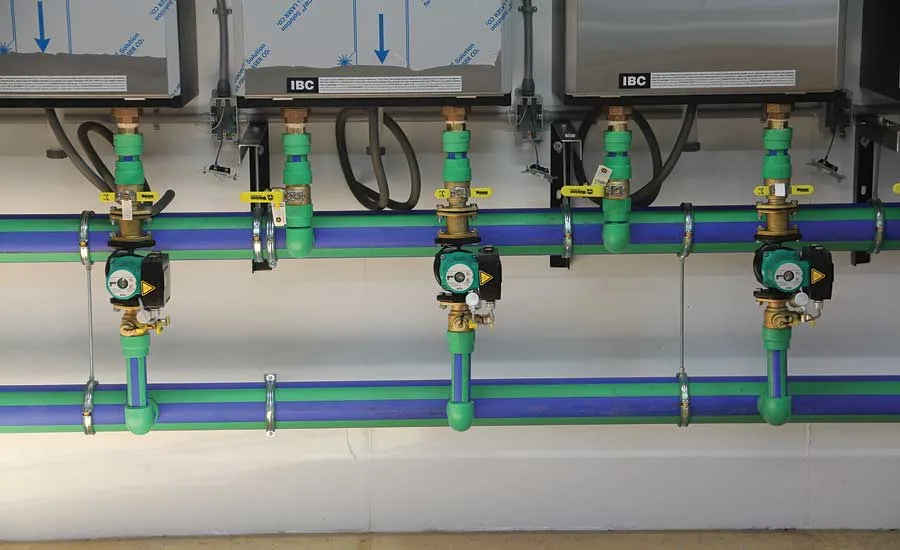
- Pumps:Push water through the pipes
- Radiators or Tubing:Release heat into rooms
- Thermostat:Controls the system temperature
Energy Efficiency Benefits
A modern hydronic heating system uses water to carry heat through pipes. It heats spaces more evenly than traditional systems. This design helps save energy and lowers heating costs.
Energy efficiency is important to reduce waste and protect the environment. Hydronic systems offer clear benefits that help achieve these goals.
Lower Energy Consumption
Hydronic heating uses less energy because water carries heat better than air. It needs less power to warm your home to a comfortable level.
The system can work with low-temperature water, which saves energy. It also heats rooms evenly, so the thermostat does not need to work hard.
- Water transfers heat efficiently
- Low water temperatures reduce energy use
- Even heat distribution avoids hot and cold spots
Reduced Heat Loss
Hydronic systems lose less heat because pipes are insulated well. This keeps heat inside the home where it belongs.
Less heat loss means the system runs less often. This reduces energy waste and lowers bills.
- Insulated pipes keep heat from escaping
- Heat stays inside rooms longer
- System cycles less, saving energy
Comfort Advantages
A modern hydronic heating system uses hot water to warm your home. This system gives steady and cozy heat throughout your space.
It provides many comfort benefits that make your home feel more pleasant and relaxing all year.
Even Heat Distribution
Hydronic heating spreads warm water through pipes under the floor or in radiators. This lets heat flow evenly across rooms.
With no hot or cold spots, every part of your home stays comfortable. This avoids chills near windows or doors.
- Warmth covers whole floors and walls
- Heat stays steady without sharp changes
- Room temperatures feel balanced and pleasant
Quiet Operation
Hydronic systems run quietly because they use water, not forced air. There are no loud fans or blowers.
This creates a peaceful home environment where you can relax or work without noise distractions.

Credit: www.jlconline.com
Modern System Features
Modern hydronic heating systems offer improved comfort and energy efficiency. These systems use advanced technology to control heat distribution in homes and buildings.
Key features include smart controls and updated equipment. These changes make the systems easier to use and maintain.
Smart Controls And Automation
Smart controls let users manage heating from anywhere. Automation adjusts the heat based on schedules and room usage.
- Remote control via smartphone apps
- Temperature sensors in different rooms
- Automatic scheduling for heating times
- Energy usage monitoring and reports
- Integration with other smart home devices
Advanced Boilers And Pumps
Modern boilers and pumps improve system efficiency and reliability. They use less energy and provide steady heat output.
| Component | Feature | Benefit |
| Condensing Boiler | High efficiency heat exchange | Lower fuel consumption |
| Variable Speed Pump | Adjusts flow rate automatically | Reduces electricity use |
| Modulating Burner | Changes output to match demand | Maintains consistent temperature |
Installation Considerations
A modern hydronic heating system uses hot water to heat your home. It is efficient and can save energy. Proper installation is important to make sure it works well.
Planning the installation carefully helps avoid problems. It also ensures the system heats evenly and lasts a long time.
Design And Layout Tips
Plan the layout to spread heat evenly in all rooms. Keep pipes short to reduce heat loss and save energy.
Think about where to place the boiler and controls. Place them in easy-to-access spots for maintenance.
- Design zones for different rooms to control heat better
- Use insulation to keep heat inside the pipes
- Make sure floor or wall space can hold the pipes
- Allow space for expansion of pipes and components
Choosing The Right Components
Select parts that fit your home’s size and heating needs. Good quality components last longer and work better.
Match the boiler, pumps, and thermostats for smooth system operation. Check compatibility between all parts before buying.
- Choose a boiler with the right power output for your space
- Pick pumps that move water efficiently without noise
- Use thermostats that are easy to program and control
- Consider pipes made of durable materials like PEX or copper
- Include safety valves and expansion tanks for safe operation

Credit: www.pmmag.com
Maintenance And Longevity
A modern hydronic heating system uses water to warm your home. Proper care keeps it working well for many years. Regular maintenance helps avoid costly repairs.
Simple actions can improve system lifespan. Knowing common problems helps fix issues fast. This guide explains routine care and troubleshooting tips.
Routine Care Practices
Check your hydronic system often to keep it running smoothly. Clean parts and watch for leaks or noises. Replace worn parts on time.
- Inspect pipes and valves for leaks
- Flush the system yearly to remove buildup
- Check pressure and temperature gauges regularly
- Test the expansion tank and air vents
- Schedule professional inspections every few years
Keeping the system clean and free of air helps heat flow better. Regular checks prevent small issues from becoming big problems.
Troubleshooting Common Issues
Sometimes your heating system may not work right. Identifying simple problems early can save time and money. Look for common signs of trouble.
- Uneven heating in rooms
- Strange noises from the boiler or pipes
- Low water pressure warnings
- Radiators that stay cold
- Leaks or water stains near equipment
If you see these problems, try checking the thermostat settings first. Bleed trapped air from radiators and inspect valves. If issues persist, call a technician.
Comparing Hydronic To Other Heating
Hydronic heating uses hot water to warm your home. It is different from other heating systems like forced air.
This article compares hydronic heating to forced air systems. It also looks at cost and performance factors.
Hydronic Vs. Forced Air Systems
Hydronic heating moves hot water through pipes to heat rooms. Forced air systems blow warm air through vents.
Hydronic systems provide steady, even heat. Forced air can cause hot and cold spots in a room.
- Hydronic is quieter because it has no fans.
- Forced air heats up rooms faster.
- Hydronic systems do not move dust around.
- Forced air can dry out the air.
Cost And Performance Factors
Hydronic systems often cost more to install. They need pipes and a boiler system.
Forced air systems usually have lower upfront costs. They use ducts and a furnace or heat pump.
| Factor | Hydronic Heating | Forced Air Heating |
|---|---|---|
| Installation Cost | Higher due to pipes and boiler | Lower with ducts and furnace |
| Operating Cost | Often lower, efficient heat | Varies, can be less efficient |
| Heating Speed | Slower, steady warmth | Faster, quick air heat |
| Air Quality | No dust movement | Can spread dust and allergens |
| Noise Level | Quiet operation | Fans can be noisy |
Credit: www.pmmag.com
Environmental Impact
A modern hydronic heating system uses water to carry heat in a building. It is more energy-efficient than traditional systems. This helps reduce damage to the environment.
These systems work well with clean energy sources. They lower pollution and save natural resources. Understanding their impact helps us choose better heating options.
Lower Carbon Footprint
Hydronic heating systems use less energy to warm spaces. They produce fewer carbon emissions. This helps fight climate change.
Because water moves heat efficiently, the system needs less fuel. This means less burning of fossil fuels like coal or gas.
- Uses energy more efficiently
- Reduces greenhouse gas emissions
- Decreases reliance on fossil fuels
Use Of Renewable Energy Sources
Hydronic systems can connect to renewable energy like solar or geothermal. This makes heating cleaner and more sustainable.
Using renewables lowers the need for oil, gas, or coal. It helps protect the earth’s resources for future use.
- Solar thermal panels can heat water for the system
- Geothermal heat pumps provide steady heat from the ground
- Combining with renewables cuts fossil fuel use
Frequently Asked Questions
What Is A Modern Hydronic Heating System?
A modern hydronic heating system uses heated water to warm spaces efficiently. It circulates hot water through pipes and radiators, providing consistent and comfortable heat.
How Does Hydronic Heating Improve Energy Efficiency?
Hydronic heating uses water, a better heat conductor than air. This reduces energy waste and lowers heating costs, making it an energy-efficient option.
What Components Make Up A Hydronic Heating System?
Key components include a boiler, pumps, pipes, radiators or underfloor heating, and a thermostat. These parts work together to distribute heat evenly.
Is Hydronic Heating Suitable For All Building Types?
Hydronic heating works well in both residential and commercial buildings. It adapts easily to different layouts and offers quiet, consistent warmth.
Conclusion
A modern hydronic heating system offers efficient and reliable warmth. It uses water to heat spaces evenly. This method ensures comfort throughout your home. Lower energy bills often result from its efficiency. Installation is straightforward and maintenance is minimal. Many homeowners prefer this system for its quiet operation.
It provides consistent heat without the noise. Considering its benefits, hydronic heating stands out. It’s a smart choice for modern homes. Enjoy warmth and comfort without the fuss. Experience the difference today with hydronic heating.