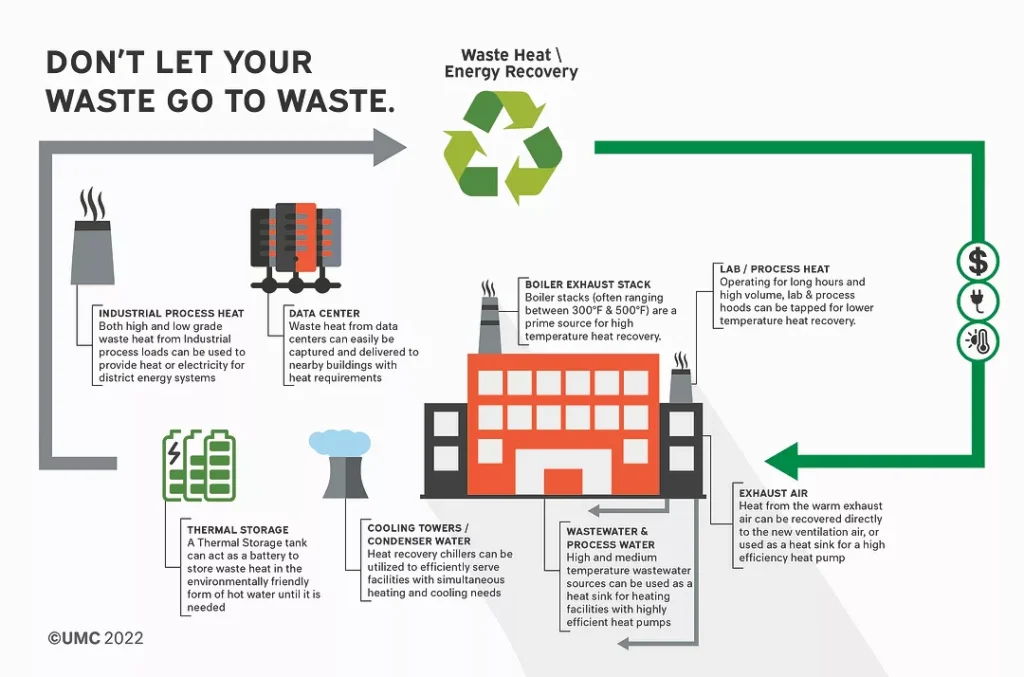
Imagine cutting down your energy bills while making your home or business more eco-friendly. A Parallel Heat Reclaim System primarily recovers wasted heat, turning it into usable energy that benefits you directly.
This means you get to save money and reduce your carbon footprint without any extra effort. If you’re curious about how this clever system works and how it can improve your energy efficiency, keep reading. You’ll discover simple ways to make the most out of heat reclaim technology and why it could be a game-changer for your space.
Heat Reclaim Basics
A parallel heat reclaim system recovers heat from one source. It uses this heat to warm another area or process. This helps save energy and reduce costs.
Heat reclaim systems capture heat that would be wasted. They reuse it to improve efficiency in buildings or machines.
Purpose Of Heat Recovery
Heat recovery reduces energy waste by capturing heat from exhaust air or fluids. It lowers the need for extra heating. This saves fuel and money.
Using recovered heat helps improve the environment. It cuts down on greenhouse gas emissions from burning fuels. It also makes buildings more comfortable.
Types Of Heat Reclaim Systems
There are several heat reclaim systems. Each works in a different way to recover heat. The main types include:
- Run-around coil systems: Use a liquid to transfer heat between two air streams.
- Heat wheels: Rotate to move heat from warm to cool air.
- Plate heat exchangers: Pass air streams through plates to swap heat.
- Parallel systems: Recover heat while keeping air streams separate.
Parallel heat reclaim systems mainly recover heat without mixing the air streams. This keeps air quality high.
Parallel Heat Reclaim System Design
A parallel heat reclaim system primarily recovers heat from exhaust air. It helps to reduce energy costs by reusing heat in building systems. This design improves efficiency and lowers emissions.
The system works alongside existing HVAC equipment. It captures heat without interrupting airflow. This makes it a practical choice for many buildings.
Core Components
The main parts include a heat exchanger, ducts, and controls. The heat exchanger transfers heat from exhaust air to fresh air. Ducts carry air through the system. Controls manage airflow and temperature.
- Heat exchanger unit
- Supply and return air ducts
- Airflow control dampers
- Temperature sensors
- System control panel
Flow Configuration
Air flows in parallel paths to optimize heat transfer. Exhaust air passes through one side of the heat exchanger. Fresh air moves on the other side. This setup keeps the two air streams separate.
| Air Stream | Function | Path |
| Exhaust Air | Releases heat | Through heat exchanger |
| Fresh Air | Gains heat | Through heat exchanger |
| Return Air | Circulates inside | Bypasses heat exchanger |
Integration With Hvac
The system connects to HVAC units to improve overall efficiency. It reduces the heating load on boilers and furnaces. Controls coordinate with HVAC to maintain comfort and save energy.
Key integration points include:
- Connecting heat exchanger output to HVAC air handlers
- Using sensors to adjust airflow rates
- Linking control panels for synchronized operation
Primary Recovery Targets
A parallel heat reclaim system recovers heat from various sources. It saves energy by capturing heat that would be lost.
This system mainly targets heat from exhaust air and waste processes. The goal is to reuse this heat efficiently.
Source Of Reclaimed Heat
Heat comes from exhaust air leaving buildings or machines. It also comes from hot water and steam in processes.
Common sources include air conditioning systems, industrial vents, and wastewater. These often release heat that can be reused.
- Exhaust air from ventilation systems
- Hot water from manufacturing or cleaning
- Steam from industrial processes
- Heat from refrigeration systems
Energy Savings Potential
Reclaiming heat reduces the need for new energy. This lowers fuel use and cuts energy costs.
Energy savings depend on the heat source and system design. Well-planned systems can recover 20% to 50% of heat.
- Lower fuel consumption for heating
- Reduced energy bills
- Less strain on heating equipment
- Lower greenhouse gas emissions

Credit: medium.com
Efficiency Improvements
A parallel heat reclaim system recovers waste heat to improve overall efficiency. It reduces the need for extra energy input in heating processes.
Using recovered heat lowers fuel consumption and cuts operational costs. This system helps industries meet energy-saving goals.
Performance Metrics
Performance metrics measure how well the heat reclaim system works. Key indicators include heat recovery rate, temperature difference, and system reliability.
- Heat Recovery Rate: Percentage of heat captured from waste streams.
- Temperature Difference: Gap between incoming and recovered heat.
- System Reliability: Consistency in delivering recovered heat.
- Energy Savings: Reduction in energy use compared to no recovery.
Impact On Energy Consumption
The system lowers energy needs by reusing heat that would be lost. This leads to less fuel burned and fewer emissions.
| Energy Use Without System | 100% |
| Energy Use With System | 65% – 80% |
| Energy Savings | 20% – 35% |
| Carbon Emission Reduction | 15% – 25% |
Operational Benefits
A parallel heat reclaim system recovers heat from different sources. It helps improve energy use in buildings and plants.
This system works alongside existing heating and cooling setups. It captures waste heat and puts it to good use.
Cost Reduction
The system lowers energy bills by recycling heat that would be wasted. It reduces the need for extra fuel or electricity.
It also cuts maintenance costs. The system shares the load, so main equipment lasts longer.
- Less fuel consumption lowers monthly expenses
- Reduced wear on heating and cooling equipment
- Lower costs for energy supply and demand charges
Environmental Impact
Using a parallel heat reclaim system reduces greenhouse gas emissions. It lowers the carbon footprint of buildings and factories.
The system helps save natural resources by using energy more efficiently. This supports cleaner air and less pollution.
- Less fossil fuel use means fewer emissions
- Improved energy efficiency conserves resources
- Supports sustainability goals for companies

Credit: www.sciencedirect.com
Installation Considerations
Installing a parallel heat reclaim system needs careful planning. It recovers heat mainly from exhaust air.
Proper installation ensures the system works well and saves energy efficiently.
Space Requirements
The system needs space for components like heat exchangers and ductwork. Check available room before installation.
- Measure the area where the system will be placed.
- Allow extra space for maintenance and service access.
- Consider ceiling height for duct routing.
- Plan for vibration isolation pads to reduce noise.
Compatibility With Existing Systems
Check if the heat reclaim system fits with your current HVAC setup. Some systems need special connections.
| Existing System Type | Compatibility Notes | Modification Needed |
| Forced Air | Good fit with duct integration | Minimal duct changes |
| Hydronic | May require heat exchanger adaptation | Additional piping |
| Split Systems | Limited compatibility | Possible system upgrades |
| Variable Air Volume | Compatible with control adjustments | Control system tuning |
Maintenance And Longevity
Maintaining a parallel heat reclaim system is key to its long life. Regular care keeps it running smoothly and saves money on repairs.
Simple checks help avoid big problems. This guide covers routine checks and how to fix common issues.
Routine Checks
Inspect the system regularly to catch wear early. Clean parts and check connections for leaks or damage.
- Check heat exchanger surfaces for dirt buildup
- Inspect seals and gaskets for cracks
- Ensure pipes and valves have no leaks
- Test system pressure and temperature levels
- Clean filters and replace if clogged
Troubleshooting Common Issues
Problems may reduce system efficiency. Identify symptoms early to fix them quickly.
| Issue | Possible Cause | Solution |
| Low heat recovery | Dirt on heat exchanger | Clean the heat exchanger surface |
| Leaks in system | Damaged seals or pipes | Replace faulty seals or pipes |
| Pressure drop | Blocked filters | Clean or replace filters |
| Unusual noises | Loose parts or air in pipes | Tighten parts and bleed air |
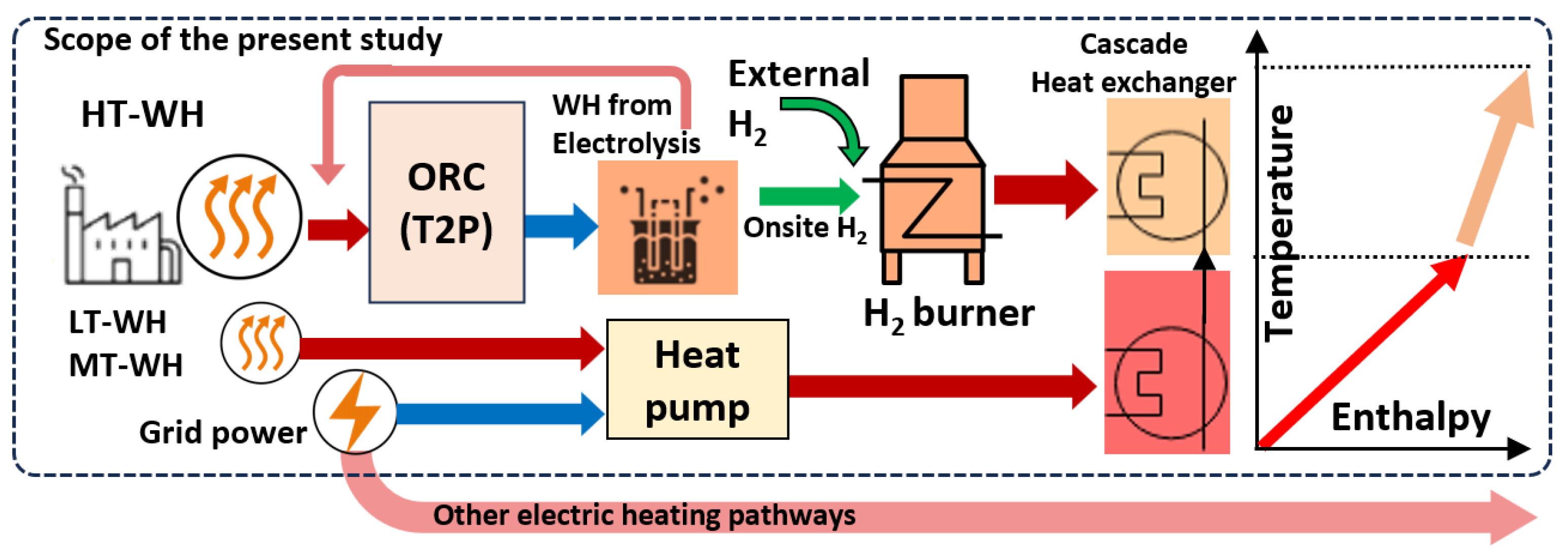
Credit: www.mdpi.com
Case Studies
A parallel heat reclaim system mainly recovers heat from exhaust air. It saves energy by using this heat elsewhere. Many businesses and factories use this system.
These case studies show how different industries use parallel heat reclaim systems. They highlight the system’s benefits and practical uses.
Commercial Applications
In commercial buildings, the system recovers heat from ventilation air. It helps lower heating costs in offices and stores. This system fits well in places with large ventilation needs.
One office building used the system to warm fresh air. It cut energy use by 30%. The system worked well year-round and improved indoor air quality.
- Office buildings save on heating bills
- Retail stores keep fresh air warm
- Hotels reduce energy use in HVAC
Industrial Use Cases
Factories use parallel heat reclaim systems to recover heat from exhaust gases. This heat then preheats incoming air or water. It lowers fuel use and reduces emissions.
In one factory, the system cut fuel costs by 25%. It also improved furnace efficiency and reduced waste heat. This made the plant more sustainable and cost-effective.
- Chemical plants preheat combustion air
- Food processing uses heat recovery for water
- Metal works improve furnace efficiency
Frequently Asked Questions
What Does A Parallel Heat Reclaim System Recover?
A parallel heat reclaim system primarily recovers waste heat from exhaust air. It captures and reuses this heat to preheat incoming fresh air. This process improves energy efficiency and reduces heating costs in HVAC systems.
How Does A Parallel Heat Reclaim System Improve Efficiency?
It captures heat from outgoing air and transfers it to incoming air. This reduces the energy needed to heat fresh air. The system lowers overall energy consumption and enhances HVAC performance.
Where Is A Parallel Heat Reclaim System Commonly Used?
These systems are typically used in commercial buildings and industrial facilities. They help in energy recovery ventilation (ERV) and heating applications. This usage leads to cost savings and environmental benefits.
Can A Parallel Heat Reclaim System Reduce Energy Bills?
Yes, by recycling waste heat, it decreases heating demands. This lowers utility costs and energy consumption. Over time, it offers significant savings on energy bills.
Conclusion
A parallel heat reclaim system mainly recovers waste heat from industrial processes. This helps save energy and reduce costs. It captures heat that would otherwise be lost. The system improves overall efficiency and lowers fuel use. Businesses can run cleaner and greener with this technology.
Simple to install and maintain, it works well in many settings. Using a parallel heat reclaim system supports a more sustainable future. It’s a smart choice for saving energy every day.