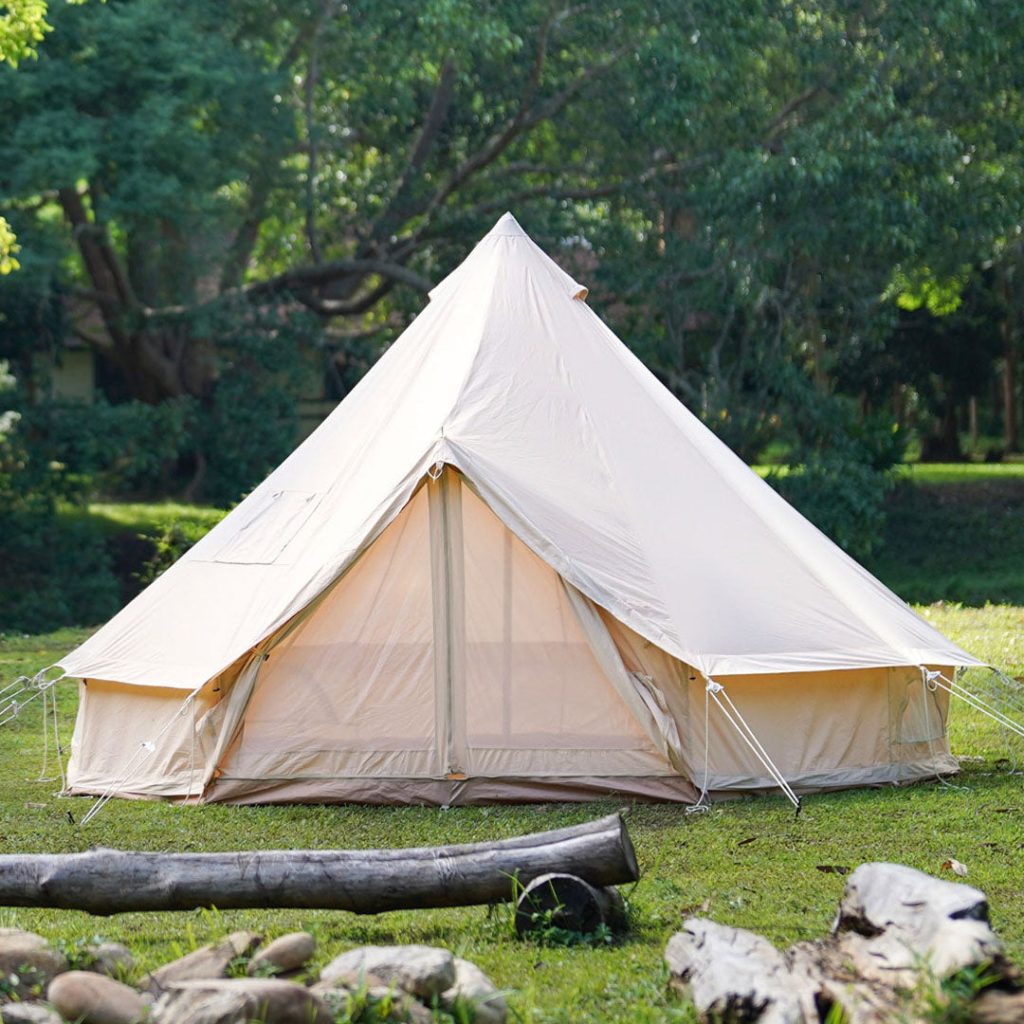
Imagine stepping into your very own cozy shelter after a long day outdoors. A pitched tent is more than just fabric and poles—it’s your personal space where comfort meets adventure.
Whether you’re planning a weekend camping trip or setting up for a music festival, knowing how to pitch your tent right can make all the difference. You’ll discover simple tips and tricks to set up your tent quickly and securely, so you can focus on enjoying your time outside without any hassle.
Ready to master the art of the pitched tent? Let’s dive in!
Choosing The Right Tent
Picking the right tent makes camping more comfortable and safe. A good tent fits your needs and weather conditions.
Consider the type, size, and material before buying a tent. These factors affect how well it works for you.
Types Of Tents
Tents come in many styles, each for different activities and weather. Some are easy to set up. Others are strong for bad weather.
- Dome tents: Good for most camping trips and easy to carry.
- Cabin tents: Have more space and tall walls for comfort.
- Backpacking tents: Lightweight and small for hiking trips.
- Pop-up tents: Quick to set up, great for short stays.
- Tunnel tents: Offer good space and wind resistance.
Tent Size And Capacity
Choose a tent size that fits all campers and gear. Too small tents feel cramped. Too large tents are heavy.
| Number of People | Suggested Tent Size |
| 1-2 | 2-person tent |
| 3-4 | 4-person tent |
| 5-6 | 6-person tent |
| 7+ | Large family tent |
Material And Durability
Tent fabric and poles affect strength and weather protection. Look for materials that last and keep you dry.
Common materials include:
- Polyester:Light and water-resistant, holds color well.
- Nylon:Strong and light, but may need waterproof coating.
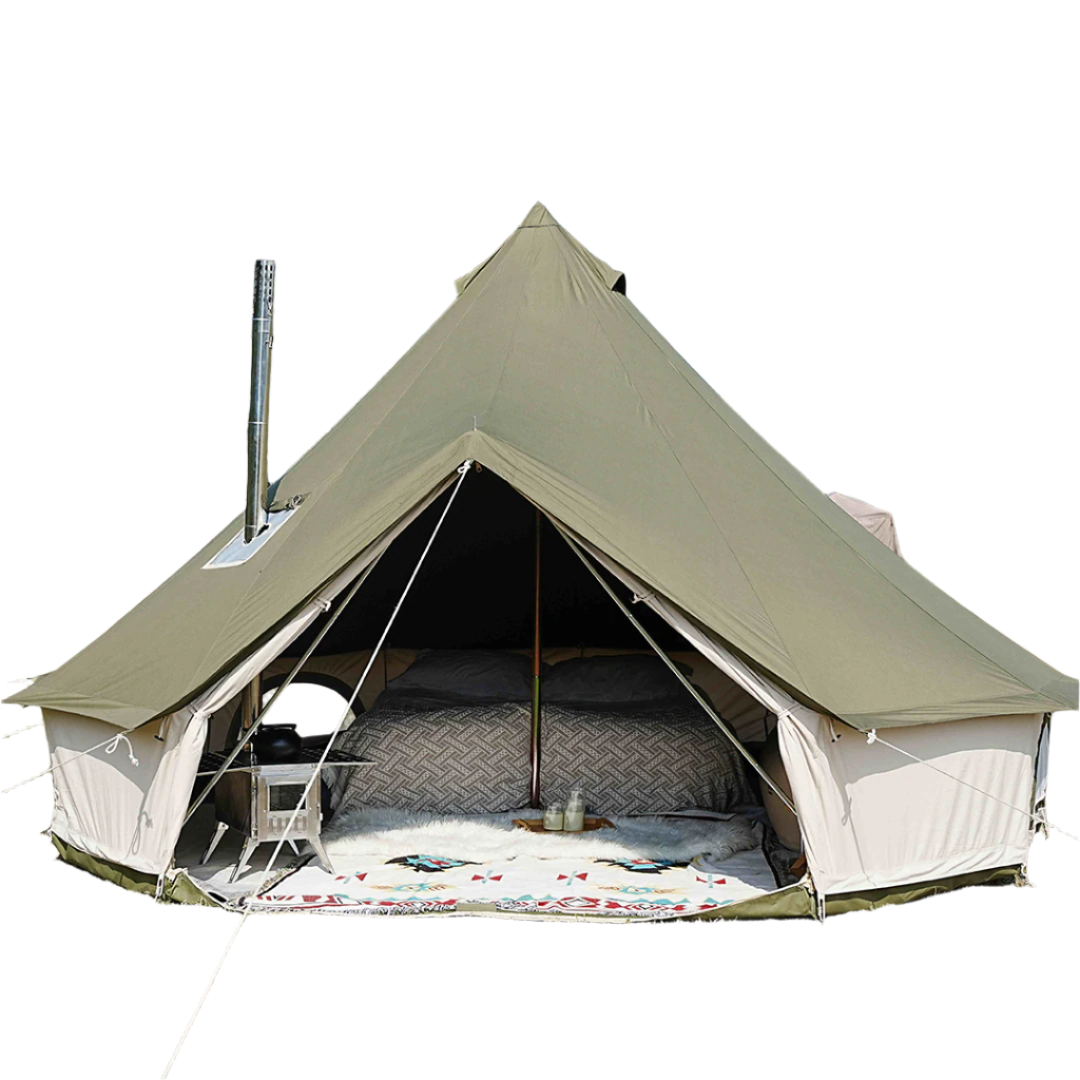
- Canvas:Heavy but very durable and breathable.
Poles come in aluminum or fiberglass. Aluminum is stronger and lasts longer.
Credit: trendtents.com
Selecting The Campsite
Choosing the right campsite is important for a safe and comfortable camping trip. A good site helps protect you from weather and hazards.
Think about the ground, nearby dangers, and how the wind and sun will affect your tent.
Finding Flat Ground
Look for a flat area to pitch your tent. Flat ground keeps your tent stable and helps you sleep well.
- Avoid slopes to prevent sliding or water pooling.
- Check for rocks, roots, or uneven spots.
- Clear debris like sticks and leaves before setting up.
Avoiding Hazards
Keep away from dangers like falling branches, flooding areas, or animal paths. Safety is key.
| Hazard | What to Do |
| Dead or loose tree branches | Do not pitch under or near them |
| Low spots or dry riverbeds | Avoid areas that flood after rain |
| Animal trails | Set camp away from paths to avoid encounters |
Considering Wind And Sun Exposure
Think about where the wind usually blows and where the sun will be during the day. It affects comfort and tent stability.
Tips for wind and sun:
- Pitch your tent with the door facing away from the wind.
- Use natural windbreaks like bushes or rocks.
- Set up in shaded areas to stay cool during hot days.
- Avoid open fields where wind can be strong.
Preparing The Ground
Setting up a tent begins with preparing the ground. A good foundation ensures a comfortable stay and protects your tent.
Proper ground preparation prevents damage and keeps you dry. Let’s explore the steps involved.
Clearing Debris
Remove debris to protect the tent floor. Sticks and rocks can cause tears.
Check the area carefully. Make sure there are no sharp objects left behind.
- Pick up branches
- Clear away rocks
- Sweep away leaves
Leveling The Surface
A flat surface is essential for a comfortable sleep. Uneven ground can cause discomfort.
Use your feet or a small shovel to even the area. Aim for a smooth surface.
Using A Groundsheet
A groundsheet adds extra protection. It acts as a barrier between the tent and the ground.
Place the groundsheet down first. Ensure it is slightly smaller than the tent to prevent water pooling.
| Benefits of a Groundsheet |
| Prevents moisture |
| Protects from dirt |
| Increases tent lifespan |
Setting Up The Tent
Setting up a pitched tent is easier with the right steps. Follow simple actions for a safe and stable tent.
Each part of the process helps build a strong shelter. Take your time to do it right.
Laying Out The Tent
Find a flat, clean area to lay your tent. Clear away rocks and sharp objects. Spread the tent body flat with the door facing the wind if possible.
- Choose level ground to avoid discomfort.
- Remove sticks, stones, and debris.
- Lay out the tent fabric smoothly.
- Align the door for easy access.
Assembling Poles
Connect the tent poles by joining their sections. Make sure each pole snaps or fits tightly. Poles usually form an X shape for pitched tents.
| Pole Part | Action |
| Sections | Join end to end |
| Elastic Cord | Keep tension for easy assembly |
| End Tips | Insert into tent grommets |
| Cross Points | Form the frame shape |
Securing The Tent Body
Attach the tent body to the poles using clips or sleeves. Then, secure the corners with stakes. Tighten guylines to keep the tent stable.
- Clip or slide tent body onto poles carefully.
- Push stakes into the ground at each corner.
- Tighten guylines to prevent sagging.
- Check that the tent is taut and firm.
Pitching Techniques
Setting up a pitched tent properly keeps it strong and safe. Good pitching helps the tent stand firm in wind and rain.
Use the right methods to stake, adjust, and tighten your tent. This makes your camping experience better.
Staking The Tent
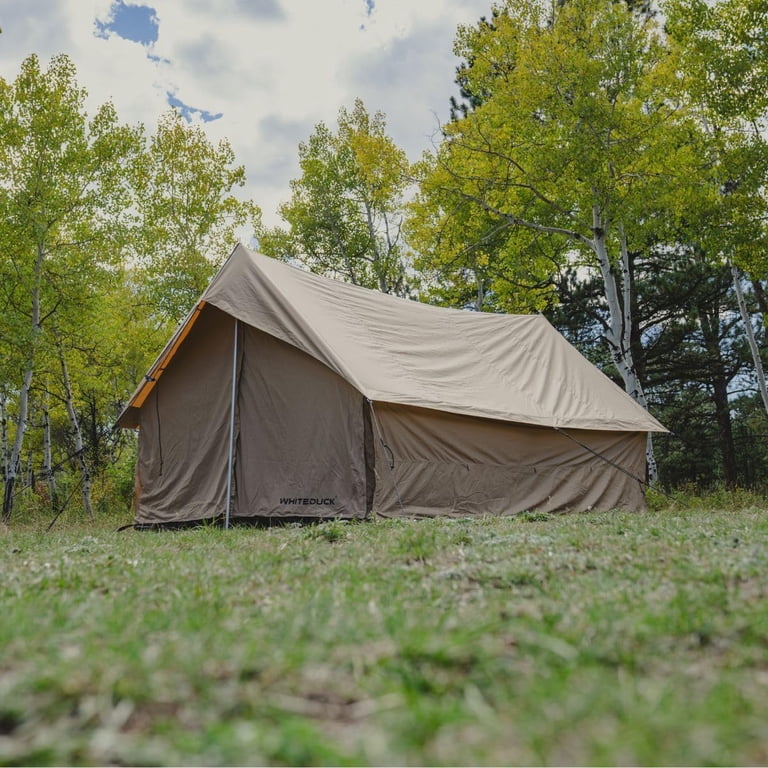
Place stakes at each corner of the tent to hold it down. Push stakes deep into the ground for strong support.
Angle the stakes away from the tent to stop them from pulling out easily. Use a hammer or rock to drive stakes in firmly.
- Choose firm soil to hold stakes well
- Push stakes at a 45-degree angle
- Check stake tightness after wind or rain
Adjusting Guy Lines
Guy lines help keep the tent stable in strong wind. Attach lines to the tent’s loops and pull them tight.
Adjust the length of each guy line so the tent stays balanced. Use tensioners or knots to lock the lines in place.
- Secure guy lines to sturdy points like trees or extra stakes
- Check and tighten lines regularly
- Keep lines clear to avoid tripping
Ensuring Proper Tension
Proper tension keeps your tent smooth and strong. Tighten all corners and guy lines evenly for best results.
Avoid over-tightening to stop damage to the tent fabric or poles. Make small adjustments to keep the tent firm.
- Start by tightening stakes, then guy lines
- Check tension after weather changes
- Loosen if fabric feels too tight or stressed
Credit: www.walmart.com
Weatherproofing Tips
A pitched tent can keep you dry and safe outdoors. Good weatherproofing helps you enjoy camping in rain or wind.
Simple steps can protect your tent from water and wind. These tips help you stay comfortable inside your tent.
Using Rainflies
A rainfly is a cover that goes over your tent. It stops rain from getting inside and protects your tent fabric.
Make sure the rainfly is tight and covers all parts of the tent. Check that it does not touch the tent walls to avoid leaks.
- Attach the rainfly before bad weather starts
- Use guy lines to keep it stable in wind
- Choose a rainfly that fits your tent size
Sealing Seams
Seams are where two pieces of fabric join. Water can leak through these small holes during rain.
Use seam sealer to cover the stitches and keep water out. Apply the sealer carefully and let it dry fully.
- Clean seams before sealing
- Apply a thin, even layer of sealer
- Check seams regularly for wear
Ventilation Strategies
Good airflow stops moisture inside the tent. This reduces condensation and keeps you dry and warm.
Open vents or windows when weather allows. Use mesh panels to keep bugs out while letting air in.
- Keep vents open during rain if possible
- Use a rainfly with built-in vents
- Set up the tent facing the wind for better airflow
Maintaining Your Tent
Keeping your pitched tent in good shape helps it last many camping trips. Simple care steps can protect your tent from damage and wear.
Regular maintenance includes cleaning, storing properly, and fixing any issues quickly. These actions keep your tent safe and ready to use.
Cleaning After Use
Clean your tent after each trip to remove dirt and moisture. Use mild soap and water with a soft cloth or sponge. Avoid harsh chemicals that can damage fabric and coatings.
- Shake out loose dirt and leaves
- Spot clean stains gently
- Dry the tent completely before packing
- Air out the tent to prevent mold
Storage Best Practices
Store your tent in a cool, dry place. Avoid tight compression when packing. Use a large breathable bag or loosely fold the tent to keep its shape.
| Do | Don’t |
| Dry tent fully before storing | Store damp or wet tent |
| Use a breathable storage sack | Keep tent in plastic bags |
| Keep in a cool, shaded area | Store in direct sunlight or heat |
Repairing Damage
Fix small tears or broken parts as soon as possible. Use patch kits or repair tape made for tents. Replace poles or zippers if they break.
- Clean the damaged area before repair
- Apply patch or tape firmly
- Let repair dry completely
- Test the repair by setting up the tent
Packing For Camping
Packing for camping needs planning. You must bring the right gear. It helps you stay safe and enjoy your trip.
Organizing your equipment makes it easy to find what you need. It also saves space in your backpack or car.
Essential Gear
Carry gear that meets your needs outdoors. Include shelter, clothing, and tools. Always pack a reliable tent and sleeping bag.
- Tent with stakes and rainfly
- Sleeping bag rated for the weather
- Portable stove or fire starter
- Water bottles or hydration system
- First aid kit
- Flashlight or headlamp
Organizing Equipment
Keep your items sorted in bags or containers. Label each to find things fast. Group similar items together.
| Category | Storage Method |
| Clothing | Compression sacks or dry bags |
| Food | Sealed containers or coolers |
| Tools | Tool roll or pouch |
| Electronics | Padded cases |
| Personal Items | Small bags or organizers |
Weight Management
Keep your pack light for easy travel. Choose multi-use items. Avoid packing too much food or water.
- Check weight of each item before packing
- Use lightweight gear designed for camping
- Share heavy items with your group
- Only carry what you will use daily
- Balance weight evenly in your pack

Credit: stouttent.com
Frequently Asked Questions
What Is A Pitched Tent In Camping?
A pitched tent is a tent set up and secured on the ground. It provides shelter and protection outdoors. Pitching involves staking, pole assembly, and securing the tent fabric. It ensures stability and comfort during camping trips.
How Do You Properly Pitch A Tent?
To pitch a tent, choose a flat surface first. Lay out the tent and assemble poles. Insert poles into sleeves or clips, then stake corners securely. Tighten guy lines to prevent sagging. This method ensures a stable and weather-resistant shelter.
Why Is Pitching A Tent Important?
Pitching a tent correctly protects you from weather elements. It also prevents damage to the tent fabric. Proper pitching enhances ventilation and comfort inside. A well-pitched tent ensures safety and a good camping experience.
What Tools Are Needed To Pitch A Tent?
Basic tools include tent stakes, poles, and a mallet or hammer. Some tents come with built-in poles and stakes. A groundsheet or tarp is useful for extra protection. These tools help secure and stabilize the pitched tent effectively.
Conclusion
A pitched tent offers shelter and comfort outdoors. It protects you from wind, rain, and sun. Setting it up is easier with practice and care. A good tent makes camping more enjoyable. Remember to choose the right spot and secure your tent well.
Enjoy nature while staying safe and dry. Simple steps lead to a great camping experience. A pitched tent is your home in the wild.