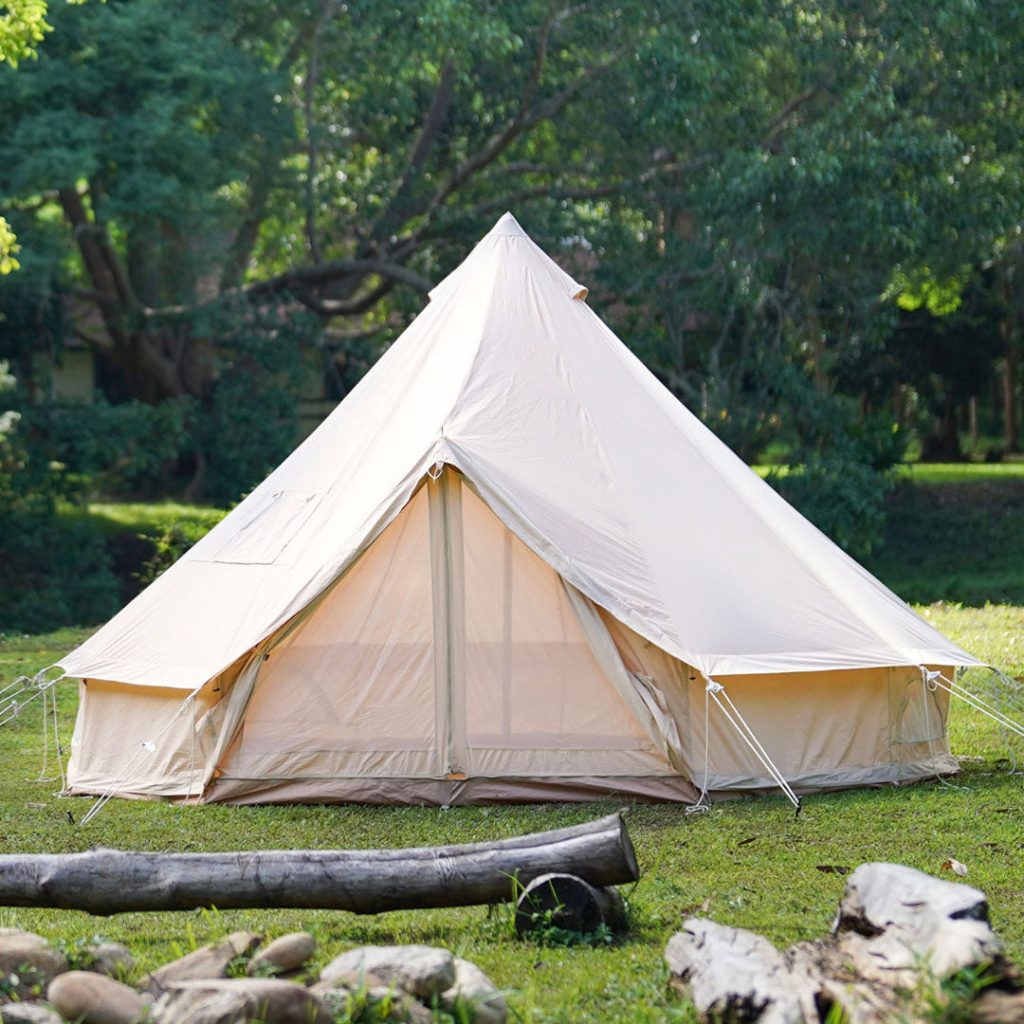
Imagine stepping into your own cozy shelter after a long day outdoors. A pitched tent isn’t just fabric and poles—it’s your personal retreat, your safe space under the open sky.
Whether you’re planning a weekend getaway or a full camping adventure, knowing how to pitch a tent right can make all the difference. You’ll discover simple tips and tricks to set up your tent quickly and securely, so you can focus on what matters most—enjoying nature and creating unforgettable memories.
Ready to master the art of pitching a tent? Let’s dive in.
Credit: trendtents.com
Choosing The Right Tent
Picking the right pitched tent makes your camping trip better. You should think about the type, size, and material of the tent.
These factors help you stay safe and comfortable outdoors. Learn about what to look for in a pitched tent.
Types Of Pitched Tents
Pitched tents come in many styles. Each style suits different camping needs and weather conditions.
- A-frame tents: Simple design, easy to set up.
- Dome tents: Rounded shape, good wind resistance.
- Cabin tents: More space, good for families.
- Tarp tents: Lightweight and flexible for backpacking.
Materials And Durability
Tent materials affect how long your tent lasts and how well it protects you. Common fabrics include polyester and nylon.
| Material | Strength | Water Resistance | Weight |
| Polyester | High | Good | Moderate |
| Nylon | Moderate | Excellent | Light |
| Canvas | Very High | Good | Heavy |
Size And Capacity
Choose a tent size that fits the number of people and gear. A tent too small feels cramped, too big is harder to carry.
- Check the tent’s capacity rating (2-person, 4-person, etc.).
- Think about extra space for bags and comfort.
- Consider the tent’s packed size and weight for transport.
Essential Tent Accessories
A pitched tent needs more than just the fabric and frame. Accessories help keep it safe and comfortable. They make your camping experience better and easier.
These accessories protect your tent from weather and damage. They also help set up and fix your tent fast. Here are the key accessories to have.
Tent Stakes And Poles
Tent stakes hold your tent firmly to the ground. Poles give your tent its shape and support. Both are very important for a safe setup.
Choose strong stakes for hard or soft soil. Poles should be light but tough, often made from aluminum or fiberglass.
- Use metal stakes for rocky ground
- Plastic stakes work well in soft soil
- Check poles for cracks before use
- Bring extra poles for repairs
Rainfly And Footprint
A rainfly is a cover that protects your tent from rain and wind. It keeps the tent dry inside. A footprint is a groundsheet that protects the tent floor.
Use a footprint to stop tears and dirt. The rainfly adds extra weather protection. Both help your tent last longer and stay clean.
- Choose a rainfly that fits your tent size
- Use a footprint to prevent ground moisture
- Set up rainfly before rain starts
- Clean footprint after every use
Repair Kits And Tools
Repair kits help fix small tears or broken parts fast. Tools like multi-tools and patches keep your tent usable in the wild.
Always carry a repair kit with patches, glue, extra stakes, and pole splints. This kit helps you fix problems on the spot.
- Include waterproof patches and strong glue
- Bring a multi-tool for various fixes
- Carry spare stakes and pole sections
- Learn simple repairs before camping
Setting Up Your Tent
Setting up a pitched tent is an important skill for any camper. It creates a safe and comfortable shelter for your outdoor stay.
Knowing how to select a good spot and properly pitch your tent helps protect you from weather and insects.
Selecting The Campsite
Pick a flat area to place your tent. Avoid places with rocks or roots that can make sleeping uncomfortable.
Look for spots with natural wind protection like trees or bushes. Stay away from low areas where water can collect.
- Choose level ground without sharp objects
- Avoid low spots that flood after rain
- Find shelter from strong winds
- Check for overhead hazards like dead branches
Pitching Techniques
Start by laying out the tent footprint or groundsheet. This protects the tent floor from dirt and moisture.
Assemble the tent poles and insert them into the tent’s sleeves or clips. Raise the tent slowly to keep it balanced.
- Spread the tent base flat on the ground
- Connect and insert poles carefully
- Raise the tent evenly to avoid stress
- Attach rainfly or cover last
Securing The Tent
Use stakes to anchor the tent corners firmly into the ground. This keeps the tent stable in wind or rain.
Tighten all guy lines to add extra support. Check that the tent fabric is taut but not stretched too much.
- Drive stakes at a 45-degree angle away from tent
- Tighten guy lines evenly around the tent
- Adjust tension if tent fabric sags
- Double-check all attachments before bad weather

Credit: stouttent.com
Maintaining Your Tent
Keeping your pitched tent in good shape helps it last longer. Regular care stops damage and keeps it clean.
Follow simple tips to clean, store, and protect your tent. These steps make camping easier and safer.
Cleaning Tips
Clean your tent after every use. Dirt and moisture can cause mold and wear on the fabric.
- Use a soft brush to remove loose dirt
- Wipe with a damp cloth and mild soap
- Rinse with clean water to remove soap
- Never use harsh chemicals or bleach
- Let the tent dry completely before storing
Storage Advice
Store your tent in a cool, dry place to keep it safe. Avoid places with direct sunlight or moisture.
Keep your tent loosely packed. Tight packing can damage the fabric and poles over time.
- Store in a breathable bag, not plastic
- Keep away from sharp objects or pests
- Check the tent for moisture before storing
- Air it out occasionally if stored long-term
Preventing Damage
Protect your tent by handling it gently. Set it up on smooth ground without rocks or sticks.
Use a groundsheet or footprint under your tent to stop tears and dirt. Avoid pulling on tent poles too hard.
- Check poles and stakes for damage before use
- Repair small tears quickly with patch kits
- Keep zippers clean and free of dirt
- Do not expose your tent to open flames
Safety Tips For Tent Camping
Tent camping is a great way to enjoy nature. Staying safe makes your trip better.
Follow simple safety tips for weather, wildlife, and fire to protect yourself.
Weather Precautions
Check the weather forecast before you go camping. Dress in layers to stay warm or cool. Use a waterproof tent to stay dry during rain.
- Pack rain gear and extra clothes
- Set up your tent on high ground
- Avoid camping under dead trees
- Secure your tent to withstand wind
- Have an emergency plan for storms
Wildlife Awareness
Animals live near camping areas. Keep food sealed and away from your tent. Do not feed or approach wild animals.
| Animal | Safety Tip |
| Bears | Store food in bear-proof containers |
| Snakes | Watch where you step and use a flashlight |
| Insects | Use insect repellent and wear long sleeves |
Fire Safety
Campfires are fun but can be dangerous. Always build your fire in a safe area. Keep water nearby to put out the fire.
- Clear dry leaves and twigs from the fire spot
- Never leave the fire unattended
- Extinguish the fire completely before sleeping or leaving
- Follow local fire rules and bans

Credit: www.amazon.ca
Enhancing Your Camping Experience
A pitched tent creates a cozy space for your camping trips. It keeps you protected from the weather and insects.
Setting up your tent well can improve comfort and organization. This helps you enjoy nature without stress.
Comfort And Organization
A tidy tent makes your stay more comfortable. Use storage pockets and gear lofts to keep things in place.
Choose a flat spot to pitch your tent. Clear rocks and sticks to avoid discomfort while sleeping.
- Use sleeping pads for extra softness
- Keep your sleeping bag dry and clean
- Store small items in hanging organizers
- Arrange gear by frequency of use
Lighting And Ventilation
Good lighting helps you move safely inside your tent at night. Portable lanterns and string lights work well.
Ventilation reduces moisture and keeps air fresh. Open tent windows or vents to improve airflow.
- Use LED lanterns for bright, energy-saving light
- Keep vents open to prevent condensation
- Use mesh screens to block bugs but allow air
Camping Gear Essentials
Bring essential gear to make camping easier. Basic tools keep you prepared for different situations.
Organize your gear so you can find items quickly. Use labeled bags or containers inside your tent.
- Durable sleeping bag suited for the weather
- Portable stove for cooking meals
- Water container to stay hydrated
- First aid kit for emergencies
- Multi-tool for repairs and tasks
Frequently Asked Questions
What Is A Pitched Tent In Camping?
A pitched tent is a tent that is fully set up and secured. It provides shelter and protection from weather. Pitching involves staking, pole assembly, and tensioning. It ensures stability, comfort, and safety during camping trips.
How Do You Pitch A Tent Properly?
To pitch a tent properly, choose flat ground and clear debris. Lay out the tent, assemble poles, and insert them. Stake the corners tightly and secure guy lines. This process keeps the tent stable and weather-resistant.
Why Is Pitching A Tent Important?
Pitching a tent is important for safety and comfort. A well-pitched tent protects from rain, wind, and insects. It also prevents damage to the tent fabric and poles. Proper pitching extends the tent’s lifespan and improves the camping experience.
What Tools Are Needed To Pitch A Tent?
Basic tools to pitch a tent include stakes, poles, and a mallet. Some tents come with all necessary equipment. A ground tarp and guy lines can enhance stability. These tools help secure the tent efficiently and safely.
Conclusion
A pitched tent offers shelter and comfort outdoors. It keeps you safe from wind and rain. Setting it up is simple with practice. A good tent makes camping more fun. Choose the right spot for pitching your tent. Check the weather to stay prepared.
Enjoy nature while resting inside your tent. Camping becomes easier with a sturdy shelter. A pitched tent helps you connect with nature. Try it once and feel the difference.