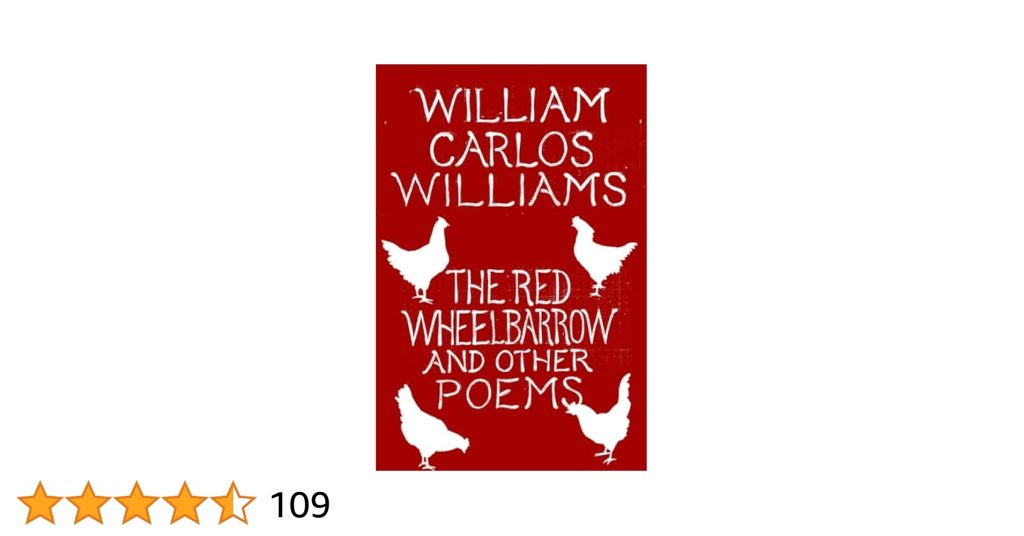
Have you ever stopped to think about the simple things around you and how much they matter? Take a red wheelbarrow, for example.
It might seem ordinary at first glance, but it holds a surprising power to change how you see everyday life. You’ll discover why this humble tool has captured the attention of many and how it can inspire you to appreciate the little things that often go unnoticed.
Keep reading—you might find a fresh perspective that sticks with you long after.

Credit: www.youtube.com
William Carlos Williams: Poet And Physician
William Carlos Williams was an American poet and a doctor. He wrote simple poems about everyday things.
His poem “The Red Wheelbarrow” is one of his most famous works. It shows how small things can be important.
William Carlos Williams’ Life As A Physician
Williams worked as a general doctor in New Jersey. He helped many people in his community.
His medical work gave him ideas for his poetry. He saw life and nature up close every day.
His Poetry Style And Themes
Williams used short lines and simple words. He wanted poetry to be clear and easy to read.
He often wrote about common objects and moments. His poems show beauty in the ordinary.
The Meaning Of “the Red Wheelbarrow”
“The Red Wheelbarrow” is a very short poem. It shows how small things are important in life.
The poem describes a red wheelbarrow and white chickens. These simple images create a strong feeling.
- Focus on simple, everyday objects
- Use of clear, direct language
- Suggests deep meaning in small details

Credit: www.shutterstock.com
Historical Context Of The Poem
“The Red Wheelbarrow” is a short poem written by William Carlos Williams. It was first published in 1923.
The poem is part of the Imagist movement in poetry. This movement focused on clear, simple images and language.
Imagism started in the early 1900s. Poets wanted to use precise and clear words.
They avoided long descriptions and focused on strong pictures. “The Red Wheelbarrow” shows this style well.
- Clear and simple language
- Focus on images
- No extra words
William Carlos Williams’ Background
Williams was an American poet and doctor. He wrote poems about everyday life and objects.
He wanted to show beauty in common things, like a wheelbarrow. His work helped change modern poetry.
The Poem’s Time Period
The poem was written after World War I. Many artists wanted to find new ways to express ideas.
People looked for meaning in simple, everyday moments. This poem reflects that search for new meaning.
The Imagist Movement
The Imagist Movement was a short but important poetry style. It began in the early 1900s. Imagist poets focused on clear, sharp images and simple language.
They avoided long descriptions and flowery words. Instead, they aimed to show a moment or object as it truly is. This helped readers see new details in everyday things.
Background Of Imagism
Imagism started with poets like Ezra Pound and H.D. They wanted to break from old, traditional poetry styles. They felt poetry should be direct and clear.
The movement was influenced by Japanese haiku and classical Chinese poetry. These forms use few words but strong images. Imagists took this idea to create sharp, vivid poems.
Key Principles Of Imagism
- Use clear, precise language
- Focus on a single image or moment
- Keep poems short and free of unnecessary words
- Use rhythm that comes naturally, not forced
- Avoid abstract ideas and emotions
The Poem “a Red Wheelbarrow”
“A Red Wheelbarrow” by William Carlos Williams is a famous Imagist poem. It shows a simple scene with clear images. The poem uses few words but creates strong pictures.
This poem shows how small things can have big meaning. The clear images make readers focus on the moment and feel its importance.
Imagism’s Impact On Poetry
Imagism changed how poets wrote in the 20th century. It encouraged poets to use simple words and clear pictures. This made poetry easier to understand and more vivid.
| Before Imagism | After Imagism |
| Long, flowery lines | Short, sharp lines |
| Abstract ideas | Concrete images |
| Complex rhythms | Natural rhythms |
| Emotional description | Direct presentation |

Credit: www.shutterstock.com
Imagery In ‘a Red Wheelbarrow’
The poem “A Red Wheelbarrow” by William Carlos Williams uses simple imagery. The images create strong pictures in the reader’s mind.
The poet focuses on everyday objects to show their importance. These images help readers see beauty in small things.
Visual Elements
The poem highlights clear, bright colors and simple shapes. The red wheelbarrow stands out because of its color.
The white chickens next to the wheelbarrow add contrast. These visual details make the scene easy to picture.
- Red wheelbarrow: bright and bold
- White chickens: soft and pure
- Glazed rain: shiny and fresh
- Simple objects in a farm setting
Sensory Experience
The poem also creates a feeling through senses. Readers can imagine how the objects might feel or look after rain.
The phrase “glazed with rain” suggests wetness and smoothness. This sensory detail helps readers connect with the scene.
- Sight: bright colors and wet surfaces
- Touch: smooth, wet rain on objects
- Feeling: calm and quiet farm mood
Symbolism Of The Red Wheelbarrow
The red wheelbarrow is a simple image that holds deep meaning. It shows how small things can be very important.
This symbol connects to ideas about life, work, and emotions. It helps us see beauty in everyday objects.
Color Red: Passion And Vitality
The color red often stands for strong feelings like passion and energy. It can make us feel alive and excited.
In the red wheelbarrow, red shows the power behind simple things. It brings attention and life to the object.
- Red is linked to love and courage
- Red grabs our attention quickly
- Red gives the wheelbarrow a lively presence
The Wheelbarrow: Labor And Simplicity
The wheelbarrow is a tool used for work and carrying loads. It represents hard work and simple life.
This object shows how small tools help us every day. It reminds us to value the humble things in life.
- Wheelbarrow stands for manual labor
- It symbolizes practical and simple living
- It connects to rural and everyday work
Interpreting The Glazed Rainwater
The poem “The Red Wheelbarrow” by William Carlos Williams is known for its simple but deep imagery. One key image is the glazed rainwater on the wheelbarrow.
This rainwater shows more than just wetness. It helps us understand the poem’s meaning and mood.
Symbol Of Life’s Small Details
The glazed rainwater highlights small parts of life. These small things often go unnoticed but are very important.
The rainwater makes the wheelbarrow look fresh and alive. It shows how simple things can be beautiful.
Connection To Nature
The rainwater links the wheelbarrow to nature. It shows how the object depends on the weather and environment.
This connection reminds readers that humans and nature are closely tied together in everyday life.
Symbol Of Care And Use
The rainwater glaze suggests the wheelbarrow is used and cared for. It is not just an object but part of daily work.
This image shows respect for tools and the work done with them, giving the poem a sense of purpose.
The Role Of Chickens In The Poem
The poem “The Red Wheelbarrow” is simple but deep. It talks about small things that seem ordinary but are very important.
Chickens play a subtle yet key role in the poem. They add meaning and help us see the scene better.
Chickens As A Symbol Of Everyday Life
Chickens in the poem show normal life and daily routine. They are common animals on farms and remind us of simple living.
The poem suggests that small, usual things like chickens have value and beauty.
How Chickens Affect The Poem’s Mood
The presence of chickens creates a calm, peaceful feeling in the poem. They help paint a quiet farm scene.
This peaceful mood invites readers to slow down and notice simple things.
Chickens And Their Connection To The Red Wheelbarrow
The red wheelbarrow and the white chickens are linked in the poem. Their colors stand out and create a clear picture.
- Red wheelbarrow shows human work and care
- White chickens show life and nature
- Both together show a balance of work and nature
Visual Impact Of Chickens In The Poem
| Element | Color | Meaning |
| Wheelbarrow | Red | Human effort and tools |
| Chickens | White | Life, purity, nature |
| Rainwater | Clear | Life-giving, renewal |
Themes Of Minimalism And Essentialism
The poem “The Red Wheelbarrow” shows how less can be more. It uses simple words and images to tell a story.
Minimalism and essentialism focus on what really matters. This poem is a good example of both ideas.
Simplicity In Language
The poem uses very few words. Each word is important and adds meaning.
There are no extra details. This helps readers think about the image and its meaning clearly.
- Short lines
- Clear, simple words
- No complicated phrases
Focus On Essential Elements
The poem shows only a few things: a wheelbarrow, rain, and white chickens. These are the key parts.
By focusing on these few objects, the poem highlights their importance and beauty.
- Red wheelbarrow
- White chickens
- Rain-soaked ground
Visual And Emotional Impact
The simple image creates a strong feeling. Readers imagine the scene easily.
This shows how minimal details can bring deep emotions and clear pictures.
- Clear image in mind
- Strong emotional effect
- Focus on small but important things
Impact On Modern Poetry
“The Red Wheelbarrow” by William Carlos Williams changed how poets write today.
Its simple words and clear images show poetry can be short and strong.
Use Of Everyday Language
Williams used plain words from daily life. This made poetry easy to read.
Many modern poets follow this style to connect with more people.
Focus On Imagery
The poem shows how small images can hold big meanings.
It taught poets to focus on clear pictures, not just fancy words.
Influence On Poetic Structure
“The Red Wheelbarrow” uses short lines and simple form. This breaks old rules.
- Poets use free verse instead of strict rhyme.
- They write shorter lines to keep poems clear and direct.
- They focus on each word’s power and place.
Table Of Key Features
| Feature | Description |
| Language | Simple and everyday words |
| Imagery | Clear, small images with deep meaning |
| Structure | Short lines, no strict rules |
| Effect | Easy to read, strong emotion |
Personal Reflection And Analysis
William Carlos Williams’ poem “The Red Wheelbarrow” is simple but deep. It makes me think about how small things matter a lot in life.
The poem uses few words but creates strong images. It shows how ordinary objects can be very important.
The Power Of Simplicity
The poem is very short and clear. It shows that simple words can have big meaning. This makes me appreciate things I often ignore.
It reminds me to slow down and notice small details around me. These details shape my daily life.
Imagery And Visual Impact
The poem paints a clear picture of a red wheelbarrow and white chickens. This image feels real and close to nature.
It makes me think about how nature and simple tools work together. The colors red and white stand out and feel important.
Meaning Beyond The Object
The wheelbarrow is not just a tool. It can mean hard work, care, and connection to the earth. It shows how much we depend on small things.
This makes me reflect on my own life and the little things I use every day. Each thing has a story or a purpose.
The Importance Of Context
The poem says the wheelbarrow is “glazed with rain.” This detail adds life to the image. It shows a moment in time that feels fresh and calm.
This helps me see how context changes how we feel about an object. It shows beauty in everyday moments.
Frequently Asked Questions
What Is The Meaning Of “a Red Wheelbarrow”?
“A Red Wheelbarrow” is a poem by William Carlos Williams. It highlights the importance of simple, everyday objects. The poem emphasizes how ordinary things can hold deep meaning in life and art.
Who Wrote The Poem “a Red Wheelbarrow”?
The poem was written by William Carlos Williams, an influential American poet. He is known for his clear, concise language and focus on ordinary subjects. This poem exemplifies his style and poetic philosophy.
Why Is “a Red Wheelbarrow” Considered Important?
The poem is important for its minimalistic style and vivid imagery. It shows how simplicity can evoke strong emotions and meaning. It also influenced modern poetry by breaking traditional forms and themes.
How Does “a Red Wheelbarrow” Relate To Imagery?
The poem uses visual imagery to create a strong mental picture. The red wheelbarrow and white chickens symbolize everyday beauty. This imagery helps readers connect emotionally with the scene.
Conclusion
The red wheelbarrow shows how small things matter. It reminds us to see beauty in simple moments. Each part of the wheelbarrow has meaning. This poem teaches us to slow down and notice. Words can paint clear pictures in our minds.
Such poems stay with us long after reading. They help us appreciate life’s quiet details. Keep this thought with you every day. Small things often hold great importance.