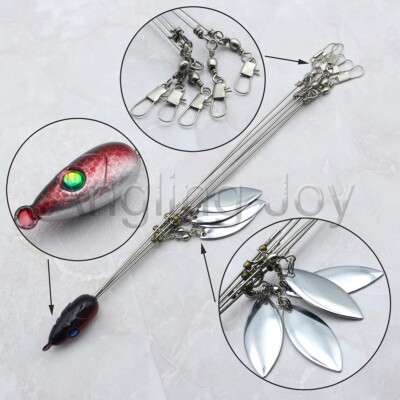
If you want to catch more fish, choosing the right lure is a game changer. A rig fishing lure can make all the difference between an empty line and a successful day on the water.
You might think all lures are the same, but the truth is, the way a lure moves and feels underwater can trigger strikes from even the wariest fish. You’ll discover what makes a rig fishing lure special and how using the right one can boost your fishing success.
Ready to learn the secrets that can turn your next fishing trip into a memorable catch? Keep reading—you won’t want to miss this.
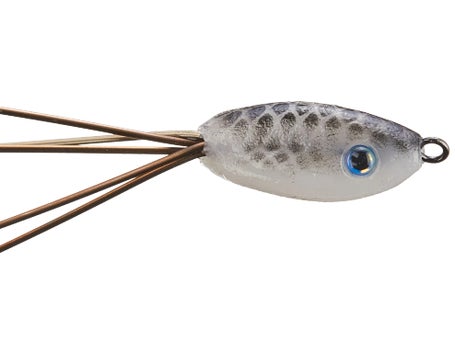
Credit: www.tacklewarehouse.com
Types Of Rig Fishing Lures
Rig fishing lures come in many types. Each lure works best in different fishing spots. Choosing the right lure helps catch more fish.
Understanding the types of rig fishing lures will improve your fishing experience. Let’s explore some popular types used by anglers.
Soft Plastic Lures
Soft plastic lures look and move like real fish or worms. They are flexible and come in many shapes and colors. These lures are great for attracting bass and other freshwater fish.
Hard Baits
Hard baits are made of solid materials like plastic or wood. They often have a shiny finish and can dive or float. Hard baits imitate small fish or insects and are good for many fishing conditions.
Jigs And Flies
Jigs have a weighted head with a hook and soft or feathered body. Flies are lightweight lures made with feathers and thread. Both work well for trout and other species that feed near the surface or bottom.
- Jigs can be bounced on the bottom to attract fish.
- Flies mimic insects on water surfaces.
- Both types require different fishing rods and techniques.
Spinnerbaits And Spoons
Spinnerbaits have spinning blades that flash and create vibration. Spoons are curved metal lures that wobble and shine in water. These lures attract fish by movement and light reflection.
| Type | Material | Action in Water | Best For |
| Spinnerbaits | Metal and plastic | Flash and vibration | Bass, Pike |
| Spoons | Metal | Wobble and shine | Trout, Salmon |
Choosing The Right Lure
Picking the right fishing lure is key to catching fish. Different lures work better for certain fish and conditions.
Knowing how to match your lure helps you fish smarter. It saves time and increases your chances of a catch.
Matching Lure To Fish Species
Each fish species has unique feeding habits. Choose lures that look like their natural prey to attract them.
For example, bass prefer bigger, colorful lures. Trout like smaller, shiny lures that mimic insects.
- Bass: spinnerbaits, plastic worms
- Trout: small spoons, flies
- Pike: large crankbaits, spoons
- Walleye: jigs, minnows
Considering Water Conditions
Water clarity and depth affect lure choice. Bright lures work well in clear water, dull colors in murky water.
Use heavy lures for deep water. Light lures are better for shallow spots and fast casts.
- Clear water: natural colors, subtle action
- Murky water: bright or dark colors, strong vibrations
- Deep water: heavy, sinking lures
- Shallow water: light, floating lures
Seasonal Lure Selection
Fish behavior changes with seasons. Use lures that match their activity during each season.
In spring, fish eat more small prey. Use small, fast-moving lures. In fall, bigger lures work well.
- Spring: small crankbaits, soft plastics
- Summer: topwater lures, spinnerbaits
- Fall: large jigs, spoons
- Winter: slow-moving jigs, small spoons
Rigging Techniques
Using the right rigging technique helps your fishing lure work best. Different rigs suit different fishing styles and conditions.
Learn how to set up four popular rigs to improve your fishing experience and catch more fish.
Texas Rig Setup
The Texas rig is great for fishing in heavy cover like weeds and brush. It keeps the hook hidden and stops snags.
Use a soft plastic bait threaded onto a hook. Add a bullet-shaped weight in front. The weight slides up and down the line.
- Insert the hook point into the head of the bait
- Push the hook out halfway along the bait
- Slide the bullet weight onto the line before the hook
- Make the bait straight to improve movement
Carolina Rig Setup
The Carolina rig is good for fishing deeper water. It lets the bait move freely behind the weight for a natural look.
Slide a heavy egg sinker onto the line, add a bead, and tie on a swivel. Attach a leader line with a hook and bait at the end.
- Place the sinker first on the main line
- Add a plastic or glass bead after the sinker
- Tie a swivel after the bead
- Attach a 12-24 inch leader to the swivel
- Hook your bait on the leader’s end
Drop Shot Rig
The drop shot rig works well for finesse fishing. The bait floats above the bottom, attracting fish without spooking them.
Tie a hook in the middle of the line, leaving a tag end. Attach a weight to the tag end at the bottom. Hook the bait lightly.
- Tie a Palomar knot about 12 inches from the line end
- Attach the hook so it faces upward
- Hook soft plastic bait through the nose or lips
- Attach a weight to the line’s end below the hook
Wacky Rig
The wacky rig is simple and effective for slow, natural action. It works great with soft stick baits.
Hook the bait through the middle. This makes both ends wiggle freely and looks like injured prey.
- Use an extra-wide gap hook
- Insert the hook through the middle of the bait
- Let both ends of the bait hang freely
- Use a small weight if needed to reach depth
Tips To Improve Lure Presentation
Presenting your rig fishing lure well can increase your chances of catching fish. Small changes in how you cast, retrieve, and move the lure can make a big difference.
Try these tips to make your lure look more natural and attractive to fish.
Casting Accuracy
Accurate casting places the lure where fish are likely hiding. Aim for spots near structures, weeds, or shadows. Avoid loud splashes that scare fish away.
- Practice short, controlled casts
- Use landmarks to guide your cast
- Adjust your angle to avoid snagging
- Watch the water for fish movement before casting
Retrieval Speed And Style
Changing how fast and in what way you pull the lure can trigger fish to strike. Try different speeds and pauses to see what works best.
| Retrieval Style | When to Use | Effect on Fish |
| Slow and steady | Cold water or inactive fish | Looks like a slow prey |
| Fast and jerky | Warm water or active fish | Triggers reaction strikes |
| Stop and go | Any time for variety | Mimics injured prey |
Using Natural Movements
Make your lure move like real bait. Fish notice unnatural motions and may ignore the lure.
- Use rod twitches to mimic small fish swimming
- Let the lure drift with the current sometimes
- Match the movement speed to local baitfish
- Avoid sharp, unnatural jerks unless targeting aggressive fish
Common Mistakes To Avoid
Using a rig fishing lure can be fun and effective. Still, some mistakes can stop you from catching fish.
Knowing what to avoid will help you improve your fishing skills and enjoy your time on the water.
Overusing One Lure
Using the same lure all the time makes fish less interested. They get used to it and avoid it.
Try changing lures to match the fish’s mood and weather conditions. This keeps fish curious and ready to bite.
- Switch colors if fish do not bite
- Use different lure sizes for variety
- Change lure type to match water conditions
Ignoring Water Depth
Fishing at the wrong depth means fish may not see your lure. Different fish swim at different depths.
Adjust your lure depth to where fish are feeding. Use weights or floats to reach the right level.
- Use a sinker to fish deeper waters
- Try floating lures for shallow water
- Observe fish behavior to find the right depth
Poor Knot Tying
A weak knot can cause you to lose fish easily. Take time to tie strong and neat knots.
Practice knots like the improved clinch knot or Palomar knot. These hold well and are easy to learn.
- Wet the line before tightening knots
- Trim excess line to avoid tangles
- Check knots regularly during fishing
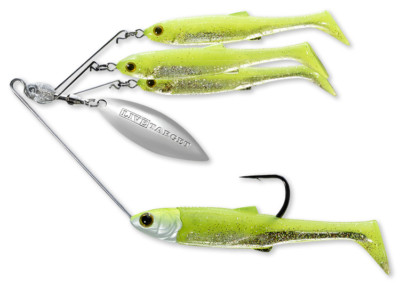
Credit: www.ebay.com
Maintenance And Care
Keeping your rig fishing lure in good shape helps it work better. Regular care extends its life and keeps it ready for your next fishing trip.
Simple steps like cleaning, storing, and replacing parts keep your lure effective and safe to use.
Cleaning Lures
After fishing, rinse your lure with fresh water to remove dirt and salt. This prevents rust and damage.
- Use a soft brush to clean tight spots
- Dry the lure completely before storing
- Check for any cracks or damage during cleaning
Storing Properly
Store your lures in a dry and cool place. Avoid leaving them in direct sunlight or damp areas.
| Storage Tip | Reason |
| Use a tackle box with compartments | Keeps lures organized and prevents tangling |
| Keep away from moisture | Prevents rust and mold |
| Store separately by type | Protects paint and finishes |
Replacing Hooks And Components
Check hooks and other parts often. Replace any that are dull or rusty to keep your lure working well.
- Use pliers to remove old hooks safely
- Choose hooks that match your lure size
- Secure new hooks tightly to avoid loss
- Inspect split rings and swivels; replace if worn
Advanced Strategies
Using a rig fishing lure needs more than just casting and reeling. You can improve your catch rate by applying smart strategies. These tactics help you find fish and adjust to changing conditions.
Try different ways to fish with your rig lure. This will give you an edge on the water and help you catch more fish consistently.
Using Electronics To Locate Fish
Fish finders and sonar devices show where fish are hiding. These tools help you see underwater structures and fish movements.
By reading the screen, you can place your rig lure near fish schools. This saves time and increases your chances to catch fish.
- Use sonar to find fish depth and location
- Scan for underwater cover like rocks or weeds
- Adjust lure depth based on fish position
- Mark spots where fish gather often
Adapting To Weather Changes
Weather affects fish behavior and water conditions. Changing your fishing tactics with the weather can help you catch more fish.
On sunny days, fish may stay deeper. On cloudy days, they may come closer to the surface. Adjust your lure speed and depth to match these changes.
- Slow down lure retrieval on bright days
- Try faster lure action during overcast conditions
- Use heavier rigs in windy weather for control
- Fish near shore when the temperature changes quickly
Combining Multiple Lures
Using more than one lure on your rig can attract different fish types. It also increases your chance to get a bite.
You can attach a smaller lure with your main rig lure to add extra movement and color. This can trick fish into striking.
- Pair a soft plastic lure with a hard bait
- Use bright colors with natural shades together
- Try different lure sizes on one rig
- Keep lures moving at different speeds for variety

Credit: www.browndogtackleco.com
Frequently Asked Questions
What Is A Rig Fishing Lure Used For?
A rig fishing lure is designed to attract fish by mimicking prey. It improves catch rates by adding movement and realism to your bait setup.
How Do I Choose The Right Rig Fishing Lure?
Select a rig fishing lure based on target fish species, water conditions, and bait type. Match colors and sizes to local prey for best results.
Can Rig Fishing Lures Improve Fishing Success?
Yes, rig fishing lures increase success by enhancing bait presentation. They create lifelike action that entices fish to strike more often.
What Materials Are Rig Fishing Lures Made From?
Rig fishing lures are commonly made from plastic, rubber, silicone, and metal. These materials provide durability and realistic movement in water.
Conclusion
Exploring rig fishing lures can boost your fishing success. Simple yet effective. Choosing the right lure makes a big difference. Fish respond better to well-selected lures. Practice and patience are key. Experiment with different types and techniques. Enjoy the process.
Each fishing trip offers learning opportunities. Rig fishing lures serve both beginners and experienced anglers. They enhance the fishing experience. Happy fishing with your rig lures!