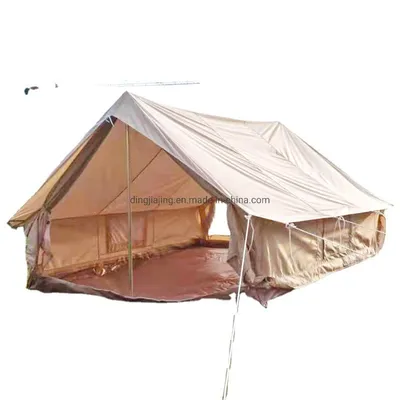
Have you ever wondered what makes a tent house so special? What exactly is it made of that keeps you safe, cozy, and connected to nature?
Whether you’re planning a camping trip or curious about alternative living spaces, understanding the materials behind a tent house can change the way you see this simple shelter. You’ll discover the key components that build a tent house, why they matter, and how they work together to create comfort wherever you go.
Keep reading to unlock the secrets behind your perfect outdoor refuge.
Frame Materials
A tent’s frame is the skeleton that holds the fabric up. It needs to be strong and light.
Different materials offer different strengths and weights. Choosing the right frame helps in setup and durability.
Aluminum Frames
Aluminum frames are light and strong. They resist rust and last a long time in wet conditions.
These frames are easy to carry and good for camping trips. They bend but do not break easily.
- Lightweight for easy transport
- Resistant to rust and corrosion
- Flexible but strong under pressure
Steel Frames
Steel frames are heavier but very strong. They hold up well in strong wind and bad weather.
Steel can rust if not coated, so it needs care. It is best for tents that stay in one place.
- Very strong and sturdy
- Heavier to carry
- Needs protection from rust
Fiberglass Poles
Fiberglass poles are flexible and lightweight. They bend easily and snap back to shape.
They are less strong than metal but cost less. Fiberglass is a good choice for small tents.
- Flexible and lightweight
- Less durable than metal
- Affordable for budget tents

Credit: bestmilitarytent.en.made-in-china.com
Fabric Types
Tent houses use different fabrics to keep you safe and dry. The fabric must be strong and weather-resistant.
Three common fabrics are canvas, polyester, and nylon. Each has unique features for camping tents.
Canvas Fabric
Canvas is a heavy, woven fabric made from cotton or linen. It is strong and very durable for tents.
This fabric is breathable and keeps tents cool in summer. It also protects well against rain when treated.
- Very durable and long-lasting
- Breathable for better airflow
- Water-resistant with treatment
- Heavy and can be bulky
Polyester Fabric
Polyester is a synthetic fabric that is light and strong. It resists stretching and shrinking in wet weather.
This fabric dries fast and is less likely to fade in sunlight. It is popular for modern tents.
- Lightweight and easy to carry
- Water-resistant and quick drying
- Resists UV damage and fading
- Strong and resists stretching
Nylon Fabric
Nylon is a very light synthetic fabric. It is strong and stretches less than polyester.
Nylon tents dry quickly and resist tears well. They are common in backpacking tents due to low weight.
- Very lightweight for easy transport
- Strong and tear-resistant
- Dries quickly after rain
- Needs waterproof coating
Waterproofing And Weather Resistance
A tent house keeps you safe from rain and wind. Its materials are strong and keep you dry.
Understanding waterproofing and weather resistance helps in choosing the right tent. Let’s explore key features.
Waterproof Coatings
Waterproof coatings stop water from seeping into the tent. These coatings are applied to the fabric to create a barrier.
Materials like polyester and nylon often have these coatings. They ensure you stay dry during rainstorms.
- Polyurethane coating is common
- Silicone coatings offer extra protection
- Check the waterproof rating before buying
Uv Protection
UV protection is important for sunny days. It prevents the tent fabric from weakening over time.
Fabrics with UV-resistant materials last longer. They keep the inside cool and prevent sun damage.
- Look for UV-resistant labels
- Dark colors often offer better UV protection
- UV protection extends the tent’s life
Wind Resistance
Wind resistance is crucial to prevent the tent from collapsing. Strong frames and proper anchoring help with this.
Choose tents with sturdy poles and secure ropes. These features keep the tent stable during windy conditions.
- Aluminum poles are lightweight and strong
- Guy lines enhance stability
- Proper stakes anchor the tent to the ground

Credit: hengnuo-tents.en.made-in-china.com
Insulation Materials
Tent houses use insulation materials to keep the inside warm or cool. These materials help control temperature and comfort.
Good insulation reduces heat loss in winter and heat gain in summer. It makes living in tents easier in different weather.
Thermal Linings
Thermal linings are soft layers inside tents that trap heat. They stop warm air from escaping and cold air from entering.
These linings often use materials like fleece, foam, or synthetic fabrics. They add comfort and improve heat retention.
- Fleece is light and holds heat well
- Foam provides thick insulation
- Synthetic fabrics resist moisture and dry fast
Reflective Layers
Reflective layers reflect heat back inside the tent. They use shiny surfaces to bounce heat and light.
These layers reduce heat loss and keep the tent warmer. They are thin and easy to add to tent walls or roofs.
- Aluminum foil sheets reflect infrared heat
- Metalized fabrics increase heat reflection
- Reflective layers also block wind and moisture
Flooring Options
Choosing the right flooring makes your tent house more comfortable and safe. It protects you from dirt, moisture, and cold ground. There are several good options to consider for a solid base.
This guide covers heavy-duty tarps, elevated floors, and waterproof mats. Each has strengths for different needs and conditions.
Heavy-duty Tarps
Heavy-duty tarps are strong and durable. They protect the tent floor from water and rough surfaces. They are easy to clean and can be reused many times.
- Made from thick polyethylene or canvas
- Resistant to tears and holes
- Water-resistant to keep moisture out
- Lightweight and easy to fold
- Affordable and widely available
Elevated Floors
Elevated floors lift the tent off the ground. They help keep you dry and protect against insects. These floors often use wood or plastic pallets for support.
| Material | Advantages | Disadvantages |
|---|---|---|
| Wood Pallets | Sturdy and natural look | Can rot if wet too long |
| Plastic Pallets | Waterproof and easy to clean | Less sturdy than wood |
| Metal Frame | Very durable and strong | Heavy and expensive |
Waterproof Mats
Waterproof mats add a soft, water-resistant layer inside the tent. They improve comfort and keep the floor dry. These mats come in foam or rubber types.
- Foam mats provide cushioning for long stays
- Rubber mats offer easy cleaning and durability
- Roll-up designs save space during transport
- Some mats have textured surfaces for grip
Ventilation Features
A tent house needs good airflow to keep the inside fresh and dry. Ventilation helps stop heat and moisture build-up. It makes the tent more comfortable to stay in.
Two key features that help with ventilation are mesh windows and ventilation flaps. They allow air to move freely while keeping bugs out.
Mesh Windows
Mesh windows let air pass through but block insects and debris. They are made from fine netting that keeps the tent safe and airy.
- Improve air circulation inside the tent
- Keep bugs and small animals out
- Allow light to enter without heat buildup
- Easy to open or close as needed
Ventilation Flaps
Ventilation flaps are adjustable openings that control airflow. You can open or close them to let fresh air in or keep cold air out.
| Flap Type | Function |
| Top Flaps | Release hot air rising inside the tent |
| Side Flaps | Bring fresh air from outside |
| Bottom Flaps | Allow cool air to enter near the ground |
Comfort Enhancements
A tent house is designed to offer a cozy and relaxing space. Comfort features inside the tent make it feel like home. These features improve your stay and make camping more enjoyable.
Simple additions can make a big difference in comfort. Soft materials, good lighting, and smart storage all help create a better living area inside the tent.
Padded Interiors
Padded interiors add softness to the tent walls and floor. They keep the space warm and reduce noise from outside. This makes the tent feel safer and more inviting.
Thick padding helps protect against cold ground and hard surfaces. It also cushions movements, so you can rest well without discomfort.
Integrated Lighting
Good lighting inside a tent improves visibility and mood. Integrated lights are built into the tent structure. They provide steady light without needing extra lamps.
Soft LED lights save battery and create a warm atmosphere. Having lights in different spots helps you read, cook, or relax easily.
- Ceiling lights for general illumination
- Side lights near seating or beds
- Adjustable brightness for comfort
Storage Solutions
Storage solutions keep the tent neat and organized. Built-in pockets and shelves hold small items safely. This prevents clutter and saves space.
Easy access storage means you find your things quickly. It also protects items from dirt and damage during your stay.
- Mesh pockets for water bottles and gadgets
- Hanging organizers for clothes and tools
- Under-bed storage for larger gear

Credit: dedaoyoupin.en.made-in-china.com
Frequently Asked Questions
What Materials Are Commonly Used To Make A Tent House?
Tent houses are usually made from durable fabrics like canvas or polyester. Poles made of aluminum or fiberglass support the structure. Waterproof coatings ensure protection against rain and weather elements. These materials make tents lightweight, portable, and weather-resistant for outdoor use.
How Does Canvas Benefit A Tent House?
Canvas is breathable, strong, and water-resistant, making it ideal for tents. It provides natural insulation and durability. Canvas tents can last longer and handle rough weather conditions better than synthetic fabrics. This material ensures comfort and protection inside the tent house.
Why Are Aluminum Poles Preferred For Tent Houses?
Aluminum poles are lightweight, strong, and corrosion-resistant. They offer excellent support while keeping the tent easy to carry. Aluminum poles are flexible enough to withstand wind and pressure without breaking. These features make them popular in modern tent house designs.
Can Tent Houses Be Made From Synthetic Fabrics?
Yes, synthetic fabrics like polyester and nylon are common in tent houses. They are lightweight, quick-drying, and often coated for waterproofing. Synthetic materials resist mildew and UV damage better than natural fabrics. This makes them suitable for various camping conditions.
Conclusion
A tent house is built with strong poles and durable fabric. It offers shelter and protection from weather. People use tents for camping, events, or temporary homes. The materials keep the house lightweight and easy to carry. This simple design meets basic needs for comfort and safety.
Tent houses show how nature and human skill work together. They remind us that shelter can be both practical and flexible. Understanding what a tent house is made of helps appreciate its value. It’s a smart choice for many outdoor adventures.