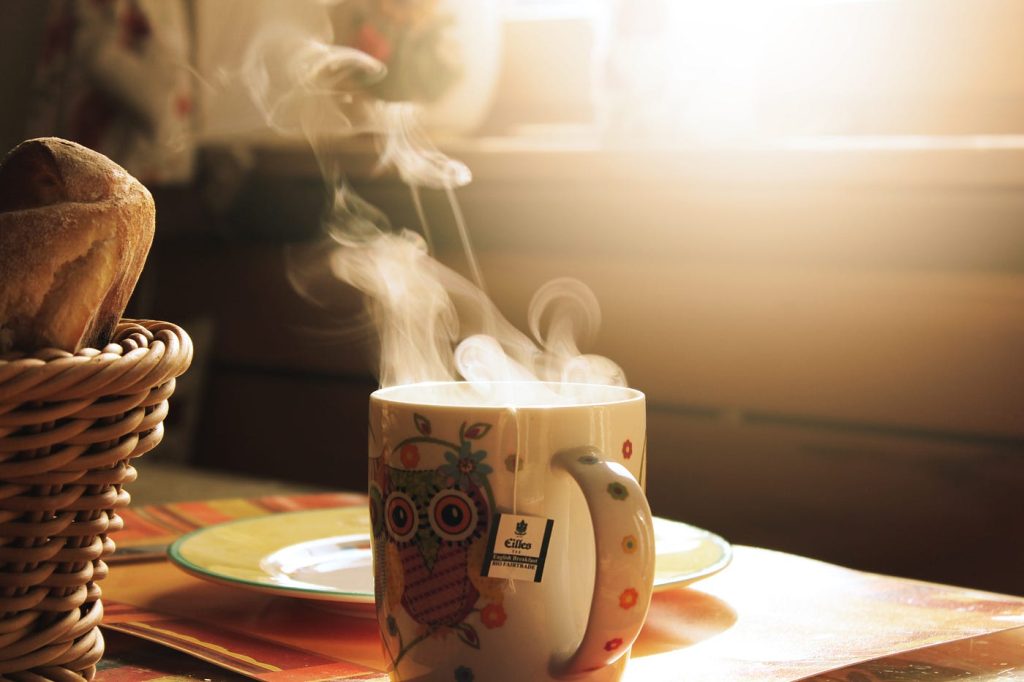
Imagine holding a warm cup of tea in your hands. Feel the gentle heat spread through your fingers.
That simple moment can calm your mind and lift your spirit. Whether you need a break from a busy day or a quiet time to think, tea offers comfort like no other drink. You’ll discover how a warm cup of tea can change your mood, boost your health, and become your favorite daily ritual.
Ready to find out why tea is more than just a drink? Keep reading and let your senses awaken.

Credit: www.dreamstime.com
History Of Tea
Tea is one of the oldest drinks in the world. People have enjoyed it for thousands of years.
This warm drink has a rich story that spans many cultures and centuries. Let us explore its history.
Origins Across Cultures
Tea first appeared in ancient China. It was used for medicine and daily drinking. Other countries soon adopted tea in their own ways.
- China: Tea began as a herbal drink and became a cultural symbol.
- India: Tea plants grew wild and people brewed strong tea.
- Japan: Tea became part of a special ceremony focused on peace.
- Europe: Tea arrived in the 16th century and became a popular social drink.
Evolution Through Time
Tea’s use changed over time. It moved from being rare to widely enjoyed. Many types and styles developed.
| Period | Key Change | Region |
| Ancient Times | Tea used as medicine | China |
| 7th Century | Tea drinking spreads | Asia |
| 1600s | Tea traded to Europe | Europe |
| 1700s | Tea plantations start | India, Sri Lanka |
| Modern Era | Many varieties and flavors | Worldwide |

Credit: www.freepik.com
Types Of Tea
Tea is a popular drink enjoyed all over the world. It comes in many types and flavors.
Each type has a unique taste and health benefit. Let’s explore some common types of tea.
Black Tea Varieties
Black tea is strong and rich in flavor. It is fully fermented and often has a dark color.
- Assam: Bold and malty, from India
- Darjeeling: Light and floral, known as the “Champagne of teas”
- Ceylon: Bright and citrusy, from Sri Lanka
- Keemun: Smooth with hints of fruit and wine
Green And White Teas
Green and white teas are less processed than black tea. They keep more natural antioxidants.
| Type | Flavor | Origin |
| Green Tea | Fresh and grassy | China, Japan |
| Matcha | Rich and creamy | Japan |
| White Tea | Delicate and sweet | China |
| Sencha | Light and vegetal | Japan |
Herbal Infusions
Herbal infusions are made from plants other than tea leaves. They are caffeine-free.
Popular herbal infusions include:
- Chamomile – calming and soothing
- Peppermint – fresh and cooling
- Hibiscus – tart and fruity
- Ginger – spicy and warming
Health Benefits
A warm cup of tea offers many health benefits. It is a simple drink that can help your body in different ways.
Drinking tea regularly supports your immune system, calms your mind, and provides important antioxidants.
Boosting Immunity
Tea contains natural compounds that help fight germs and viruses. These compounds support your immune system to keep you healthy.
Green tea and herbal teas are especially good for boosting immunity. They have vitamins and minerals that strengthen your body’s defenses.
- Helps fight infections
- Supports white blood cells
- Contains vitamin C and antioxidants
Calming Effects
Tea can help reduce stress and relax your mind. The warmth and aroma of tea soothe your senses.
Ingredients like L-theanine in tea promote calmness and improve focus. Drinking tea can be a peaceful moment during a busy day.
- Reduces anxiety
- Improves mental focus
- Promotes relaxation
Antioxidant Properties
Tea is rich in antioxidants that protect your cells from damage. These antioxidants help lower the risk of many diseases.
Different types of tea have unique antioxidants. For example, green tea has catechins, while black tea has theaflavins.
- Fights free radicals
- Supports heart health
- May reduce inflammation
Brewing The Perfect Cup
A warm cup of tea soothes the mind and body. Brewing it well brings out the best flavors.
Simple steps help you enjoy tea just the way you like it. Let’s look at how to brew the perfect cup.
Water Temperature Tips
Water temperature affects tea taste and quality. Use the right heat for each tea type.
- Green tea: Heat water to 160–180°F (70–80°C).
- Black tea: Use boiling water at 212°F (100°C).
- White tea: Keep water between 160–185°F (70–85°C).
- Oolong tea: Heat water to 190–200°F (88–93°C).
- Herbal tea: Boiling water works best at 212°F (100°C).
Steeping Times
| Tea Type | Steeping Time |
| Green Tea | 2 to 3 minutes |
| Black Tea | 3 to 5 minutes |
| White Tea | 4 to 5 minutes |
| Oolong Tea | 3 to 5 minutes |
| Herbal Tea | 5 to 7 minutes |
Watch the time closely. Too long makes tea bitter. Too short keeps it weak.
Choosing The Right Teaware
Pick teaware that keeps tea hot and shows its color. Porcelain, glass, or clay work well.
Good teaware options:
- Porcelain cups keep heat steady.
- Glass pots let you see tea color.
- Clay pots add earth flavor.
- Use a tea strainer for loose leaves.
Tea Rituals Worldwide
Tea is more than a drink. It is part of culture in many countries.
People use tea to relax, celebrate, and connect with others.
Asian Traditions
In Asia, tea holds deep meaning. It often shows respect and peace.
- China has the Gongfu tea ceremony, focusing on skill and patience.
- Japan’s tea ceremony, called Chanoyu, highlights harmony and simplicity.
- In India, chai tea blends spices and milk for a warm flavor.
European Customs
Europeans enjoy tea as a social event. It often comes with sweets.
| Country | Tea Style | Custom |
| United Kingdom | Black tea with milk | Afternoon tea with sandwiches |
| Russia | Strong black tea | Tea served in samovar with jam |
| Portugal | Herbal teas | Tea with pastries in the afternoon |
Modern Tea Culture
Today, tea is popular everywhere. People enjoy many flavors and styles.
Common modern tea trends include:
- Bubble tea from Taiwan with tapioca pearls
- Herbal and wellness teas for health
- Iced tea served cold for refreshment
- Loose leaf teas for fresh taste
Pairing Tea With Food
A warm cup of tea is a perfect companion to many foods. Tea’s flavors can match and enhance what you eat.
Choosing the right tea with food can make your meal more enjoyable. Different teas bring out unique tastes.
Sweet Treats
Sweet treats and tea create a delightful pairing. The natural sweetness of tea can balance sugary desserts.
Light teas go well with mild sweets. Stronger teas match richer, chocolatey flavors.
- Green tea pairs well with fruit tarts
- Black tea complements chocolate cake
- Oolong tea suits nutty cookies
- White tea matches light pastries
Savory Bites
Savory foods bring out the depth in many teas. Tea can cut through salty or rich flavors.
Stronger teas stand up to bold, spicy dishes. Milder teas match delicate, simple snacks.
- Pu-erh tea pairs with roasted meats
- Chai tea goes well with spicy food
- Green tea suits steamed vegetables
- White tea complements light sandwiches
Seasonal Pairings
Different seasons call for different tea and food pairings. Warm teas and hearty foods fit cold months.
Cool teas and fresh foods work well in warm weather. Seasonality adds freshness to your tea experience.
- Winter: Black tea with stews and baked goods
- Spring: Green tea with fresh salads
- Summer: Iced herbal tea with light fruits
- Fall: Oolong tea with pumpkin or apple dishes
Creating Cozy Moments
A warm cup of tea can bring calm and comfort. It helps us slow down and enjoy simple times.
These cozy moments are perfect for rest and connection with ourselves and others.
Tea And Relaxation
Tea has a soothing effect that helps ease stress. The gentle warmth relaxes your body and mind.
- Choose your favorite tea blend
- Find a quiet spot to sit
- Breathe deeply as you sip
- Let the warmth spread through your hands
Mindfulness Practices
Drinking tea can be a mindful act. It invites you to focus on the present moment.
- Notice the color of the tea
- Smell the aroma deeply
- Feel the cup’s warmth in your hands
- Taste each sip slowly
- Observe your thoughts without judgment
Sharing With Loved Ones
Tea time is a chance to connect with friends and family. Sharing tea builds warmth in relationships.
| Activity | Why It Matters |
| Invite a friend for tea | Creates space for honest talks |
| Make tea together | Builds teamwork and fun |
| Share stories over tea | Strengthens emotional bonds |

Credit: www.gettyimages.com
Frequently Asked Questions
What Are The Health Benefits Of Drinking Tea Daily?
Drinking tea daily can boost immunity and improve heart health. It contains antioxidants that reduce inflammation. Tea also enhances mental alertness and aids digestion. Regular tea consumption may lower the risk of chronic diseases like diabetes and cancer.
How To Brew The Perfect Cup Of Tea?
Use fresh, filtered water heated to the right temperature for your tea type. Steep tea leaves for 3-5 minutes to extract flavor without bitterness. Avoid over-steeping and use quality loose leaves or tea bags for best taste.
What Are The Most Popular Types Of Tea Worldwide?
Green, black, oolong, white, and herbal teas are popular globally. Each type differs by processing methods and flavor profiles. Green and black teas are rich in antioxidants, while herbal teas offer soothing, caffeine-free options.
Can Tea Help With Relaxation And Stress Relief?
Yes, tea contains compounds like L-theanine that promote relaxation. Herbal teas such as chamomile and lavender are known for calming effects. Drinking tea can create a mindful moment to reduce stress and improve mood.
Conclusion
A warm cup of tea brings comfort and calm. It helps you relax after a busy day. Sipping tea can create peaceful moments anytime. Different flavors offer a chance to explore tastes. Sharing tea with friends builds good memories. Enjoying tea is simple and soothing.
Try making tea part of your daily routine. Small breaks with tea can boost your mood. A cup of tea is more than a drink—it’s a moment to enjoy.