
Have you ever stopped to think about how a simple tool like a wheelbarrow makes your work so much easier? It’s not just about having a place to carry heavy loads—it’s about how it uses the power of a lever to multiply your strength.
But what class of lever is a wheelbarrow exactly? Understanding this can change the way you see everyday tools and even help you use them more effectively. Keep reading, and you’ll discover the surprising answer behind the wheelbarrow’s clever design.
Lever Classes Basics
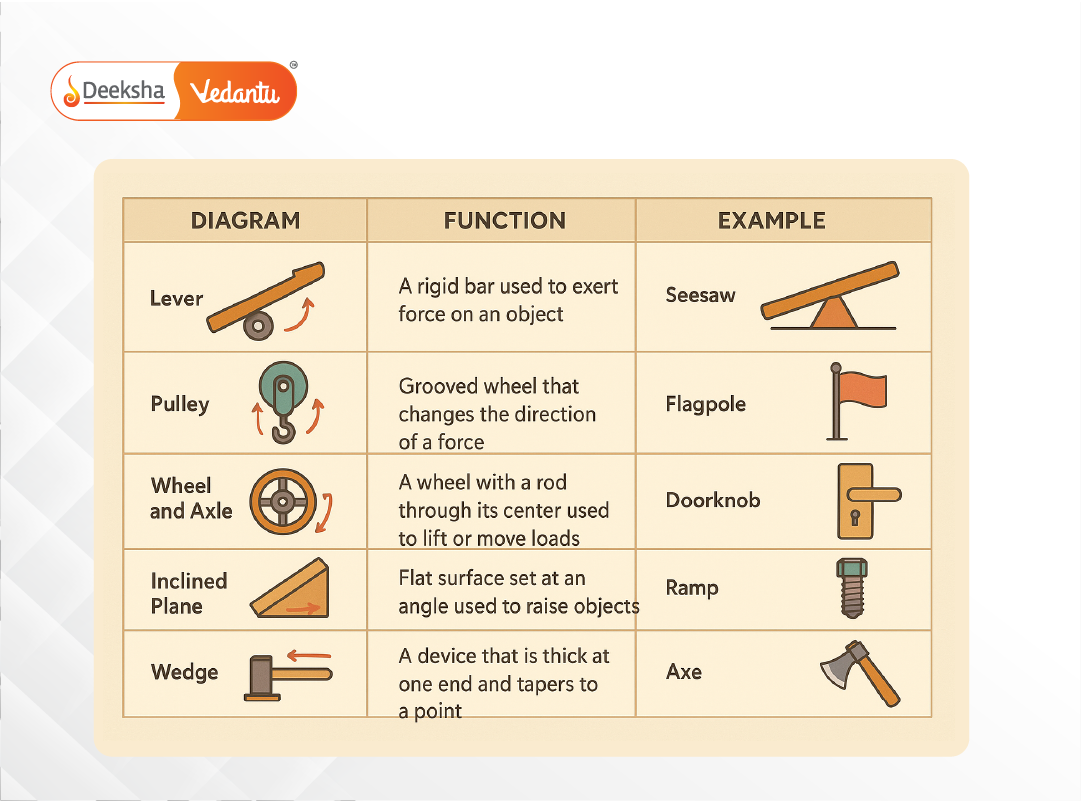
A lever is a simple machine that helps move objects with less effort. It has three parts: the fulcrum, the effort, and the load.
Levers are divided into three classes based on the position of these parts. Each class works differently to make tasks easier.
First Class Levers
In first class levers, the fulcrum is between the effort and the load. This setup can change the direction of the force.
Examples include seesaws and scissors. They can increase force or distance depending on where you place the fulcrum.
- Fulcrum is in the middle
- Effort and load are on opposite ends
- Changes direction of force
Second Class Levers
Second class levers have the load between the fulcrum and the effort. This setup helps lift heavy loads with less effort.
A wheelbarrow is a common example. It allows you to carry heavy things easily by pushing the handles.
- Load is in the middle
- Effort is applied at one end
- Fulcrum is at the opposite end
- Makes lifting easier
Third Class Levers
In third class levers, the effort is between the fulcrum and the load. This setup increases the speed and distance of movement.
Examples include fishing rods and tweezers. They need more effort but give faster or longer motion.
- Effort is in the middle
- Load is at one end
- Fulcrum is at the other end
- Increases speed or distance

Credit: studyx.ai
Wheelbarrow Mechanics
A wheelbarrow is a simple tool used to move heavy loads. It works using the principles of a lever.
This tool helps reduce the effort needed to lift and carry weight by using a wheel and handles.
Parts Of A Wheelbarrow
A wheelbarrow has several main parts that work together. Each part plays a role in its function.
- Tray:Holds the load or materials.
- Wheel:Supports the load and allows movement.
- Handles:Used to lift and steer the wheelbarrow.
- Legs:Keep the wheelbarrow stable when resting.
- Frame:Connects all parts and supports the tray.
How It Works
A wheelbarrow is an example of a second-class lever. The load is between the effort and the fulcrum.
The wheel acts as the fulcrum, the load sits in the tray, and the effort is applied at the handles.
- The wheel reduces friction, making it easier to move heavy loads.
- The handles give you leverage to lift the load with less force.
- The design balances the weight, so you can carry more safely.
Identifying The Lever Class
Levers are simple machines that help us lift and move loads with less effort. They have three main parts: the fulcrum, the load, and the effort. A wheelbarrow is a common example of a lever.
In this article, we will explore which class of lever a wheelbarrow belongs to by examining the position of the fulcrum and the placement of load and effort.
Position Of Fulcrum
The fulcrum is the pivot point of a lever. In a wheelbarrow, the fulcrum is located at the wheel. This is the point around which the wheelbarrow tilts and rotates, allowing the user to lift and move the load.
- Fulcrum is at the wheel
- Allows tilting and rotating
- Central point for movement
Load And Effort Placement
In a wheelbarrow, the load is placed in the container or the tray part. The user applies effort by lifting the handles. This setup makes it easier to move heavy loads with less force.
| Component | Position |
| Load | In the tray |
| Effort | Handles |
| Fulcrum | Wheel |
This arrangement of the fulcrum, load, and effort classifies the wheelbarrow as a second-class lever. In second-class levers, the load is between the fulcrum and the effort.
Credit: deekshalearning.com
Advantages Of Wheelbarrow Leverage
A wheelbarrow is a common tool that acts as a type of lever. It helps people lift and move heavy loads more easily. This tool uses the principle of leverage to reduce effort.
Understanding the advantages of a wheelbarrow’s leverage shows why it is useful in many tasks. It makes work faster and less tiring.
Mechanical Advantage
The wheelbarrow is a first-class lever with the wheel as the fulcrum. This setup increases mechanical advantage by allowing a smaller force to move a heavy load.
- Less effort is needed to lift heavy objects.
- The load is balanced around the wheel, making it easier to control.
- The lever arm length helps multiply the input force.
- The design reduces strain on the user’s body.
Efficiency In Work
| Benefit | Explanation |
| Reduced Fatigue | Less physical effort means users tire less quickly. |
| Increased Speed | Loads move faster due to easier lifting and pushing. |
| Better Load Control | The wheel helps steer and balance heavy materials. |
| Versatility | Works well on many surfaces like dirt, gravel, and grass. |
Common Uses Of Wheelbarrows
A wheelbarrow is a simple tool that helps carry heavy loads. It is an example of a second-class lever.
People use wheelbarrows in many jobs. They make moving materials easier and faster.
Gardening
Gardeners use wheelbarrows to carry soil, plants, and tools. This helps save time and effort.
Wheelbarrows make it easy to move heavy bags of soil or compost around the garden.
Construction
In construction, wheelbarrows carry bricks, cement, and tools. They help workers move materials quickly.
Using a wheelbarrow reduces the number of trips needed to move heavy loads on site.
Farming
Farmers use wheelbarrows to carry feed, seeds, and harvested crops. This tool helps with daily chores.
Wheelbarrows also transport tools and equipment around the farm easily.
Credit: deekshalearning.com
Comparing With Other Tools
A wheelbarrow is an example of a lever. It helps move heavy loads easily. Levers come in different classes based on parts’ positions.
We compare the wheelbarrow to other tools to understand which lever class it belongs to. This helps us see how levers work in daily life.
Levers In Everyday Tools
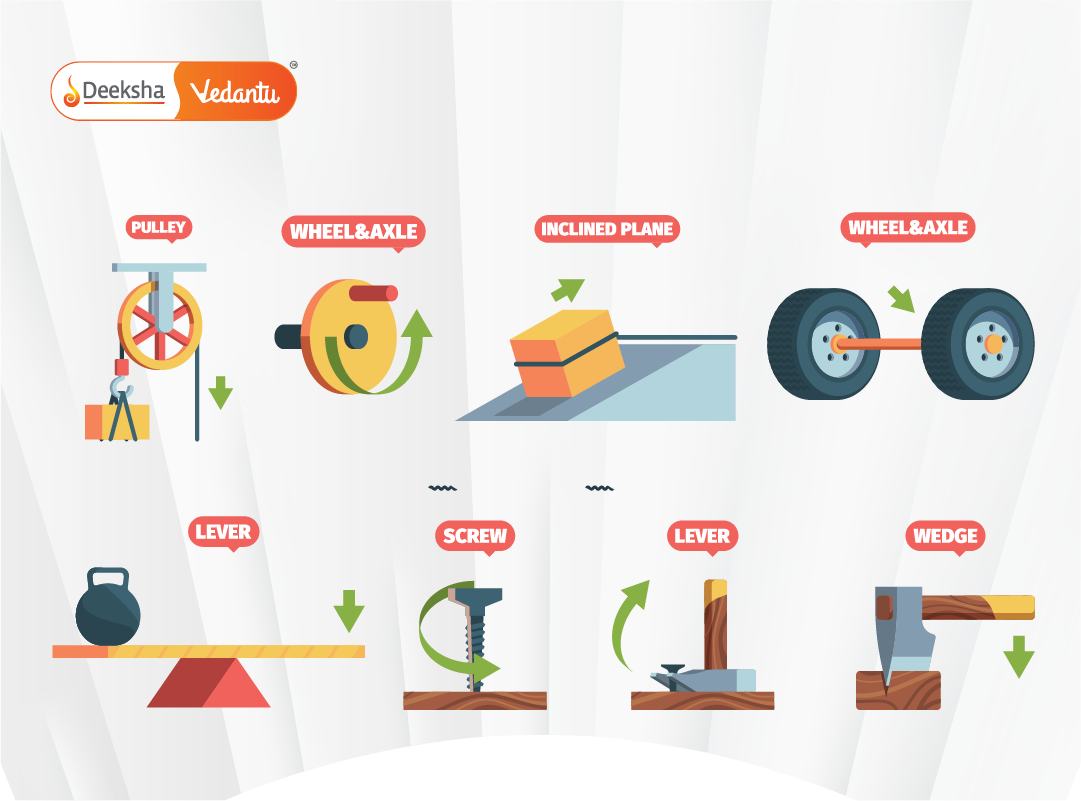
Many everyday tools use levers to make work easier. Examples include scissors, pliers, and crowbars. Each tool uses a lever in a different way.
A wheelbarrow uses a lever to lift and carry loads with less effort. The wheel acts as the fulcrum, the load sits in the bucket, and the handles are where force is applied.
- Scissors: two first-class levers working together
- Pliers: also first-class levers with a pivot in the middle
- Crowbar: a first-class lever with the fulcrum near the load
- Wheelbarrow: a second-class lever with the load between fulcrum and effort
Differences In Lever Classes
Levers have three classes based on the positions of the fulcrum, load, and effort. Each class works differently to make tasks easier.
| Class | Fulcrum Position | Load Position | Effort Position | Example Tool |
|---|---|---|---|---|
| First Class | Between effort and load | One end | Opposite end | Scissors, crowbar |
| Second Class | At one end | Between fulcrum and effort | Opposite end | Wheelbarrow, nutcracker |
| Third Class | At one end | Opposite end | Between fulcrum and load | Tweezers, fishing rod |
The wheelbarrow is a second-class lever. The load sits between the wheel (fulcrum) and the effort (handles). This setup helps lift heavy loads easily.
Frequently Asked Questions
What Class Of Lever Is A Wheelbarrow?
A wheelbarrow is a second-class lever. The load is between the fulcrum and effort, making it easier to lift heavy loads with less effort.
How Does A Wheelbarrow Work As A Lever?
In a wheelbarrow, the wheel acts as the fulcrum. The load is placed in the barrow, and effort is applied at the handles to lift and move the load.
Why Is A Wheelbarrow Considered A Second-class Lever?
Because the load is positioned between the effort (handles) and the fulcrum (wheel). This setup allows the user to lift heavy loads efficiently.
What Are The Benefits Of A Wheelbarrow’s Lever Class?
Second-class levers like wheelbarrows reduce the effort needed to move heavy items. They increase mechanical advantage and make tasks easier and faster.
Conclusion
A wheelbarrow is a classic example of a second-class lever. The load sits between the effort and the fulcrum. This setup makes lifting heavy objects easier. Understanding this helps in grasping basic physics concepts. It also shows how simple tools save energy.
Next time you use a wheelbarrow, remember the lever principle at work. Simple machines like this make daily tasks less tiring. They are everywhere, helping us without much notice. Learning about levers can make science more interesting and clear.