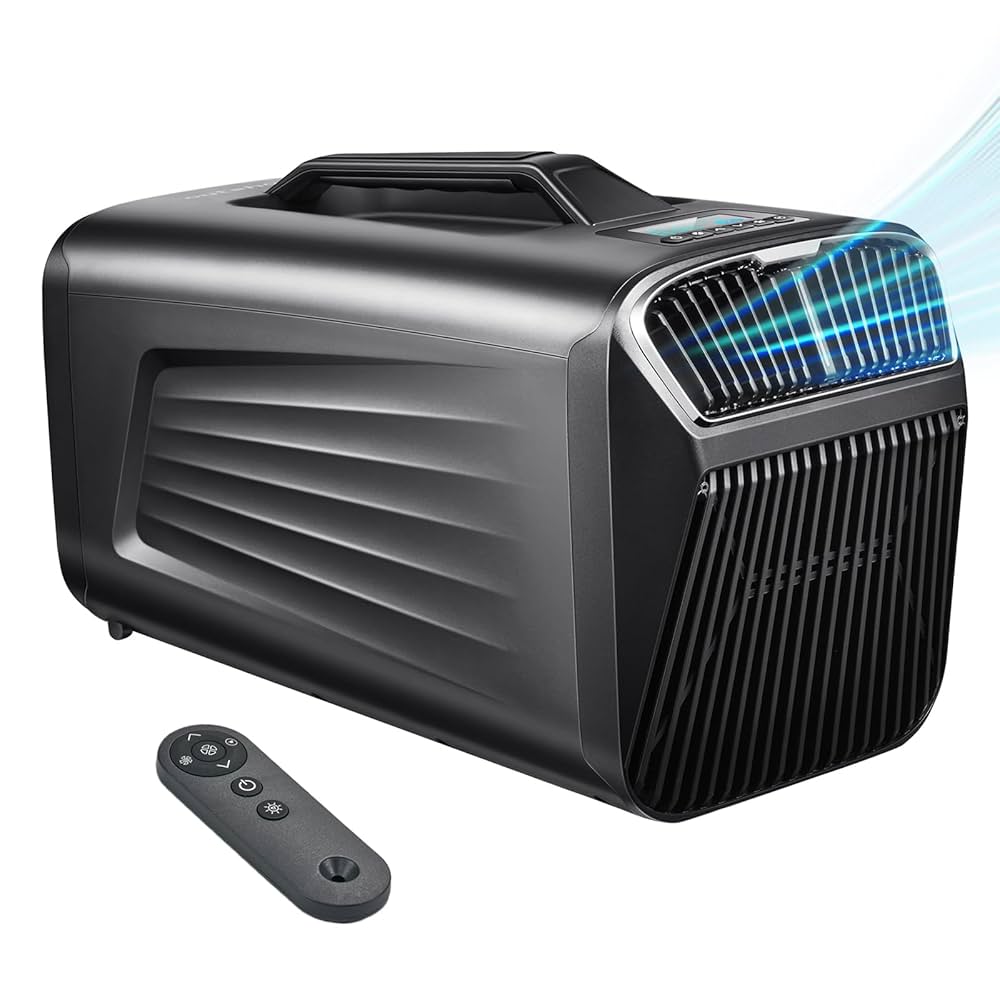
Imagine stepping into your tent after a long day outdoors, only to be greeted by a blast of cool, refreshing air. Sounds perfect, right?
If you’ve ever struggled with heat and humidity while camping, you know how uncomfortable it can get inside your tent. But what if you could bring the comfort of air conditioning right to your campsite? You’ll discover simple and effective ways to keep your tent cool, making your outdoor experience not just bearable but truly enjoyable.
Keep reading to find out how you can transform your tent into a cool, comfortable retreat no matter the weather.
Benefits Of Tent Air Conditioning
Tent air conditioning keeps your space cool and comfortable. It helps you enjoy outdoor events without feeling hot.
Using air conditioning in tents improves air quality and lowers noise levels. These benefits make tents better for everyone inside.
Enhanced Comfort In Hot Weather
Air conditioning cools the air inside tents. It prevents heat buildup and keeps the temperature steady. This comfort helps guests stay relaxed.
- Reduces sweating and overheating
- Keeps food and drinks cool
- Creates a pleasant environment for long events
Improved Air Quality
Air conditioning systems filter dust and allergens. They bring in fresh air and remove stale air. This keeps the tent air clean and healthy.
| Benefit | Description |
| Dust Removal | Filters dust particles from the air |
| Allergen Control | Reduces pollen and other allergens |
| Fresh Air Flow | Circulates clean and fresh air inside |
Noise Reduction Options
Some tent air conditioners use quiet technology. This lowers noise from machines and fans. A quieter tent helps guests talk and enjoy music.
- Use units with noise dampeners
- Place air conditioners away from seating areas
- Choose models with variable speed fans
Types Of A/c Units For Tents
Camping in hot weather can be uncomfortable. A/C units help keep tents cool. Let’s explore the types of A/C units for tents.
Each type of A/C unit has its benefits. Choose the right one for your camping needs.
Portable Air Conditioners
Portable air conditioners are easy to move. They come with wheels and can be positioned anywhere in the tent.
These units need a power source. They are suitable for larger tents and provide efficient cooling.
- Easy to transport
- Requires electricity
- Good for large tents
Evaporative Coolers
Evaporative coolers use water to cool air. They are eco-friendly and do not need much power.
These coolers work best in dry climates. They add moisture to the air, making it feel cooler.
- Eco-friendly
- Low power needed
- Best in dry areas
Split System Air Conditioners
Split system air conditioners have two parts. One part stays inside the tent, and the other stays outside.
They provide strong cooling. These units require more setup and are ideal for extended camping trips.
- Powerful cooling
- Needs more setup
- Great for long trips
Choosing The Right A/c For Your Tent
Choosing the right air conditioner for your tent makes your stay more comfortable. The right A/C cools the space efficiently without wasting power.
Consider your tent size, power source, and budget before buying an air conditioner.
Tent Size And Cooling Capacity
The size of your tent affects the cooling power you need. Small tents need less cooling, while large tents need more.
Choose an A/C with the right BTU rating to match your tent’s size. Too little power won’t cool well. Too much wastes energy.
- Up to 150 sq ft: 5,000 BTU
- 150 to 300 sq ft: 8,000 BTU
- 300 to 450 sq ft: 10,000 BTU
- Over 450 sq ft: 12,000+ BTU
Power Source Availability
Check what power sources you have before picking an A/C. Some tents may have access to electricity, others may not.
Choose an A/C that works with your power supply. Portable models may use batteries or generators if no electric outlet is nearby.
- Electric power: standard plug-in A/C units
- Generator power: portable A/C with generator support
- Battery power: small, low-power portable A/C units
Budget Considerations
Your budget helps narrow down A/C choices. Higher priced units often have better cooling and features.
Set a budget and look for A/C units that meet your needs within that price. Consider long-term energy costs too.
- Low budget: basic portable A/C units
- Medium budget: mid-range units with more features
- High budget: efficient, high-capacity models

Credit: www.amazon.ca
Installation Tips For Tent A/c
Installing an air conditioner in a tent helps keep the space cool and comfortable. You need to plan carefully to get the best results.
Good setup improves cooling and saves energy. Follow these tips to install your tent A/C correctly.
Sealing And Insulation
Seal all openings in your tent to stop cold air from escaping. Use weatherproof tape or foam to close gaps around windows and doors.
Add insulation to keep heat out and cool air in. Reflective blankets or foam panels work well for tent walls and ceilings.
- Check zippers and seams for leaks
- Use plastic sheeting for extra sealing
- Cover tent floors with insulated mats
Ventilation Setup
Proper ventilation helps your A/C work efficiently. Make sure hot air can leave the tent and fresh air can enter.
Use vents or windows on opposite sides for good airflow. Avoid blocking air paths with furniture or gear.
- Install exhaust vents near the A/C outlet
- Keep intake vents clear and open
- Use fans to improve air circulation
Safety Precautions
Follow safety rules to prevent hazards. Keep electrical parts dry and away from water sources.
Use a grounded power source and avoid overloading circuits. Check cables for damage before use.
- Place the A/C on a stable, flat surface
- Do not block emergency exits with equipment
- Turn off the unit when leaving the tent
Energy Efficiency And Maintenance
Using an air conditioner for your tent can keep you cool and comfortable. It also helps save energy if you use it right. Regular care keeps the unit running well for a long time.
This guide covers energy-saving features, cleaning tips, and how to fix common problems. Follow these simple steps to get the best from your tent air conditioner.
Energy-saving Features
Modern tent air conditioners have parts that save electricity. Using these features can lower your power bills and protect the environment.
- Thermostat controls keep temperature steady without wasting energy.
- Energy saver mode turns off the compressor when cooling is not needed.
- Adjustable fan speeds let you use less power on cooler days.
- Timer settings allow you to run the unit only when you need it.
Regular Cleaning And Upkeep
Keeping the air conditioner clean helps it work better and last longer. Dirt and dust reduce airflow and make the unit use more power.
| Task | How Often | Why |
| Clean or replace air filters | Every 2 weeks | Improves air flow and efficiency |
| Wipe down exterior | Monthly | Prevents dust buildup |
| Check drain lines | Monthly | Stops water damage and mold |
| Inspect for leaks | Every 3 months | Maintains cooling power |
Troubleshooting Common Issues
Some small problems can stop your tent air conditioner from working well. You can fix many issues without calling a technician.
- If the unit does not turn on, check the power source and reset the circuit breaker.
- If cooling is weak, clean or change the air filter and clear vents.
- For strange noises, tighten loose parts and clean the fan blades.
- If water leaks inside, clear the drain line and check the unit’s level.
- Reset the thermostat if temperatures seem wrong.
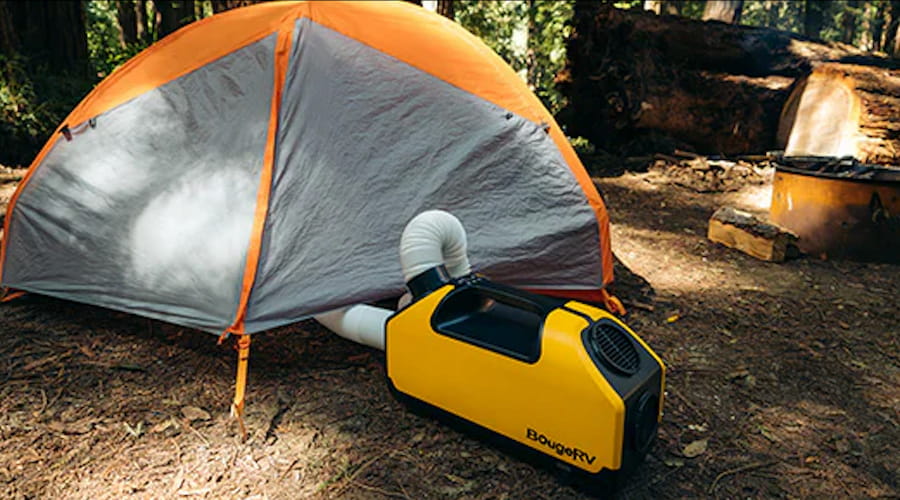
Credit: www.ecoflow.com
Alternative Cooling Methods
Keeping a tent cool is important for comfort. Air conditioning is not always possible or practical.
There are simple ways to stay cool without a traditional A/C unit. These methods use natural airflow and cooling effects.
Fans And Ventilation
Fans help move air inside the tent. This airflow can lower the feeling of heat by increasing evaporation from your skin.
Good ventilation lets hot air escape and fresh air enter. Open windows or vents on opposite sides of the tent to create a cross breeze.
- Use battery-powered or solar fans for convenience
- Keep tent doors or windows open when safe
- Place fans near openings to push hot air out
- Make sure air can flow freely inside the tent
Shade And Reflective Materials
Shade reduces direct sunlight on your tent. This lowers the heat absorbed by the tent fabric.
Reflective materials bounce sunlight away. Cover your tent with a reflective tarp or use reflective paint to keep it cooler.
- Set up tents under trees or shade structures
- Use light-colored or reflective tarps over the tent
- Avoid dark colors that absorb heat
- Position tents away from direct sun during peak hours
Cooling Towels And Misters
Cooling towels absorb water and stay cool as they dry. You can wear them around your neck or on your head.
Misters spray a fine mist of water. This water evaporates quickly and cools the air around you.
- Keep towels damp for continuous cooling
- Use handheld or battery-powered misters
- Apply mist lightly to avoid soaking clothes
- Use these tools during breaks or rest times
Popular Brands And Models
Cooling a tent is important for comfort during hot weather. Many brands offer different air conditioning options. Each type has its own features and benefits.
This guide shows popular brands and models. It helps you find the right A/C for your tent.
Top Portable A/c Units
Portable air conditioners are easy to move and set up. They work well for tents without permanent cooling systems. Many models have wheels and simple controls.
- Honeywell MN10CES: Quiet and efficient with 10,000 BTU cooling power
- Whynter ARC-14S: Dual hose system for faster cooling
- LG LP1419IVSM: Energy-saving and smart controls
- BLACK+DECKER BPACT08WT: Compact and budget-friendly
Best Evaporative Coolers
Evaporative coolers use water to cool the air. They are good for dry climates and use less power. These units also add moisture to the air inside the tent.
- Honeywell CO60PM: Large coverage and easy to fill tank
- Essick Air AIRCARE EP9: Quiet operation and digital controls
- Portacool Cyclone 150: High airflow for bigger tents
- NewAir AF-310: Compact design with three fan speeds
High-end Split Systems
Split systems have two parts: an outdoor compressor and an indoor unit. They cool tents efficiently and quietly. These systems need installation but provide strong cooling.
| Brand | Model | BTU | Features |
|---|---|---|---|
| Daikin | FTXM35R | 12,000 | Energy efficient, quiet, smart controls |
| Mitsubishi Electric | MSZ-GL12NA | 12,000 | Good for small spaces, advanced filtration |
| LG | LSN120HSV5 | 12,000 | Wi-Fi control, low noise, energy-saving |
| Fujitsu | ASU12RLF | 12,000 | Reliable cooling, easy to install |

Credit: www.vevor.com
Frequently Asked Questions
What Types Of A/c Units Work Best For Tents?
Portable and evaporative coolers are ideal for tents. They are lightweight, energy-efficient, and easy to install. Portable A/Cs provide cool air without complicated setups, making them perfect for outdoor camping or events.
How Do I Power An A/c In A Tent?
Use a portable generator or a power bank with an inverter. Solar panels can also provide eco-friendly energy. Ensure the power source matches the A/C unit’s voltage and wattage requirements for safe operation.
Can A Tent A/c Handle Extreme Heat?
Most tent A/Cs work well in moderate heat. For extreme temperatures, choose high-capacity units with strong cooling power. Proper insulation and ventilation in the tent improve efficiency and comfort.
Is It Safe To Use An A/c Inside A Tent?
Yes, if you ensure proper ventilation and avoid water exposure. Use A/C units designed for outdoor use to prevent electrical hazards. Always follow manufacturer guidelines for safe tent cooling.
Conclusion
A tent A/C helps keep your space cool and comfortable. It makes camping or outdoor events more enjoyable. Choosing the right unit depends on your tent size and power source. Portable and easy-to-use models offer great convenience. Staying cool improves sleep and overall experience.
Remember to check the A/C’s energy use and noise level. A good tent A/C can make hot days much better. Stay refreshed and enjoy your time outdoors.