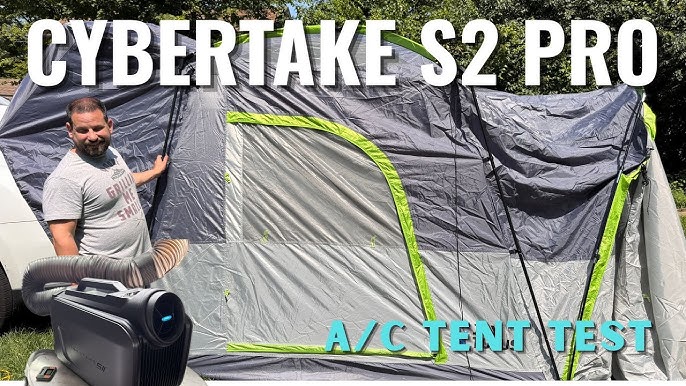
Imagine stepping into your tent after a long day outdoors, only to be greeted by cool, refreshing air that makes you feel instantly comfortable. That’s the magic of A/C tent camping.
If you’ve ever struggled with hot, stuffy nights on your camping trips, this is the game-changer you’ve been waiting for. You’ll discover how to keep your tent cool and enjoy your time outside without breaking a sweat. Ready to transform your camping experience?
Let’s dive in.
Credit: www.ecoflow.com
Choosing The Right A/c Unit
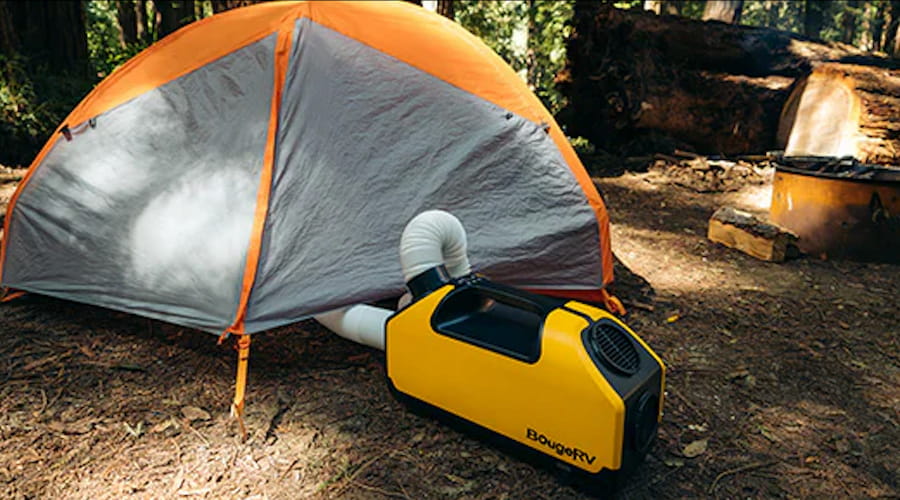
Tent camping can be hot in summer. Choosing the right A/C unit is important for comfort. Here, we explore different options.
Consider the type of A/C unit, power needs, and noise levels. These factors help ensure a comfortable camping experience.
Portable Vs. Built-in Options
Portable A/C units are easy to move and set up. They are great for small tents and quick trips.
Built-in units are fixed in place. They offer more cooling power for larger tents. Consider your camping style when choosing.
- Portable: Easy setup, less power, smaller tents
- Built-in: More power, permanent, larger tents
Power Requirements And Sources
A/C units need electricity to run. Check the power requirements before buying. Some units need more power than others.
You can use a generator, battery, or campsite power source. Make sure you have enough power for your trip.
- Check wattage of A/C unit
- Choose reliable power source
- Plan for long camping trips
Noise Levels To Consider
Noise can affect your sleep in a tent. Some A/C units are louder than others. Consider noise levels when choosing a unit.
Look for units with quiet operation. Enjoy your camping trip without loud disturbances.
- Check decibel levels of A/C unit
- Opt for quiet models
- Ensure peaceful sleep
Credit: www.ecoflow.com
Setting Up Your A/c Tent
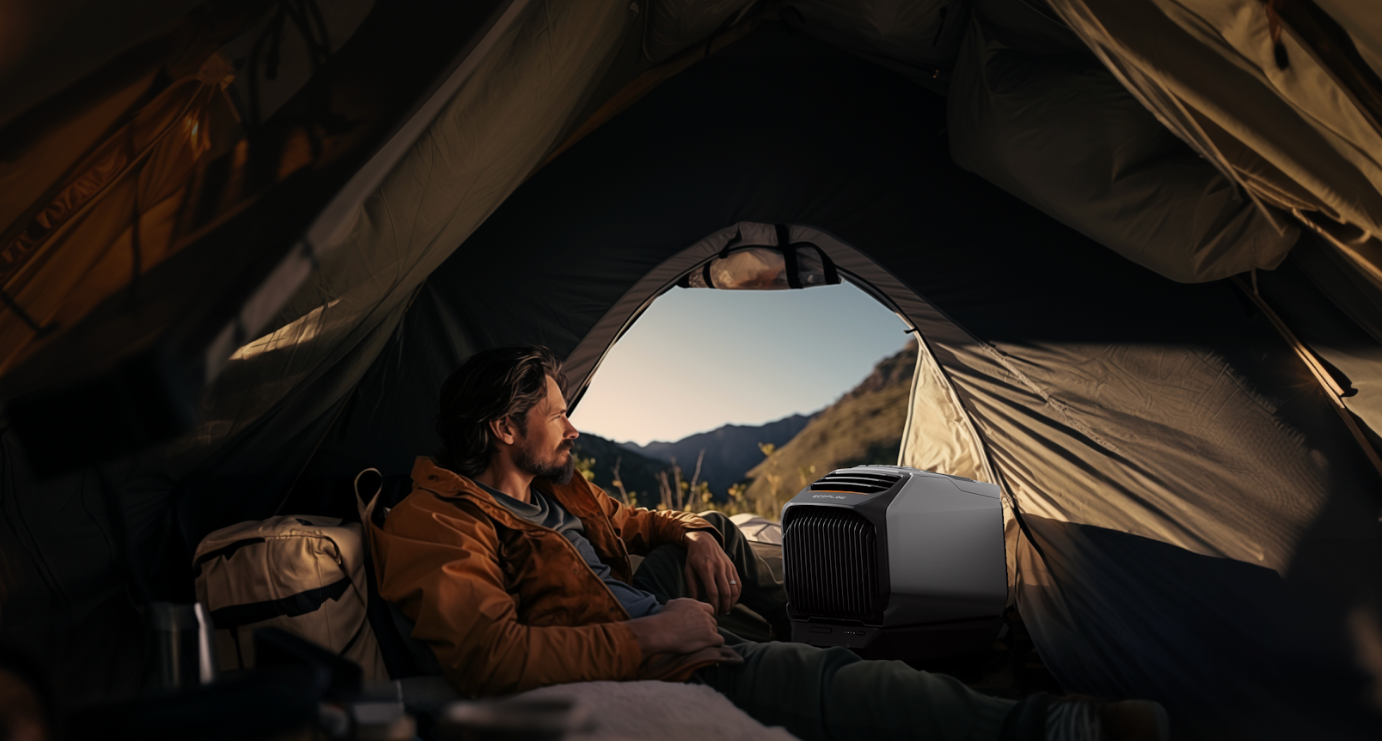
Setting up your A/C tent correctly helps keep you cool during camping. It also makes your tent more comfortable and protects you from heat.
This guide covers how to place, seal, insulate, and ventilate your A/C tent for the best results.
Optimal Tent Placement
Choose a shaded spot to set up your tent. Shade lowers the tent’s temperature and helps your A/C work better.
Place your tent on flat ground to keep it stable. Avoid places near water or where wind is too strong.
- Find natural shade from trees or rocks
- Set up away from direct sunlight
- Pick flat, dry ground
- Keep clear of strong wind paths
Sealing And Insulation Tips
Seal your tent well to keep cool air inside. Use weather strips or tape to close gaps around zippers and seams.
Add insulation by placing a reflective tarp over your tent. This blocks sunlight and keeps heat out.
- Use sealing tape on openings
- Cover the tent with a reflective tarp
- Place a ground tarp under the tent
- Close all windows and vents when cooling
Ventilation Strategies
Good ventilation helps remove hot air from your tent. Open vents slightly to allow air flow without letting out too much cool air.
Use mesh windows to keep bugs out while letting fresh air in. Position the tent to catch gentle breezes.
- Open vents just enough for airflow
- Use mesh screens on windows
- Face the tent towards the breeze
- Avoid opening doors wide when cooling
Power Solutions For Camping A/c
Camping with an air conditioner needs a reliable power source. Without it, your A/C unit will not run properly. Finding the right power solution helps keep you cool and comfortable outdoors.
This guide covers common power options for camping A/C units. You will learn about generators, battery packs, solar power, and ways to save energy.
Generators And Battery Packs
Generators provide a strong power supply for camping A/C units. They run on gasoline or propane and can power other devices too. Battery packs offer a quieter, portable option. They store energy and can run your A/C for a few hours.
- Generators are loud but powerful.
- Battery packs are quiet and easy to carry.
- Check the power rating before use.
- Use fuel safely and store it properly.
- Battery packs need to be fully charged before camping.
Solar Power Options
Solar panels convert sunlight into electricity. They are a clean and quiet way to power your camping A/C. You need enough panels and a battery to store the power. Solar setups work best on sunny days.
| Solar Component | Purpose | Notes |
| Solar Panels | Collect sunlight | Choose high wattage for better output |
| Charge Controller | Protect battery from overcharge | Essential for battery health |
| Battery Bank | Store power | Capacity affects run time |
| Inverter | Convert DC to AC power | Matches A/C unit needs |
Energy Efficiency Tips
Using less power helps your camping A/C run longer. Small changes can make a big difference. Follow these tips to save energy and keep cool.
- Close tent flaps to keep cool air inside.
- Run the A/C only when needed.
- Use fans to circulate air.
- Choose a small or portable A/C unit.
- Place the A/C in shaded areas.
Maintaining Comfort Inside The Tent
Camping in a tent with air conditioning can keep you cool and cozy. It is important to manage the inside environment well. Proper care helps you enjoy your trip without feeling too hot or too cold.
This guide covers ways to control temperature, manage humidity, and use fans and shade. These tips will improve your tent comfort during camping.
Temperature Control Techniques
Keep your tent temperature steady by using good air flow and insulation. Close tent flaps at night to keep heat in or out. Use a portable A/C unit or battery-powered cooler if possible.
- Use thermal blankets or liners inside the tent walls.
- Vent the tent during the day to reduce heat build-up.
- Keep tent doors closed during the hottest hours.
- Place a reflective tarp over the tent to block sunlight.
Humidity Management
Humidity inside the tent can cause discomfort and dampness. Use moisture absorbers or silica gel packs to reduce wetness. Keep wet clothes outside or in a separate bag.
| Method | Effect |
| Silica Gel Packs | Absorb moisture from the air |
| Ventilation | Reduce condensation inside tent |
| Dry Wet Items Outside | Prevent extra humidity |
| Use a Small Dehumidifier | Remove excess moisture efficiently |
Using Fans And Shade
Fans help move air and cool the tent interior. Use battery-powered fans for convenience. Position the tent in shaded areas to avoid direct sunlight.
Here are tips for using fans and shade:
- Set fans near tent openings to pull fresh air inside.
- Use mesh screens to keep bugs out while airing the tent.
- Place tarps or canopies above the tent for extra shade.
- Avoid setting up tents under trees with lots of sap or insects.
Safety And Maintenance
Keeping your A/C tent safe and well-maintained is key for a good camping trip. Clean and check your equipment often. This helps avoid problems and keeps the air fresh.
Follow simple rules to prevent accidents and protect your tent from weather. Good care extends the life of your A/C unit and keeps you comfortable.
Regular Cleaning And Filter Care
Clean your A/C unit regularly to stop dust and dirt build-up. Dirty filters reduce air quality and make your unit work harder.
Check the filters every week during camping. Wash or replace them as needed. This keeps the air clean and helps the unit cool better.
- Remove dust from the outside of the unit
- Clean or change filters every 7 days
- Use a soft brush or cloth to avoid damage
- Keep vents clear of obstructions
Avoiding Electrical Hazards
Use your A/C unit safely to avoid electrical shocks or fires. Always plug the unit into a proper power source. Avoid overloading electrical outlets.
Keep cords away from water and sharp objects. Turn off the unit before unplugging it. Never try to fix electrical parts yourself.
- Use a grounded outlet for the A/C unit
- Keep electrical cords dry and intact
- Do not use extension cords unless rated for outdoor use
- Turn off power before cleaning or moving the unit
Handling Weather Challenges
Weather can affect your A/C tent setup. Protect your unit from rain, wind, and dust. Use covers or shelters if possible.
Check weather forecasts before camping. Turn off and unplug the A/C during storms. Secure the tent and unit against strong winds.
- Cover the unit in rain or snow
- Secure cords and the unit from wind damage
- Move the unit to a dry spot if heavy rain is expected
- Check the tent stability regularly
Additional Comfort Accessories
Adding comfort accessories can make your A/C tent camping much more enjoyable. These items help you stay cool, keep bugs away, and keep your gear tidy. Simple additions improve your camping experience a lot.
Comfort accessories also help you relax after a day outdoors. They create a cozy and organized space inside your tent. Here are some ideas for extra comfort during your trip.
Cooling Bedding And Gear
Cooling bedding keeps you comfortable on warm nights. Choose gear made from breathable fabrics that wick away sweat. Cooling pads and pillows add extra relief from the heat.
- Lightweight sleeping bags with cooling technology
- Breathable cotton or bamboo sheets
- Cooling gel pillows for heat relief
- Portable battery-powered fans
- Cooling mattress pads or pads with airflow
Lighting And Mosquito Control
Good lighting helps you move safely inside your tent at night. Mosquito control keeps bugs away and lets you relax without bites. Combining these accessories improves your camping comfort.
| Accessory | Purpose | Tips |
| LED lantern | Bright, energy-saving light | Use dim settings to save battery |
| Clip-on reading light | Focused light for reading | Attach to tent poles or bedding |
| Mosquito netting | Block bugs from entering tent | Ensure full coverage and tight fit |
| Insect repellent devices | Keep mosquitoes away | Choose non-toxic options |
| Citronella candles | Natural bug deterrent | Use outside tent only |
Storage And Organization
Keeping your tent organized saves time and space. Use storage accessories to keep items off the floor and easy to find. This helps your tent feel tidy and comfortable.
- Hanging organizers for small gear
- Stackable storage bins for clothes and food
- Mesh pockets attached to tent walls
- Portable shelves for shoes and bags
- Waterproof bags for electronics
Packing And Transportation Tips
Packing for A/C tent camping needs smart choices. You want to keep gear easy to carry and safe.
Good packing helps you move faster and protects your equipment during travel.
Compact And Lightweight Gear
Choose gear that is small and light. It saves space and makes carrying easier.
Look for tents and air conditioners made with lightweight materials.
- Use a compact tent that fits in a small bag
- Pick a portable A/C unit with low weight
- Carry only essential tools and accessories
Protecting Equipment On The Go
Keep your gear safe from bumps and weather. Use covers and padding when packing.
Store fragile parts separately to avoid damage during transport.
- Wrap the A/C unit in a soft cloth or bubble wrap
- Use hard cases for delicate items like remotes or cords
- Keep tents in waterproof bags to stop moisture
Efficient Setup And Breakdown
Organize your gear for quick setup and takedown. Pack items in the order you use them.
Label bags and keep instructions handy to speed the process.
- Separate tent parts and A/C pieces clearly
- Practice setup before camping to save time
- Fold tents neatly to avoid damage

Credit: www.youtube.com
Frequently Asked Questions
What Is A/c Tent Camping?
A/C tent camping involves using air conditioning units inside tents. It provides comfort during hot weather. This method keeps campers cool and enhances the outdoor experience. Portable A/C units or battery-operated coolers are commonly used. It is popular in warm climates and summer camping trips.
How To Keep A Tent Cool Without Electricity?
To keep a tent cool without electricity, use shade and ventilation. Set up tents under trees or shaded areas. Open windows and vents for airflow. Use reflective tarps to block sunlight. Use battery-powered fans or damp cloths for cooling. These methods reduce heat inside tents effectively.
Are A/c Units Safe For Tent Use?
Yes, A/C units can be safe if used properly. Use units designed for outdoor or camping use. Ensure proper ventilation to avoid carbon monoxide buildup. Follow manufacturer instructions carefully. Use battery or solar-powered units for safety. Never use gas-powered heaters or coolers inside tents.
What Type Of A/c Is Best For Tent Camping?
Portable, battery-operated, or solar-powered A/C units are best. They are lightweight, compact, and easy to carry. These units run quietly and efficiently in tents. Window or wall-mounted A/Cs are impractical for tents. Always choose energy-efficient models for longer camping stays.
Conclusion
A/C tent camping makes outdoor stays cool and comfortable. It helps you enjoy nature without feeling too hot. Portable air conditioners are easy to use and save energy. You can relax better and sleep well at night. Try adding A/C to your camping gear for a fresh experience.
Stay cool, enjoy the breeze, and make memories outdoors. Camping becomes more fun with simple comfort like this. Give your next trip a chill upgrade.