
Are you tired of spending hours on the water without a single bite? Your choice of fishing lure can make all the difference between an empty hook and a bucket full of fish.
“Am Fishing Lures” offers a range of options designed to attract more fish and boost your catch rate. You’ll discover how the right lure can transform your fishing experience, making every trip more exciting and successful. Keep reading to find out which lures work best for you and how to use them like a pro.

Credit: amfishingtx.com
Types Of Am Fishing Lures
Am fishing lures come in many types to attract different fish. Each lure works best in certain water conditions and for various fish species.
Knowing the types helps anglers choose the right lure for a better catch. Below are some common types of Am fishing lures.
Hard Baits
Hard baits are solid lures made from plastic or wood. They imitate small fish or other prey and come in many shapes and sizes. Hard baits include crankbaits, jerkbaits, and minnows.
Soft Plastics
Soft plastics are flexible lures made from rubber or silicone. They look like worms, grubs, or small creatures. Fish often bite soft plastics because they feel natural.
Spinnerbaits
Spinnerbaits have one or more spinning blades attached to a wire frame. The blades flash and create vibrations in the water. This attracts fish from a distance.
- Willow blades: long and narrow, create fast vibrations
- Colorado blades: round, create slow, strong vibrations
- Indiana blades: mix of willow and Colorado types
Jigs
Jigs have a weighted head and a hook with soft or feathered tails. They sink quickly and work well near the bottom. Jigs can catch many fish species.
| Jig Type | Best Use | Common Colors |
|---|---|---|
| Football Jig | Rocky bottoms | Black, Brown |
| Swim Jig | Open water | Green, White |
| Tube Jig | Vegetation | Blue, Chartreuse |
Topwater Lures
Topwater lures float on the surface and create splashes or noise. They trigger fish to strike from below. Popular types include poppers, frogs, and walking baits.
- Popping: creates a splash to attract fish
- Walking the dog: moves side to side on the surface
- Frogging: mimics a swimming frog
Choosing The Right Lure
Picking the right fishing lure can improve your catch. Many factors affect which lure you should use.
Consider the water, fish, weather, and lure size and color. These factors guide your choices.
Matching Water Conditions
Water conditions can impact lure effectiveness. Clear or murky water needs different lures.
- Use bright lures in murky water
- Choose natural colors for clear water
- Consider water depth when selecting lure type
Considering Fish Species
Different fish prefer different lures. Knowing your target species helps in choosing the right lure.
| Fish Species | Preferred Lure Type |
| Bass | Jigs and Spinnerbaits |
| Trout | Spoons and Spinners |
| Pike | Spoons and Crankbaits |
Adapting To Weather And Light
Weather and light conditions affect fish behavior. This influences which lure to use.
On cloudy days, opt for darker lures. During sunny conditions, shiny lures work well.
Selecting Lure Size And Color
Size and color matter in lure selection. Match lure size with the fish you want to catch.
Techniques For Using Am Lures
Am fishing lures are popular for catching different fish species. Using the right techniques can help you catch more fish. Learn how to use these lures effectively with simple actions.
Each technique changes how the lure moves in the water. This can attract fish and trigger strikes. Try different ways until you find what works best.
Casting And Retrieval Methods
Start by casting your Am lure into the water at a good spot. Use a smooth, steady retrieve to bring the lure back. This mimics a swimming baitfish and can attract fish.
Vary your speed when retrieving. Try slow, medium, and fast speeds to see what fish prefer on that day. Pause sometimes to let the lure sink slightly.
- Cast near structures like rocks or weeds
- Use a steady retrieve for natural movement
- Change speeds to find what triggers bites
- Pause to mimic injured prey
Twitching And Jerking
Give your rod small twitches or jerks while retrieving. This makes the Am lure move erratically in the water. Fish often attack lures that look like injured prey.
Use quick, short jerks or slow twitches. Both can work well. The key is to keep the lure moving in an unpredictable way to catch fish attention.
- Use wrist movement for quick twitches
- Make jerks sharp or soft to vary action
- Pause between twitches to let lure settle
- Watch how fish react and adjust your style
Slow Rolling
Slow rolling means retrieving the Am lure very slowly near the bottom. This works well for fish that stay close to the floor. It lets the lure look like slow-moving prey.
Keep your line tight and reel in slowly. This gives fish time to see and follow the lure. Slow rolling is good in cold water or low light.
- Cast near bottom structures
- Retrieve slowly with steady reel
- Keep line tight for good lure control
- Use when fish are less active
Topwater Action Tips
Topwater action means using Am lures that float on the water surface. Make small splashes or pops by jerking your rod tip. This draws fish to the surface to strike.
Try slow pops or quick splashes. Watch for fish jumping or chasing the lure. Always be ready to set the hook fast when a fish strikes.
- Use lures designed to float
- Make popping sounds with rod jerks
- Vary speed and size of splashes
- Watch carefully for surface strikes
Best Locations For Am Lure Fishing
Am lure fishing is popular among anglers who enjoy using artificial baits. Choosing the right spots can improve your chances of a good catch. This guide covers top locations to try your Am lures.
Different water types and conditions affect lure performance. Knowing where to fish helps you get the best results with your Am lures.
Freshwater Spots
Freshwater lakes and rivers offer many chances for Am lure fishing. Look for clear water where fish can see your lure. Popular spots include deep pools and slow-moving river bends.
- Large lakes with weed beds
- River bends with calm water
- Reservoirs with rocky bottoms
- Streams with overhanging trees
Saltwater Areas
Saltwater fishing with Am lures works well near coastlines and estuaries. Target areas where baitfish gather. Look for sandy flats, rocky reefs, and tidal channels for the best action.
| Location | Best Time | Fish Species |
| Rocky reefs | Early morning | Snappers, Groupers |
| Sandy flats | Late afternoon | Redfish, Flounder |
| Tidal channels | High tide | Striped bass, Bluefish |
Structure And Cover
Fish like to hide near structures. These places provide cover and food sources. Use your Am lures around docks, fallen trees, and submerged rocks. These spots often hold the biggest fish.
- Docks and piers
- Fallen logs
- Bridge pilings
- Submerged rock piles
- Vegetation edges
Seasonal Hotspots
Fish behavior changes with the seasons. Knowing where to go at different times helps you catch more. Use this table to find top seasonal spots for Am lure fishing.
| Season | Top Location | Target Species |
| Spring | Shallow bays | Bass, Pike |
| Summer | Deep lakes | Trout, Walleye |
| Fall | River mouths | Salmon, Steelhead |
| Winter | Warm springs | Catfish, Perch |
Maintenance And Care
Taking care of your fishing lures keeps them working well for a long time. Proper maintenance stops damage and helps you catch more fish.
Learn simple ways to clean, store, and replace parts on your lures to keep them ready for your next trip.
Cleaning Your Lures
After fishing, rinse your lures with fresh water to remove dirt and salt. Salt can cause rust and damage the lure’s finish.
- Use a soft brush to clean small parts gently.
- Dry lures with a soft cloth before storing.
- Avoid harsh chemicals that can harm the paint.
- Check for any stuck debris and remove it carefully.
Storing To Prevent Damage
Store your lures in a dry, cool place to stop rust and wear. Keep lures separate to avoid scratches and tangled hooks.
| Storage Tip | Reason |
| Use tackle boxes with compartments | Keeps lures organized and untangled |
| Keep away from direct sunlight | Prevents fading and material damage |
| Store dry lures only | Stops rust and mold growth |
| Use silica gel packs | Absorbs moisture inside storage |
Replacing Hooks And Hardware
Replace old hooks and hardware to keep lures effective. Sharp hooks improve catch rates and reduce fish injury.
- Check hooks for rust and sharpness.
- Use pliers to remove old hooks carefully.
- Match hook size and type to the lure.
- Tighten or replace split rings if loose or damaged.
Common Mistakes To Avoid
Fishing with lures can be fun and rewarding. Many anglers make simple mistakes that reduce their chances of catching fish. Avoiding these errors helps you enjoy fishing more.
This guide covers common mistakes with fishing lures. Learn what to watch out for and improve your fishing skills.
Overusing One Lure Type
Using the same lure all the time can limit your success. Fish get used to certain lures and may ignore them.
Try different types of lures to find what works best in different situations. Variety helps catch more fish.
- Switch between crankbaits, jigs, and soft plastics
- Use different sizes and colors to attract attention
- Change lures if fish stop biting
Ignoring Water Conditions
Water conditions affect how fish see and react to lures. Clear water needs natural colors, while murky water requires bright lures.
Temperature and current also change fish behavior. Adjust your lure choice and style to match the water conditions.
- Use light-colored lures in clear water
- Use dark or bright lures in muddy water
- Slow down lure movement in cold water
Poor Retrieval Techniques
How you pull the lure affects fish interest. Pulling too fast or too slow can scare fish away or make the lure look unnatural.
Practice different retrieval speeds and patterns. Watch how fish react and adjust your technique to catch more.
- Try steady, slow retrieval to mimic injured prey
- Use stop-and-go pulls to attract attention
- Vary speed to find what triggers bites
Tips From Experienced Anglers
Fishing with the right lures can make your trip more fun and successful. Experienced anglers share simple tips to help you catch more fish.
These tips cover how to pick the best time to fish, how to mix lures and baits, and how to understand fish behavior.
Timing Your Fishing Trips
Fish are more active at certain times of the day. Early morning and late afternoon are often the best times to fish.
Check the weather and moon phases. Fish tend to bite more when the water is calm and the moon is full or new.
- Fish early in the morning or late afternoon
- Look for calm water conditions
- Plan trips around full or new moon phases
Combining Lures And Baits
Using both lures and natural bait can attract more fish. Some fish respond better to movement, others to scent.
Try adding a small piece of bait to your lure. This can make the lure more appealing to fish that use smell to find food.
- Use lures that move well in water
- Add natural bait for scent and taste
- Match bait size to the fish you want to catch
Reading Fish Behavior
Watch how fish move and where they stay in the water. Fish often gather near structures like rocks or plants.
Notice if fish are feeding near the surface or deep down. Choose lures that match where the fish are swimming.
- Look for fish near underwater structures
- Observe if fish are near the surface or deep
- Use lures that match fish depth and activity

Credit: www.amazon.com
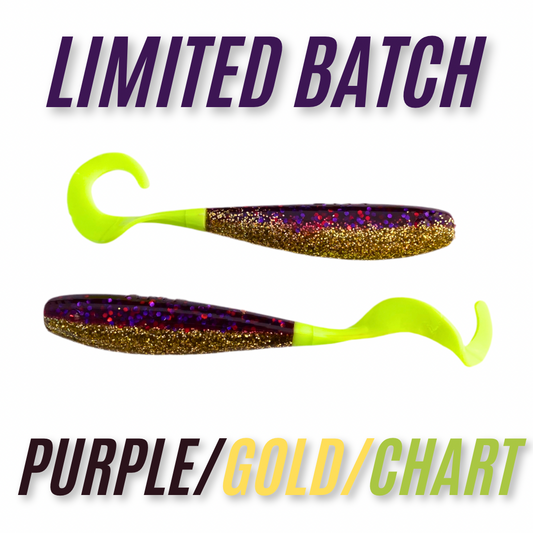
Credit: amfishingtx.com
Frequently Asked Questions
What Are The Best Types Of Am Fishing Lures?
The best Am fishing lures include crankbaits, soft plastics, and spinnerbaits. They mimic natural prey and attract various fish species effectively.
How Do Am Fishing Lures Improve Catch Rates?
Am fishing lures improve catch rates by mimicking real bait movements. Their realistic design attracts fish, increasing your chances of a successful catch.
When Should I Use Am Fishing Lures?
Use Am fishing lures during active feeding times, like early morning or late afternoon. They work well in both freshwater and saltwater environments.
How To Choose The Right Am Fishing Lure Color?
Choose lure colors based on water clarity and light conditions. Bright colors work in murky water, while natural tones suit clear water better.
Conclusion
Choosing the right fishing lure can make your trip more fun. Am fishing lures come in many shapes and colors. Each type works best in different water and weather. Try a few to see which fish like most. Change lures if the fish do not bite.
Practice casting to improve your fishing skills. Keep your lures clean and store them well. Enjoy the calm and thrill of fishing. With patience and the right lure, catches will come. Fishing becomes easier and more exciting this way.