
Are you tired of using fishing lures that just don’t catch fish? Imagine having a lure that feels like a real bait, attracting more bites every time you cast.
A. M. Fishing Lures are designed to do just that—help you catch more fish with less effort. You’ll discover why these lures stand out and how they can change your fishing game for good. Keep reading to find out how to make your next fishing trip your best one yet.

Credit: www.linecutterz.com
Types Of A.m. Fishing Lures
A.M. Fishing Lures come in many shapes and sizes. Each type suits different fishing styles and fish species. Knowing the types helps you pick the right lure for your trip.
Below are the main types of A.M. Fishing Lures. Each type has unique features to attract fish in various water conditions.
Crankbaits
Crankbaits are hard-bodied lures that dive underwater when reeled in. They mimic the movement of small fish or prey. Crankbaits come in shallow, medium, and deep diving versions.
Spinnerbaits
Spinnerbaits have one or more spinning blades that flash and vibrate in the water. This motion attracts fish by creating noise and light reflections. They work well in murky or stained water.
Jigs
Jigs are weighted hooks with soft or feathered skirts. Anglers use them by bouncing or dragging along the bottom. Jigs imitate crawfish or injured baitfish, making them very effective.
- Use jigs for bottom-feeding fish
- Match the jig color to local prey
- Adjust weight for water depth
- Try different skirt styles for better action
Soft Plastics
Soft plastics are flexible lures made from rubber or silicone. They come in many shapes like worms, grubs, and creatures. Anglers rig them in different ways to mimic natural movements.
Topwater Lures
| Type | Action | Best Use |
|---|---|---|
| Poppers | Make splashes on water surface | Early morning or low light |
| Walk-the-Dog | Side-to-side zigzag motion | Clear water and calm conditions |
| Frogs | Mimic frog movements on lily pads | Weed beds and heavy cover |
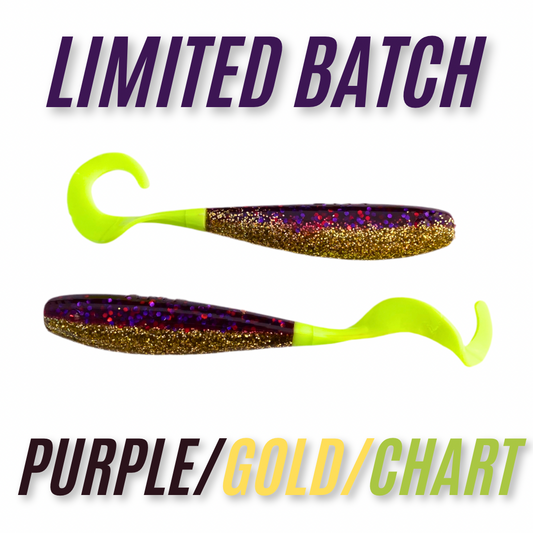
Credit: amfishingtx.com
Best Conditions For A.m. Fishing
Fishing in the morning can be very productive. Many fish are more active during this time.
Using the right lures and knowing the best conditions helps catch more fish.
Water Temperature
Fish react to water temperature changes early in the morning. Cool water wakes them up.
Most fish prefer water between 50°F and 70°F for morning feeding. Warmer water can slow them down.
- Cold water makes fish less active
- Ideal morning temps are usually cool but not freezing
- Check local water temps before fishing
Light And Weather
Morning light levels affect fish behavior. Soft light is best for fishing with lures.
Clear skies mean fish may hide in shade. Cloudy skies make fish more active near the surface.
- Low light at dawn helps fish see lures better
- Overcast mornings can improve bite rates
- A calm breeze can help hide your fishing line
Fish Behavior In Morning
Fish look for food in the morning after resting overnight. They move to shallow waters.
Using slow and steady lure movements matches their natural feeding habits early in the day.
- Fish feed actively for the first 2-3 hours after sunrise
- They prefer smaller, natural-looking lures in the morning
- Watch for fish jumping or splashing as a sign of feeding
Choosing The Right Lure Size And Color
Picking the correct lure size and color helps catch more fish. Fish react differently to lures based on these traits.
This guide covers how to match your lure to local bait, water color, and fish behavior.
Matching Local Bait
Fish often go for lures that look like the local bait they eat. Knowing the common bait in your fishing area is key.
- Observe small fish and insects in the water.
- Ask local anglers about common prey species.
- Use lures that copy the shape and size of local bait.
- Change lure color to match the natural bait’s shade.
Color Patterns For Different Waters
Water color affects how fish see lure colors. Clear and murky waters call for different choices.
| Water Type | Best Lure Colors |
| Clear Water | Natural shades like silver, green, and blue |
| Murky Water | Bright colors like chartreuse, orange, and red |
| Stained Water | Dark colors like black, purple, and brown |
Size Impact On Fish Attraction
Lure size influences how fish respond. Bigger lures attract big fish but may scare small ones away.
- Use small lures for cautious or small fish.
- Pick larger lures to target big, aggressive fish.
- Match the lure size to the size of local bait fish.
- Adjust size based on fish activity and water conditions.
Techniques For Using A.m. Lures
A.M. Fishing Lures are designed to attract fish effectively. Using the right technique helps you catch more fish.
Learn how to cast, troll, and work your lure near structures to improve your fishing success.
Casting And Retrieving Tips
Cast your lure smoothly to avoid spooking fish. Try different speeds while retrieving to find what attracts fish best.
- Use a steady, medium-speed retrieve for most conditions.
- Pause occasionally to mimic injured prey.
- Vary your retrieve speed to trigger strikes.
- Try a slow, twitching retrieve in colder water.
- Keep your rod tip low for better lure control.
Trolling Methods
Trolling lets you cover more water with A.M. Lures. Adjust your speed and lure depth for best results.
| Speed (mph) | Lure Depth | Fish Targeted |
| 1.5 – 2.5 | Shallow (0-5 ft) | Trout, Bass |
| 2.5 – 4.0 | Medium (5-10 ft) | Walleye, Pike |
| 4.0 – 5.5 | Deep (10-20 ft) | Salmon, Lake Trout |
Working The Lure Near Structures
Fish often hide near structures like rocks and logs. Move your lure slowly and carefully in these areas.
- Cast just beyond the structure and retrieve toward it.
- Use short pulls and pauses to imitate prey hiding.
- Watch for sudden stops or twitches to signal a strike.
- Keep your line tight to feel subtle bites near cover.
Tips To Increase Catch Rates Quickly
Using A.M. Fishing Lures can help you catch more fish fast. Small changes in how you fish make big differences.
Follow simple tips about where to fish, when to cast, and how to move your lure. These tips improve your chances.
Spot Selection
Choose fishing spots where fish like to hide or feed. Look for areas with cover like rocks, weeds, or logs.
Fish often stay near drop-offs or shallow edges. These spots offer food and shelter, making fish more active.
- Try near underwater structures like rocks or fallen trees
- Look for changes in water depth or color
- Fish near weed beds or lily pads
Timing Your Casts
Cast your lure when fish are most active. Early morning and late afternoon are often the best times to fish.
Watch the weather and water conditions. Overcast days or slight wind can make fish feed more actively.
- Fish near sunrise and sunset for better bites
- Cast during calm water periods for more strikes
- Avoid fishing in bright midday sun unless fish are deep
Adjusting Lure Action
Change how you move your lure to attract fish. Slow or fast retrieves work depending on fish mood and water.
Try different movements like twitching, pausing, or steady pulls. These can trigger fish to strike your lure.
- Use slow retrieves in cold water to avoid scaring fish
- Try quick jerks or twitches in warmer water to mimic prey
- Pause your lure to let fish catch it in mid-water

Credit: amfishingtx.com
Maintaining And Storing Your Lures
Keeping your fishing lures in good shape helps them last longer. Proper care also keeps them working well.
Storing lures correctly makes it easy to find and use them when you go fishing next time.
Cleaning After Use
Clean your lures after every fishing trip to remove dirt and fish slime. This stops damage and keeps them looking new.
Use fresh water and a soft brush to wash each lure carefully. Dry them completely before storing.
Preventing Rust And Damage
Rust can ruin your lures fast. Keep hooks dry and avoid leaving lures in wet places.
Use rust-preventive sprays or small silica gel packs to keep moisture away. Check your lures often for damage.
- Dry lures completely before storing
- Store in a cool, dry place
- Use rust protection products
- Replace rusty hooks promptly
Organizing For Easy Access
Keep your lures organized by type, size, or color. This saves time when you pick lures for fishing.
Use tackle boxes with separate compartments or small containers. Label the compartments for quick identification.
- Sort by lure type (spinner, crankbait, soft plastic)
- Group by size or color
- Use clear containers or boxes
- Label compartments for easy finding
Frequently Asked Questions
What Are A.m. Fishing Lures Made Of?
A. M. Fishing Lures are made of durable, high-quality materials. These include plastic, metal, and rubber. Each material enhances the lure’s effectiveness. They’re designed to mimic real fish movement. This attracts a variety of fish species.
How To Choose The Right A.m. Fishing Lure?
Choosing the right A. M. Fishing Lure depends on water conditions and target fish. Consider color, size, and weight. Match the lure to the fish’s natural prey. Experimenting with different lures can improve your success rate.
Are A.m. Fishing Lures Suitable For Beginners?
Yes, A. M. Fishing Lures are suitable for beginners. They are easy to use and very effective. The variety available helps in learning different fishing techniques. Beginners can quickly learn and enjoy fishing with these lures.
How Do A.m. Fishing Lures Attract Fish?
A. M. Fishing Lures attract fish by mimicking prey movement. Their realistic design and color appeal to fish instincts. They create vibrations in water, drawing fish towards them. The lure’s action can trigger aggressive bites.
Conclusion
A. M. Fishing Lures offer great options for all anglers. They catch fish well and last long. Choosing the right lure can improve your fishing trips. Simple designs and good quality make them popular. Try different colors and shapes to find what works best.
Enjoy peaceful time by the water with these lures. Fishing becomes more fun and rewarding with the right tools. Give A. M. Fishing Lures a chance on your next outing. You might catch more fish than before.