Are your motorcycle tires 14 years old? You might think they still have plenty of life left, but when it comes to your safety, age matters a lot.
Tires wear down, dry out, and lose grip over time—even if they look fine. Before you hit the road, it’s crucial to know if those old tires can really protect you. Keep reading to discover the hidden risks and what you should do to stay safe every time you ride.

Credit: www.motorcyclistonline.com
Tire Aging And Safety
Motorcycle tires change over time, even if they look fine. Age affects tire safety and performance.
Using very old tires can be risky. It is important to understand how tires age and what that means for safety.
How Tires Age Over Time
Tires get older due to use and the environment. Rubber breaks down slowly from heat, sunlight, and air.
Even unused tires lose their strength after many years. Cracks and hard spots can appear on the surface.
- Heat causes rubber to dry out
- Sunlight breaks down tire materials
- Oxygen causes slow rubber decay
- Storage conditions affect aging speed
Impact Of Age On Tire Performance
Old tires do not grip the road as well. This can lead to longer stopping distances and less control.
Hard or cracked tires are more likely to fail. This can cause accidents or loss of balance on a motorcycle.
- Reduced traction on wet and dry roads
- Increased risk of tire blowouts
- Less comfortable ride due to hardening
- Higher chance of tire tread separation
Credit: www.motorcycleforum.com
Signs Of Tire Deterioration
Motorcycle tires are crucial for safety. Old tires can be risky, especially if they are 14 years old. Knowing the signs of deterioration can help you stay safe.
Here, we explore the common indicators that your motorcycle tires may no longer be safe to use.
Cracks And Dry Rot
Cracks and dry rot are serious signs of tire damage. They often appear on the sidewalls and tread. These cracks can lead to tire failure.
- Examine the sidewalls for visible cracks.
- Check for dry, brittle areas on the tire surface.
- Look for any discoloration, which may indicate dry rot.
Tread Wear And Depth
Tread wear affects grip and handling. Adequate tread depth is necessary for safe riding. Worn-out treads can cause accidents, especially in wet conditions.
| Tread Depth | Safety Level |
| 4/32 inch | Safe |
| 2/32 inch | Dangerous |
| 1/32 inch | Unsafe |
Bulges And Deformities
Bulges and deformities indicate structural issues. They can occur from impacts or tire aging. Such issues can lead to sudden blowouts.
Identifying these signs early can prevent accidents. Always prioritize safety by checking your tires regularly.
Manufacturer Recommendations
Motorcycle tires have a limited safe use period set by their makers. It is important to follow these guidelines to ensure safety. Old tires can lose grip and become dangerous on the road.
Manufacturers often suggest replacing tires after a certain number of years, even if the tread looks fine. This is because tire rubber breaks down over time due to heat, sunlight, and air.
Typical Tire Lifespan
Most motorcycle tire makers recommend using tires for no more than five to six years. Some suggest up to seven years if the tires are stored properly. After this, the rubber hardens and cracks may form.
Even if tires look good, age weakens their structure. A 14-year old tire is far beyond the usual safe lifespan. Using such old tires can increase the risk of failure while riding.
- Typical safe lifespan: 5-7 years
- Proper storage can extend life slightly
- Exposure to sun and heat shortens life
- Tires over 10 years old are unsafe
Guidelines For Replacement
Replace motorcycle tires as soon as they reach the manufacturer’s age limit. Do not rely only on tread depth to decide. Check for cracks, dry rot, and other signs of aging.
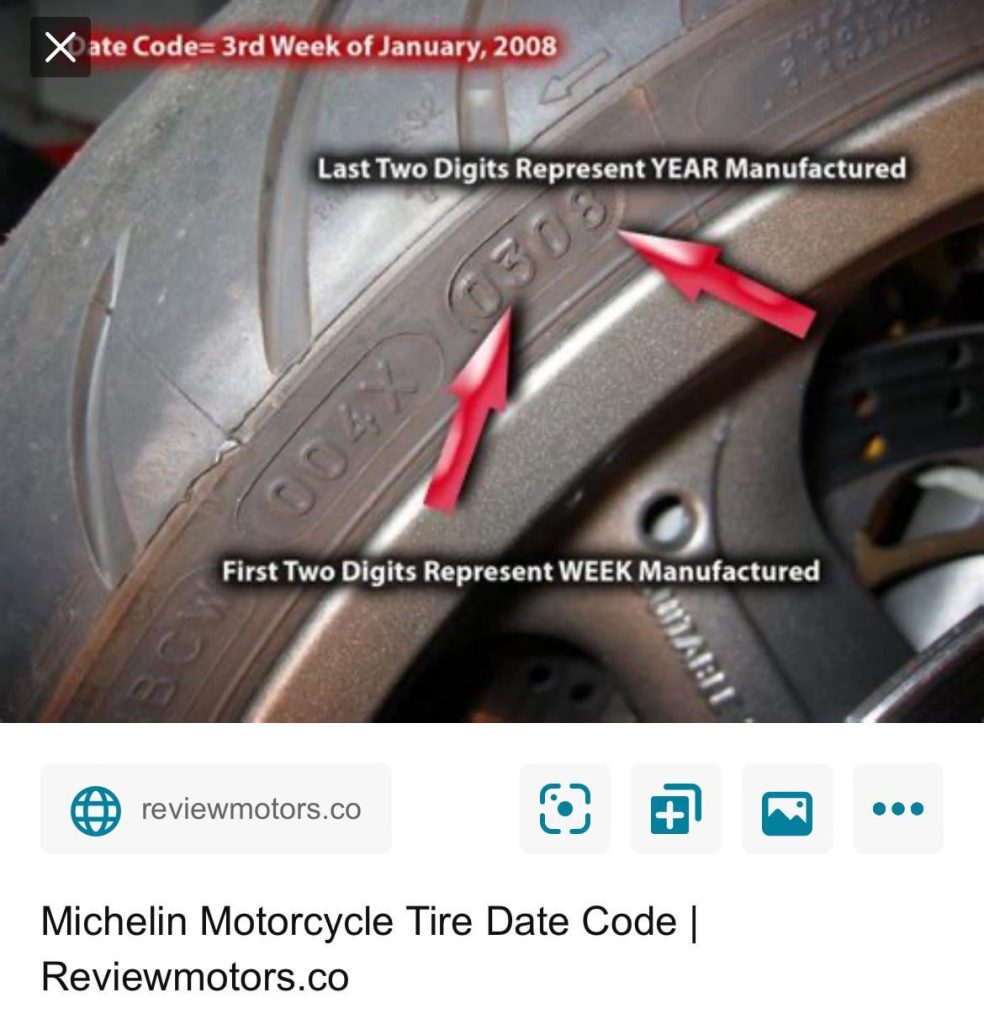
Always inspect tires before long rides. If tires are more than ten years old, replacement is the safest choice. Follow the tire maker’s date code to know the exact age.
- Replace tires after 5-7 years, per maker advice
- Look for cracks or dry rot on the tire surface
- Do not use tires older than 10 years
- Check the DOT code to find the tire’s age
- Replace immediately if any damage is found

Credit: www.motorcyclistonline.com
Risks Of Using Old Motorcycle Tires
Motorcycle tires get old even if you do not use them much. Tires that are 14 years old can be unsafe to ride on. They lose their strength and grip over time.
Using old tires increases the chance of accidents. It is important to know what risks come with old motorcycle tires.
Reduced Traction
Old tires lose their rubber quality. This makes the tire surface hard and less sticky. Reduced traction means the tires do not grip the road well.
Poor traction increases stopping distance and lowers control on wet roads. This can cause slipping or skidding during sharp turns or quick stops.
Increased Blowout Risk
As tires age, the rubber and internal parts break down. This weakens the tire walls. Old tires can suddenly burst or blow out while riding.
Blowouts cause loss of control and serious crashes. The risk goes up if the tires are 14 years old or more.
- Cracks appear in the tire sidewalls
- Rubber becomes brittle and dry
- Internal layers separate or weaken
- Increased chance of sudden tire failure
Handling And Stability Issues
Old tires lose flexibility and shape. This affects how the motorcycle handles turns and bumps. The bike may feel unstable or shaky.
Worn tires reduce your ability to steer smoothly. This can make riding tiring and unsafe, especially at high speeds.
Maintenance Tips For Older Tires
Motorcycle tires that are 14 years old need special care. They may look fine but can hide damage inside.
Good maintenance helps keep these older tires safer for riding. Check tires often and store them well.
Proper Storage Conditions
Store tires in a cool, dry place away from sunlight. Heat and light cause tires to age faster.
Keep tires off the ground and away from chemicals like oil or gasoline. These can damage the rubber.
- Use tire racks or shelves to keep tires raised
- Avoid direct sunlight or heat sources
- Keep away from sharp objects and chemicals
Regular Inspections
Check tires often for cracks, cuts, or bulges. These signs show the tire may be unsafe.
Look at the tread depth and sidewalls. If the tread is worn down or the sidewall cracks appear, replace the tire.
- Inspect tread for uneven wear
- Look for cracks on the sidewall
- Check for any lumps or bulges
- Feel for soft or hard spots
Pressure Management
Keep tire pressure at the level the motorcycle maker suggests. Old tires lose air more easily.
Check pressure before every ride. Use a reliable gauge and adjust as needed for safe riding.
- Check pressure when tires are cold
- Use a good quality pressure gauge
- Adjust pressure to the recommended level
- Do not overinflate or underinflate
When To Replace Motorcycle Tires
Motorcycle tires wear out over time and use. Knowing when to replace them keeps you safe on the road.
Age and tire condition both affect safety. This guide explains how to check both.
Age Vs. Condition
Tires can look fine but still be too old. Rubber breaks down even if tires have little use.
- Tires older than 5 years may lose grip and flexibility.
- Check for cracks, dry rot, and hard spots on the rubber.
- Even if tread looks good, old tires can fail suddenly.
- Store tires away from sunlight and heat to slow aging.
- Replace tires every 6 years regardless of use if possible.
Professional Inspection Benefits
Experts can spot hidden tire problems. A professional inspection is smart before long rides.
| Inspection Item | What It Shows |
| Tread Depth | Measures how much grip remains |
| Sidewall Condition | Finds cracks or weak spots |
| Overall Tire Age | Checks manufacturing date code |
| Air Pressure | Ensures correct inflation |
| Balance and Alignment | Checks smooth ride and even wear |
Frequently Asked Questions
Are 14-year-old Motorcycle Tires Safe To Use?
No, 14-year-old motorcycle tires are generally unsafe. Rubber degrades over time, reducing grip and increasing blowout risks. Manufacturers recommend replacing tires every 5-7 years, regardless of tread. Using old tires can compromise your safety on the road.
How Does Tire Age Affect Motorcycle Safety?
Tire age affects safety by causing rubber hardening and cracking. This reduces traction and increases the chance of tire failure. Older tires also perform poorly in wet conditions, increasing accident risk. Always check the manufacturing date before riding.
Can I Extend Motorcycle Tire Life Beyond 10 Years?
Extending tire life beyond 10 years is not advised. Even unused, tires deteriorate due to oxidation and UV exposure. Riding on old tires risks blowouts and poor handling. Regular replacement ensures optimal safety and performance.
What Signs Indicate Motorcycle Tires Are Too Old?
Signs include visible cracks, dry rot, and loss of tread flexibility. Tires may feel hard or brittle to touch. Bulges or uneven wear also indicate aging. These signs suggest the tire’s structural integrity is compromised.
Conclusion
Motorcycle tires older than 14 years may not be safe to use. Over time, rubber gets hard and cracks appear. These changes reduce grip and increase crash risk. Always check tire age before riding. New tires help keep you safe on the road.
Don’t take chances with old, worn tires. Your safety matters most. Choose tires that match your bike and riding style. Riding with good tires means better control and less danger. Keep your ride smooth and secure by staying updated on tire health.