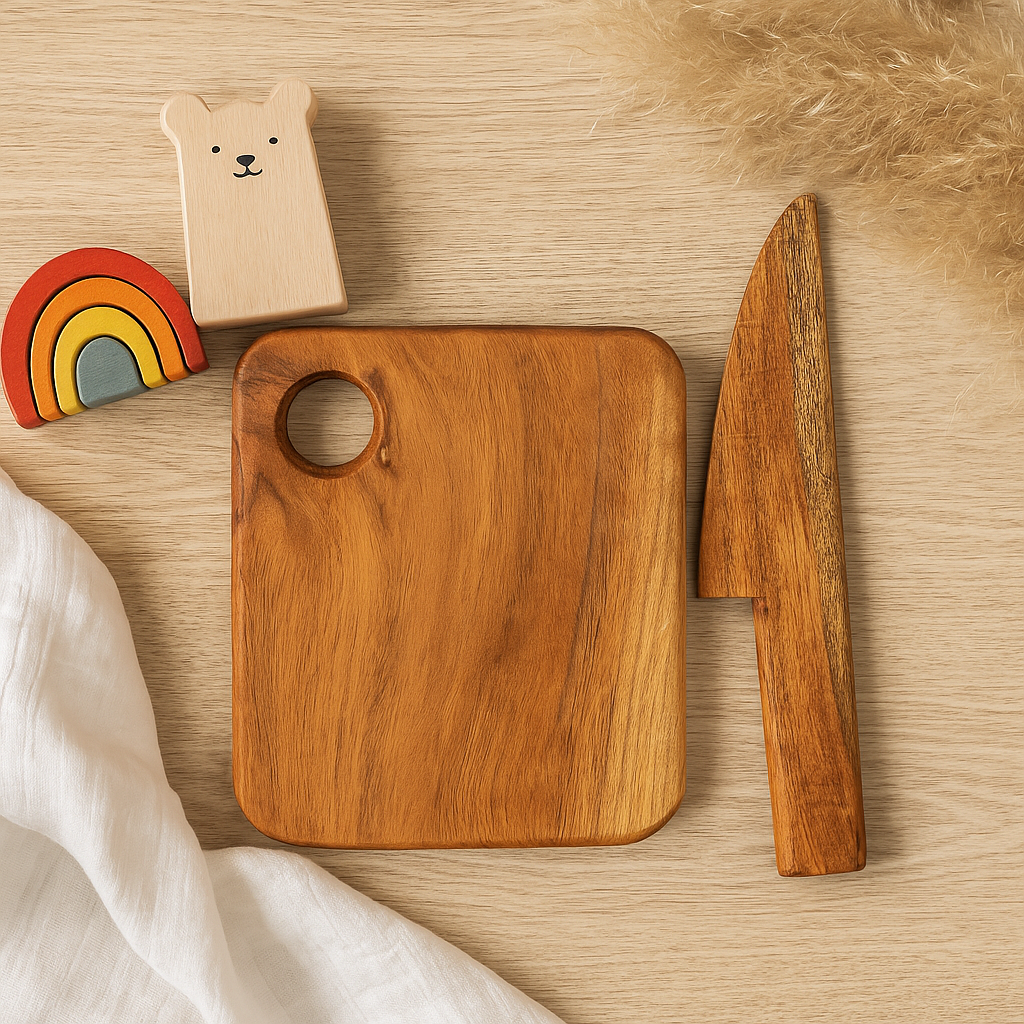
Are you thinking about upgrading your kitchen tools and wondering if an acacia wood cutting board is the right choice for you? Choosing the perfect cutting board can make a big difference in your cooking experience.
Acacia wood has become popular, but you might be asking yourself: Is it durable enough? Easy to clean? Safe for your knives? You’ll discover the real benefits and potential drawbacks of acacia wood cutting boards. By the end, you’ll feel confident about whether this could be your next kitchen essential.
Keep reading to find out what makes acacia wood stand out and if it fits your needs perfectly.
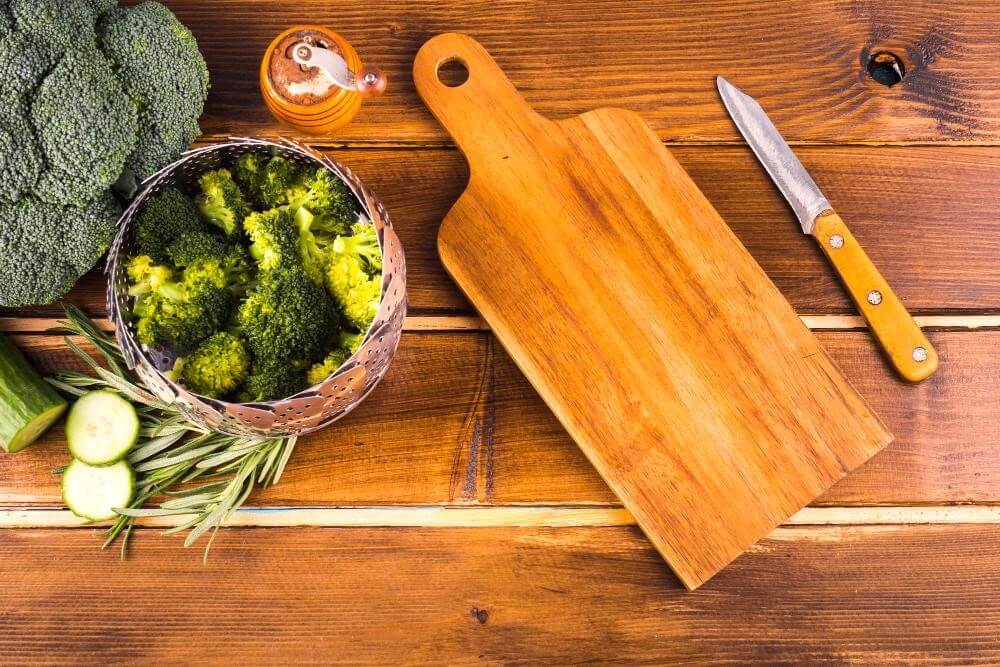
Credit: leeknives.com
Durability Of Acacia Wood
Acacia wood is a popular choice for cutting boards. It stands out because of its strong and lasting nature. This makes it a good option for kitchen tools.
Understanding how durable acacia wood is can help you decide if it fits your kitchen needs. Let’s explore its hardness, longevity, and how it compares to other woods.
Hardness And Resistance
Acacia wood ranks high in hardness, which helps it resist dents and scratches. It has a Janka hardness rating of around 1,700, making it tougher than many other woods used for cutting boards.
- Strong surface resists knife marks
- Natural oils help prevent water absorption
- Less prone to cracking and warping
- Good resistance to bacteria buildup
Longevity In Kitchen Use
Cutting boards made from acacia wood last a long time with proper care. Regular oiling keeps the wood hydrated and prevents drying out. The wood’s natural hardness helps it stay intact despite frequent cutting.
Cleaning acacia boards properly also extends their life. Avoid soaking them in water or putting them in the dishwasher. Instead, wash with mild soap and dry quickly.
Comparison With Other Woods
| Wood Type | Janka Hardness | Durability | Water Resistance |
|---|---|---|---|
| Acacia | 1700 | High | Good |
| Maple | 1450 | Medium | Fair |
| Walnut | 1010 | Medium | Poor |
| Bamboo | 1380 | Medium | Good |
Style And Aesthetics
Acacia wood cutting boards stand out for their natural beauty and charm. Their style fits well in many kitchens.
These boards offer a mix of rich colors and smooth textures that many people like.
Natural Color And Grain
Acacia wood has warm, earthy colors that range from light amber to deep brown. This variety creates a unique look.
The grain patterns are often bold and striking. They show natural lines and knots that add character to each board.
Design Variations
Acacia cutting boards come in many shapes and sizes. You can find rectangular, round, and paddle styles.
Some boards include juice grooves or handles. These features add both style and function to the design.
- Rectangular boards for classic look
- Round boards for casual style
- Boards with handles for easy use
- Juice grooves to catch liquids
Suitability For Modern Kitchens
Acacia boards fit well in modern kitchens. Their warm tones add natural beauty to sleek spaces.
The wood’s rich colors contrast nicely with stainless steel and white surfaces. They bring warmth and style.
Safety And Maintenance
Acacia wood cutting boards offer a natural and sturdy surface. Caring for them properly keeps them safe and long-lasting.
Understanding their safety and maintenance helps you avoid damage and health risks.
Non-toxic Properties
Acacia wood is naturally resistant to bacteria and fungi. It does not release harmful chemicals into food. This makes it a safe choice for cutting boards.
Cleaning Tips
Cleaning your acacia cutting board regularly stops germs from growing. Use mild soap and warm water. Avoid soaking the board in water.
- Wash with mild dish soap after each use
- Rinse with warm water and dry immediately
- Do not put in dishwasher
- Sanitize with vinegar or lemon juice if needed
- Oil the board monthly to protect the wood
Preventing Cracks And Warping
Proper care helps keep your board flat and strong. Avoid extreme heat and moisture changes. These can cause cracks and warping.
| Do | Don’t |
| Keep dry after washing | Leave wet or soak in water |
| Store in a cool, dry place | Store near heat sources |
| Apply food-safe oil regularly | Use harsh chemicals or bleach |
| Use both sides to avoid uneven wear | Cut only on one side |

Credit: www.amazon.in
Environmental Impact
Acacia wood cutting boards are often praised for their durability and beauty. Understanding their environmental impact helps consumers make better choices.
We will look at how acacia wood is sourced, made, and disposed of to see its effects on the environment.
Sustainability Of Acacia Wood
Acacia trees grow quickly compared to many hardwoods. This fast growth helps reduce deforestation pressure on slower-growing species.
These trees can grow in dry areas where other trees struggle. This means they do not compete with food crops or natural forests.
- Fast-growing species
- Grows in dry, less fertile land
- Helps reduce logging of slow-growing trees
- Can be farmed sustainably with proper management
Eco-friendly Manufacturing
Acacia wood cutting boards are usually made with low-impact methods. Many makers use water-based finishes instead of harmful chemicals.
Local production can lower the carbon footprint by cutting down transport needs. Some factories use renewable energy to reduce pollution.
| Factor | Impact |
|---|---|
| Use of water-based finishes | Reduces toxic emissions |
| Local manufacturing | Lowers transportation emissions |
| Renewable energy use | Decreases carbon footprint |
| Waste management | Recycles wood scraps |
Recyclability And Disposal
Acacia wood cutting boards can be reused or recycled in several ways after their life ends. They break down naturally and do not add harmful chemicals to soil.
- Can be composted if untreated
- Wood scraps can be used as mulch
- Recycling options vary by location
- Proper disposal avoids landfill waste
Cost And Value
Acacia wood cutting boards are popular for their durability and natural look. Understanding their cost and value helps buyers make informed choices.
This guide covers price ranges, investment benefits, and where to find quality boards.
Price Range
Acacia wood cutting boards vary in price depending on size, thickness, and brand. Smaller boards cost less, while larger or handcrafted boards are pricier.
- Small boards: $15 to $30
- Medium boards: $30 to $60
- Large or premium boards: $60 to $120+
Investment Vs. Longevity
Acacia wood boards last long with proper care. They resist scratches and water damage better than softer woods.
| Factor | Details |
| Durability | High resistance to cuts and dents |
| Maintenance | Regular oiling keeps wood strong and safe |
| Longevity | Can last 5 to 10 years or more |
| Cost Efficiency | Good value over time despite higher initial price |
Where To Buy Quality Boards
Buying from trusted sellers ensures you get a genuine acacia wood board. Look for clear descriptions about wood source and craftsmanship.
- Specialty kitchen stores
- Reputable online marketplaces
- Local artisans or woodworkers
- Well-known home goods retailers

Credit: www.amazon.in
Frequently Asked Questions
What Are The Benefits Of Acacia Wood Cutting Boards?
Acacia wood cutting boards are durable and water-resistant. They have a beautiful grain and are eco-friendly. Their natural hardness resists scratches, making them long-lasting. Acacia wood is also gentle on knife edges, maintaining their sharpness. These boards are easy to clean, reducing the risk of bacteria.
How Do You Care For Acacia Cutting Boards?
To care for acacia cutting boards, hand wash them with mild soap and water. Avoid soaking them to prevent warping. Dry them immediately with a towel. Occasionally, apply mineral oil to maintain the board’s luster and prevent drying. Store them in a dry place to prolong their life.
Are Acacia Wood Cutting Boards Hygienic?
Yes, acacia wood cutting boards are hygienic. Their dense grain structure resists moisture absorption, reducing bacterial growth. Regular cleaning with soap and water ensures hygiene. It’s essential to dry them thoroughly after washing. Applying mineral oil occasionally helps maintain their surface, keeping them sanitary and safe for food preparation.
Is Acacia Wood Sustainable For Cutting Boards?
Acacia wood is a sustainable choice for cutting boards. It’s a fast-growing, renewable resource, often harvested responsibly. The trees require minimal pesticides and fertilizers, reducing environmental impact. Using acacia wood supports eco-friendly practices, making it an excellent choice for environmentally conscious consumers seeking durable kitchen products.
Conclusion
Acacia wood cutting boards offer good strength and beauty. They resist scratches and last a long time. Their natural oils help prevent water damage. These boards need regular oiling to stay healthy. They are safe for food and easy to clean.
A good choice for everyday kitchen use. Choose one if you want durability with style. Simple care keeps them looking great for years. A smart option for many home cooks.