
Are you wondering if air conditioner covers are really worth it? You want to protect your AC unit, but is covering it the best choice?
Making the right decision can save you money and keep your system running smoothly. You’ll discover the surprising benefits and hidden risks of using air conditioner covers. By the end, you’ll know exactly what’s best for your unit—and your wallet.
Keep reading to find out if an air conditioner cover is a smart move for you.
Benefits Of Air Conditioner Covers
Air conditioner covers protect your outdoor unit during off-seasons. They help keep the unit safe and clean. Using a cover can save you money on repairs.
Choosing the right cover adds value to your air conditioner. It shields the unit from damage and improves its efficiency.
Protection From Weather Elements
Covers guard your air conditioner from rain, snow, and ice. These elements can cause rust and corrosion. A cover also blocks harmful UV rays that may damage the unit’s surface.
Prevention Of Debris Buildup
Dirt, leaves, and twigs can clog your air conditioner. This buildup reduces airflow and causes strain on the system. A cover keeps these particles out, helping the unit run smoothly.
- Stops leaves from entering the unit
- Prevents dust and dirt accumulation
- Blocks bird nests and insect infestations
Energy Efficiency Improvements
Using a cover can help your air conditioner maintain energy efficiency. It reduces moisture and dirt, which can lower the unit’s performance. A clean and dry unit works less hard, saving electricity.
Extending Unit Lifespan
Protecting your air conditioner with a cover can extend its life. It prevents damage and wear caused by weather and debris. Regular use of a cover means fewer repairs and a longer-lasting unit.
| Benefit | Effect on Air Conditioner |
| Weather Protection | Prevents rust and corrosion |
| Debris Prevention | Keeps unit clean and clear |
| Energy Efficiency | Reduces power consumption |
| Longer Lifespan | Decreases need for repairs |
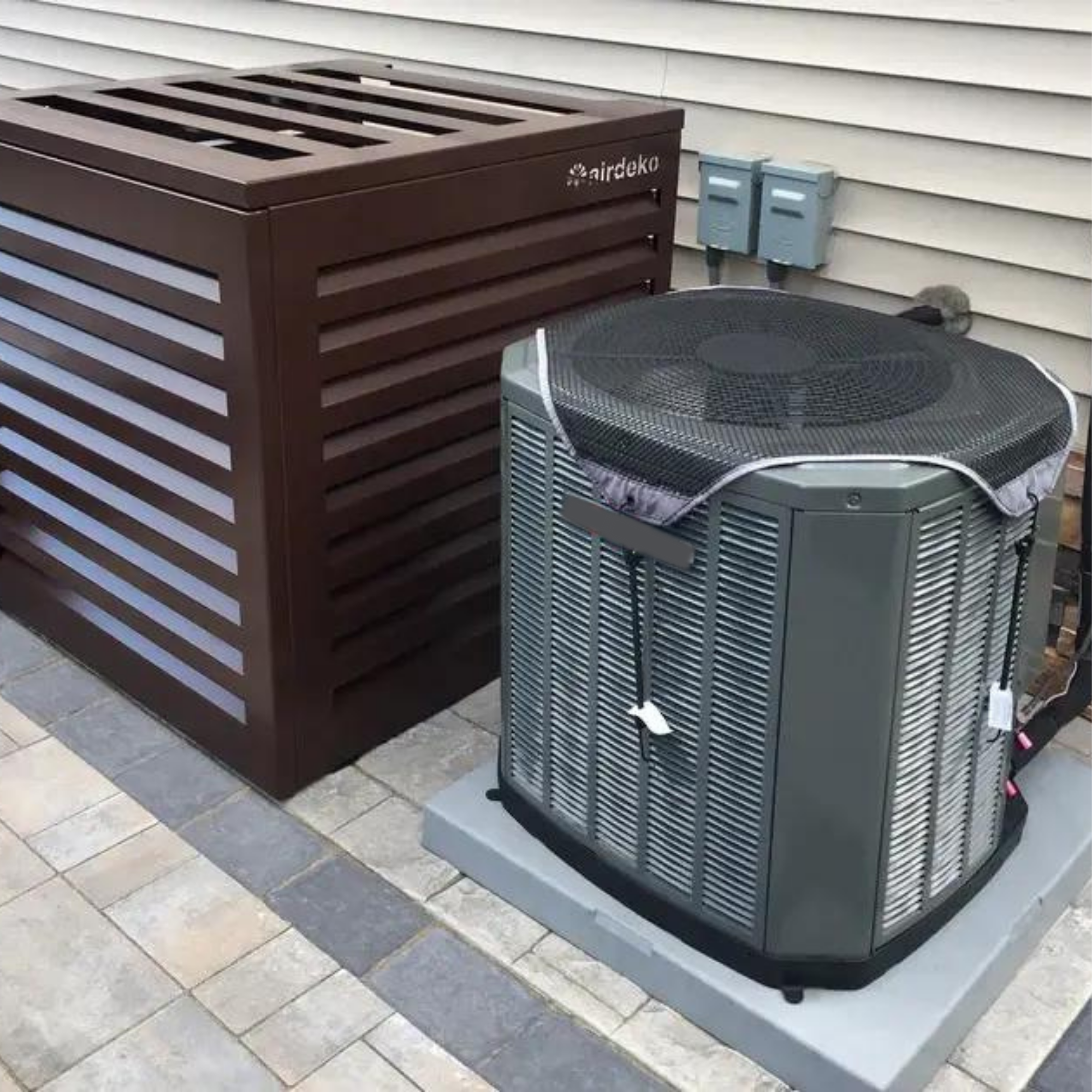
Credit: airdeko.com
Drawbacks Of Using Covers
Using covers on air conditioners can seem helpful at first. They protect the unit from dirt and leaves. But covers also have some downsides.
This article looks at the main drawbacks of using air conditioner covers. It helps you decide if a cover is right for your unit.
Moisture And Mold Risks
Covers can trap moisture inside the unit. This creates a wet environment where mold and mildew grow easily. Mold can damage parts and affect air quality.
- Condensation builds up under the cover
- Wet areas stay damp for long periods
- Mold spores spread to the indoor air
Potential Overheating Issues
Covers may block airflow around the air conditioner. This can cause the unit to overheat when running. Overheating reduces efficiency and may cause damage.
Maintenance Challenges
Using a cover makes it harder to spot problems early. Dirt and debris can collect unnoticed. You may also miss leaks or cracks that need fixing.
| Issue | Impact |
|---|---|
| Hidden dirt buildup | Reduced air quality and efficiency |
| Missed damage signs | Higher repair costs later |
| Blocked access | Harder to clean and inspect unit |
Warranty Concerns
Some air conditioner warranties do not cover damage caused by covers. Using a cover incorrectly may void your warranty. It is important to check the terms before covering your unit.
Types Of Air Conditioner Covers
Air conditioner covers protect units from weather and debris. Choosing the right type helps keep your AC safe.
This guide explains different types of air conditioner covers. You will learn about full covers, partial covers, and fit options.
Full Covers
Full covers completely wrap the entire air conditioner unit. They protect from rain, snow, dust, and dirt.
These covers can help prevent damage during harsh weather. They also keep leaves and other debris away from the unit.
- Cover the entire unit for full protection
- Usually made from waterproof material
- Best for winter or long periods of non-use
Partial Covers
Partial covers protect only the top or sides of the air conditioner. They block rain and snow but allow airflow.
These covers reduce moisture buildup and prevent debris from falling inside. They are good for mild climates.
- Cover mainly the top part of the unit
- Allow air to flow freely
- Help avoid moisture without trapping heat
Custom Vs. Universal Fit
Custom fit covers match your AC unit’s exact size and shape. They offer a snug fit and better protection.
Universal fit covers are made to fit many sizes. They are adjustable but may not fit perfectly on all units.
- Custom fit covers provide better coverage
- Universal covers offer flexibility for different units
- Choose based on your unit size and budget
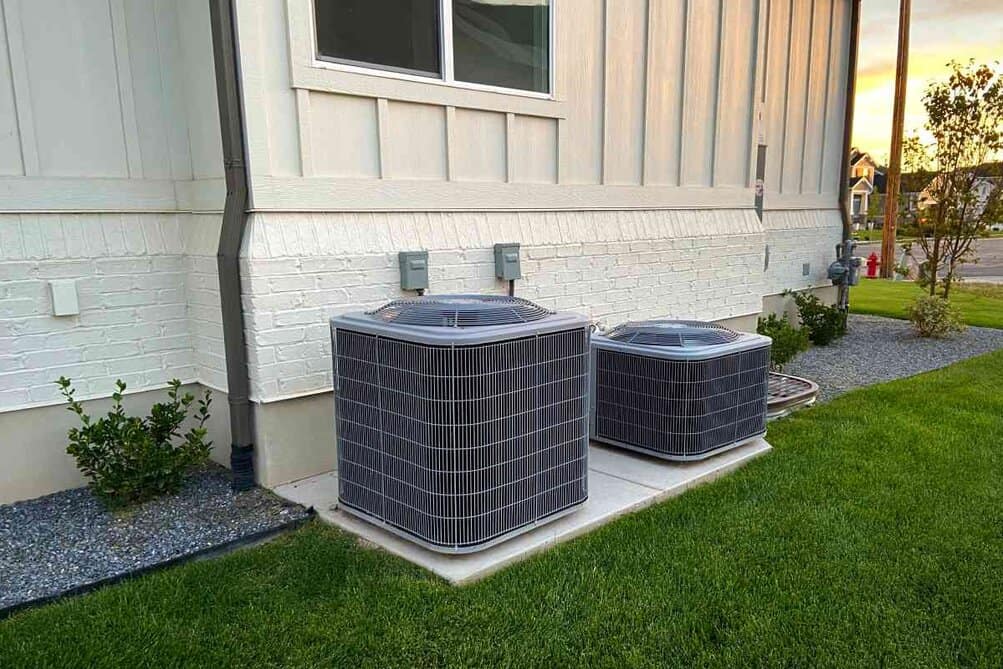
Credit: www.furnaceprices.ca
When To Use Air Conditioner Covers
Air conditioner covers protect your unit from dirt and damage. They can also help improve its lifespan. Knowing when to use these covers helps you keep your air conditioner in good shape.
Using covers at the right time depends on your local weather and how you store your unit during off-seasons. Covers are not always necessary, so it is important to understand the best situations to use them.
Seasonal Considerations
Many people use air conditioner covers during the colder months. Covers protect the unit from leaves, snow, and ice. This keeps the unit clean and prevents rust or other damage.
In fall and winter, covers can stop debris from blocking the unit. During spring and summer, it is better to remove covers so the unit can breathe and work well.
- Use covers in late fall before winter starts
- Remove covers in early spring before summer use
- Avoid covers during hot months to prevent moisture build-up
Climate Factors
Climate plays a big role in deciding if you need a cover. In wet or snowy areas, covers help stop water damage and rust. In dry or mild climates, covers might not be needed as much.
If you live in a windy place with lots of dust, a cover can keep dirt out. In places with little rain or snow, covering the unit can trap moisture and cause problems.
- Use covers in snowy or rainy climates
- Consider covers in dusty or windy areas
- Skip covers in dry, mild weather to avoid moisture
Storage And Off-season Tips
If you remove your air conditioner for storage, use a cover to keep dust and insects away. Make sure the unit is dry before covering it to avoid mold growth.
Store the unit in a dry, sheltered place. Cover it loosely so air can flow. Tight covers trap moisture, which can damage the parts inside.
- Clean and dry the unit before covering
- Use a breathable cover for storage
- Store in a dry, cool place away from sun
Alternatives To Air Conditioner Covers
Using covers for air conditioners is common, but there are other ways to protect your unit. These alternatives can keep your air conditioner safe without the risks covers sometimes bring.
Here are some good methods to protect your air conditioner and keep it working well throughout the year.
Regular Cleaning And Maintenance
Cleaning your air conditioner regularly helps avoid dirt buildup. This keeps your unit running efficiently and lasts longer.
Check for leaves, dust, and debris around and inside the unit. Clear these away to improve airflow and prevent damage.
- Remove leaves and twigs from the outside
- Clean the fan blades gently
- Check and replace air filters often
- Keep the area around the unit free of clutter
Protective Landscaping
Planting bushes or shrubs near the air conditioner can protect it from wind and debris. Choose plants that do not drop many leaves.
Make sure plants are not too close to block airflow. Good spacing helps the unit cool properly and avoid overheating.
- Use evergreen shrubs for year-round protection
- Keep plants trimmed and away from vents
- Avoid trees that shed large amounts of leaves
- Place plants to shield from strong winds
Professional Servicing
Having a professional check your air conditioner yearly can prevent big problems. They clean parts you cannot reach and fix small issues.
Professionals also check refrigerant levels and electrical connections. This helps keep your unit safe and running well for a long time.
- Schedule a tune-up before summer and winter
- Ask for a full system inspection
- Get advice on any needed repairs
- Follow their care tips for your unit
Choosing The Right Cover
Using an air conditioner cover can protect your unit during off-seasons. Picking the right cover helps keep it safe from weather damage.
Not all covers work well. It is important to consider material, fit, ventilation, and cost before buying one.
Material Quality
Choose covers made from durable materials like heavy-duty polyester or vinyl. These materials resist tears and water well. Avoid thin plastic that can break easily.
Good material keeps dirt and moisture out. It also lasts longer, saving money in the long run.
Fit And Ventilation
The cover should fit snugly but not tightly. A tight cover can trap moisture inside, causing rust and mold. Loose covers might let dirt and water in.
- Measure your air conditioner before buying a cover.
- Choose a cover with vents or breathable fabric.
- Check if the cover has straps or ties to hold it in place.
Cost Vs. Benefits
| Cost Range | Benefits |
| Low ($10-$20) | Basic protection, may wear out fast |
| Medium ($20-$40) | Good material, decent fit, some ventilation |
| High ($40+) | Durable, breathable, secure fit, longer life |
Spending more on a good cover can save repair costs later. Cheap covers may seem like a bargain but might cause damage over time.

Credit: www.amazon.ca
Frequently Asked Questions
Are Air Conditioner Covers Necessary For Winter?
Air conditioner covers protect units from debris, ice, and moisture during winter. They can extend the unit’s lifespan and prevent damage, but improper use may cause moisture buildup and rust.
Can Air Conditioner Covers Cause Mold Or Rust?
Yes, if covers trap moisture, they can promote mold and rust. Use breathable covers and ensure the unit is dry before covering to prevent these issues.
How Do I Choose The Right Air Conditioner Cover?
Select a cover that fits snugly and is made of breathable, waterproof material. This ensures protection without trapping moisture, preventing damage and mold growth.
Should I Cover My Air Conditioner In All Seasons?
Covering is mainly recommended during fall and winter to protect against cold and debris. Avoid covering during active seasons to maintain airflow and performance.
Conclusion
Choosing to use air conditioner covers depends on your needs. They protect units from debris and weather damage. Covers can extend the life of your AC. But, they might cause moisture issues if not used properly. Always ensure proper ventilation.
Remove covers before using your unit. This prevents overheating and damage. Consider your climate and storage conditions. Make a decision based on your specific situation. A cover might be the right choice for you. Research and choose wisely for the best results.
Keep your air conditioner in top condition all year round.