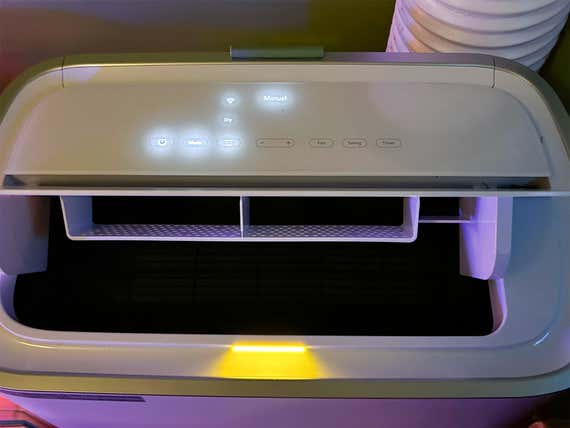
Have you ever wondered if your air conditioner also works as a dehumidifier? You might notice your room feels cooler and less sticky when the AC is on, but does it really remove the moisture from the air?
Understanding this can help you make better choices for your comfort and health. Keep reading to discover how your air conditioner handles humidity and whether it can replace a dedicated dehumidifier for your space.

Credit: www.nytimes.com
How Air Conditioners Work
Air conditioners cool indoor spaces by removing heat from the air. They also reduce humidity while cooling.
This process makes the room more comfortable during hot days and controls moisture levels.
Cooling Process Explained
An air conditioner pulls warm air inside the home. It passes this air over cold coils.
The cold coils absorb heat from the air. Then, the cool air is blown back into the room.
Role Of Refrigerants
Refrigerants are special fluids inside the AC system. They carry heat from inside to outside.
These fluids change from liquid to gas and back. This change helps move heat efficiently.
- Refrigerant absorbs heat inside the coil
- It turns into gas and moves outside
- Outside coil releases heat and cools refrigerant
- Refrigerant turns back to liquid and repeats
Effect On Indoor Air
As air cools, the AC also removes moisture. This lowers humidity in the room.
Lower humidity makes the air feel cooler and fresher. It also helps prevent mold growth.

Credit: aircareconnect.com
Dehumidification Basics
Dehumidification is the process of removing moisture from the air. It helps keep indoor spaces dry and comfortable.
Understanding how dehumidification works can improve air quality and prevent damage caused by excess humidity.
What Is Dehumidification?
Dehumidification lowers the amount of water vapor in the air. This reduces dampness and prevents mold growth.
Importance Of Moisture Control
Controlling moisture protects homes and health. Too much humidity can cause problems for both.
- Prevents mold and mildew buildup
- Reduces dust mites and allergens
- Protects wood, paint, and furniture
- Improves comfort and air quality
Methods Of Dehumidifying Air
There are several ways to remove moisture from the air. Each method fits different needs and spaces.
| Method | How It Works | Best Use |
|---|---|---|
| Refrigeration | Air cools, water condenses, then drains away | Homes and offices in warm climates |
| Desiccant | Absorbs moisture with special materials | Low temperature or industrial settings |
| Air Conditioning | Removes moisture while cooling air | Comfort cooling and humidity control |
Air Conditioners And Moisture Removal
Air conditioners cool indoor air to make rooms comfortable. They also remove some moisture from the air. This helps reduce humidity in your home.
Understanding how air conditioners handle moisture can help you use them better. Not all air conditioners work the same way to remove humidity.
Cooling And Condensation
Air conditioners cool the air by passing it over cold coils. When warm air touches these cold coils, moisture turns into water drops. This process is called condensation.
The water drops collect and drain away. This lowers the amount of moisture in the air. Cooling and condensation work together to reduce indoor humidity.
How Ac Removes Humidity
Air conditioners remove humidity by cooling air below its dew point. The dew point is the temperature where water vapor changes to liquid.
The AC unit pulls warm, humid air inside. The cold coils make water vapor turn into liquid. The liquid water drains out, and drier air goes back into the room.
- Warm air enters the AC system
- Air cools down on cold coils
- Moisture condenses into water drops
- Water drains outside or into a pan
- Dry air returns to the room
Limitations In Dehumidification
Air conditioners do not remove all the moisture from the air. They only reduce humidity as part of the cooling process.
If the air is already cool, the AC may not remove much moisture. Also, AC units do not dry air as much as dedicated dehumidifiers do.
- AC only removes moisture when cooling
- Cool air holds less moisture to remove
- AC coils can freeze if too cold
- Dedicated dehumidifiers work better for high humidity
Difference Between Ac And Dehumidifiers
Air conditioners and dehumidifiers both reduce indoor humidity. They use different methods and serve different purposes.
Understanding their differences helps you choose the right device for your needs.
Design And Functionality
Air conditioners cool the air by removing heat and moisture. They use refrigerant and fans to lower room temperature.
Dehumidifiers focus only on removing moisture from the air. They do not cool the room significantly.
Efficiency In Humidity Control
Dehumidifiers are more efficient at lowering humidity. They target moisture without changing temperature much.
| Device | Humidity Control | Temperature Effect |
| Air Conditioner | Moderate | Cools the air |
| Dehumidifier | High | Minimal cooling |
When To Use Each Device
- Use an air conditioner to cool rooms and reduce humidity in hot weather.
- Use a dehumidifier in damp spaces to lower moisture without cooling.
- Dehumidifiers are good for basements, laundry rooms, or humid climates.
- Air conditioners suit living areas where temperature and humidity control are both needed.
Benefits Of Dehumidifiers
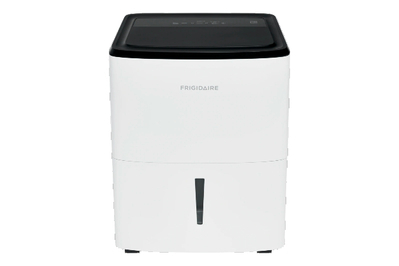
Dehumidifiers remove excess moisture from the air. This helps keep your home dry and comfortable.
They work well in damp places like basements or bathrooms. Using a dehumidifier can improve your living space.
Improved Comfort Levels
High humidity makes the air feel sticky and hot. Dehumidifiers lower humidity, making rooms feel cooler and fresher.
- Reduce dampness in the air
- Prevent mold and mildew smells
- Help clothes dry faster indoors
- Improve air circulation
Health Advantages
Too much moisture can cause health problems. Dehumidifiers help protect your lungs and skin.
| Health Issue | How Dehumidifiers Help |
| Allergies | Reduce dust mites and mold spores |
| Asthma | Lower humidity eases breathing |
| Skin Irritation | Prevent dry or itchy skin |
| Respiratory Infections | Limit bacteria growth |
Protecting Home Structure
Moisture can damage walls, floors, and furniture. Dehumidifiers help keep your home safe from harm.
Benefits for home structure include:
- Preventing wood rot and warping
- Stopping paint and wallpaper from peeling
- Reducing rust on metal fixtures
- Protecting electrical systems from moisture
Credit: www.nytimes.com
Choosing The Right Solution
Air conditioners and dehumidifiers both help make your home comfortable. They manage temperature and moisture in different ways.
Knowing which device fits your home best saves money and energy. It also improves your indoor air quality and comfort.
Assessing Your Home’s Needs
Check your home’s humidity level before choosing a device. High humidity causes mold and dust mites. Low humidity can cause dry skin and irritation.
Think about the size of your rooms. Large spaces may need stronger or multiple devices. Small rooms might do well with one unit.
- Measure humidity with a hygrometer
- Check for damp spots or mold growth
- Consider room size and airflow
- Note any allergies or breathing issues
Combining Ac And Dehumidifiers
Air conditioners remove some moisture while cooling air. But they may not reduce humidity enough in very damp places.
Using a separate dehumidifier can help if your AC does not lower humidity well. Both devices can work together for better comfort.
- AC cools and removes some moisture
- Dehumidifiers focus only on moisture removal
- Use a dehumidifier if humidity stays high
- Place units to allow good air circulation
Energy Considerations
Both air conditioners and dehumidifiers use electricity. Running them together may increase your energy bill.
Look for energy-efficient models to save power. Regular maintenance keeps devices working well and lowers energy use.
- Check energy rating labels before buying
- Clean filters and coils regularly
- Use a programmable thermostat or timer
- Seal leaks to improve home insulation
Frequently Asked Questions
Can Air Conditioners Act As Dehumidifiers?
Yes, air conditioners remove moisture from the air during cooling. They condense humidity on cold coils, reducing indoor dampness. However, their primary function is cooling, not dehumidifying.
How Effective Are Air Conditioners In Dehumidifying?
Air conditioners moderately reduce humidity but are not as effective as dedicated dehumidifiers. Their moisture removal depends on temperature settings and airflow.
Should I Use A Dehumidifier Instead Of An Air Conditioner?
Use a dehumidifier if humidity control is your main goal. Air conditioners cool and reduce some moisture but won’t maintain optimal humidity levels.
Does Running An Air Conditioner Lower Indoor Humidity?
Running an air conditioner lowers indoor humidity by cooling air and condensing moisture. This helps create a more comfortable environment in humid conditions.
Conclusion
Air conditioners can dehumidify, but not as well as dehumidifiers. They cool rooms by removing heat and some moisture. Dehumidifiers focus solely on reducing moisture levels. Choose based on your needs. If humidity is your main concern, a dehumidifier works best.
For cooling and slight dehumidification, opt for an air conditioner. Both appliances improve comfort in different ways. Understanding their functions helps you decide. Consider room size and climate when choosing. This ensures you get the best performance. Always maintain your appliances for efficiency.
Proper care extends their lifespan and effectiveness.