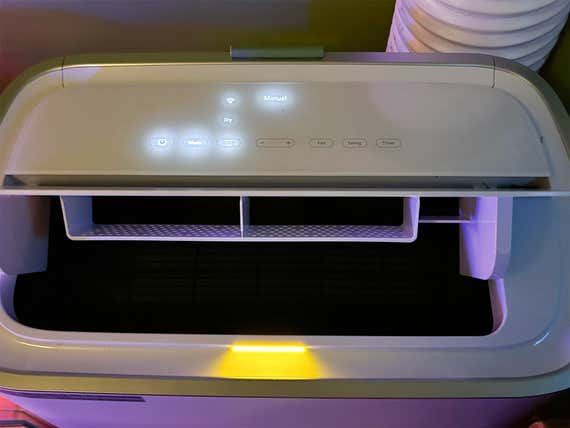
Are you wondering if your air conditioner also acts as a dehumidifier? You’re not alone.
Many people ask this question because both devices seem to tackle similar problems: making your indoor space more comfortable. But can an air conditioner truly control humidity the way a dehumidifier does? Understanding the difference can save you from sticky, uncomfortable rooms and high energy bills.
Keep reading to discover how these two appliances work and which one is best for your home.
Air Conditioners Vs. Dehumidifiers
Air conditionersand dehumidifiersboth remove moisture from the air. Air conditioners cool the air by removing heat and some moisture. Dehumidifiers focus only on reducing humidity without cooling the room much.
Air conditioners have a cooling coil and a fan. Dehumidifiers use a cold coil to condense water vapor and collect it in a tank. The parts inside work differently to serve their main purpose.
| Device | Energy Use | Primary Function |
|---|---|---|
| Air Conditioner | Higher | Cooling and some dehumidifying |
| Dehumidifier | Lower | Removing moisture only |

Credit: www.everydayhealth.com
How Air Conditioners Dehumidify
Air conditioners remove moisturewhile cooling the air. Warm air passes over cold coils inside the unit. This cools the air and causes water to form on the coils. The water then drips into a drain pan and leaves the room. This process lowers indoor humidityand makes the air feel more comfortable.
The impact on humiditydepends on the air conditioner’s size and use. A bigger unit removes more moisture. Running the AC longer also reduces humidity. Rooms with poor ventilation may have higher moisture levels despite the AC. Proper maintenance, like cleaning filters and coils, helps the system work well and keeps humidity down.
Dehumidifiers: Purpose And Benefits
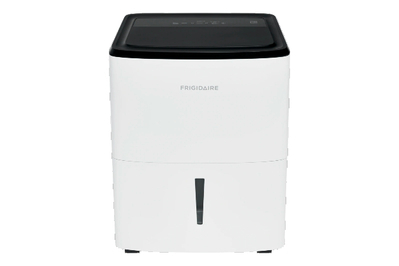
Dehumidifiershelp reduce excess moisturein the air. This keeps rooms dryand comfortable. Too much moisture can cause moldand dust mitesto grow. These can trigger allergiesand breathing problems.
By controlling moisture, dehumidifiers protect your homeand health. They help keep walls and furniture from getting dampor damaged. This also reduces musty odors.
- Lower humidity means less mold growth.
- Helps people with asthmaor allergies.
- Makes indoor air feel fresher.
- Protects woodand paintfrom damage.
Credit: www.nytimes.com
Comparing Efficiency And Cost
Air conditionersand dehumidifiersboth reduce moisture but work differently. Air conditioners cool rooms by removing heat and some moisture. Dehumidifiers only remove moisture without cooling. This makes dehumidifiers better for humidity control.
Cost-wise, dehumidifiers use less electricity than air conditioners. Running a dehumidifier is usually cheaperover time. Air conditioners cost more to run but cool the air too.
| Feature | Air Conditioner | Dehumidifier |
|---|---|---|
| Purpose | Cools air and removes moisture | Removes moisture only |
| Energy Use | Higher | Lower |
| Cost to Run | More expensive | More affordable |
| Best Use | Hot, humid weather | Humid rooms without cooling need |
Choosing The Right Appliance
The climateplays a big role in choosing between an air conditioner and a dehumidifier. In hot, humid areas, an air conditioner cools and lowers moisture well. In places with mild temperatures but high humidity, a dehumidifier might be better to keep the air dry without cooling too much.
Think about your home needstoo. Air conditioners cool rooms and reduce humidity. Dehumidifiers only remove moisture but do not cool. For small spacesor areas with dampness, a dehumidifier works well. For large roomsor hot weather, air conditioning is usually best.
- Air conditioners = cooling + moisture removal
- Dehumidifiers = moisture removal only
- Hot and humid = air conditioner
- Mild temperature + high humidity = dehumidifier
- Small, damp areas = dehumidifier
- Large, hot rooms = air conditioner
Maintaining Air Quality
Air filters play a key rolein keeping air clean and fresh. Dirty filters block airflow and reduce cooling power. Change or clean filters every 1-3 months for best results.
Regular cleaning of the air conditioner prevents dust and mold buildup. Wipe down surfaces and vacuum vents to remove dirt. This keeps the air healthy and your unit running well.
- Check filtersmonthly during heavy use.
- Use a vacuumto clean vents and grills.
- Clean coilsto improve efficiency.
- Keep areaaround unit free from debris.
Future Trends In Air Conditioning
New technologiesare making air conditioners more efficient. Smart AC units can now adjust cooling based on the room’s humidity. This helps keep air dry without wasting energy.
Some models use sensorsto detect moisture and cool only when needed. This reduces power use and lowers bills.
Eco-friendly options are becoming popular. Many units use natural refrigerantsthat harm the environment less. Solar-powered air conditioners are also growing in use.
These changes help protect nature while keeping homes cool and comfortable.

Credit: www.nytimes.com
Frequently Asked Questions
Are Air Conditioners Effective Dehumidifiers?
Yes, air conditioners remove moisture from the air while cooling. This process reduces indoor humidity levels, making the environment more comfortable and less prone to mold and mildew growth.
How Do Air Conditioners Reduce Humidity Indoors?
Air conditioners cool warm air, causing moisture to condense on cold coils. This condensed water drains away, effectively lowering the indoor humidity level.
Can Air Conditioners Replace Dedicated Dehumidifiers?
Air conditioners help reduce humidity but are not as efficient as dedicated dehumidifiers. For high humidity control, a dehumidifier is more effective.
Does Using An Air Conditioner Prevent Mold Growth?
By reducing indoor humidity, air conditioners help prevent mold and mildew. Lower moisture levels create an environment less suitable for mold development.
Conclusion
Air conditioners do remove some moisture from the air while cooling. Yet, they are not designed to control humidity like dehumidifiers. Dehumidifiers focus solely on reducing moisture levels to keep spaces dry. Using the right device helps improve comfort and air quality.
Choose based on your specific needs, whether cooling or moisture control. Understanding the difference saves energy and money. Stay comfortable all year with the proper appliance. Simple and clear.