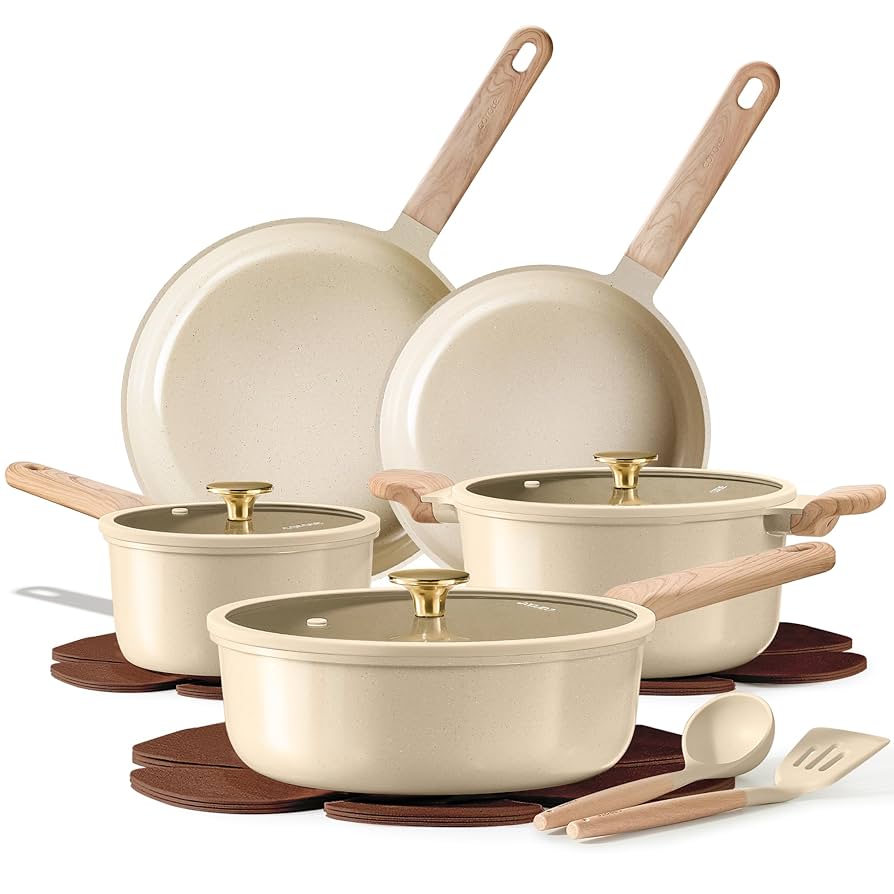
Are you wondering if all Carote pans are truly non-toxic? When it comes to your health and cooking, this question matters a lot.
You want to make sure the pan you use doesn’t release harmful chemicals into your food. But with so many options and claims out there, it’s easy to feel confused and unsure. You’ll discover the truth about Carote pans and what makes some safer than others.
By the end, you’ll know exactly what to look for to keep your kitchen healthy and your meals safe. Keep reading—your health depends on it!
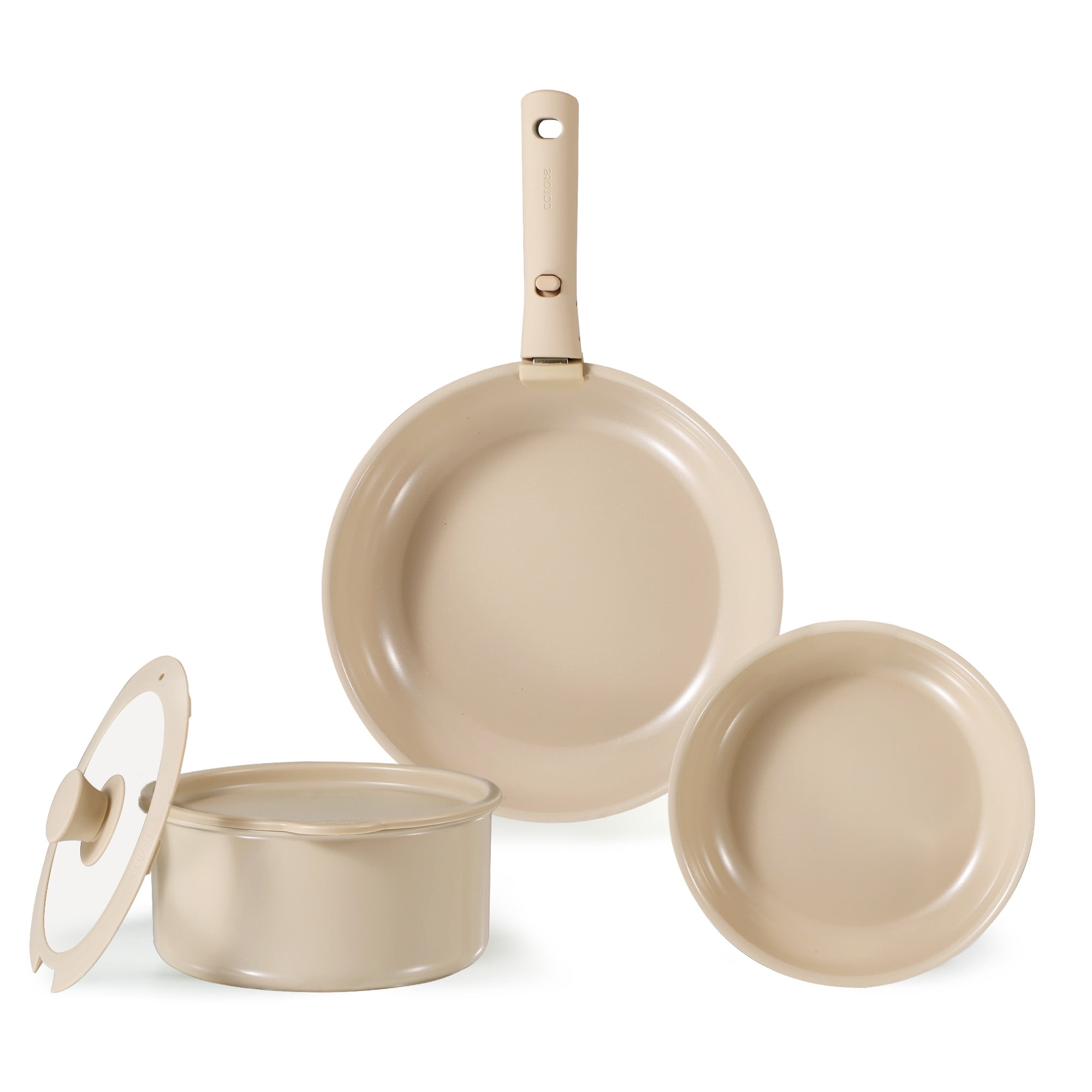
Credit: www.walmart.com
Carote Pan Materials
Carote pans come in many materials. The material affects how safe and durable the pan is.
Knowing the materials helps you choose a non-toxic pan for cooking.
Common Coatings Used
Carote pans often have coatings to stop food from sticking. These coatings must be safe for health.
Popular coatings include ceramic and non-stick layers. Ceramic coatings are usually free of harmful chemicals.
- Ceramic coating is made from natural minerals.
- PTFE non-stick coatings need to be PFOA-free to be safe.
- Some pans use enamel coatings that resist scratches.
Base Metals Explained
The base metal forms the pan’s main body. It affects heat distribution and durability.
Common base metals include aluminum, stainless steel, and cast iron.
| Base Metal | Features | Non-Toxic? |
|---|---|---|
| Aluminum | Lightweight and heats quickly | Safe if coated properly |
| Stainless Steel | Strong and resists rust | Non-toxic and durable |
| Cast Iron | Holds heat well, lasts long | Non-toxic but needs seasoning |

Credit: www.amazon.ca
Toxicity Concerns
Carote pans are popular for cooking, but some people worry about their safety. It is important to understand if these pans release harmful chemicals.
This article looks at common chemicals in pans and their health risks. Knowing these details helps you make safer choices in your kitchen.
Chemicals To Watch For
Some pans contain chemicals that can harm your health. These include substances used to make non-stick coatings or to strengthen the pan.
- Perfluorooctanoic acid (PFOA)
- Polytetrafluoroethylene (PTFE)
- Lead and cadmium
- Heavy metals from low-quality materials
- Other synthetic chemicals in coatings
Health Risks Linked To Pans
Exposure to harmful chemicals from pans can cause various health problems. Some issues may develop after long-term use or at high exposure levels.
| Health Risk | Linked Chemical | Possible Effects |
| Respiratory problems | PFOA, PTFE fumes | Coughing, shortness of breath |
| Hormone disruption | PFOA | Changes in hormone levels |
| Kidney and liver damage | Heavy metals | Organ stress and injury |
| Cancer risk | PFOA (possible) | Increased chance of some cancers |
Carote Pan Safety Features
Carote pans are popular for cooking at home. Many people want to know if these pans are safe to use. Safety means the pan does not release harmful chemicals.
Understanding the safety features helps buyers choose the right pan. This article explains the non-toxic claims and certifications of Carote pans.
Non-toxic Claims Verified
Carote pans claim to be non-toxic. This means they do not have harmful chemicals like PFOA or PTFE. These chemicals can be dangerous when heated.
Tests show Carote pans do not release toxic fumes. Their non-stick coating is made without harmful substances. This makes cooking safer for families.
- No PFOA or PTFE in the coating
- Heat resistant without chemical release
- Safe for everyday cooking use
Certifications And Standards
Carote pans meet several safety certifications. These certifications show the pans follow strict safety rules. Certified products are tested for harmful materials.
Common certifications include FDA and LFGB approval. These labels prove the pan is safe for food contact. Some Carote pans also pass European safety standards.
- FDA (Food and Drug Administration) approval
- LFGB (German Food Safety) certification
- Compliance with EU safety regulations
Comparing Carote To Other Pans
Carote pans have become popular for their non-toxic claims. Many people want to know how they compare to other pans. This guide looks at key features to help you understand the differences.
We will focus on two important areas: non-stick versus ceramic coatings and the durability and wear of Carote pans compared to others.
Non-stick Vs Ceramic
Carote pans often use ceramic coatings instead of traditional non-stick materials. Ceramic coatings are free from harmful chemicals like PFOA and PTFE. This makes them a safer option for cooking.
- Traditional non-stick pans may release toxic fumes if overheated.
- Ceramic coatings are made from natural materials and are generally safer.
- Carote pans promote even heat distribution with their ceramic surface.
- Some non-stick pans can lose their coating quickly, but ceramic tends to last longer if cared for well.
Durability And Wear
Durability is important for any pan. Carote pans are known for their solid build. They often have an aluminum core with a ceramic layer. This combination helps resist scratches and wear.
| Pan Type | Coating Material | Durability | Wear Resistance |
|---|---|---|---|
| Carote Pan | Ceramic | High | Good with proper care |
| Traditional Non-Stick Pan | PTFE | Medium | Can peel or scratch easily |
| Cast Iron Pan | Seasoned Surface | Very High | Improves with use |
| Stainless Steel Pan | None | High | Resists wear but not non-stick |
Tips For Safe Cooking
Carote pans are popular for their non-stick surface and ease of use. Many people wonder if all Carote pans are non-toxic and safe for cooking. Understanding how to use and care for these pans helps keep your food safe.
Safe cooking means using your pans correctly and knowing when to replace them. This keeps harmful chemicals from entering your meals and protects your health.
Proper Use And Care
Use Carote pans on low to medium heat to avoid damaging the non-stick coating. High heat can cause the coating to break down and release toxins.
Always use wooden, silicone, or plastic utensils to avoid scratching the pan. Metal tools can damage the surface and reduce its safety.
- Clean with a soft sponge and mild soap
- Avoid abrasive cleaners and scouring pads
- Do not use cooking spray on non-stick surfaces
- Hand wash instead of using a dishwasher
- Store pans carefully to prevent scratches
When To Replace Your Pan
Replace your Carote pan if the non-stick coating peels or flakes. Damaged coating may release harmful particles into food.
If the pan shows deep scratches, warping, or rust, it is time to buy a new one. Using a damaged pan can reduce cooking safety and food quality.
- Peeling or flaking coating
- Deep scratches on the cooking surface
- Warped or uneven base
- Rust spots or discoloration
- Food sticks excessively despite proper use

Credit: www.amazon.ca
Frequently Asked Questions
Are Carote Pans Safe For Cooking?
Yes, Carote pans are generally safe for cooking. They are made with eco-friendly materials and non-toxic coatings. Their surfaces are free from harmful chemicals like PFOA and PTFE. Always follow the manufacturer’s instructions for best use and care.
Do Carote Pans Contain Harmful Chemicals?
No, Carote pans do not contain harmful chemicals. They are designed to be non-toxic and safe. The non-stick coating is free of PFOA, PTFE, and other potentially harmful substances. This ensures safe cooking for your family.
How Do I Maintain Carote Pans?
To maintain Carote pans, avoid using metal utensils. Use soft sponges for cleaning to prevent scratches. Always hand wash them with mild detergent. Avoid high heat to prolong the pan’s lifespan and maintain its non-toxic properties.
Are Carote Pans Suitable For All Stovetops?
Yes, Carote pans are suitable for most stovetops. They work well on gas, electric, and induction cooktops. Ensure compatibility with your specific cooktop model. Always follow the manufacturer’s guidelines for optimal performance and longevity.
Conclusion
Not all Carote pans are non-toxic. Some use safe materials, while others do not. Always check the product details before buying. Choose pans with clear labels about safety. Remember, a non-toxic pan helps keep your food healthy. Take time to research brands and reviews.
Good cookware protects your health and cooks well. Stay informed and pick wisely for your kitchen.