Are you wondering if all clad pans are non-stick? It’s a common question because choosing the right pan can change the way you cook.
You want something that heats evenly, lasts long, and makes cleaning easy. But not all clad pans are created equal, and not all of them have that slick, non-stick surface you might expect. If you’ve ever struggled with food sticking or battled tough cleanup, this article will clear up the confusion and help you pick the perfect pan for your kitchen.
Keep reading to discover what makes clad pans special and whether they truly offer a non-stick experience.
What Clad Pans Are
Clad pans are cooking pans made by bonding different metals together. This process combines the best qualities of each metal. Clad pans offer even heat and durability for cooking.
These pans often have layers like stainless steel and aluminum. The layers work together to improve cooking results. Clad pans are popular among chefs and home cooks.
Materials Used In Clad Pans
Clad pans use metals like stainless steel, aluminum, and copper. Each metal adds special features to the pan. Stainless steel is strong and easy to clean. Aluminum and copper spread heat quickly and evenly.
- Stainless steel: durable and non-reactive
- Aluminum: lightweight and good heat conductor
- Copper: excellent heat control but expensive
- Non-stick coating: sometimes added but not always
How Cladding Affects Cooking
Cladding helps pans heat evenly and prevent hot spots. This means food cooks more uniformly. It also makes pans stronger and less likely to warp.
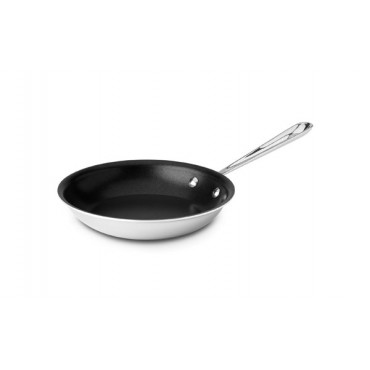
Not all clad pans are non-stick. Some have a smooth stainless steel surface that needs oil or butter to prevent sticking. Others may have a non-stick layer. Cladding mainly improves heat and pan strength, not stick resistance.

Credit: www.all-clad.com
Non Stick Coatings Explained
Not all All Clad pans come with non stick coatings. Some pans are made of stainless steel or other metals without any coating. Non stick coatings help food not stick to the pan and make cooking easier.
These coatings are usually made from special materials that create a smooth surface. They reduce the need for oil or butter when cooking. It is important to know what types of non stick surfaces are available and how to care for them.
Types Of Non Stick Surfaces
Non stick pans often use different types of coatings. The most common type is PTFE, often called Teflon. Another type uses ceramic coatings. Some pans combine metal with a non stick layer for better heat control.
PTFE coatings create a very smooth surface that stops food from sticking. Ceramic coatings are made from inorganic materials and are free from chemicals used in PTFE. Each type has its own benefits and limits.
- PTFE (Teflon) – smooth, easy to clean, but can wear off over time
- Ceramic – safe at high heat, more scratch resistant, but may lose non stick properties faster
- Hard-anodized aluminum – durable and offers some non stick qualities
- Stainless steel with non stick coating – combines metal strength with a slick surface
Durability And Care
Non stick coatings can wear out if not cared for properly. Using metal utensils or high heat can damage the surface. It is best to use wooden or silicone utensils and cook on low to medium heat.
Cleaning non stick pans gently helps the coating last longer. Avoid abrasive sponges or harsh cleaning agents. Hand washing with warm soapy water is the safest method. Proper care extends the life of your pan.
- Use low to medium heat when cooking
- Avoid metal utensils to prevent scratches
- Hand wash with soft sponges and mild detergent
- Do not use abrasive cleaners or steel wool
- Store pans carefully to avoid damage
Are Clad Pans Naturally Non Stick?
Clad pans are made by bonding layers of metal together. This design makes them strong and heats evenly. But many wonder if they are naturally non stick.
Unlike pans with special coatings, clad pans use metal surfaces. This affects how food sticks during cooking.
Comparing Clad To Non Stick Performance
Non stick pans have a coating that stops food from sticking. Clad pans rely on metal surfaces such as stainless steel or aluminum. This changes the cooking experience.
- Non stick pans cook gently and clean easily.
- Clad pans heat evenly and hold high temperatures well.
- Food can stick more on clad pans without proper technique.
- Clad pans can develop a natural patina over time.
When Clad Pans Behave Like Non Stick
Clad pans can sometimes act like non stick pans. This happens with good heat control and cooking methods.
| Condition | Effect on Food Sticking |
| Preheating the pan properly | Reduces sticking |
| Using enough cooking oil | Creates a barrier |
| Cooking at medium heat | Prevents burning and sticking |
| Regular seasoning of the pan | Builds a non stick surface |

Credit: www.all-clad.com
Advantages Of Non Stick Clad Pans
Non stick clad pans combine the benefits of non stick surfaces with strong construction. They offer easy cooking and durability.
These pans suit many cooking styles and make kitchen tasks simpler and more efficient.
Heat Distribution Benefits
Clad pans have layers of metal that spread heat evenly across the surface. This stops hot spots and allows food to cook uniformly.
- Even cooking helps prevent burning.
- Maintains steady temperature for better results.
- Works well on different heat sources.
Ease Of Cleaning
Non stick clad pans make cleaning quick and simple. Food does not stick to the surface, which means less scrubbing.
| Cleaning Method | Benefit |
| Wiping with a soft cloth | Removes most residues easily |
| Soaking in warm water | Loosens stuck food without effort |
| Using mild detergent | Keeps surface safe and intact |
Limitations Of Clad Pans Without Coating
Clad pans are made by layering metals for even heat. Many clad pans do not have a non-stick coating.
This means food may stick more often compared to coated pans. Users should know the limits of these pans.
Food Sticking Challenges
Clad pans without coating can cause food to stick during cooking. This happens especially with eggs and fish.
High heat and lack of oil increase sticking risks. Food can tear or break apart when stuck to the pan.
- Sticky food needs more care while cooking
- Use moderate heat to reduce sticking
- Adding enough oil helps prevent food from sticking
- Food may need gentle flipping or stirring
Maintenance Tips
Cleaning clad pans without coating requires care. Harsh scrubbing can damage the pan’s surface.
Proper cleaning and drying will keep the pan in good shape longer. Avoid using metal scrubbers or abrasive cleaners.
- Clean with warm soapy water and soft sponge
- Dry the pan completely after washing
- Use oil to season the pan for better performance
- Store the pan in a dry place to avoid rust
Choosing The Right Pan For Your Cooking Style
Many cooks wonder if all clad pans are non stick. Not all clad pans have a non stick surface. They come in different materials and finishes.
Choosing the right pan depends on your cooking style and the foods you make most often. Knowing the difference helps you pick the best pan.
Factors To Consider
Think about what foods you cook and how you like to cook them. Some pans work better for certain dishes or heat types.
Also, consider how much care the pan needs. Some require gentle cleaning, while others are more durable.
- Heat distribution and retention
- Ease of cleaning and maintenance
- Durability and scratch resistance
- Type of stove or heat source
- Types of food you cook most often
Best Uses For Clad Vs Non Stick
Clad pans are made with layers of metal like stainless steel and aluminum. They offer even heat and last a long time.
Non stick pans have a coating that stops food from sticking. They are easy to clean but can wear out faster.
- Clad Pans:Great for searing, browning, and deglazing.
- Clad Pans:Best for high heat cooking and oven use.
- Non Stick Pans:Ideal for eggs, pancakes, and delicate foods.
- Non Stick Pans:Good for cooking with less oil or butter.
- Non Stick Pans:Require gentle cleaning to keep the coating.
Caring For Clad And Non Stick Pans
Clad pans and non stick pans need special care to last long. They both cook food well but have different surfaces.
Knowing how to clean and store these pans helps keep their quality and performance.
Cleaning Methods
Clad pans can handle scrubbing but avoid harsh tools. Non stick pans need gentle cleaning to protect their coating.
Use mild soap and soft sponges for both types. Avoid metal scrubbers on non stick pans to prevent damage.
- Wash pans with warm water and mild detergent
- Use soft sponges or cloths only
- Do not use abrasive cleaners on non stick pans
- For tough food, soak pans before washing
- Dry pans immediately to prevent water spots
Storage Recommendations
Store clad and non stick pans carefully to avoid scratches and dents. Keep them dry and in a safe place.
Use pan protectors or soft cloths between stacked pans to protect surfaces, especially non stick coatings.
- Stack pans with soft liners or cloths in between
- Hang pans by their handles if possible
- Keep pans in a dry cabinet or shelf
- Avoid placing heavy items on top of pans
- Store lids separately to prevent damage

Credit: www.amazon.ca
Frequently Asked Questions
Are All All-clad Pans Non-stick?
Not all All-Clad pans are non-stick. All-Clad offers different lines, some with non-stick surfaces and others with stainless steel. Check product descriptions to ensure you’re choosing the right type. Non-stick models are ideal for delicate foods, while stainless steel versions are great for browning and searing.
How To Tell If All-clad Is Non-stick?
To determine if an All-Clad pan is non-stick, check the product label or description. Non-stick pans usually have a dark, smooth coating. Stainless steel pans appear shiny and metallic. You can also feel the surface; non-stick is smoother compared to the slightly textured stainless steel.
Do All-clad Non-stick Pans Last Long?
All-Clad non-stick pans are known for their durability. With proper care, they can last several years. Avoid using metal utensils and high heat to prolong their lifespan. Regular cleaning and maintenance also help maintain their non-stick properties, ensuring you enjoy their benefits for a long time.
Can All-clad Pans Go In The Oven?
Yes, All-Clad pans are oven-safe, but temperature limits depend on the model. Generally, stainless steel pans can withstand higher temperatures than non-stick ones. Always consult the manufacturer’s guidelines to ensure you’re within the safe temperature range, especially for non-stick coatings, to avoid damage.
Conclusion
Not all clad pans have a non-stick surface. Some clad pans use stainless steel without coating. Non-stick clad pans usually have a special layer inside. This layer helps food not to stick while cooking. Choosing the right pan depends on your cooking style.
Knowing the difference helps you cook better meals. Clad pans offer even heat, but not all resist sticking. Consider your needs before buying a clad pan. Good pans last long and make cooking easier. Understanding these facts helps you pick the best pan.