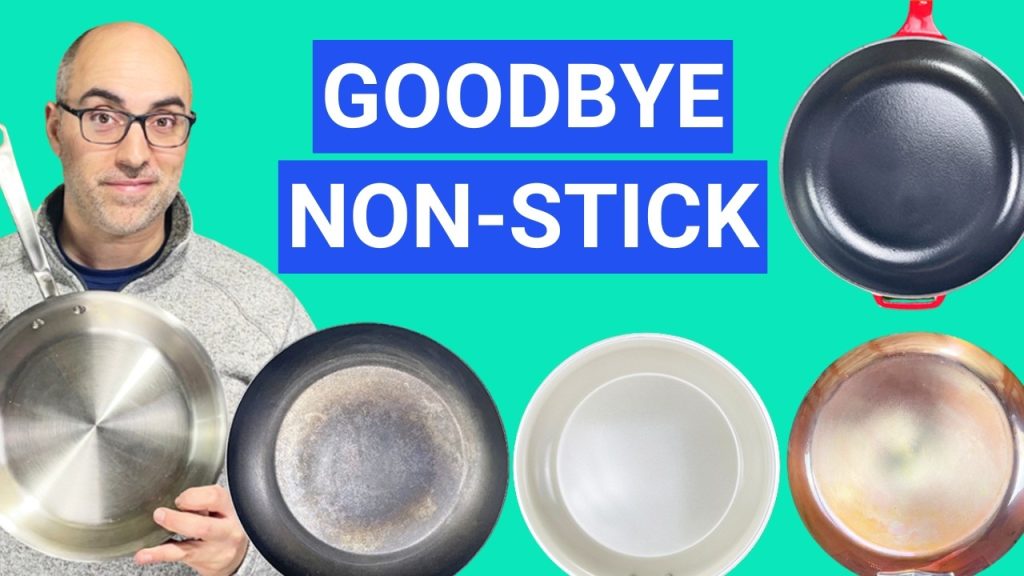
Are you wondering if your All Clad pans are truly safe for cooking? With so many options on the market, it’s natural to ask whether these popular pans are non-toxic and healthy for you and your family.
You want to be sure that the cookware you use doesn’t release harmful chemicals or affect the taste of your food. You’ll discover the truth about All Clad pans, how they’re made, and what makes them a smart choice for your kitchen.
Keep reading to find out if All Clad pans are the safe, reliable cookware you’ve been looking for.

Credit: www.all-clad.com
What Are Clad Pans
Clad pans are pots and pans made with layers of different metals. These layers combine to improve cooking results.
The layers are bonded tightly to create one piece that heats evenly and lasts long.
Materials Used In Clad Cookware
Clad cookware often uses a mix of metals. Each metal adds a special quality to the pan.
- Stainless Steel: This metal is durable and resists rust and stains.
- Aluminum: It heats quickly and spreads heat well.
- Copper: Known for fast and even heating, but it needs care.
- Nickel: Sometimes added for extra shine and resistance.
How Cladding Affects Performance
Cladding changes how a pan cooks food and how easy it is to use.
| Feature | Effect of Cladding |
| Heat Distribution | Even heating reduces hot spots and burns. |
| Durability | Layers protect against warping and damage. |
| Weight | Metal layers add weight but improve balance. |
| Cleaning | Stainless steel surface is easy to clean. |
Common Concerns About Toxicity
Many people worry about the safety of their cookware. Toxic substances can come from some pans. It is important to understand what causes these risks.
Are all All Clad pans free from toxic materials? This guide looks at common concerns and explains key points.
Chemical Coatings And Their Risks
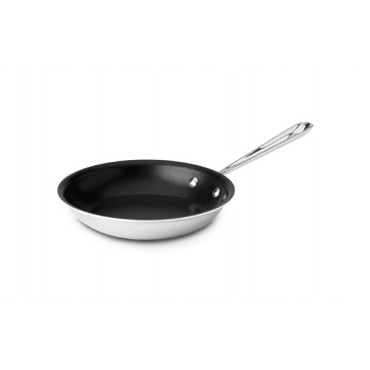
Some cookware has chemical coatings to stop food from sticking. These coatings may release harmful fumes if overheated. All Clad pans mostly use stainless steel without such coatings.
- Non-stick coatings can break down at high heat.
- Some coatings release toxic gases above 500°F (260°C).
- All Clad stainless steel pans do not have these coatings.
- Using metal utensils on coated pans may damage the surface.
- Proper care helps avoid risks from coatings.
Metal Leaching In Cookware
Metal leaching happens when metals dissolve into food during cooking. This can happen with some types of cookware. All Clad pans are made with layered metals that reduce this risk.
| Metal Type | Risk of Leaching | Notes |
| Stainless Steel | Low | Common in All Clad pans, very safe |
| Aluminum | Moderate | Used in core layers, usually sealed |
| Copper | Low | Rare in All Clad, good heat conductor |
| Non-stick Coatings | Variable | Depends on coating type and condition |
Types Of Clad Pans And Safety
Clad pans have layers of metal bonded together. This design improves heat distribution and cooking performance.
Many people ask if all clad pans are non toxic. The answer depends on the metals used and the pan’s quality.
Stainless Steel Clad Pans
Stainless steel clad pans have a layer of stainless steel on the outside and inside. This metal is safe and does not react with food.
These pans are durable and resist rust and corrosion. They do not release toxins during cooking.
Copper Core Clad Pans
Copper core clad pans have a copper layer inside the pan. Copper conducts heat very well but can react with some foods.
- Most copper core pans have stainless steel layers around the copper.
- This prevents food from touching copper directly.
- The stainless steel layer keeps the pan safe and non toxic.
- Without the stainless steel, copper could cause a metallic taste or toxicity.
Aluminum Core Clad Pans
Aluminum core clad pans use aluminum to spread heat evenly. Aluminum is lightweight and heats quickly.
| Feature | Safety Aspect |
|---|---|
| Aluminum Core | Covered by stainless steel to avoid direct contact with food |
| Stainless Steel Layers | Non reactive and safe to use |
| Durability | High resistance to scratching and corrosion |
| Potential Risk | Only if aluminum is exposed, risk of toxicity increases |
Credit: www.kitchenessentials.ca
Signs Of Unsafe Clad Cookware
Not all clad pans are safe to use. Some may contain harmful materials or have damage. It is important to recognize signs of unsafe cookware.
Unsafe clad pans can affect your health and food quality. Watch for signs like poor materials and worn surfaces.
Poor Quality Materials
Low-quality clad pans often use cheap metals that can release toxins. These materials may include low-grade stainless steel or aluminum with harmful coatings.
Cookware made from poor materials can rust or leach metals into food. This can cause health problems over time.
- Use of non-food-grade metals
- Cheap coatings that peel easily
- Rust-prone materials
- Non-stick layers with harmful chemicals
Damaged Or Worn Surfaces
Scratches, dents, or worn layers on clad pans can expose unsafe metals. This damage reduces the pan’s safety and cooking performance.
Worn surfaces may also cause food to stick and burn. It is best to replace cookware with visible damage to stay safe.
- Deep scratches or gouges
- Peeling or flaking layers
- Warped or bent pans
- Discoloration or rust spots
Tips For Choosing Safe Clad Pans
Choosing safe clad pans is important for your health and cooking. Some pans may have coatings or metals that can be harmful.
Knowing what brands to trust and how to check certifications can help you pick the right pan.
Reputable Brands To Consider
Look for brands known for quality and safety in their cookware. These brands often use high-grade stainless steel and avoid harmful chemicals.
- All-Clad
- Cuisinart
- Calphalon
- Demeyere
- Viking
Checking For Certification And Standards
Certifications ensure the pans meet safety and material standards. Always check for marks or labels before buying.
| Certification | What It Means |
|---|---|
| FDA Approved | Safe for food contact and free of harmful toxins |
| ISO Standards | Meets international quality and safety measures |
| Prop 65 Compliance | Free from chemicals known to cause health problems |
| LFGB Certification | Safe for food use in Europe, strict testing applied |

Credit: www.amazon.ca
Maintaining Clad Pans For Safety
Clad pans are popular for cooking because they heat evenly and last a long time. Keeping them safe to use means taking care of them the right way.
Proper care helps prevent damage that could affect the pan’s non-toxic qualities. It also keeps your food tasting great.
Cleaning Techniques
Cleaning clad pans carefully keeps their surface safe and smooth. Use gentle tools like soft sponges or cloths for washing.
Avoid harsh chemicals or abrasive scrubbers. These can scratch the pan and expose the metal underneath.
- Wash with warm water and mild dish soap
- Use soft sponges or cloths only
- Rinse and dry the pan right after cleaning
- Remove stuck food by soaking the pan in warm soapy water
- Do not use steel wool or metal brushes
Avoiding Damage
Prevent damage by handling clad pans with care. Avoid sudden temperature changes to stop warping.
Do not stack heavy pots on clad pans or drop them. These actions can dent or scratch the surface.
- Heat the pan gradually on the stove
- Do not put a hot pan into cold water
- Use wooden or silicone utensils to avoid scratching
- Store pans separately or with protective padding
- Check handles and rivets regularly for tightness
Alternatives To Clad Cookware
Clad pans are popular for cooking but some people want non-toxic options. There are many good alternatives to clad cookware. These options can be safe and effective for cooking.
Choosing the right cookware depends on your needs and health concerns. Here are some common alternatives you might consider.
Ceramic And Glass Options
Ceramic and glass cookware is free from metals that may leach into food. They are often non-reactive and safe for cooking.
Ceramic pans have a smooth surface that cooks food evenly. Glass cookware is good for baking and storing food without chemicals.
- Ceramic coatings avoid harmful chemicals like PTFE and PFOA
- Glass cookware does not react with acidic foods
- Both options are easy to clean and maintain
Cast Iron And Carbon Steel
Cast iron and carbon steel pans are durable and safe for cooking. They do not have synthetic coatings and can last a lifetime.
These pans require seasoning to keep food from sticking. They can add small amounts of iron to your food, which some people find beneficial.
- Cast iron retains heat well for slow cooking
- Carbon steel heats up quickly for searing
- Both improve with regular use and care
Frequently Asked Questions
Are All Clad Pans Completely Non-toxic To Use?
Most clad pans are non-toxic as they use stainless steel and aluminum. However, some may have coatings that vary in safety. Always check the brand and materials to ensure no harmful chemicals are present.
What Materials Make Clad Pans Safe For Cooking?
Safe clad pans typically feature layers of stainless steel and aluminum. Stainless steel is non-reactive, while aluminum ensures even heat. Avoid pans with questionable non-stick coatings for toxicity concerns.
Can Non-stick Clad Pans Release Toxins When Heated?
Some non-stick clad pans may release toxins if overheated above recommended temperatures. Using stainless steel clad pans avoids this risk as they have no synthetic coatings.
How To Identify Non-toxic Clad Pans Easily?
Look for pans labeled as 100% stainless steel with no chemical coatings. Research brands and read reviews to confirm safety and durability before buying.
Conclusion
All-Clad pans are a safe choice for cooking. They use high-quality materials. No harmful chemicals are present. Great for everyday use. Durable and reliable. These pans offer peace of mind. Cooking becomes worry-free. Easy to clean and maintain. Ideal for health-conscious cooks.
Choosing All-Clad ensures non-toxic cookware. A wise investment for your kitchen. Enjoy delicious meals confidently. Your family’s health matters. All-Clad stands for safety and quality. Happy cooking!