
Are you shopping for a new dishwasher and wondering if they all come in the same size? You’re not alone.
Many people assume that dishwashers are a one-size-fits-all appliance. However, this assumption might lead to buying a model that doesn’t fit your kitchen space or meet your needs. Imagine the frustration of purchasing a shiny new dishwasher only to find out it doesn’t fit in your designated area.
No one wants that hassle. By the end of this article, you’ll know exactly what to look for to ensure you make the right choice. Stick around to discover the surprising truth about dishwasher sizes and how to choose the perfect fit for your home.
Standard Dishwasher Dimensions
Understanding the standard dimensions of dishwashers is essential before you shop for one. Knowing the size helps you avoid surprises during installation and ensures the appliance fits perfectly in your kitchen. Let’s break down the typical measurements and see how they might differ across brands.
Typical Height, Width, And Depth
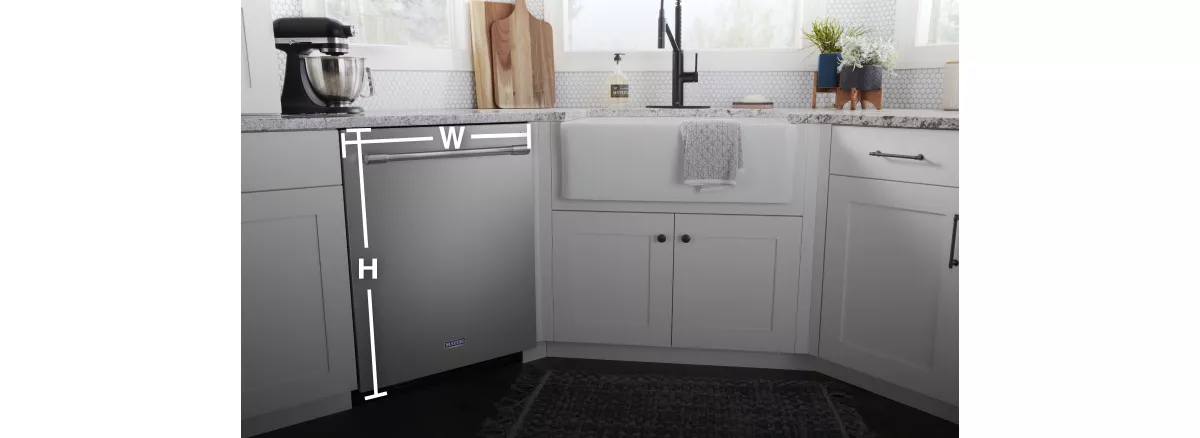
Most standard dishwashers have a height of about 34 inches. This size fits well under most kitchen counters, which are usually around 36 inches high. The width is typically 24 inches, which is enough space to clean a full load of dishes without taking up too much room.
The depth of a standard dishwasher is usually around 24 inchesas well. This depth allows the dishwasher door to open fully without sticking out awkwardly into your kitchen space. If you’re tight on room, these measurements help you plan how much clearance you need.
Variations Across Brands
Not all dishwashers fit the “standard” mold. Some brands offer models that are slightly narrower or shorter to fit smaller kitchens. For example, compact dishwashers may be only 18 inches wide, perfect for apartments or tiny homes.
Even within standard sizes, small differences exist. One brand’s 24-inch dishwasher might be a fraction of an inch deeper or taller than another’s. These slight variations can affect how your dishwasher fits, especially if your kitchen space is very specific.
Have you measured your space carefully? A few inches can make a big difference. Double-checking dimensions before you buy saves you from costly adjustments later.
Compact And Slim Models
Compact and slim dishwashers offer a great solution for kitchens with limited space. These models are designed to fit into smaller areas without sacrificing cleaning power. They are perfect for apartments, tiny homes, or any kitchen where saving space is a priority.
Sizes For Small Kitchens
Compact dishwashers usually measure around 18 inches wide. Slim models can be slightly wider, about 20 to 22 inches. Both types are shorter and less deep than standard dishwashers. These sizes fit well under counters or in tight spots. They allow for more kitchen space while still handling daily dish loads.
Benefits And Limitations
- Save space in small kitchens
- Use less water and energy
- Easier to install in tight areas
- May have fewer loading racks
- Smaller capacity means fewer dishes per load
- Sometimes fewer cycle options available
Choosing compact or slim dishwashers depends on kitchen size and daily needs. They balance space-saving with essential cleaning performance.
Tall Tub Vs. Short Tub Dishwashers
Dishwashers come in different styles and sizes. Two common types are tall tub and short tub dishwashers. Each type has unique features that affect kitchen space and washing capacity. Knowing the difference helps in choosing the right dishwasher for your home.
Space Requirements
Tall tub dishwashers have a deeper interior. They often need more space under the counter. Cabinets may require adjustment for fitting. Short tub dishwashers are shallower. They fit easily in smaller kitchens or tight spots.
Both types usually have the same external width and height. Depth is where they differ the most. Tall tubs can extend further back. This difference affects installation and kitchen layout.
Capacity Differences
Tall tub dishwashers hold more dishes. They can fit larger pots and pans. The extra space makes cleaning bigger loads easier. Short tub dishwashers have less room inside. They work well for smaller families or light use.
Capacity is measured in place settings. Tall tubs often offer 14 to 16 place settings. Short tubs may provide 10 to 12. Choosing depends on your dishwashing needs and kitchen size.
Credit: www.maytag.ca
Built-in Vs. Portable Dishwashers
Choosing between a built-in and a portable dishwasher can significantly impact your kitchen’s functionality and space. Both types serve the same purpose but differ in size, installation, and flexibility. Understanding these differences helps you pick the right model for your needs.
Size Comparisons
Built-in dishwashers typically have a standard width of 24 inches, fitting seamlessly under your countertop. Their height and depth also follow standard kitchen cabinet measurements, making them a consistent choice for most homes.
Portable dishwashers, however, vary more in size. They are generally narrower and can be moved around easily, which is great if you have limited space or rent your home. Some models are even compact, designed to fit on countertops or small kitchen corners.
Have you measured your kitchen space carefully? Knowing your exact dimensions helps avoid buying a dishwasher that’s too big or too small.
Installation Considerations
Built-in dishwashers require a fixed installation. You need to connect them to your kitchen’s water supply and drainage system, often involving professional help. This setup provides a clean, integrated look that stays in place permanently.
Portable dishwashers don’t need permanent installation. You can plug them into a regular outlet and connect them to your kitchen faucet when needed. This flexibility is ideal if you move often or don’t want to alter your kitchen plumbing.
Think about your long-term plans. Do you want a dishwasher that stays put, or one you can move and store away?
Custom And Drawer Dishwashers
Custom and drawer dishwashers offer flexibility beyond standard dishwasher sizes. They fit unique kitchen spaces and serve special cleaning needs. These models differ from traditional dishwashers in design and dimensions. This section explores their size options and benefits for specific users.
Unique Size Options
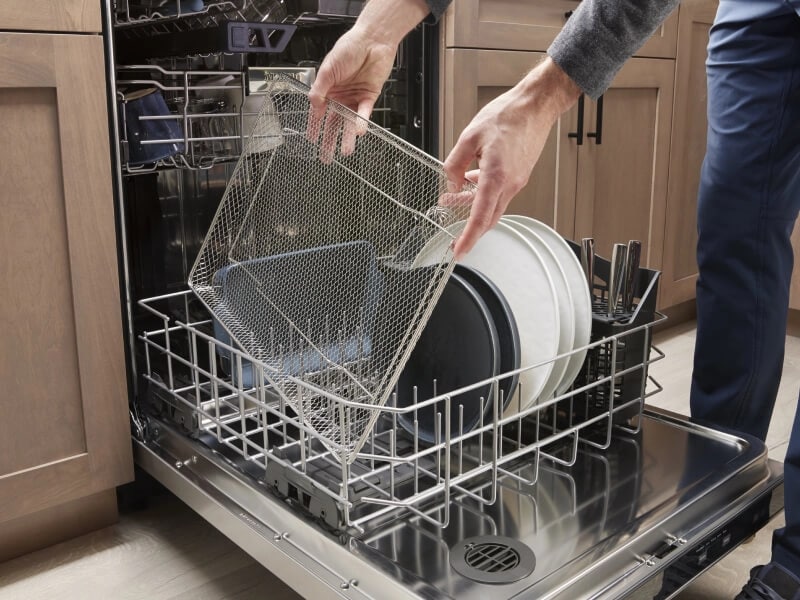
Custom dishwashers come in various widths and heights. They can fit narrow spaces or under counters with limited height. Drawer dishwashers usually have two pull-out drawers. Each drawer works independently, allowing smaller loads to be washed separately.
- Widths range from 18 to 24 inches for custom models.
- Drawer dishwashers are typically 24 inches wide but split vertically.
- Custom sizes help fit awkward kitchen layouts.
- Drawers offer flexibility with half or full loads.
Advantages For Specific Needs
These dishwashers suit homes with limited space or special preferences. Drawer dishwashers reduce water and energy use for small loads. Custom models let homeowners match kitchen designs perfectly. Both options provide convenience and efficiency in daily use.
- Ideal for small kitchens or apartments.
- Separate drawer operation saves resources.
- Custom sizes accommodate unusual kitchen layouts.
- Offers easier loading and unloading in some designs.
Credit: www.maytag.com
Measuring Your Kitchen Space
Before buying a dishwasher, knowing the exact space it will occupy in your kitchen is crucial. Not all dishwashers come in the same size, so measuring your kitchen space carefully can save you from costly mistakes and frustration. Taking accurate measurements helps you pick a dishwasher that fits perfectly without crowding your kitchen or leaving awkward gaps.
How To Measure For A Dishwasher
Start by measuring the width, height, and depth of the space where you plan to install the dishwasher. Use a tape measure and write down each dimension in inches or centimeters. Double-check your numbers to avoid errors—small mistakes can cause big problems later.
Measure from the floor to the bottom of the countertop to get the height. For width, measure the distance between the cabinet walls on both sides. Finally, measure the depth from the front edge of the cabinet opening to the back wall.
If you already have an old dishwasher, measure it as well. This can give you a good benchmark for what size will fit in your kitchen. Don’t forget to check if the door swing will interfere with nearby appliances or cabinets.
Allowing Clearance And Ventilation
Dishwashers need some extra space around them to operate efficiently and avoid damage. Leaving clearance allows for air circulation and prevents overheating. It also makes installation and future maintenance easier.
Most manufacturers recommend leaving at least 1/2 inch of space on each side of the dishwasher. Make sure there is enough room at the front for the door to open fully without hitting anything. Also, don’t forget to check the clearance at the back for hoses and electrical connections.
Have you considered how ventilation affects your dishwasher’s lifespan? Proper ventilation helps avoid moisture buildup and potential mold problems. So, giving your dishwasher room to breathe isn’t just about fitting it in—it’s about protecting your investment.
Choosing The Right Size For Your Needs
Choosing the right dishwasher size is more than just fitting it into your kitchen space. It directly impacts how efficiently you can handle your daily dishwashing tasks. Selecting a size that matches your household needs can save you time, water, and energy.
Family Size And Usage
Your household size plays a big role in deciding the dishwasher capacity you need. A single person or couple might find a compact dishwasher sufficient, while a family of four or more usually requires a larger model.
Think about how often you cook and entertain guests. If you frequently host dinners, a larger dishwasher can handle more dishes in one cycle, reducing the number of washes you run.
For instance, I once had a small dishwasher that barely fit our daily dishes, leading to multiple cycles and wasted energy. Upgrading to a standard 24-inch model made a noticeable difference in convenience and efficiency.
Energy Efficiency And Capacity
Energy-efficient dishwashers often balance size with performance. Larger capacity units might use more water and electricity per cycle but can be more efficient if you run fewer cycles overall.
Look for dishwashers with Energy Star ratings—they typically use less water and energy regardless of size. A well-sized dishwasher ensures you’re not wasting resources on half-empty loads.
Ask yourself: Would it be better to run one full load or two smaller loads? This question can guide you toward the right size that fits your lifestyle and minimizes your environmental footprint.
Common Size Myths And Misconceptions
Many people assume all dishwashers come in the same size, but that’s far from true. Misunderstandings about dishwasher dimensions can lead to buying the wrong model or struggling with installation. Let’s clear up some common myths so you can make smarter choices for your kitchen.
All Dishwashers Fit Standard Kitchen Cabinets
It’s easy to think every dishwasher fits perfectly under your kitchen counter. However, cabinet sizes vary, and not all dishwashers are designed with the same height and width. Some models are compact or slimline, built for smaller spaces, while others are full-sized and require more room.
Have you ever measured your space before shopping? Skipping this step can cause frustration and extra costs if the unit doesn’t fit.
Dishwashers Are One-size-fits-all In Capacity
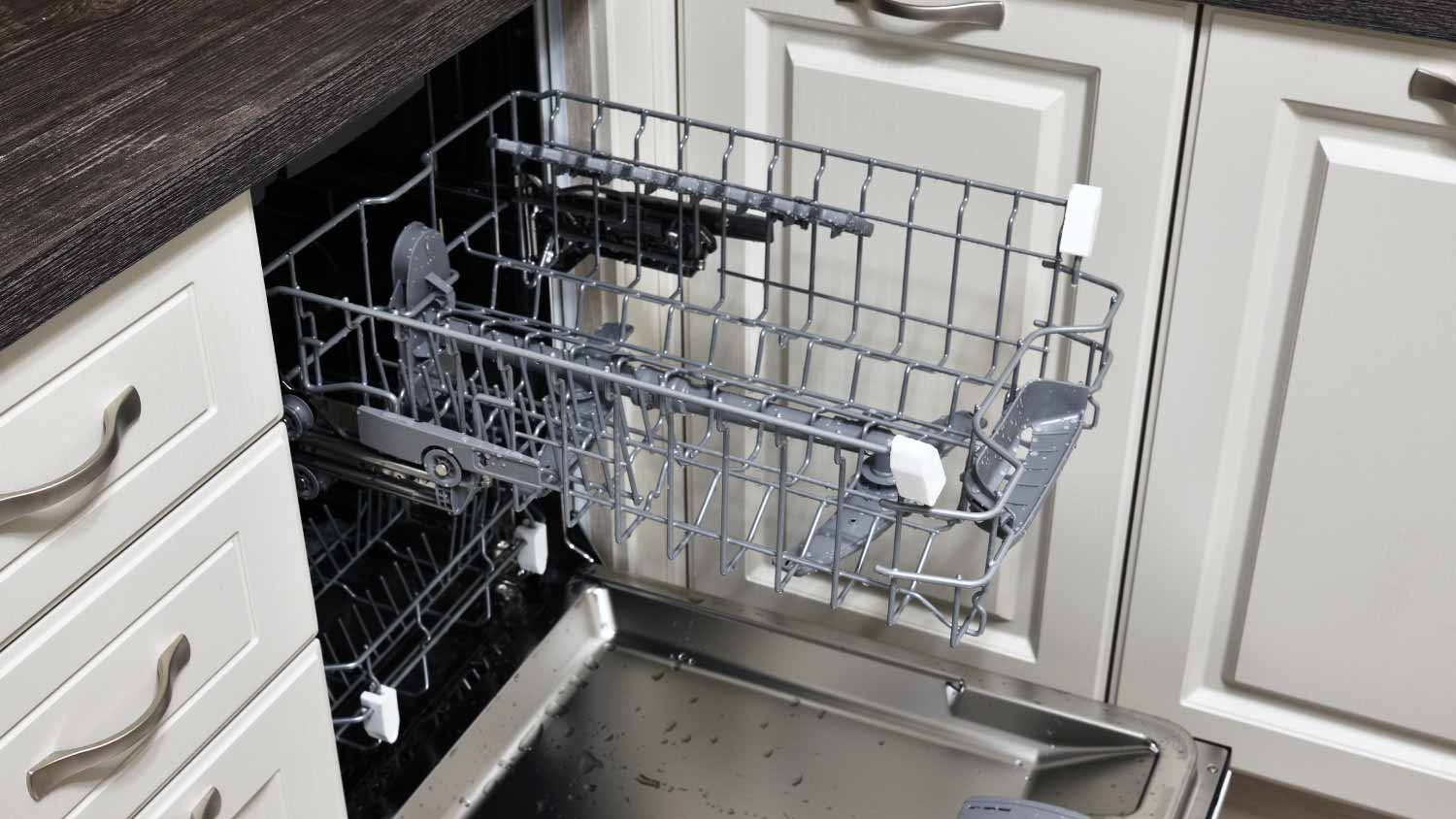
People often believe dishwasher size only refers to physical dimensions, but capacity matters too. A dishwasher might be compact but still hold many dishes, thanks to efficient rack design. Conversely, a larger dishwasher might not maximize space well.
Think about how many plates, pots, and utensils you wash regularly. Does your dishwasher size match your household’s needs?
Custom Or Built-in Dishwashers Have No Size Variety
Custom and built-in dishwashers are thought to have fixed sizes because they’re meant to blend into cabinetry. In reality, these models come in a range of sizes to suit different kitchen layouts. Some even offer adjustable racks and panels to fit better.
Don’t assume a custom dishwasher will fit your kitchen without checking specific measurements and options. It’s worth asking manufacturers or installers for exact dimensions.
Portable And Drawer Dishwashers Are Just Small Versions Of Standard Ones
Portable and drawer dishwashers are often mistaken for tiny versions of regular dishwashers. They actually serve different purposes and come with unique size specs. Portable dishwashers are freestanding and can be moved, while drawer models fit into cabinets but operate differently.
Could a portable dishwasher save space in your kitchen, or would a drawer unit fit your workflow better? Understanding these differences helps you pick the right style.
Credit: www.angi.com
Frequently Asked Questions
Are All Dishwashers The Same Size?
No, dishwashers come in various sizes including compact, standard, and tall tub models. Standard sizes typically measure 24 inches wide, but smaller and larger options exist to fit different kitchen spaces.
What Is The Standard Dishwasher Size?
The standard dishwasher size is usually 24 inches wide, 24 inches deep, and 35 inches high. This size fits most kitchen cabinets and is the most common choice for households.
Can Dishwasher Size Affect Kitchen Layout?
Yes, dishwasher size impacts kitchen layout. Choosing the right size ensures proper fit and efficient use of space. Incorrect size can cause installation issues or reduce kitchen functionality.
Are Compact Dishwashers Smaller Than Standard Ones?
Yes, compact dishwashers are smaller, usually about 18 inches wide. They fit in limited spaces and are ideal for small kitchens or apartments with less dishwashing needs.
Conclusion
Dishwashers do not all come in the same size. Different models fit different spaces and needs. Measure your kitchen area before buying a dishwasher. This helps avoid fitting problems later. Choose a size that matches your dishwashing habits. Small families may need compact machines.
Larger families often benefit from bigger models. Always check product dimensions carefully. This saves time and frustration. Understanding dishwasher sizes makes your kitchen work better. Simple steps lead to a perfect fit.