Are you standing in front of your refrigerator, wondering why the light bulb inside has suddenly gone dark? You’re not alone!
Many people find themselves puzzled when it comes to replacing a refrigerator light bulb. But here’s the real question: Are all refrigerator light bulbs the same? Before you head out to buy a replacement, it’s important to know the difference.
You might be surprised to learn that not all bulbs are created equal. Choosing the wrong one can leave your fridge in the dark or, worse, cause damage. Keep reading to discover the key differences and ensure you make the right choice for your refrigerator. Your kitchen routine could depend on it!
Credit: www.frigidaireapplianceparts.com
Types Of Refrigerator Light Bulbs
Refrigerator light bulbs come in different types, each with unique features that affect brightness, energy use, and lifespan. Knowing these types helps you pick the right bulb when replacing one in your fridge. Let’s look at the common types you might encounter and what makes each one special.
Incandescent Bulbs
Incandescent bulbs are the classic choice found in many older refrigerators. They produce a warm light by heating a filament inside the bulb.
Though inexpensive and easy to replace, they use more energy and burn out faster than newer options. If you value cost upfront but don’t mind changing bulbs more often, these might work for you.
Led Bulbs
LED bulbs are becoming the top pick for most modern refrigerators. They use less energy and last much longer—sometimes up to 25 times longer than incandescent bulbs.
You might notice that LED lights stay cool, which helps keep your fridge’s temperature stable. Have you ever opened your fridge and felt a warm light? LED bulbs prevent that, saving energy and protecting your food.
Halogen Bulbs
Halogen bulbs are brighter and whiter than incandescent bulbs. They produce light by heating a tungsten filament in a halogen gas environment.
These bulbs last longer than incandescent but not as long as LEDs. They can get quite hot, so be careful when handling them. If you want brighter light and don’t mind replacing bulbs occasionally, halogen bulbs could be a good fit.
Common Bulb Sizes And Shapes
Choosing the right refrigerator light bulb means understanding the common sizes and shapes available. Not all bulbs fit every fridge, and using the wrong one can cause poor lighting or even damage. Knowing the typical options helps you pick a bulb that fits perfectly and lasts longer.
Standard Bulb Bases
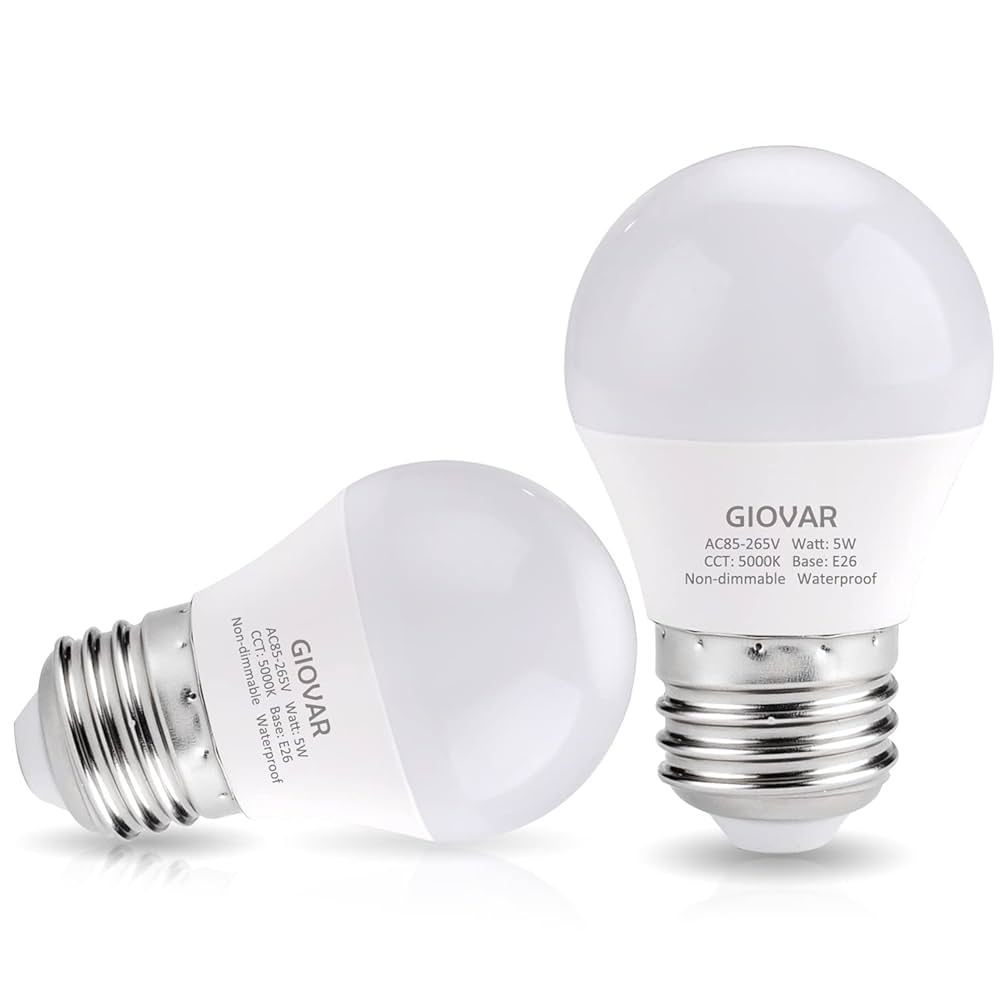
Most refrigerator bulbs use standard bases, but there are a few types you might encounter. The most common is the E17 base, also called the intermediate base, which is smaller than the typical household bulb base. Some older models might use an E26 base, the regular size you find in many home lamps.
There are also wedge bases that simply push into the socket without twisting. These are less common but still important to recognize. When replacing your bulb, check the base type to avoid buying one that won’t fit your fridge socket.
Wattage Variations
Wattage is a key factor in choosing a refrigerator bulb. Most bulbs range from 15 to 40 watts, but the best choice depends on your fridge’s design. A bulb with too high wattage can overheat and damage components, while too low wattage may not provide enough light.
Think about how bright you want your fridge interior to be. For example, a 25-watt bulb often balances brightness and safety well. Always check your fridge’s manual or existing bulb for wattage recommendations before buying a replacement.
Energy Efficiency Differences
Energy efficiency is a key factor in choosing refrigerator light bulbs. Different bulbs use different amounts of power and last for varying times. This affects electricity bills and how often you need to replace the bulb. Understanding these differences helps in picking the best option for your fridge.
Power Consumption Comparison
Not all refrigerator light bulbs consume the same power. Traditional incandescent bulbs use about 15 to 25 watts. LED bulbs use only 1 to 3 watts. This makes LEDs much cheaper to run over time. Lower power use means less energy waste and better efficiency.
Longevity And Durability
LED bulbs last much longer than incandescent ones. A typical LED can last 25,000 hours or more. Incandescent bulbs usually last around 1,000 hours. LEDs handle cold temperatures better and are less likely to break. This means fewer replacements and less hassle for the user.
Compatibility Factors
Understanding the compatibility factors of refrigerator light bulbs can save you time and frustration. Not all bulbs fit or work the same way, even if they look similar. Let’s break down what really matters when choosing the right bulb for your fridge.
Voltage Requirements
Voltage is a key factor that often gets overlooked. Most refrigerator bulbs use either 120V or 12V, depending on the model and design of the appliance.
Using a bulb with the wrong voltage can cause it to burn out quickly or not light up at all. For example, if your fridge requires a 120V bulb and you use a 12V one, the bulb simply won’t work properly.
Check the original bulb or your fridge’s manual to find the correct voltage. It’s a simple step that ensures your replacement bulb performs well and lasts longer.
Bulb Socket Types
The socket type is just as important as voltage. Refrigerator bulbs typically come with different bases, like wedge, bayonet, or screw-in types.
For instance, a wedge base bulb slides into the socket, while a bayonet base requires a push-and-twist motion to lock in place. If the base doesn’t match your fridge’s socket, the bulb won’t fit or make a proper electrical connection.
Before buying, remove the old bulb and note the base type. This small check can prevent you from buying the wrong bulb and needing to make another trip to the store.
How To Choose The Right Bulb
Choosing the right refrigerator bulb ensures proper lighting and safe operation. Not all bulbs fit every fridge. Picking the correct bulb saves energy and extends bulb life. Focus on key factors to make the best choice.
Checking Manufacturer Specifications
Start by reading your refrigerator’s manual. It lists the bulb type and wattage needed. Using bulbs outside these specs can cause damage or poor light. Note the bulb base size and shape. These details ensure the bulb fits correctly. Stick to bulbs approved by the manufacturer.
Considering Brightness And Color Temperature
Brightness affects how well you see inside the fridge. Measured in lumens, higher means brighter light. Choose a brightness level that suits your needs without glare. Color temperature changes the light tone. Cool white bulbs (around 4000K) offer clear, bright light. Warm white bulbs (2700K-3000K) give a softer, yellowish light. Pick a color that feels comfortable and helps identify food better.

Credit: www.amazon.ca
Common Mistakes When Replacing Bulbs
Replacing a refrigerator light bulb seems simple but often leads to errors. These mistakes affect bulb performance and fridge safety. Understanding common errors helps avoid hassles and extra costs.
Using Incorrect Wattage
Choosing a bulb with the wrong wattage can cause problems. A bulb with too high wattage may overheat and damage the fridge. Too low wattage bulbs might not provide enough light. Always check the fridge manual or old bulb for correct wattage. This ensures safety and proper illumination.
Ignoring Bulb Shape And Size
Bulbs come in various shapes and sizes. Installing a bulb that does not fit can cause it to fall or not light up properly. Some refrigerators require a specific shape for proper coverage. Check the bulb’s shape and size before buying. This prevents installation issues and keeps the fridge light working well.
Benefits Of Upgrading To Led
Upgrading your refrigerator light bulb to an LED can make a noticeable difference in your daily kitchen experience and your energy bills. LED bulbs offer several advantages that go beyond just illumination. You might wonder if the upgrade is worth the effort—here’s why it often is.
Improved Energy Savings
LED bulbs use significantly less electricity compared to traditional incandescent or halogen bulbs. This means your fridge consumes less power just to keep the light on, contributing to lower energy bills.
Since the light inside your fridge turns on frequently throughout the day, even small savings add up over time. Have you checked how much energy your current bulb uses? Switching to LED can reduce that consumption by up to 80%.
Better Light Quality
LED bulbs provide bright, clear light that makes it easier to see everything inside your fridge. This can help you spot items quickly, reducing the time the door stays open and saving more energy.
They also produce less heat, so your fridge doesn’t have to work harder to stay cool. Imagine opening your fridge and instantly finding what you need without rummaging around in dim light—LEDs make that possible.

Credit: www.amazon.com
Frequently Asked Questions
Are All Refrigerator Light Bulbs Interchangeable?
No, not all refrigerator light bulbs are interchangeable. Different models require specific bulb types and sizes. Always check your refrigerator’s manual or bulb specifications before replacement to ensure proper fit and function.
What Types Of Bulbs Are Used In Refrigerators?
Refrigerators commonly use incandescent, LED, or halogen bulbs. LED bulbs are energy-efficient and long-lasting. Incandescent bulbs are less common but still found in older models. Halogen bulbs offer bright light but consume more energy.
How To Know Which Bulb Fits My Refrigerator?
Check your refrigerator’s user manual or existing bulb for type and size details. Look for wattage and base type information. When in doubt, bring the old bulb to a hardware store for an exact match.
Can I Use Led Bulbs In Any Refrigerator?
Most modern refrigerators support LED bulbs due to their efficiency and low heat emission. However, verify compatibility with your refrigerator model to avoid electrical issues or improper fit.
Conclusion
Not all refrigerator light bulbs are the same. Different fridges need different bulbs. Check your fridge’s manual before buying. Using the wrong bulb can cause problems. Choose the right size and type carefully. This keeps your fridge working well. Bright light helps you find food easily.
Always replace bulbs with care and attention. A simple step but very important. Keep your fridge bright and safe. Your food will thank you.