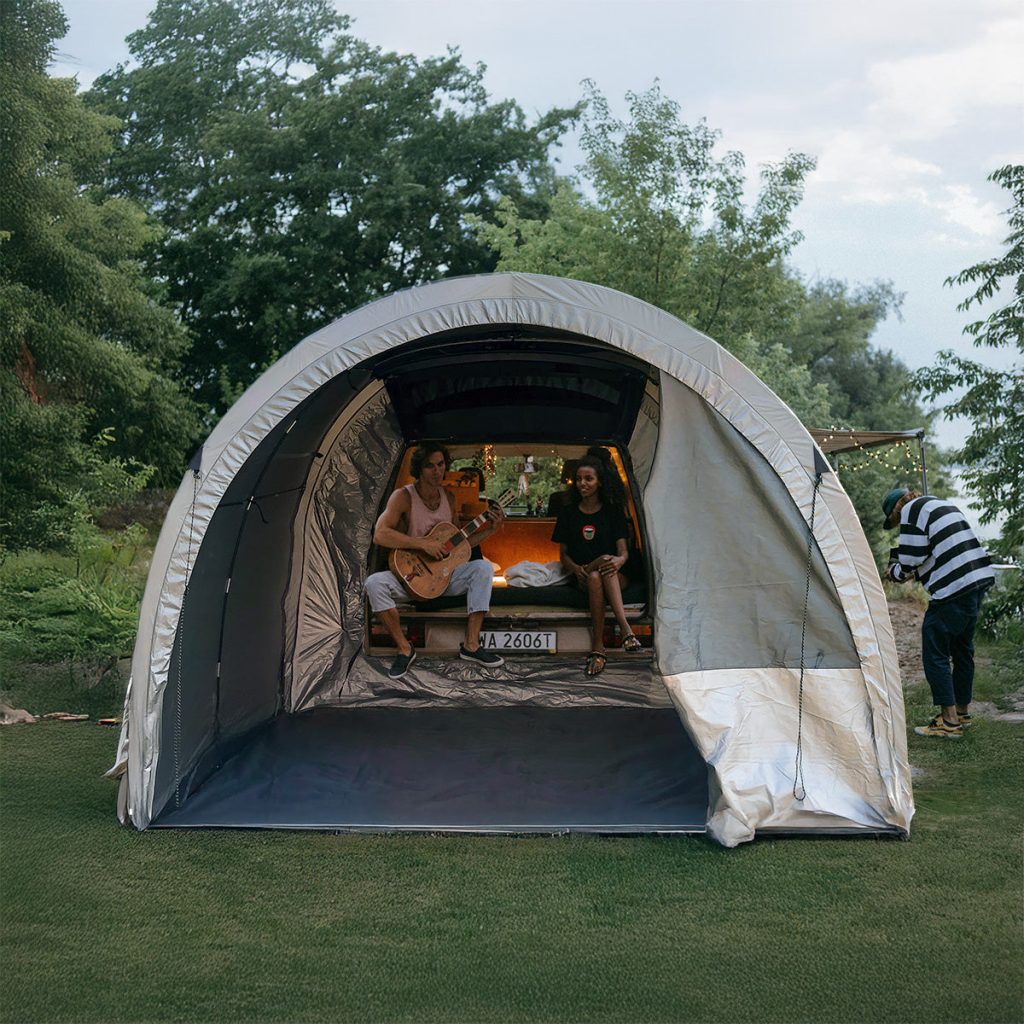
Are you planning your next outdoor adventure and wondering if all tents can keep you dry? You might assume every tent is made to handle rain, but the truth is more complicated.
Choosing the right tent can mean the difference between a cozy night and waking up soaked. You’ll discover what makes a tent waterproof, why some tents fail when the weather turns, and how to pick the best option for your needs.
Keep reading to protect yourself from unexpected downpours and enjoy your time outside, no matter the forecast.
Credit: www.utanking.com
Types Of Tent Fabrics
Tents come in many fabric types. Each fabric has different qualities and uses.
Choosing the right fabric helps keep you dry and comfortable outdoors.
Common Materials Used
Many tents use these common fabrics:
- Nylon:Lightweight and strong, often coated for water resistance.
- Polyester:Holds color well and resists stretching.
- Canvas (Cotton):Heavy but breathable and durable.
- Polyurethane-coated fabrics:Add water protection to nylon or polyester.
- Silicone-coated fabrics:Very waterproof and flexible, often used in high-end tents.
Water Resistance Levels
Water resistance depends on fabric type and coatings. It is measured in millimeters (mm) of water column.
| Fabric Type | Typical Water Resistance (mm) | Notes |
|---|---|---|
| Nylon with PU Coating | 1,000 – 3,000 | Good for light to moderate rain |
| Polyester with PU Coating | 1,500 – 3,000 | Resists UV damage better than nylon |
| Silicone-coated Nylon | 3,000 – 10,000+ | Highly waterproof and strong |
| Canvas (Untreated) | Low | Absorbs water but breathable |
| Canvas (Waxed or Treated) | 1,000 – 5,000 | Improves water resistance significantly |
Waterproof Vs Water-resistant
Not all tents keep you dry the same way. Some tents are waterproof, and others are water-resistant. These terms are different and affect how well a tent protects you from rain.
It is important to know the difference before buying a tent. This helps you pick the right one for your outdoor trips.
Key Differences
Waterproof tents stop water from getting inside completely. They have special fabrics and sealed seams. Water-resistant tents only slow down water but may let some in during heavy rain.
Waterproof tents use coatings like polyurethane or silicone. These keep water out better than water-resistant materials. Water-resistant tents might use tighter weaves or cheaper coatings.
- Waterproof: blocks all water, seals seams
- Water-Resistant: slows water, no full seal
- Waterproof: uses strong coatings like PU or silicone
- Water-Resistant: uses tight fabric weave or light coating
Performance In Rain
Waterproof tents keep you dry even in heavy rain and strong wind. They do not leak because seams are sealed. You can camp in wet weather without worry.
Water-resistant tents work well in light rain or drizzle. They may leak if rain is heavy or lasts a long time. These tents are best for fair weather or short trips.
- Waterproof tents protect in heavy rain and storms
- Sealed seams stop water from dripping inside
- Water-resistant tents handle light rain only
- May leak during long or heavy rain
Coatings And Treatments
Tents need special coatings to stay dry in rain. Coatings and treatments help keep the water out. Not all tents are waterproof without them.
Understanding coatings helps you choose the right tent. Let’s look at some common ones used to make tents waterproof.
Dwr Coating Explained
DWR stands for Durable Water Repellent. It’s a coating applied to tent fabric. This coating causes water to bead up and roll off the tent.
DWR is not permanent. It can wear off over time. Reapplying it can maintain the tent’s water resistance.
- Spray-on DWR is available for easy application.
- Check your tent’s label for DWR information.
- Reapply DWR coating after several uses or washes.
Seam Sealing Importance
Seam sealing is crucial for waterproofing. Seams are where tent pieces are stitched together. Water can leak through these tiny holes.
Seam sealant is applied to cover these holes. It stops water from getting inside the tent. Without it, a tent may still leak even if the fabric is waterproof.
| DIY Seam Sealing | Professional Seam Sealing |
| Use sealant from outdoor stores | Factory-applied for best results |
| Follow instructions carefully | More expensive option |

Credit: alpkit.com
Testing Tent Waterproofing
Tents come with different waterproof ratings. These ratings show how well a tent can keep water out.
It is important to test a tent’s waterproofing before using it in wet weather. This helps avoid surprises.
Standard Waterproof Ratings
Waterproof ratings are measured in millimeters (mm). This number shows how much water pressure a fabric can hold before leaking.
| Rating (mm) | Protection Level |
| Below 1,000 | Light rain, not very reliable |
| 1,000 – 1,500 | Light to moderate rain |
| 1,500 – 3,000 | Moderate to heavy rain |
| Above 3,000 | Heavy rain and strong storms |
Diy Waterproof Tests
You can check waterproofing at home with simple tests. These tests show if water will pass through the tent fabric.
- Spray water on the tent fabric using a garden hose or spray bottle.
- Check inside the tent for any water spots or dampness.
- Press a dry paper towel against the fabric to see if it gets wet.
- Look for signs of water pooling or leaking during heavy spray.
Factors Affecting Waterproofing
Not all tents are fully waterproof. Different factors affect how well a tent keeps water out. Understanding these helps you choose and care for your tent.
Waterproofing depends on the materials and how the tent is made. It also changes over time with use and care.
Wear And Tear Impact
Wear and tear can reduce a tent’s waterproof ability. Tears, holes, and worn fabric let water inside. Seams can also weaken and leak.
Frequent use and rough conditions cause damage. Sunlight and dirt can break down waterproof coatings. Small damage can grow if not fixed quickly.
- Sharp objects can cause holes
- Sun damages waterproof coatings
- Seams may open after many uses
- Dirt and sand wear fabric down
Maintenance Tips
Proper care keeps tents waterproof longer. Clean the tent gently and dry it fully before storage. Fix small tears right away to stop leaks.
Reapply waterproof sprays to fabric when needed. Store tents in a cool, dry place away from sunlight. Check seams and zippers regularly.
- Clean tent with mild soap and water
- Dry tent completely before packing
- Patch holes and tears quickly
- Use waterproof sprays on fabric
- Store away from heat and sun

Credit: camping.onetigris.com
Choosing The Right Tent
Not all tents are waterproof. Choosing the right tent depends on your needs. You must think about the weather and your budget.
Picking the right tent keeps you dry and comfortable. It also helps you avoid damage to your gear.
Matching Tent To Weather Conditions
Different tents suit different weather. Look for tents made with waterproof materials if rain is expected. Some tents have rain flies for extra protection.
- Three-season tents work well in spring, summer, and fall.
- Four-season tents handle snow and strong winds.
- Lightweight tents are good for dry, warm weather.
- Tents with mesh windows help with ventilation in hot weather.
Budget Vs Quality
Choosing between budget and quality can be tough. Cheaper tents may save money but might not last long or keep you dry. Quality tents often use better fabrics and seams.
| Feature | Budget Tent | Quality Tent |
| Waterproof Material | Basic coating | High-quality waterproof fabric |
| Seam Sealing | Not always sealed | Fully sealed seams |
| Durability | Less durable | Stronger and longer lasting |
| Weight | Heavier | Lighter |
| Price | Lower | Higher |
Common Myths About Tent Waterproofing
Many people think all tents are fully waterproof. This is not always true. Different tents have different levels of water resistance.
Knowing the facts can help you choose the right tent and stay dry during your trips.
Myth: All Tents Keep Rain Out Completely
Not all tents stop water from coming in 100%. Some tents only resist light rain. Heavy rain may still leak inside.
Waterproof ratings vary by tent fabric and design. Check the tent’s waterproof rating before buying.
Myth: Waterproof Means No Water Can Get In
Waterproof means the fabric can resist water pressure. It does not mean water can never enter.
Rain can enter through seams, zippers, or vents if not sealed well. Proper setup helps reduce leaks.
Myth: Coating Always Lasts Forever
Many tents have a waterproof coating. This coating can wear off over time. Dirt and sun can damage it.
You may need to reapply waterproof spray or sealant to keep the tent water-resistant.
Myth: Thicker Fabric Means Better Waterproofing
Thicker fabric does not always mean the tent is more waterproof. Some thin fabrics have strong coatings.
Look at the fabric type and waterproof rating, not just thickness, for the best protection.
Myth: Waterproof Tents Don’t Need Maintenance
Even waterproof tents need care. Cleaning and drying the tent helps keep its waterproofing strong.
Check seams and zippers regularly. Repair any damage to avoid leaks during your trip.
Enhancing Tent Waterproofing
Not all tents are fully waterproof by default. Many tents resist water, but extra care helps keep you dry. Understanding ways to improve tent waterproofing is important for camping comfort.
Simple treatments and correct setup can greatly reduce leaks and water damage. This guide covers additional treatments and proper setup methods.
Additional Treatments
Applying waterproof sprays and seam sealers can boost your tent’s water resistance. These products add a protective layer that stops water from soaking through fabric and seams.
- Use silicone or polyurethane spray for fabric protection
- Apply seam sealer on stitched areas to prevent leaks
- Reapply treatments before each camping season
- Check tent tags for recommended products and instructions
Proper Setup Techniques
Setting up your tent correctly helps water run off and reduces pooling. Good setup prevents damage and keeps the inside dry during rain.
| Setup Tip | Benefit |
| Pitch tent on a slight slope | Allows water to drain away easily |
| Tighten rainfly and tent fabric | Stops sagging that traps water |
| Use a footprint or groundsheet | Protects tent floor from moisture |
| Secure guy lines firmly | Improves tent stability in wind and rain |
Frequently Asked Questions
Are All Tents Made Waterproof By Default?
No, not all tents are waterproof by default. Many tents are water-resistant but require additional treatments or coatings to become fully waterproof. Always check the tent’s specifications and look for features like sealed seams and waterproof materials for reliable protection.
How To Check If A Tent Is Waterproof?
Check the tent’s material and waterproof rating, usually measured in millimeters (mm). Look for features like sealed seams, waterproof coatings, and a rainfly. Higher ratings and these features indicate better waterproof capability. User reviews can also provide insights into real-world performance.
Can A Non-waterproof Tent Be Made Waterproof?
Yes, a non-waterproof tent can be made waterproof. Use waterproof sprays, seam sealants, and rainflies to enhance protection. However, these treatments may not make the tent as reliable as a purpose-built waterproof tent. Regular maintenance is necessary to keep it effective.
What Materials Make Tents Waterproof?
Waterproof tents usually use synthetic materials like polyester or nylon with polyurethane (PU) or silicone coatings. These coatings prevent water penetration. Additionally, taped or sealed seams enhance waterproofing. Material quality and coating thickness directly affect the tent’s water resistance.
Conclusion
Not all tents are waterproof. Some handle light rain well, but others do not. Check the tent’s materials and waterproof ratings before buying. Look for features like sealed seams and rainflies. Good waterproof tents keep you dry and comfortable outdoors.
Always prepare for weather changes during camping trips. Choosing the right tent helps you enjoy your adventure safely. Remember, staying dry makes camping much more fun.