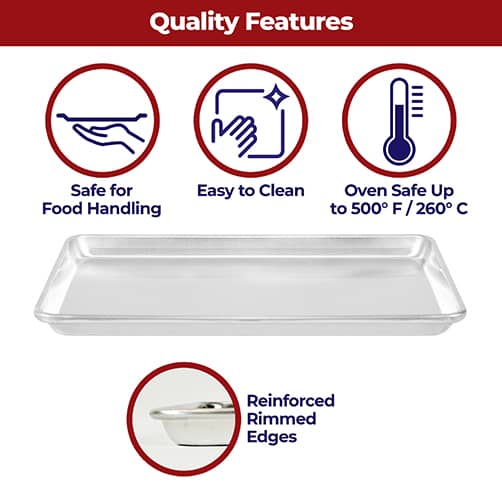
Are you worried about the safety of your aluminum baking sheets? You’re not alone.
Many people wonder if using aluminum cookware could affect their health or the taste of their food. If you’ve ever paused before reaching for that trusty baking sheet, this article is for you. We’ll break down the facts clearly and help you understand exactly what’s safe and what’s not.
Keep reading to learn how to protect yourself and get the best results from your baking sheets every time.
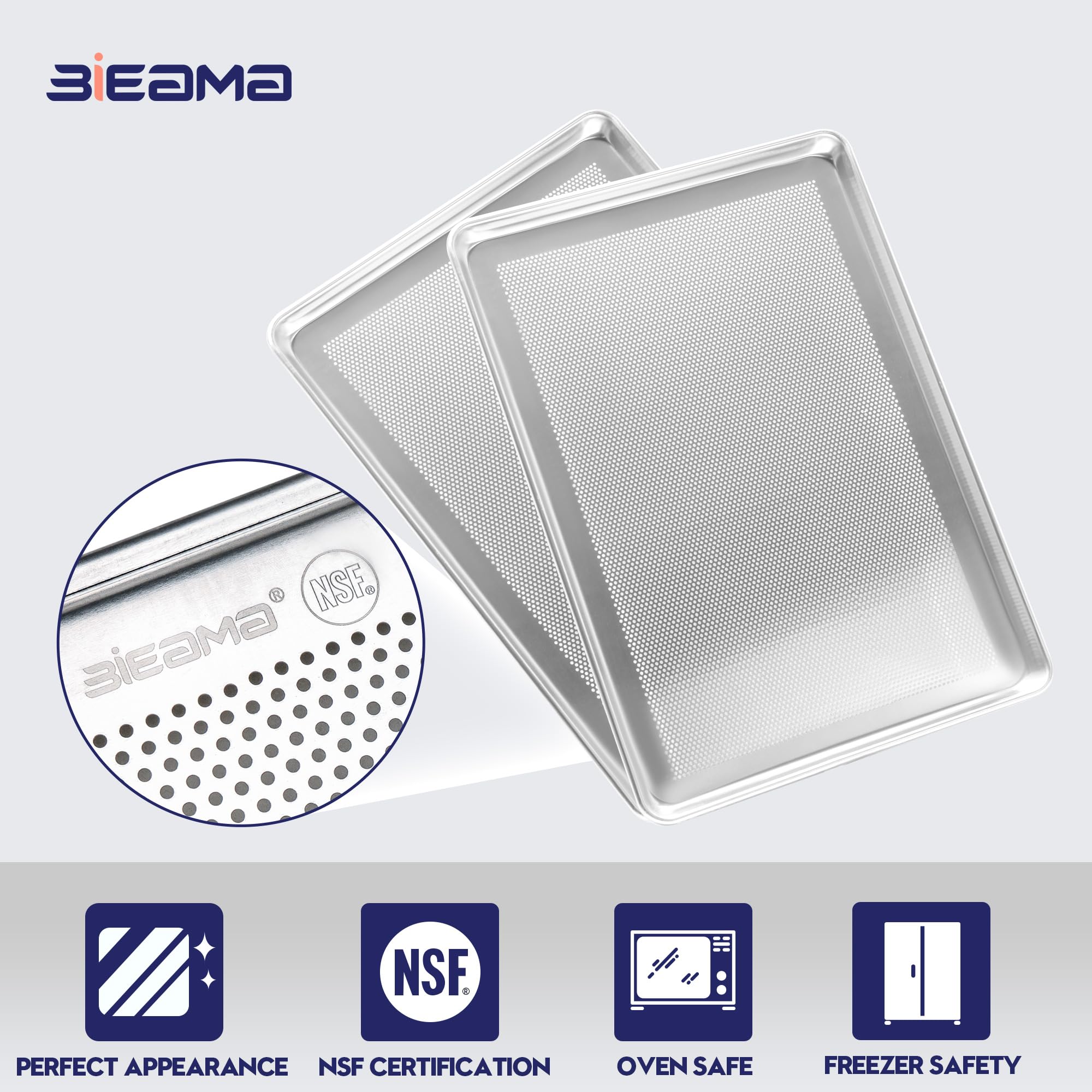
Credit: www.amazon.ca
Safety Of Aluminum In Cooking
Aluminum baking sheets are common in many kitchens. People often wonder if cooking with aluminum is safe. This article explores the safety of aluminum when used in cooking.
We look at how aluminum reacts with food, possible health risks, and safety rules. This helps you make smart choices in the kitchen.
Aluminum Reactivity With Food
Aluminum can react with some foods, especially acidic or salty ones. This reaction may cause aluminum to leach into food. The amount depends on cooking time and temperature.
- Acidic foods like tomatoes and citrus can increase aluminum release.
- Salt can speed up the reaction with aluminum.
- Cooking at high heat for long times raises aluminum exposure.
Health Risks Linked To Aluminum Exposure
Research shows that small amounts of aluminum in food are usually safe. The human body can remove aluminum effectively. But very high exposure may cause health problems.
| Health Concern | Possible Effect | Risk Level |
| Aluminum buildup in brain | Linked to memory issues | Low with normal cooking |
| Bone disorders | May weaken bones | High with long-term exposure |
| Kidney damage | Risk for people with kidney issues | Moderate |
Regulations And Safety Standards
Food safety groups set limits on aluminum exposure. These rules help keep cooking safe. Most aluminum baking sheets meet these standards.
- Use aluminum pans for non-acidic foods to lower risk.
- Avoid cooking very long at high heat in aluminum sheets.
- Follow manufacturer guidelines for safe use.
- Consider coated or anodized aluminum products for extra safety.
Types Of Aluminum Baking Sheets
Aluminum baking sheets come in different types. Each type affects cooking results and safety.
Understanding these types helps you pick the best sheet for your kitchen needs.
Anodized Vs. Raw Aluminum
Anodized aluminum has a hard surface made by an electrochemical process. Raw aluminum is plain metal without treatment.
Anodized sheets resist scratches and do not react with acidic foods. Raw aluminum can react and discolor some foods.
Non-stick Coated Aluminum Sheets
These sheets have a special coating to stop food from sticking. The coating makes cleaning easy.
- Safe for low to medium heat
- Do not use metal utensils to avoid scratching
- May wear off after many uses
Heavy Gauge Vs. Thin Aluminum Sheets
| Type | Thickness | Heat Distribution | Durability |
|---|---|---|---|
| Heavy Gauge | Thick metal | Even heat for baking | Very durable, resists warping |
| Thin | Light metal | Heats quickly but uneven | Less durable, warps easily |
Effects Of Heat On Aluminum Sheets
Aluminum baking sheets are common in many kitchens. People often wonder if heat changes them.
Heat can affect aluminum’s shape and safety. It is important to know how it reacts at high temperatures.
Aluminum And High Temperature Reactions
Aluminum reacts with heat but does not burn easily. It can handle oven temperatures well.
At very high heat, aluminum forms a thin oxide layer. This layer protects the metal and stops rust.
- Aluminum melts at about 1220°F (660°C), which is higher than baking temperatures.
- The oxide layer keeps food safe from metal contact.
- Normal baking or roasting heat does not harm aluminum sheets.
Warping And Durability Concerns
Aluminum sheets can warp if exposed to sudden heat changes. This affects their shape and use.
Thin sheets warp more easily than thick ones. Warping does not make them unsafe but can affect cooking.
- Avoid putting hot aluminum sheets on cold surfaces.
- Use heavy-duty aluminum sheets for better durability.
- Do not expose sheets to direct flame or very high heat.
Safe Usage Tips
Aluminum baking sheets are common in many kitchens. Using them safely helps keep food tasty and your sheets long-lasting.
Follow simple tips to avoid damage and keep your baking sheets in good shape.
Avoiding Acidic Or Salty Foods
Acidic and salty foods can react with aluminum. This may cause discoloration and affect flavor.
- Do not bake tomatoes, citrus, or vinegar-based dishes directly on aluminum sheets.
- Use parchment paper or silicone mats when cooking salty or acidic foods.
- Choose glass or ceramic pans for recipes with strong acids or salts.
Proper Cleaning Methods
Cleaning your aluminum sheets the right way protects their surface and prevents damage.
| Cleaning Method | Recommended |
| Dishwasher | No – can cause dullness |
| Hand wash with warm soapy water | Yes – gentle and safe |
| Abrasive scrubbers | No – scratch the surface |
| Soft cloth or sponge | Yes – keeps surface smooth |
When To Replace Aluminum Sheets
Check your baking sheets regularly to know when to replace them. Old or damaged sheets may affect cooking results.
- Replace sheets with deep scratches or dents.
- Swap out sheets that have persistent stains or discoloration.
- Change sheets if food sticks badly even after cleaning.
- Consider new sheets if aluminum starts to peel or flake.
Alternatives To Aluminum Baking Sheets
Aluminum baking sheets are common in kitchens. Some people worry about safety when using them.
There are other options to use for baking. These alternatives can work well and last long.
Stainless Steel Options
Stainless steel baking sheets do not react with food. They are strong and resist rust.
They may take longer to heat but give even cooking. Clean them with warm water and soap.
- Durable and long-lasting
- Non-reactive with acidic foods
- Easy to clean and maintain
- Does not rust easily
Silicone Baking Mats
Silicone mats are flexible and non-stick. They fit on baking sheets to protect food.
They can be reused many times. Silicone mats are easy to clean and store.
- Non-stick surface for easy release
- Reusable and eco-friendly
- Easy to clean with soap and water
- Heat resistant up to 480°F (250°C)
Glass And Ceramic Alternatives
Glass and ceramic pans heat evenly. They are good for baking cookies and casseroles.
These materials do not react with food. They are easy to clean but can break if dropped.
- Non-reactive and safe for all foods
- Even heat distribution
- Easy to clean and dishwasher safe
- Fragile and can break if dropped
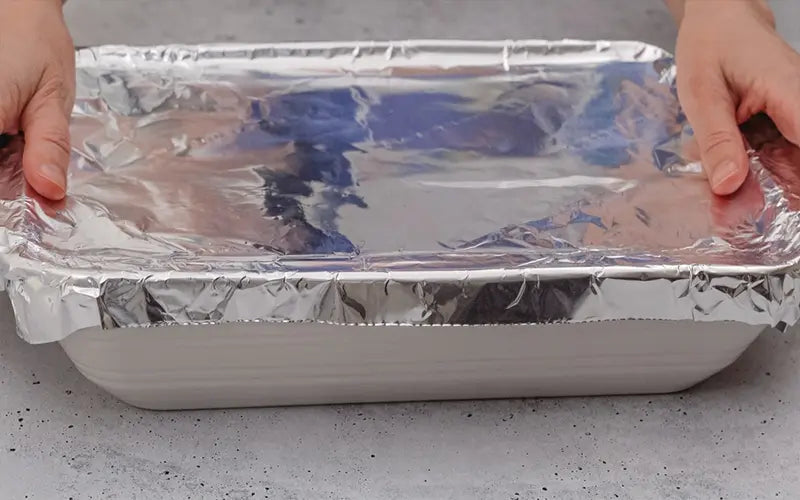
Credit: kitchendance.com
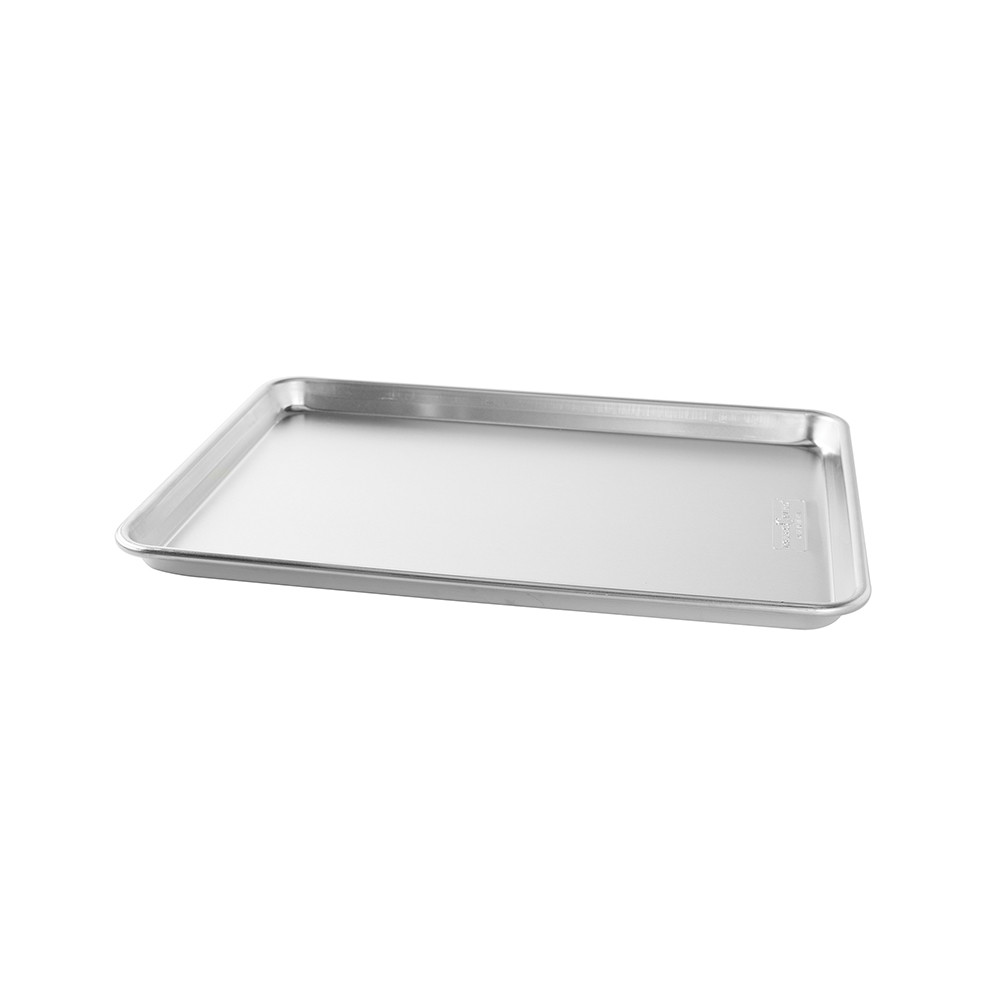
Credit: www.nordicware.com
Frequently Asked Questions
Are Aluminum Baking Sheets Safe For Cooking?
Yes, aluminum baking sheets are safe for cooking. They conduct heat well, ensuring even baking. However, acidic foods can cause aluminum to leach into food. To minimize this, line the sheet with parchment paper or use anodized aluminum sheets, which have a protective layer.
Do Aluminum Baking Sheets Leach Chemicals?
Aluminum baking sheets can leach small amounts of aluminum, especially with acidic foods. However, this is generally minimal and considered safe by most health standards. Using parchment paper or anodized aluminum sheets can help reduce any potential leaching, offering a safer cooking experience.
Can Aluminum Baking Sheets Cause Health Issues?
Aluminum baking sheets are generally safe for use. They do leach small amounts of aluminum, but it’s not enough to cause health issues for most people. For those concerned, using anodized aluminum sheets or lining with parchment paper can further minimize exposure.
How To Prevent Aluminum Leaching In Baking?
To prevent aluminum leaching, line your baking sheet with parchment paper or use anodized aluminum sheets. Anodized sheets have a protective layer that reduces leaching. Avoid cooking acidic foods directly on aluminum sheets to minimize any potential leaching and ensure safe baking.
Conclusion
Aluminum baking sheets are generally safe for cooking and baking. They heat food evenly and are lightweight to handle. Avoid using them with acidic foods to prevent reactions. Cleaning them gently helps keep their surface intact. Choosing high-quality aluminum sheets adds to safety and durability.
Use them wisely, and they will serve your kitchen well. Simple care makes a big difference in their lifespan. Safe, easy, and practical—aluminum baking sheets fit many cooking needs.