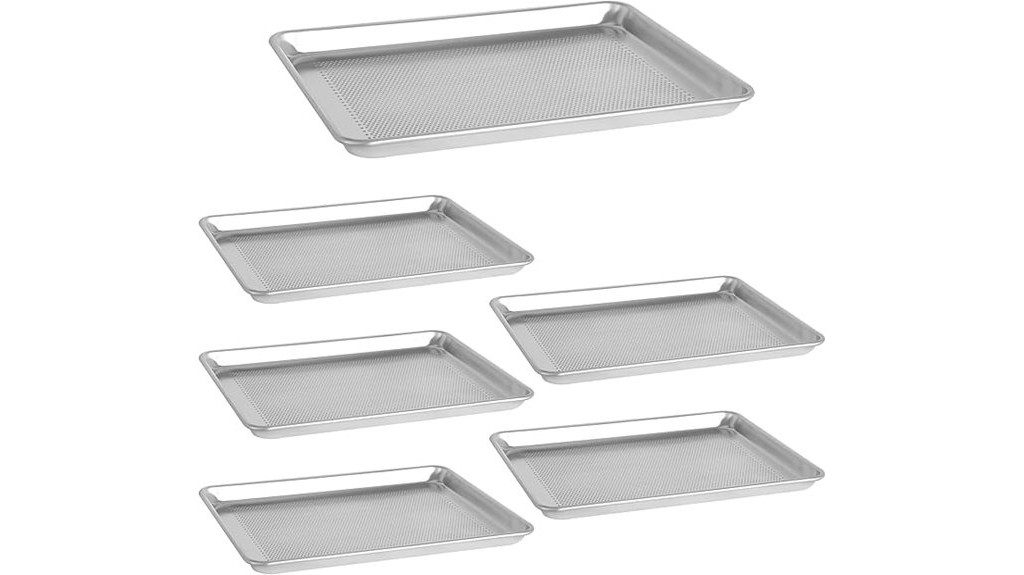
Are you worried about the safety of your baking tools? If you often use aluminum baking sheets, you might be wondering—are they toxic?
You want to keep your family safe and enjoy delicious meals without any hidden risks. This article will clear up the confusion and give you simple facts about aluminum baking sheets. By the end, you’ll know exactly what to watch for and how to use them safely.
Keep reading to protect your health and bake with confidence.
Credit: healthytasteoflife.com
Aluminum Baking Sheets Basics
Aluminum baking sheets are common kitchen tools. Many people use them for baking and roasting. They heat up quickly and spread heat evenly.
People often wonder if aluminum baking sheets are safe. Understanding their material and uses can help answer that question.
Material Properties
Aluminum is a lightweight metal that resists rust. It conducts heat well, which helps cook food evenly. It can react with acidic foods but is generally stable.
| Property | Description |
| Weight | Light and easy to handle |
| Heat Conduction | High, cooks food evenly |
| Durability | Resists rust but can scratch |
| Reactivity | May react with acidic foods |
| Cleaning | Easy to clean but avoid harsh scrubbing |
Common Uses In Cooking
Aluminum baking sheets work well for many cooking tasks. They are popular for baking cookies, roasting vegetables, and toasting nuts.
- Baking cookies and pastries
- Roasting vegetables and meats
- Toasting nuts and seeds
- Broiling small cuts of meat
- Reheating leftovers evenly
Health Concerns Linked To Aluminum
Aluminum baking sheets are common in many kitchens. People often ask if they are safe to use for cooking.
Some worry that aluminum can cause health problems. It is important to know what risks, if any, exist.
Potential Risks From Aluminum Exposure
Aluminum is found naturally in soil, water, and food. The body usually handles small amounts well.
But too much aluminum can build up and cause issues. This may happen with high exposure or certain health conditions.
- Skin irritation from contact
- Bone weakening from high levels
- Kidney problems in people with kidney disease
Aluminum And Neurodegenerative Diseases
Some studies suggest aluminum might affect the brain. Researchers look at links to diseases like Alzheimer’s.
So far, no clear proof shows aluminum causes these diseases. Scientists continue to study this to understand better.
- Aluminum can enter the brain in small amounts
- High levels may harm brain cells
- More research is needed to confirm risks
Aluminum Leaching In Baking
Aluminum baking sheets are common in many kitchens. People worry about aluminum leaching into food while baking.
Leaching means aluminum can mix with food during cooking. This can happen under certain conditions.
Factors That Increase Leaching
Several things can raise the chance of aluminum leaching. These include the type of food, baking time, and heat level.
Using old or scratched baking sheets can also increase leaching. The protective layer on aluminum can wear off.
- Acidic foods cause more leaching
- Higher temperatures increase leaching
- Longer baking times raise leaching risk
- Scratched or worn baking sheets leach more
Effect Of Food Acidity And Temperature
Acidic foods like tomatoes or citrus can break down aluminum. This causes more aluminum to mix with the food.
High heat speeds up this process. The hotter the oven, the more aluminum can leach into food.
- Acidic foods increase aluminum release
- Cooking at high temperatures worsens leaching
- Combine acidity and heat for highest risk
Credit: healthytasteoflife.com
Research Findings On Toxicity
Aluminum baking sheets are popular in kitchens. Some people worry about aluminum exposure from cooking. Research helps us understand if these sheets are safe.
This section reviews scientific studies and safety rules. It shows what experts say about aluminum in cookware.
Scientific Studies On Aluminum Exposure
Scientists studied how much aluminum passes into food during cooking. Most studies find only very small amounts of aluminum move from baking sheets to food.
- Aluminum exposure from baking sheets is much lower than from food and water.
- Cooking acidic foods can increase aluminum transfer, but levels remain low.
- Long-term health risks from aluminum baking sheets are not proven.
- Healthy kidneys remove small amounts of aluminum from the body.
Regulatory Safety Standards
Health agencies set limits for safe aluminum intake. These limits include all sources of aluminum, not just cookware.
| Agency | Aluminum Limit | Notes |
| World Health Organization (WHO) | 2 mg/kg body weight per week | Based on total exposure |
| U.S. Food and Drug Administration (FDA) | No specific limit for cookware | Monitors overall food safety |
| European Food Safety Authority (EFSA) | 1 mg/kg body weight per week | Includes food additives and packaging |
Safe Use Tips For Aluminum Sheets
Aluminum baking sheets are popular in many kitchens. They are lightweight and heat food evenly.
Some people worry about aluminum touching their food. Using aluminum sheets safely can reduce any risks.
Preventing Aluminum Contact With Food
Aluminum can react with acidic or salty foods. This reaction may change the taste and color of food.
To stop this, use a barrier between food and the aluminum sheet. It keeps food safe and fresh.
- Line sheets with parchment paper before baking
- Use silicone baking mats for a reusable option
- Avoid cooking very acidic foods on bare aluminum
- Do not store food directly on aluminum sheets
- Wash sheets carefully to avoid damage to any protective coating
Alternatives To Aluminum Baking Sheets
Some people want other options instead of aluminum sheets. There are many safe choices for baking.
Choosing the right baking sheet depends on your cooking style and needs.
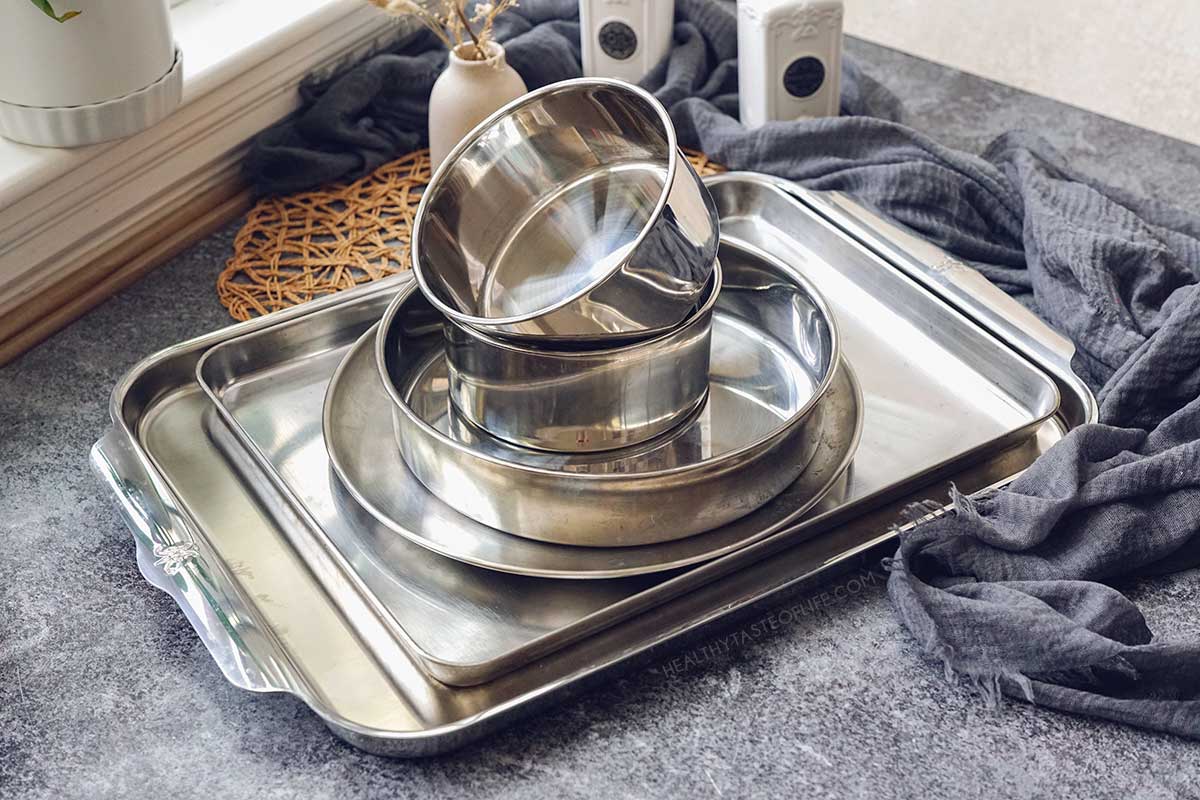
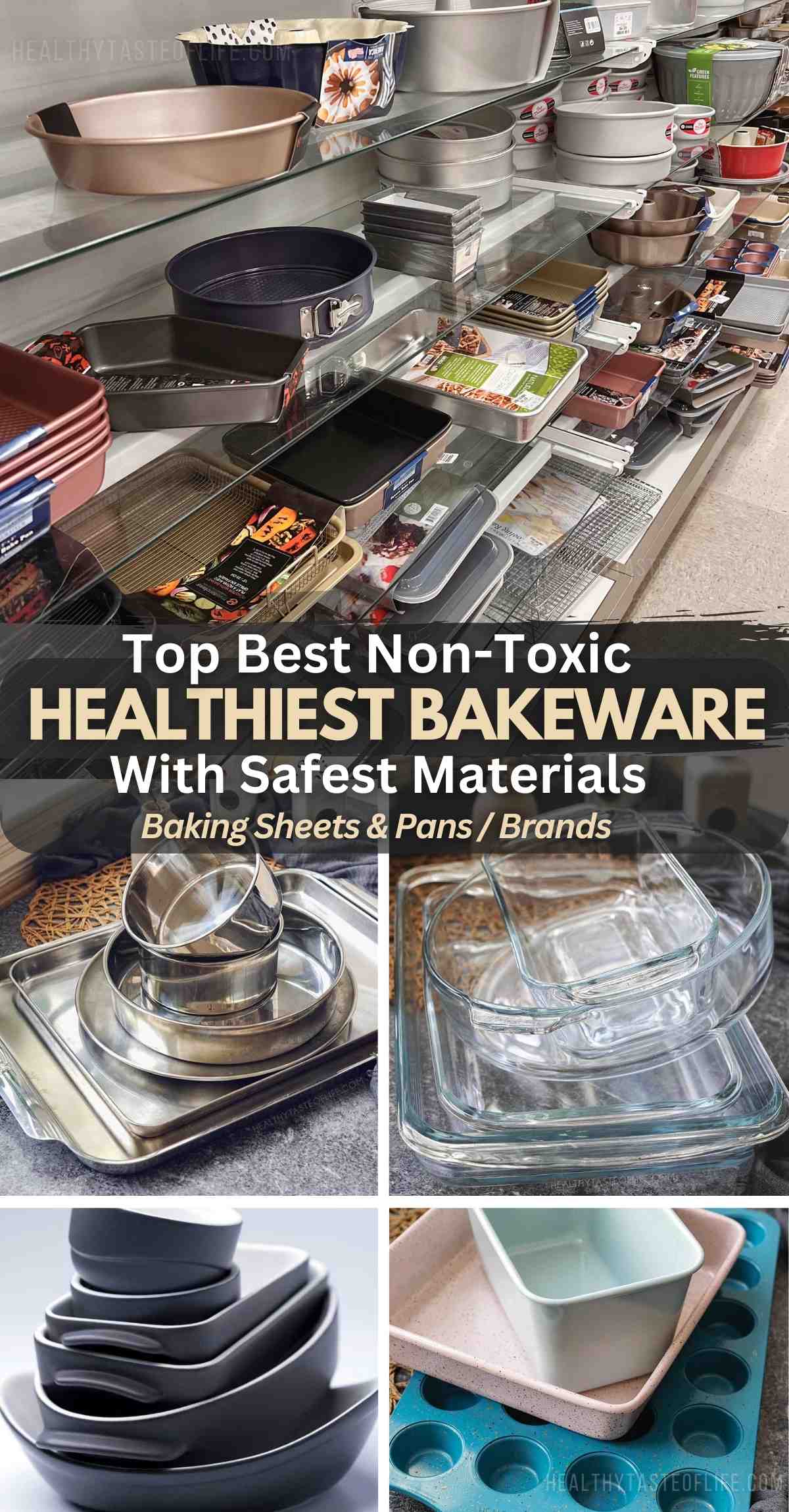
- Stainless steel sheets: durable and non-reactive
- Ceramic-coated sheets: easy to clean and non-stick
- Glass baking dishes: good for even heat and no metal contact
- Silicone mats: flexible and reusable, great for lining pans
- Cast iron pans: excellent heat retention but heavier

Credit: www.reddit.com
Frequently Asked Questions
Are Aluminum Baking Sheets Safe To Use?
Aluminum baking sheets are generally safe for baking. They efficiently conduct heat and are widely used in kitchens. Ensure they are not scratched or damaged, as this can lead to leaching. For added safety, use parchment paper or a silicone baking mat to prevent direct contact with food.
Do Aluminum Sheets Leach Into Food?
Aluminum can leach into food, especially with acidic or salty dishes. However, the amount is usually minimal. Using a protective layer like parchment paper can reduce contact. Anodized aluminum sheets are also less likely to leach, providing an additional level of safety for cooking.
Can Aluminum Baking Sheets Cause Health Issues?
Aluminum exposure from baking sheets is low and unlikely to cause health issues. Most everyday exposure to aluminum is considered safe by health agencies. However, individuals with specific health concerns should consult with a healthcare professional. Opting for anodized or coated sheets can offer extra peace of mind.
How To Minimize Risk With Aluminum Baking Sheets?
To minimize risk, avoid cooking acidic foods directly on aluminum sheets. Use parchment paper or silicone mats as a barrier. Regularly inspect your sheets for scratches or wear. Consider using anodized aluminum sheets, which are less reactive. These practices help ensure safer cooking with aluminum sheets.
Conclusion
Aluminum baking sheets are safe for most cooking needs. Small amounts of aluminum may transfer to food but usually pose little risk. Avoid using damaged or scratched sheets to reduce metal exposure. Choose anodized or coated options for extra protection.
Proper care and cleaning keep sheets in good shape. Trust reliable sources and follow simple safety tips. Cooking with aluminum sheets can remain part of a healthy kitchen routine. Simple steps make a big difference in your food’s safety.