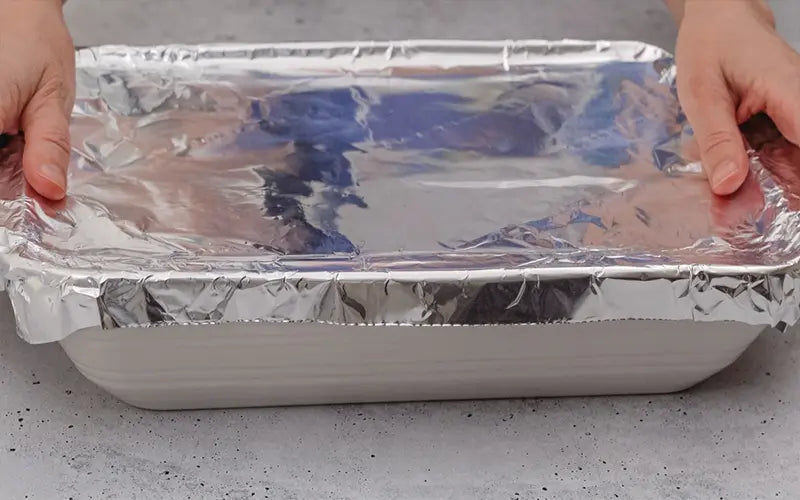
Are you tired of standing over the sink, scrubbing your aluminum pans after a delicious meal? You might be wondering if you can save time by simply tossing them into the dishwasher.
Before you make that decision, it’s crucial to know whether aluminum pans are dishwasher safe. This seemingly simple choice can affect the longevity of your cookware and the taste of your future meals. We’ll dive into the facts you need to know.
We’ll reveal the surprising truth behind aluminum pans in dishwashers, helping you make an informed choice for your kitchen. Stick around to discover how to keep your pans in top shape and maintain your peace of mind.
Aluminum Pans And Dishwashers
Aluminum pans are popular in many kitchens for their lightweight nature and excellent heat conduction. But when it comes to cleaning, you might wonder if tossing them in the dishwasher is a safe bet. Understanding how dishwashers interact with aluminum pans can help you protect your cookware and keep it looking great longer.
How Dishwashers Affect Aluminum
Dishwashers use strong detergents and high heat to clean dishes thoroughly. These detergents often contain harsh chemicals that can react with aluminum, leading to discoloration or a dull, gray film on the surface. Over time, repeated dishwasher cycles can cause the aluminum to lose its shine and develop a rough texture.
Have you ever noticed your aluminum pan turning dark or spotted after a few washes? That’s the chemical reaction in action. The combination of water temperature, detergent, and the dishwasher’s environment can accelerate the oxidation process, which doesn’t happen as quickly if you wash by hand.
Common Issues With Dishwasher Use
- Discoloration:Aluminum pans often lose their bright, silvery finish and take on a dull or patchy look.
- Pitting:Small pits or holes can form on the surface due to corrosive dishwasher detergents.
- Warping:High heat and rapid temperature changes inside the dishwasher may cause thinner aluminum pans to warp.
- Loss of Non-Stick Coating:If your aluminum pan has a non-stick surface, the dishwasher can degrade the coating faster.
Think about your own kitchen habits—do you prioritize convenience by using the dishwasher, or do you prefer hand washing to keep your pans pristine? Understanding these issues can help you decide the best way to care for your aluminum cookware.
Signs Of Damage On Aluminum Pans
Aluminum pans can show signs of damage after regular use or improper care. Spotting these signs early helps keep your cookware safe and functional. Watch for changes in color, shape, and surface texture. These often point to wear or damage that affects cooking performance and safety.
Discoloration And Staining
Aluminum pans may develop dark or dull spots over time. These stains appear after exposure to acidic foods or harsh detergents. Discoloration does not always mean the pan is unusable, but it can indicate surface damage.
Look for:
- Uneven color changes
- Dark patches on the cooking surface
- Stains that don’t wash off easily
Persistent discoloration can affect heat distribution and food taste.
Warping And Surface Changes
Warping occurs when aluminum pans lose their original shape. Heat from stoves or dishwashers can cause this problem. A warped pan may not sit flat on the burner, leading to uneven cooking.
Signs of warping include:
- Wobbly or uneven base
- Curved or bent edges
- Surface texture that feels rough or pitted
Surface changes like scratches or rough patches can also signal damage. These affect the pan’s non-stick ability and make cleaning harder.
Safe Cleaning Methods
Cleaning aluminum pans requires a gentle touch to keep their surface looking great and performing well. Using the wrong cleaning method can cause discoloration or damage. Let’s focus on safe cleaning methods that protect your pans and extend their lifespan.
Hand Washing Techniques
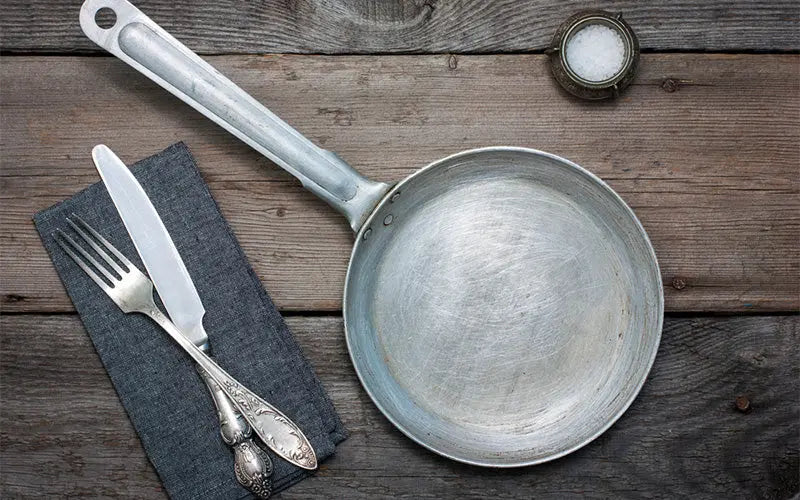
Hand washing aluminum pans is the safest way to clean them. Use warm water and a mild dish soap to avoid harsh chemicals that can strip the surface. Avoid abrasive scrubbers; instead, opt for a soft sponge or cloth to gently remove food residue.
If you notice stubborn stains, soak the pan in warm soapy water for a few minutes before scrubbing. This helps loosen stuck-on food without scrubbing aggressively. Have you ever seen your pan turn dull or develop scratches? That usually means you’ve used a scouring pad that’s too harsh.
Choosing The Right Cleaning Products
Pick cleaning products that are specifically safe for aluminum. Avoid bleach or strong alkaline cleaners, as they can cause corrosion. Look for detergents labeled as “non-abrasive” or “safe for aluminum” to keep your pans in top shape.
Natural alternatives like baking soda mixed with water can also clean your pans gently. Apply a paste, let it sit for a few minutes, then wipe off with a soft cloth. This method often surprises people with its effectiveness without any harsh chemicals.
Credit: kitchendance.com
Preventing Aluminum Pan Damage
Protecting your aluminum pans from damage is key to keeping them looking great and lasting longer. Aluminum is a soft metal that can easily get scratched or discolored if not handled correctly. Taking a few simple steps can save you from costly replacements and frustrating cooking experiences.
Avoiding Harsh Detergents
Harsh detergents can strip the natural finish of aluminum pans, causing dullness and corrosion. You should opt for mild dish soaps that gently clean without damaging the surface. If your pan has stubborn stains, soak it in warm soapy water before wiping rather than scrubbing aggressively.
Have you noticed how some detergents leave your pans looking cloudy? That’s a sign they are too strong for aluminum. Choosing a gentle cleaner helps preserve the pan’s shine and cooking performance.
Proper Drying And Storage
Leaving aluminum pans wet can lead to water spots and even corrosion over time. Always dry your pans immediately after washing using a soft cloth. Avoid air drying as moisture can settle in hard-to-reach spots and cause damage.
Storage also plays a big role in preventing damage. Stack pans carefully with a cloth or paper towel between them to avoid scratches. Think about how you store your pans—are they rubbing against each other or other utensils? Small changes here can make a big difference in their lifespan.
Alternatives For Dishwasher Use
Not all aluminum pans are safe for dishwasher use, but that doesn’t mean you have to give up the convenience of dishwasher cleaning altogether. There are alternatives designed to withstand the dishwasher’s harsh environment without warping or discoloring. Understanding these options can help you protect your cookware and keep your kitchen routine easy.
Dishwasher-safe Aluminum Options
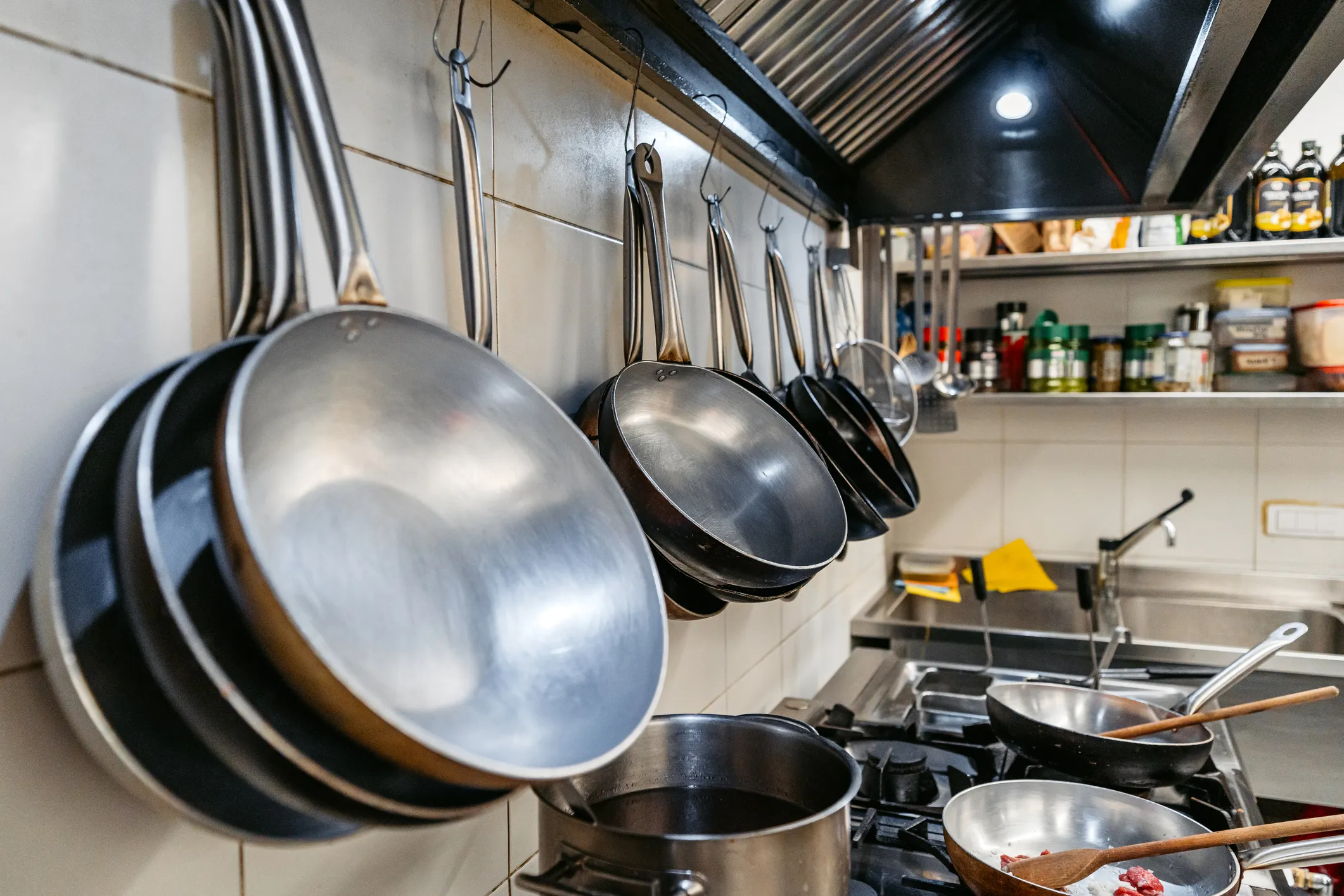
Some aluminum pans come specially treated or constructed to handle dishwasher cycles. These pans often have a thicker gauge or are anodized, which makes the surface harder and more resistant to corrosion.
Brands offering dishwasher-safe aluminum pans usually label them clearly. Look for terms like “dishwasher-safe” or “anodized aluminum” when shopping. If you prefer effortless cleanup, these pans can save you time and avoid hand-washing hassles.
Have you noticed your regular aluminum pan getting dull or spotted after dishwashing? Switching to a dishwasher-safe option might solve that problem without sacrificing performance in cooking.
Coated Vs. Uncoated Aluminum Pans
Coated aluminum pans have an additional layer, such as non-stick or ceramic, which protects the aluminum from direct exposure to water and detergents. This coating acts as a barrier, reducing the risk of damage in the dishwasher.
Uncoated aluminum, on the other hand, is more vulnerable. Dishwashing can cause discoloration, pitting, or even weaken the pan’s structure over time. If you prefer uncoated aluminum for its cooking qualities, you might want to avoid putting it in the dishwasher altogether.
Choosing between coated and uncoated pans depends on your priorities. Do you value easy cleaning more, or are you focused on the pure cooking surface? Understanding how coatings affect dishwasher safety can guide your decision and prolong your cookware’s life.

Credit: www.reddit.com
Credit: schaumburgspecialties.com
Frequently Asked Questions
Are Aluminum Pans Safe For Dishwasher Cleaning?
Aluminum pans are generally not dishwasher safe. Harsh detergents and high heat can discolor and damage their surface. Hand washing with mild soap is recommended to maintain their quality and longevity.
What Happens If I Put Aluminum Pans In Dishwasher?
Dishwasher detergents can cause aluminum pans to discolor and corrode. Prolonged exposure to heat and chemicals may weaken the metal, reducing the pan’s lifespan and performance.
Can Dishwasher Damage The Non-stick Coating On Aluminum Pans?
Yes, dishwasher cleaning can damage non-stick coatings on aluminum pans. The strong detergents and high temperatures can cause peeling or flaking, reducing the coating’s effectiveness and safety.
How Should I Clean Aluminum Pans To Avoid Damage?
To avoid damage, wash aluminum pans by hand using warm water and mild detergent. Use a soft sponge and avoid abrasive scrubbers that can scratch the surface.
Conclusion
Aluminum pans may not always handle dishwasher cleaning well. The detergent and heat can damage their surface. Hand washing keeps them shiny and lasts longer. Avoid harsh scrubbing to prevent scratches. Use warm water and mild soap for best care.
This simple step protects your pans and cooking quality. Choose the cleaning method that fits your kitchen habits. Clean pans mean better meals every time. Keep your aluminum pans safe with gentle washing.