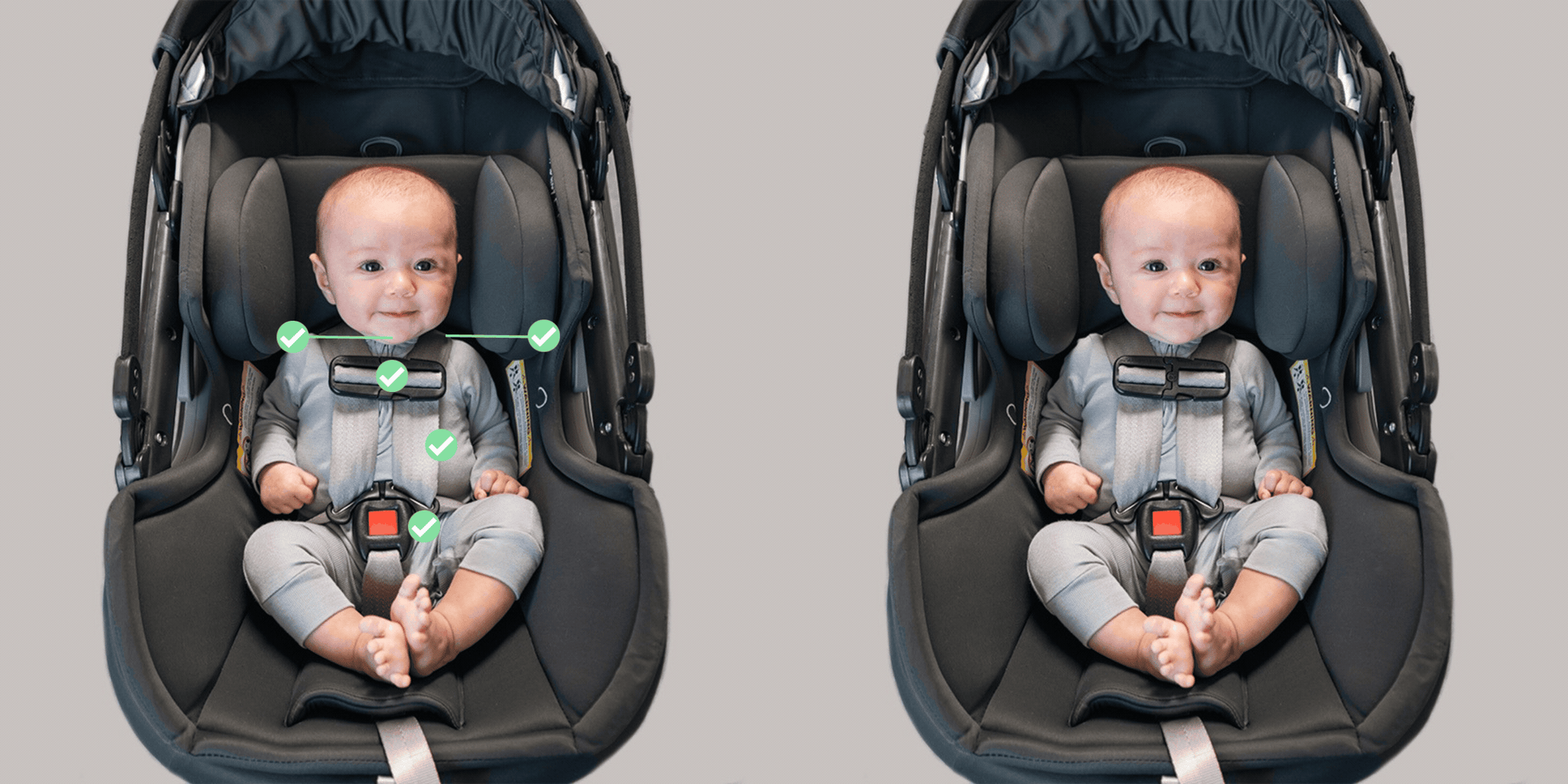
You want to keep your baby comfortable and cozy during every car ride. But have you ever stopped to wonder if those cute baby car seat covers are actually safe?
You might think they’re just a simple accessory, but the truth can be surprising. If you’re concerned about your little one’s safety and want to make the best choice, this article will give you the clear answers you need. Keep reading to find out what experts say and how you can protect your baby without sacrificing comfort.
Safety Standards For Baby Car Seats
Baby car seats keep children safe during travel. They must meet strict safety rules to protect babies well.
Car seat covers add comfort but can affect safety. Knowing the standards helps parents make smart choices.
Regulations And Certifications
Car seats must pass tests set by government groups. These rules check how well seats protect children.
Look for labels showing seats meet safety marks. These marks mean the seat passed crash and strength tests.
- FMVSS 213: U.S. safety standard for car seats
- ECE R44/04: European safety rule for child seats
- JPMA Certification: Shows quality and safety checks
Impact On Crash Protection
Car seat covers must not change how seats protect babies. Thick or loose covers can stop straps from fitting right.
Using covers not made for car seats can reduce crash safety. Covers must allow the seat to work as tested.
- Proper fit of harness straps is key for safety
- Extra padding can interfere with crash forces
- Only use covers approved by the car seat maker

Credit: www.amazon.ca
Materials Used In Car Seat Covers
Car seat covers are made from various materials. These materials affect safety and comfort for babies.
Understanding the materials helps in choosing the best cover for your child.
Breathability And Comfort
Breathability ensures that your baby stays cool and comfortable. Fabrics like cotton and mesh allow air circulation.
- Cotton: Soft and breathable
- Mesh: Allows airflow
- Polyester: Durable but less breathable
Allergen And Toxin Concerns
Materials used in car seat covers should be free from allergens and toxins. This is vital for your baby’s health.
| Material | Potential Concern |
| Polyester | May contain toxins |
| Wool | Can cause allergies |
| Organic Cotton | Safe and non-toxic |
Potential Risks Of Using Covers
Baby car seat covers may seem helpful, but they can cause safety problems. It is important to know the risks before using them.
This article explains key dangers linked to covers, such as fit issues, overheating, and fire hazards.
Interference With Harness Fit
Car seat covers can make the harness straps loose or twisted. This stops the harness from holding the baby safely.
- Covers add extra bulk between the baby and the straps.
- Loose harness means the baby can move more in a crash.
- Straps may not tighten properly with a cover in place.
- Incorrect fit increases injury risk in an accident.
Overheating Issues
Some covers block airflow around the baby. This can cause overheating, which is dangerous for infants.
| Risk Factor | Effect |
| Poor Ventilation | Baby gets too hot |
| Heavy Materials | Traps heat near baby’s skin |
| Warm Weather | Raises risk of heat stress |
| Prolonged Use | Increases chance of overheating |
Fire Hazard Considerations
Some covers use flammable fabrics or loose parts. These can catch fire or block quick exits.
- Check if the cover meets fire safety standards.
- Avoid covers with hanging strings or loose pieces.
- Keep covers away from heat sources like car heaters.
- Fire-resistant materials reduce danger.

Credit: www.amazon.com
Choosing Safe Car Seat Covers
Car seat covers protect your baby from spills and dirt. It is important to pick covers that keep your child safe.
Not all covers are safe. Some can affect how the car seat works during a crash. Learn how to choose the right covers.
Approved And Tested Covers
Use car seat covers that meet safety standards. Approved covers are tested to make sure they do not harm your baby.
Look for covers made by car seat makers or certified by safety groups. These covers fit well and do not change how the seat works.
- Check for safety labels or certifications
- Avoid covers with extra padding or thick materials
- Use covers designed for your car seat model
Proper Fit And Installation
A cover must fit your car seat exactly. A loose or tight cover can affect the seat’s safety.
Follow the car seat instructions to install the cover. Make sure straps and buckles are not blocked or changed.
- Test the cover before each ride
- Check that straps are flat and secure
- Do not add extra materials under your baby
Alternatives To Car Seat Covers
Using baby car seat covers can sometimes be unsafe. They may affect the harness fit and cause overheating. Parents look for safer ways to keep babies warm during car rides.
This article talks about two easy alternatives that protect babies without risks. These options keep your child comfortable and secure in their car seat.
Using Lightweight Blankets
Lightweight blankets are a good way to keep your baby warm. Use them only after the car seat harness is properly fastened. The blanket should never go under the straps.
Choose blankets made from breathable fabric. Thin cotton or muslin works well. Make sure the blanket does not cover your baby’s face or neck.
- Place the blanket over the harness straps
- Keep the blanket loose to avoid overheating
- Remove the blanket if the car is warm
Dressing Baby Appropriately
Dress your baby in warm clothes before placing them in the car seat. Layers are better than thick bulky clothes. Layers let you adjust warmth as needed.
Use items like hats, socks, and mittens to keep your baby cozy. Avoid heavy coats or snowsuits inside the car seat. They can make the harness loose and unsafe.
- Put on a thin shirt or onesie
- Add a warm sweater or fleece layer
- Use a hat to keep the head warm
- Cover hands and feet with mittens and socks

Credit: clement.ca
Expert Recommendations
Baby car seat covers can protect your child from cold and dirt. Many parents wonder if these covers are safe to use.
Experts share advice to help you decide if a car seat cover is right for your baby.
Advice From Pediatricians
Pediatricians warn that bulky car seat covers can affect safety. They may block harness straps or change how the seat fits.
Doctors recommend using thin blankets over the harness instead of thick covers. This keeps babies warm without risk.
- Never place thick covers behind or under the baby.
- Make sure harness straps fit snugly against the baby’s body.
- Use covers approved by safety experts if possible.
Guidelines From Safety Organizations
Safety groups say car seat covers should not interfere with the seat’s function. Covers must not loosen or block the harness.
These organizations advise checking cover labels for safety testing and instructions. Some covers meet strict safety rules.
- Follow the car seat manufacturer’s instructions.
- Choose covers tested to meet safety standards.
- Remove covers during car accidents or sudden stops.
Frequently Asked Questions
Are Baby Car Seat Covers Safe For Infants?
Baby car seat covers can be safe if they fit properly and do not interfere with the harness. Choose covers made from breathable, non-toxic materials. Avoid bulky or padded covers that can affect the seat’s safety performance during a crash.
Do Car Seat Covers Affect Safety Harness Function?
Yes, thick or loose covers can interfere with the harness fit. A secure harness keeps your baby safe by preventing excessive movement. Always check that the cover does not obstruct or loosen the harness straps.
Can Baby Car Seat Covers Cause Overheating?
Some covers may reduce airflow, increasing the risk of overheating. Opt for covers made from breathable fabrics that allow ventilation. Regularly monitor your baby’s temperature, especially in warm weather or direct sunlight.
Should I Remove Covers During Car Seat Use?
It is best to remove bulky or aftermarket covers during travel. Use only manufacturer-approved accessories to ensure safety standards are met. Thin, lightweight covers designed for your car seat are usually acceptable.
Conclusion
Baby car seat covers can offer comfort and warmth. Choose covers made from breathable, safe materials. Avoid thick padding that blocks harness straps. Always follow car seat manufacturer guidelines closely. Safety should be the top priority for your baby. A proper fit keeps your child secure.
Regularly check the cover for wear or damage. Simple covers can protect from dirt and spills. Stay informed to make the best choice. Your baby’s safety matters most every time.