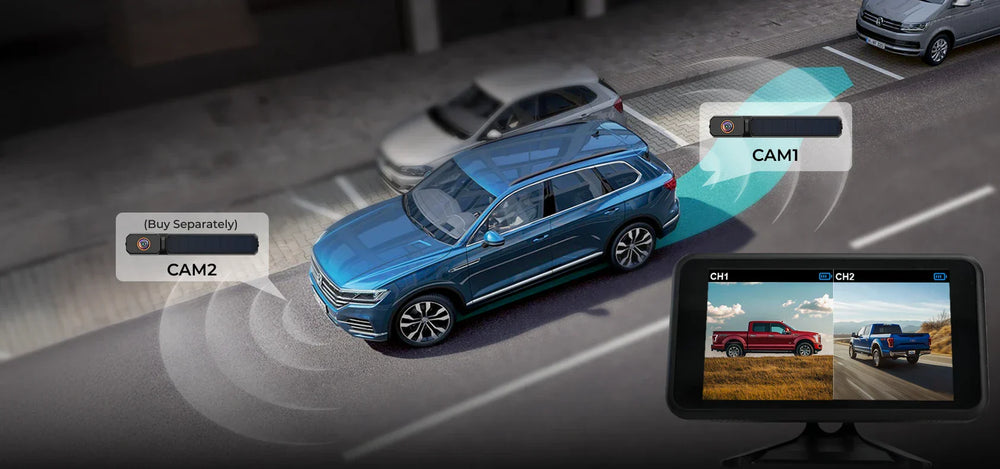
Have you ever worried about what’s behind your car when you’re backing up? Backup cameras can give you a clear view, helping to avoid accidents and keep you and others safe.
But are these cameras something you must have in your new car, or just a helpful extra? Understanding the rules and benefits can save you money and stress. Keep reading to find out if backup cameras are required in new cars and why this matters to you.
Backup Camera Regulations
Backup cameras help drivers see behind their cars. They reduce accidents and improve safety. Many places now require new cars to have backup cameras.
This article explains the rules about backup cameras in new cars. It covers federal, state, and international laws.
Federal Mandates
The federal government in the United States has set rules for backup cameras. Since 2018, all new cars under 10,000 pounds must have them. This rule comes from the National Highway Traffic Safety Administration (NHTSA).
The goal is to reduce deaths and injuries from reversing accidents. Backup cameras must show a clear view behind the vehicle. They activate automatically when the car is in reverse.
- Applies to cars, trucks, and SUVs under 10,000 pounds
- Effective for new models from May 2018
- Must provide a wide and clear rear view
- Camera activates when reversing
State-level Rules
Some states have extra rules about backup cameras. These may include installation standards or penalties for missing cameras. States also educate drivers on how to use backup cameras safely.
Many states require backup cameras on certain vehicles beyond federal rules. This can include buses or commercial trucks. States may also require regular checks to keep cameras working.
- Additional vehicle types may require cameras
- Regular maintenance checks in some states
- Driver education programs include camera use
- Penalties for disabling backup cameras
International Standards
Other countries have their own rules for backup cameras. Many follow similar safety goals as the U.S. Some countries require backup cameras on all new cars, while others do not.
International standards vary in how they test and approve backup cameras. Some regions focus on camera quality and field of view. Others set rules about screen size and placement inside the car.
- Europe has safety regulations that include backup cameras
- Japan encourages backup camera use in new cars
- Australia requires rear visibility systems on certain vehicles
- Testing focuses on camera clarity and coverage
Safety Benefits Of Backup Cameras
Backup cameras are important for modern cars. They help drivers see behind their vehicles. These cameras make driving safer and easier.
With backup cameras, drivers can avoid accidents. They also help park cars more accurately. Let’s explore how they improve safety.
Reducing Blind Spots
Blind spots are areas drivers cannot see. Backup cameras show these areas on a screen. This helps drivers see obstacles behind their cars.
With fewer blind spots, driving becomes safer. Drivers can make better decisions when reversing. This reduces the risk of hitting objects or people.
Preventing Accidents
Backup cameras help prevent accidents. They alert drivers to nearby objects. This can include cars, bikes, or pedestrians.
When drivers see potential hazards, they can stop in time. This prevents collisions and keeps everyone safe.
- Detects children or pets behind vehicles
- Shows other cars in parking lots
- Alerts drivers to unexpected obstacles
Enhancing Parking Accuracy
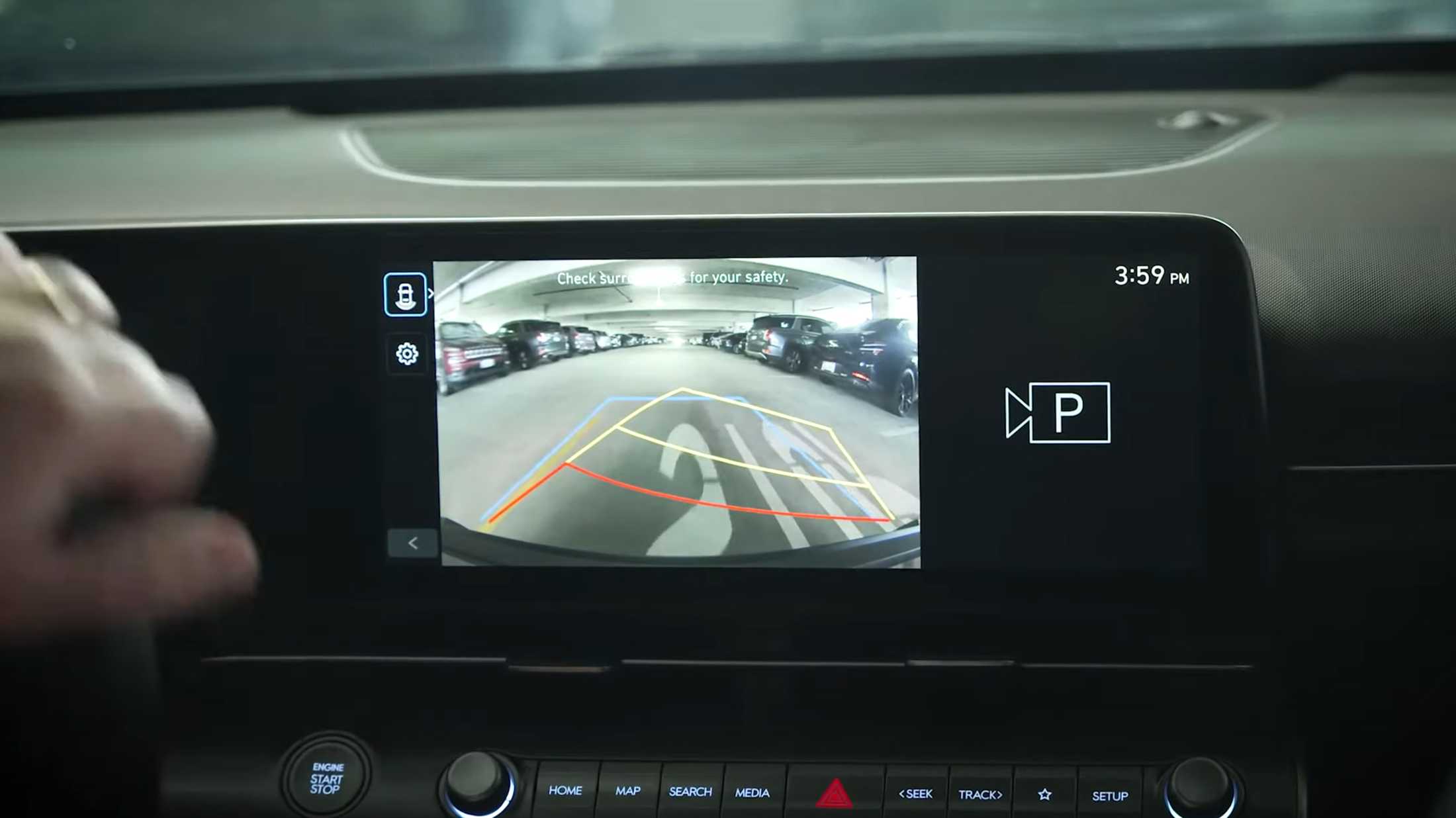
Parking can be challenging, especially in tight spaces. Backup cameras help drivers see parking lines and obstacles.
With better visibility, drivers can park more accurately. This reduces the chances of hitting other cars or curbs.
- Shows parking lines clearly
- Helps align the car correctly
- Reduces stress during parking
Technology Behind Backup Cameras
Backup cameras help drivers see behind their cars. They reduce blind spots and increase safety. Many new cars come with these cameras as standard equipment.
The technology uses cameras and screens to show the rear view. This guide explains the main parts of backup camera systems.
Camera Types
Backup cameras come in different styles. Each type has benefits and limits. The main types are wide-angle, fisheye, and standard cameras.
- Wide-angle cameras capture a broad view behind the car.
- Fisheye cameras show a curved, panoramic image.
- Standard cameras provide a natural, focused view.
Display Systems
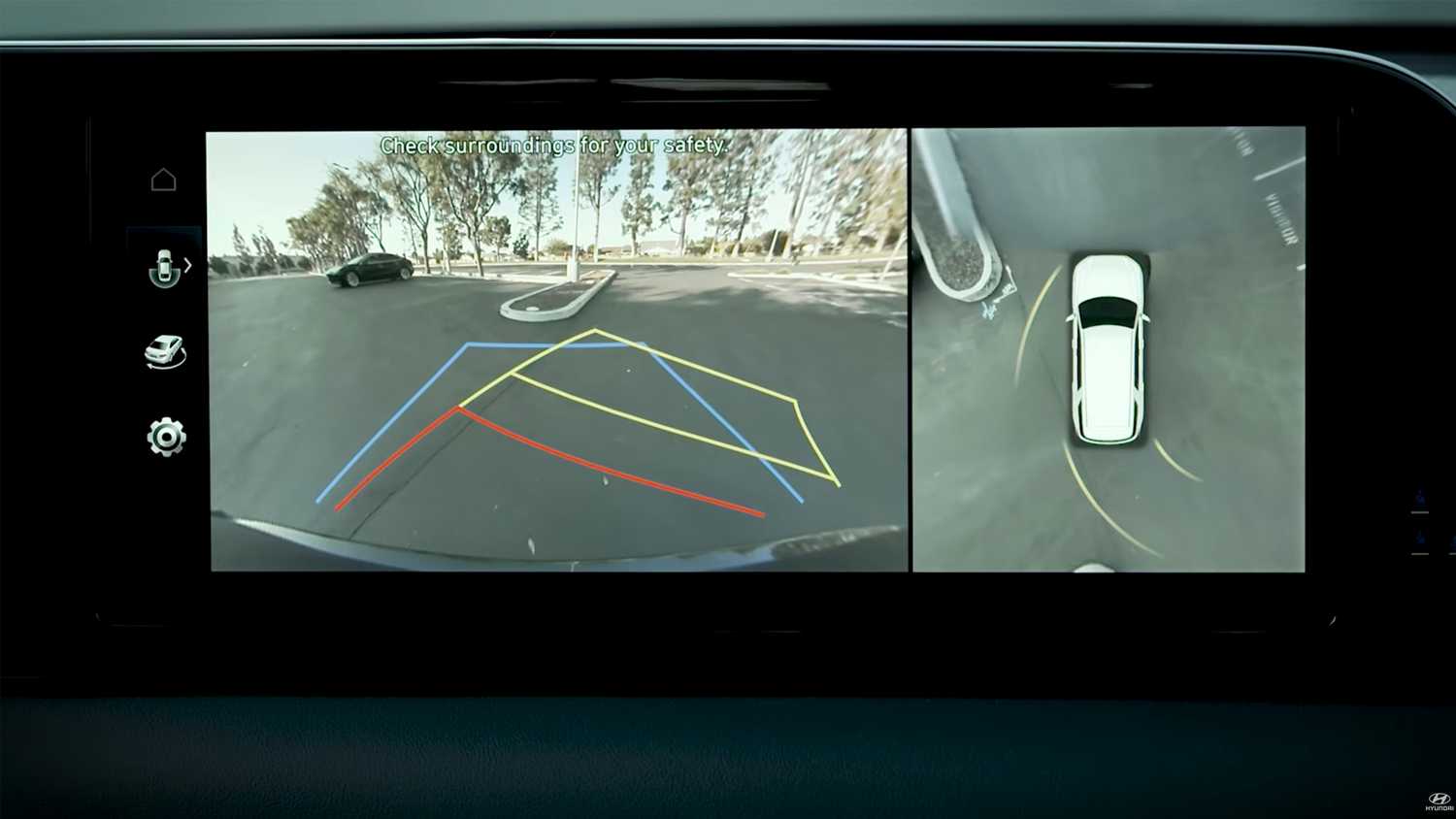
Backup camera images appear on screens inside the car. These screens have different sizes and features. Some cars use the main infotainment screen, while others have a separate display.
| Display Type | Description | Common Use |
| Infotainment Screen | Large screen in the center console | Most modern cars |
| Rearview Mirror Display | Screen embedded in the mirror | Compact or luxury cars |
| Dashboard Screen | Small screen on the dashboard | Some older models |
Integration With Other Sensors
Backup cameras often work with sensors to improve safety. These sensors detect objects and warn the driver. Together, they create a smart system that helps avoid collisions.
- Ultrasonic sensors detect nearby obstacles.
- Radar sensors measure distance to objects.
- Parking sensors alert the driver with sounds or lights.
Credit: www.pocket-lint.com
Impact On Driver Behavior
Backup cameras are common in new cars today. They help drivers see behind the vehicle when reversing.
These cameras can change how drivers act while parking or backing up. Let’s explore their impact.
Increased Awareness
Backup cameras give a clear view of the area behind the car. This helps drivers spot obstacles or people easily.
Drivers can avoid accidents by seeing blind spots better. This makes parking safer and reduces damage risks.
Overreliance Risks
Some drivers may trust the camera too much. They might stop checking mirrors or looking around.
This overreliance can cause accidents if the camera misses small objects or has a blind spot.
- Ignoring side mirrors
- Not turning to check blind spots
- Relying only on camera image
Training And Adaptation
Drivers must learn how to use backup cameras properly. Training helps balance camera use with safe habits.
New drivers should practice checking mirrors and looking around alongside camera use. This keeps them aware.
- Use camera as a tool, not the only guide
- Keep checking mirrors and windows
- Practice safe reversing habits regularly
Backup Cameras And Vehicle Value
Backup cameras have become common in new cars. They help drivers see behind the vehicle. This safety feature can affect a car’s value over time.
Many buyers look for backup cameras when choosing a car. This feature adds convenience and safety, which may increase the vehicle’s appeal.
Influence On Resale Price
Cars with backup cameras often sell for more than those without. This feature is seen as valuable by many buyers. It can improve a car’s resale price in the market.
| Car Model | With Backup Camera | Without Backup Camera |
| Model A | $15,000 | $13,500 |
| Model B | $20,500 | $18,000 |
| Model C | $25,000 | $22,000 |
Consumer Preferences
Many drivers want backup cameras in their vehicles. They feel safer when parking or reversing. This feature is often a deciding factor for buyers.
- Improves rear visibility
- Reduces risk of accidents
- Easy to use and reliable
- Required by law in many countries
Insurance Implications
Some insurance companies offer discounts for cars with backup cameras. These cameras lower the chance of collisions. This can lead to lower insurance premiums.
Insurance benefits include:
- Reduced claim frequency
- Lower repair costs
- Improved driver safety
- Discounts on premiums
Credit: www.pocket-lint.com
Future Trends In Rear Safety
Backup cameras are common in new cars today. They help drivers see behind the vehicle. Technology is growing fast to make rear safety better.
New features go beyond simple cameras. They include smart systems that warn or help drivers avoid accidents.
Advanced Driver Assistance Systems
Advanced Driver Assistance Systems (ADAS) use sensors and cameras. These systems detect obstacles and warn the driver. Some can even brake automatically to prevent crashes.
- Blind spot detection
- Rear cross-traffic alerts
- Automatic emergency braking
- Parking assistance systems
Ai And Object Detection
Artificial Intelligence (AI) improves object detection behind cars. AI can recognize people, animals, and other objects. It reduces false alarms and helps with quick decisions.
| Feature | Benefit |
| Object classification | Identifies different obstacles |
| Motion tracking | Predicts moving objects’ paths |
| Context awareness | Understands environment conditions |
Beyond Traditional Cameras
New rear safety tech uses more than just cameras. Some cars have radar and ultrasonic sensors. These add extra layers of safety and accuracy.
Examples of technologies beyond cameras:
- Radar sensors for distance measurement
- Ultrasonic sensors for close object detection
- 360-degree surround view systems
- Infrared night vision for low light

Credit: www.carsales.com.au
Frequently Asked Questions
Are Backup Cameras Mandatory In All New Cars?
Yes, backup cameras are mandatory in all new cars sold in the U. S. since May 2018. This rule improves rear visibility and safety. It helps reduce accidents when reversing and protects pedestrians and objects behind the vehicle.
Why Are Backup Cameras Required In New Vehicles?
Backup cameras are required to enhance driver awareness and prevent accidents. They provide a clear view of blind spots behind the car. This safety feature reduces collisions, especially involving children and obstacles, improving overall road safety.
Do Backup Cameras Improve Car Safety Significantly?
Yes, backup cameras significantly improve car safety by reducing blind spots. They help drivers detect objects or people behind the vehicle. This technology lowers the risk of back-over accidents, making reversing safer for drivers and pedestrians alike.
Are Backup Cameras Standard In All Car Models Now?
Most new car models come standard with backup cameras due to federal law. However, some older or specialty vehicles may not have them. Always check the vehicle specifications or consult the dealer to confirm the presence of a backup camera.
Conclusion
Backup cameras help drivers see behind their cars clearly. Many new cars now include them by law. These cameras improve safety and reduce accidents while reversing. They make parking easier and protect pedestrians, especially children. Not every car has one yet, but rules are changing fast.
Choosing a car with a backup camera is a smart decision. It keeps you safer on the road. Safety features like this are becoming standard everywhere. Don’t overlook the value of a good backup camera. It’s a simple tool that can prevent big problems.