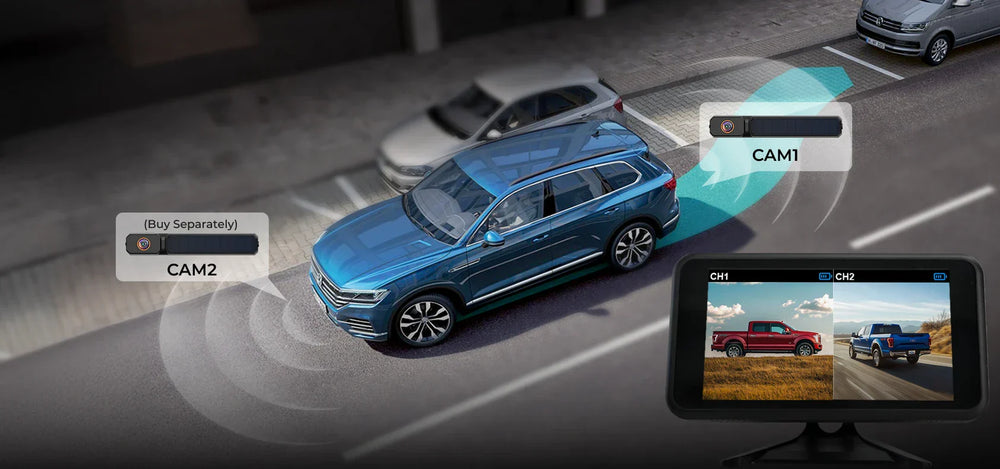
Have you ever worried about what’s behind your car when you’re backing up? Backup cameras can show you exactly what’s in your blind spot, helping you avoid accidents and keep your loved ones safe.
But are these cameras actually required on all new cars? If you want to know whether your next vehicle will have this important feature by law, keep reading. You’ll discover the rules, why they matter, and how they can make your driving safer every day.
Don’t miss out on this essential info for every driver.
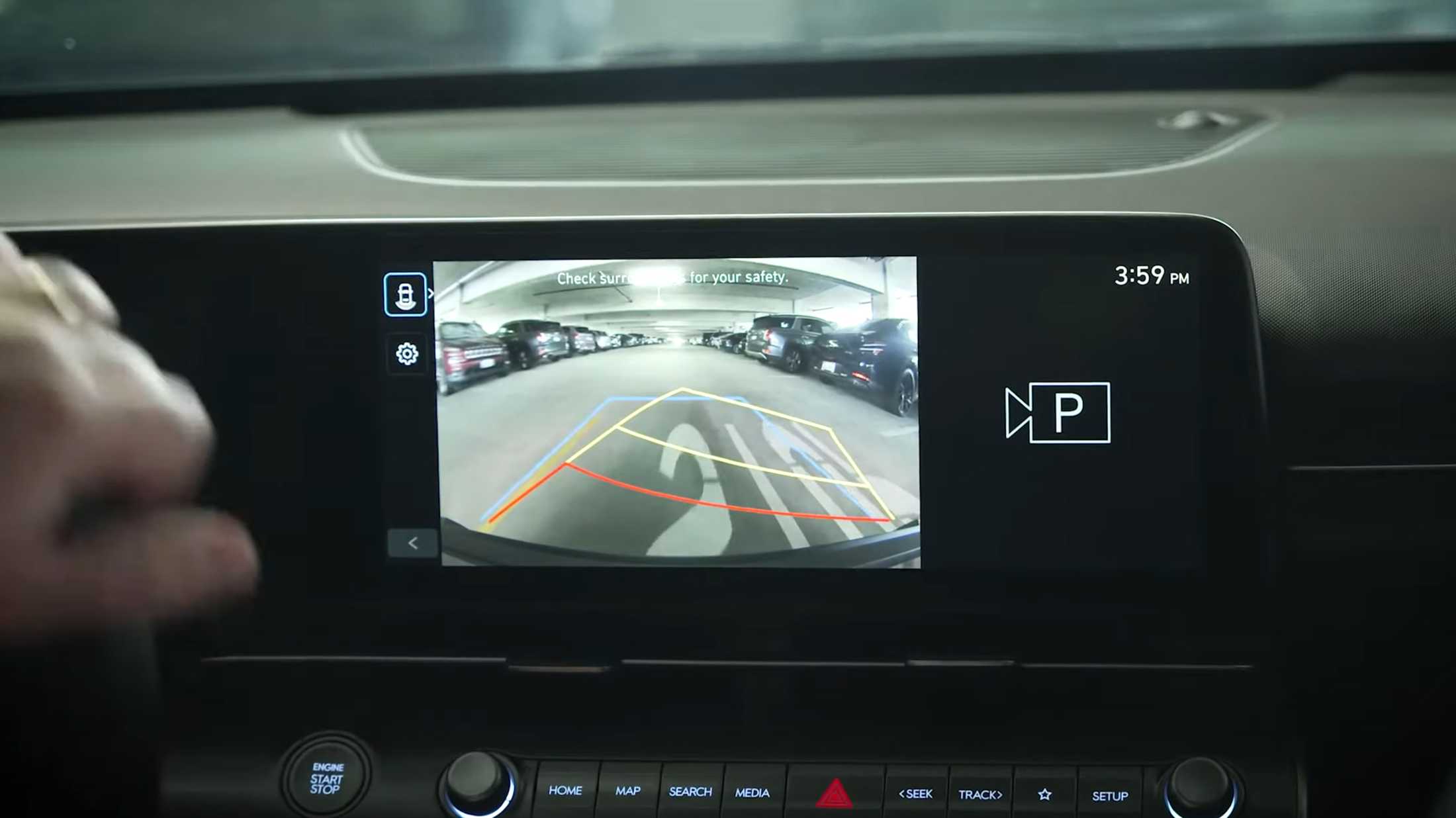
Credit: www.pocket-lint.com
Backup Camera Regulations
Backup cameras help drivers see behind their vehicles. This improves safety and reduces accidents.
Many countries have rules about backup cameras on new cars. These rules make backup cameras common in new vehicles.
Federal Mandates
In the United States, the federal government requires backup cameras on most new cars. This rule started in 2018.
The National Highway Traffic Safety Administration (NHTSA) set this rule. It aims to prevent backover accidents, especially with children.
- Applies to passenger cars, trucks, and SUVs
- Covers all new vehicles under 10,000 pounds
- Requires cameras to show a wide view behind the vehicle
State-level Requirements
Some states have their own backup camera rules. These may add extra safety steps for drivers.
For example, certain states require signs or alerts when backing up. Others focus on camera quality or placement.
- California requires clear backup warnings on new cars
- New York encourages backup cameras for school buses
- Texas focuses on educating drivers about camera use
International Standards
Many countries also require backup cameras on new vehicles. These rules vary by region but aim to improve safety.
The European Union and Japan have specific laws for camera systems. These include standards for camera angle and image quality.
- EU requires backup cameras or sensors on new cars
- Japan mandates camera systems for certain vehicle types
- Canada follows U.S. rules but may add extra testing

Credit: www.rosenautomotive.com
Safety Benefits Of Backup Cameras
Backup cameras help drivers see behind their vehicles. They improve safety by showing blind spots. Many new cars include these cameras to protect drivers and pedestrians.
These cameras give a clear view of the area behind the car. This helps avoid accidents and makes parking easier. Backup cameras are a useful safety tool for every driver.
Reducing Blind Spots
Backup cameras reduce the blind spots behind a car. These spots are hard to see with mirrors alone. The camera shows objects and people that might be missed.
- Shows low objects near the rear tires
- Reveals children or pets behind the vehicle
- Helps spot obstacles that mirrors do not show
Preventing Accidents
Backup cameras lower the risk of accidents while reversing. Drivers get a better view to avoid collisions. This feature helps protect people and property.
| Accident Cause | How Backup Cameras Help |
| Backing into objects | Shows obstacles clearly on screen |
| Hitting pedestrians | Alerts drivers to people behind the car |
| Colliding with other vehicles | Improves rear visibility during parking |
Enhancing Parking Accuracy
Backup cameras help drivers park with better accuracy. They show lines and spaces behind the car. This makes parallel and tight parking easier and safer.
Key parking benefits of backup cameras include:
- Clear view of parking lines
- Helps avoid hitting curbs and posts
- Improves confidence in tight spots
Technological Features
Backup cameras have become a common feature in new cars. They help drivers see behind the vehicle to avoid accidents. These cameras use different technologies to improve safety and convenience.
Understanding the types of backup cameras and how they work with other systems helps drivers choose the best options. Image quality and display choices also affect how useful these cameras are.
Types Of Backup Cameras
There are several types of backup cameras used in new cars. Each type offers different views and features to assist drivers.
- Rear-mounted cameras:Placed near the license plate to show a direct view behind the car.
- Wide-angle cameras:Provide a broader view to cover blind spots on the sides.
- 360-degree cameras:Combine images from multiple cameras to show a top-down view.
- Night vision cameras:Use infrared or low-light technology for clear images in the dark.
Integration With Other Systems
Backup cameras often work with other car safety systems. This integration improves the driver’s awareness and reaction time.
| System | Function |
| Parking sensors | Alert drivers to objects near the rear |
| Cross-traffic alerts | Warn of vehicles or pedestrians crossing behind |
| Automatic braking | Stops the car if a collision is likely |
| Steering assist | Helps guide the car into parking spots |
Image Quality And Display Options
Backup cameras use different image qualities and display types. These affect how easy it is to see the view behind the vehicle.
Common features include:
- High-definition (HD) resolution for clear images
- Large color displays to show detailed views
- Split-screen views to show multiple angles
- Adjustable brightness for day and night use
Cost And Installation
Backup cameras help drivers see behind their cars. Many new cars have these cameras. The cost and installation can differ based on the type of camera you choose.
This guide explains the differences between factory and aftermarket cameras. It also covers the price range and installation process.
Factory Vs. Aftermarket Cameras
Factory cameras come installed by the car maker. Aftermarket cameras are added later. Both have pros and cons.
- Factory camerasfit perfectly and work with the car’s system.
- Aftermarket camerascan be cheaper but may not match the car’s style.
- Factory cameras keep the car’s warranty intact.
- Aftermarket cameras may require extra wiring and parts.
Price Range
Costs vary widely based on camera type and features. Here is a simple comparison:
| Type | Price Range | Includes Installation? |
| Factory Backup Camera | $200 – $600 | Usually yes |
| Aftermarket Backup Camera | $50 – $300 | Usually no |
Installation Process
Installing backup cameras differs by type. Factory cameras are installed during car assembly. Aftermarket cameras need a different approach.
- For factory cameras, no extra steps are needed by the buyer.
- Aftermarket cameras require mounting the camera on the rear.
- Wiring the camera to the car’s display or screen is needed.
- Testing ensures the camera works correctly.
Aftermarket installation can take 1-3 hours depending on skill and tools.
Consumer Perspectives
Backup cameras have become common in new cars. Many drivers share their thoughts about this feature. Their views help us understand if backup cameras are really needed.
This article looks at driver experiences, common complaints, and user satisfaction with backup cameras. It gives a clear picture from the consumer side.
Driver Experiences
Many drivers find backup cameras useful for parking and avoiding obstacles. They say cameras help reduce blind spots and make reversing safer. Some new drivers feel more confident with this aid.
- Improves visibility behind the car
- Makes parking in tight spots easier
- Helps avoid hitting objects or pedestrians
- Useful for drivers with limited neck movement
Common Complaints
Not all drivers are happy with backup cameras. Some find the screen small or hard to see in bright light. Others say the camera image can be blurry or lag behind real-time action.
| Complaint | Explanation |
| Screen Glare | Sunlight makes the display hard to view |
| Image Quality | Low resolution causes unclear images |
| Delay | Camera shows slow updates during reversing |
| Dependence | Some drivers rely too much on the camera |
User Satisfaction
Most users say backup cameras add value to their driving. They feel safer and less stressed when reversing. Some also say cameras help reduce minor accidents.
User satisfaction often depends on camera quality and screen size. Good systems get praise, while poor setups cause frustration.

Credit: www.carsales.com.au
Future Trends
Backup cameras are common in new cars today. They help drivers see behind their vehicles. Looking ahead, changes in technology and laws will shape their use.
This article explores future trends in backup cameras. It covers advances in camera tech, autonomous vehicles, and possible rule changes.
Advancements In Camera Technology
Camera systems are getting better. They offer clearer images and wider views. Night vision and motion detection are also improving.
- Higher resolution cameras for sharper images
- 360-degree views to cover all angles
- Integration with sensors for obstacle detection
- Improved low-light and night vision capabilities
- Wireless camera setups for easier installation
Impact Of Autonomous Vehicles
Self-driving cars rely on many sensors, including cameras. Backup cameras will be part of a larger system that controls the car.
| Aspect | Effect on Backup Cameras |
| Sensor Integration | Combined with radar and lidar for safety |
| Data Processing | Real-time analysis to avoid collisions |
| User Role | Less driver use, more automatic responses |
| Maintenance | Regular checks to ensure system accuracy |
Potential Regulatory Changes
Rules about backup cameras may change. Governments want to improve road safety. New laws could expand camera requirements or set standards.
Possible future regulations include:
- Mandatory backup cameras on all vehicle types
- Standards for camera resolution and field of view
- Regular inspection requirements for camera systems
- Rules for integrating cameras with other safety tech
Frequently Asked Questions
Are Backup Cameras Mandatory On All New Cars?
Yes, backup cameras have been mandatory on all new cars sold in the U. S. since May 2018. This regulation improves rear visibility and safety. It helps drivers avoid collisions with obstacles and pedestrians while reversing. The rule applies to passenger vehicles, trucks, and buses.
How Do Backup Cameras Improve Vehicle Safety?
Backup cameras provide a clear view behind the vehicle, reducing blind spots. They help drivers detect obstacles, children, and pets. This technology lowers the risk of accidents during reversing. It enhances overall safety for drivers and pedestrians alike.
Can I Install A Backup Camera On An Older Car?
Yes, you can install aftermarket backup cameras on older cars. Many affordable kits are available that include cameras and display screens. Installation is usually straightforward and improves safety. This upgrade is a smart choice for vehicles without factory cameras.
Do Backup Cameras Work In All Weather Conditions?
Backup cameras generally work well in most weather conditions. However, heavy rain, snow, or dirt can obscure the camera lens. Regular cleaning and maintenance keep the camera clear. Some models have features to improve visibility in low light or bad weather.
Conclusion
Backup cameras are now common in most new cars. They help drivers see behind the vehicle clearly. This reduces the chance of accidents while reversing. Many countries require these cameras by law. They improve safety for both drivers and pedestrians.
Choosing a car with a backup camera adds extra protection. It also makes parking easier and less stressful. Overall, backup cameras are a smart feature for new cars. They support safer driving habits every day.