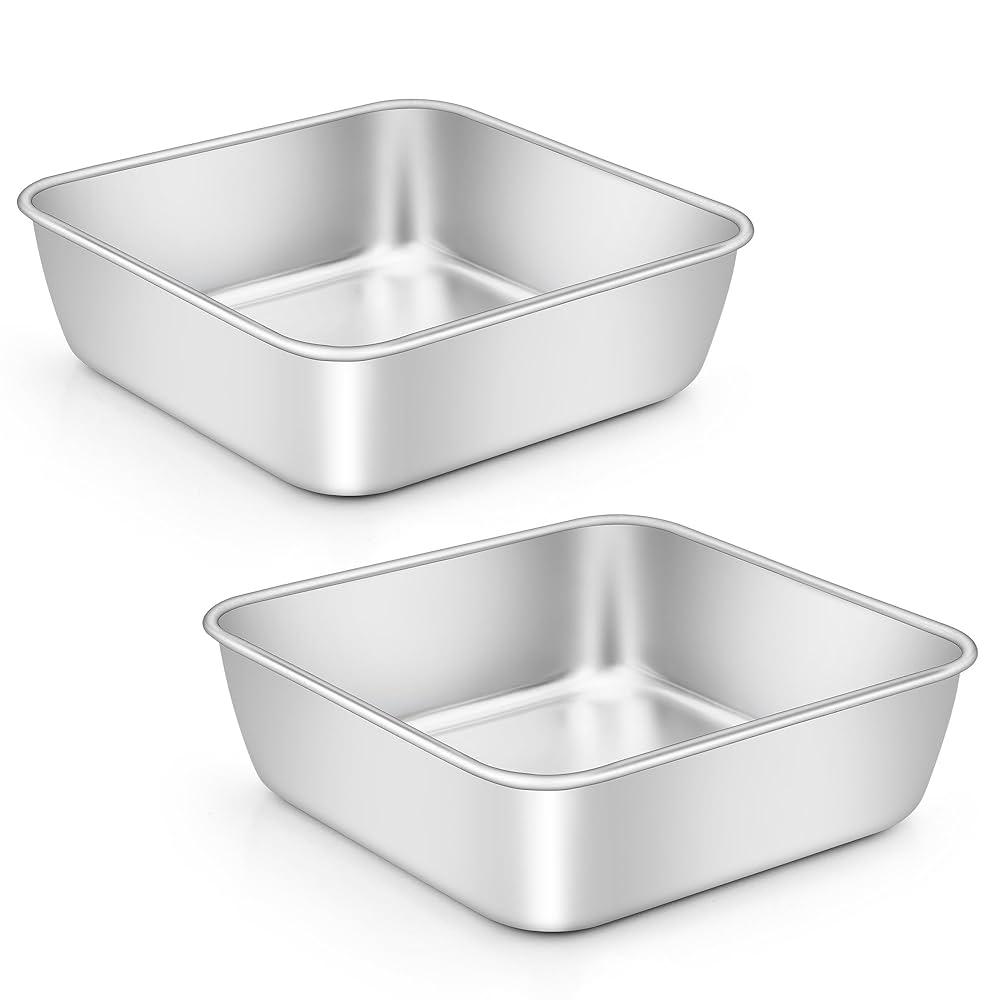
Are you wondering if your favorite baking pans can go straight into the dishwasher without damage? You’re not alone.
Knowing whether your pans are dishwasher safe can save you time and keep your kitchen tools in great shape. But the answer isn’t always simple. Keep reading to discover the key facts you need to protect your pans and make cleanup easier than ever.
Types Of Baking Pans
Baking pans come in different materials. Each type has unique care and use rules.
Knowing if a pan is dishwasher safe helps keep it in good shape. This guide explains common pan types.
Metal Pans
Metal pans are popular for baking cakes and cookies. They heat quickly and cook evenly.
Most metal pans can go in the dishwasher, but some may rust or lose shine. Hand washing is safer for long life.
Glass Pans
Glass pans are good for casseroles and brownies. They show food while baking.
Glass pans are usually dishwasher safe. They hold up well but can break if dropped.
Silicone Pans
Silicone pans are flexible and non-stick. They are easy to store and clean.
Most silicone pans are dishwasher safe. They do not rust or scratch easily.
Nonstick Coated Pans
Nonstick pans help release baked goods without sticking. They need careful cleaning.
Dishwashers can damage the coating. It is best to wash these pans by hand gently.

Credit: www.amazon.ca
Dishwasher Safety By Material
Many baking pans are made from different materials. Each material reacts differently in a dishwasher.
Knowing which pans are safe for dishwashers helps keep them in good shape longer.
Aluminum Pans In Dishwasher
Aluminum pans often discolor or dull after dishwasher cycles. The heat and detergent cause this change.
Hand washing aluminum pans is best to keep their look and performance.
Stainless Steel Pans And Cleaning
Stainless steel pans usually hold up well in dishwashers. They resist rust and stains.
- Use mild detergent to avoid damage
- Place pans on the top rack to reduce heat exposure
- Dry them quickly after the cycle to prevent water spots
Glass Pans And Dishwasher Use
Glass pans are safe in dishwashers but can cloud over time. The detergent and heat cause this effect.
To keep glass pans clear, rinse them before placing in the dishwasher.
Silicone Pans Dishwasher Effects
Silicone pans are dishwasher safe. They do not rust or warp from heat.
Dishwashers clean silicone pans well, but sometimes residue may stick. Scrubbing lightly helps remove it.
Nonstick Pans And Dishwasher Risks
| Risk | Description |
| Coating Damage | Harsh detergents can peel nonstick layers |
| Shorter Pan Life | Repeated dishwasher cycles reduce pan durability |
| Loss of Nonstick Effect | Surface becomes less smooth and sticky |
Hand washing nonstick pans with soft sponges and mild soap helps keep them safe.
Common Damage From Dishwashers
Many people wonder if baking pans are safe to clean in dishwashers. Dishwashers use strong water jets and heat. These can harm some baking pans over time.
Understanding the common types of damage helps you protect your pans. This guide explains the most frequent problems caused by dishwashers.
Warping And Discoloration
Dishwasher heat can cause baking pans to warp. Warping changes the shape and makes pans less stable. Some pans bend or twist after many washes.
Discoloration is another issue. High heat and harsh detergents can dull or change the pan’s color. Aluminum pans often lose their shine in dishwashers.
- Warping happens from sudden temperature changes
- Discoloration results from harsh cleaning chemicals
- Both reduce the pan’s cooking quality
Coating Peeling And Rust
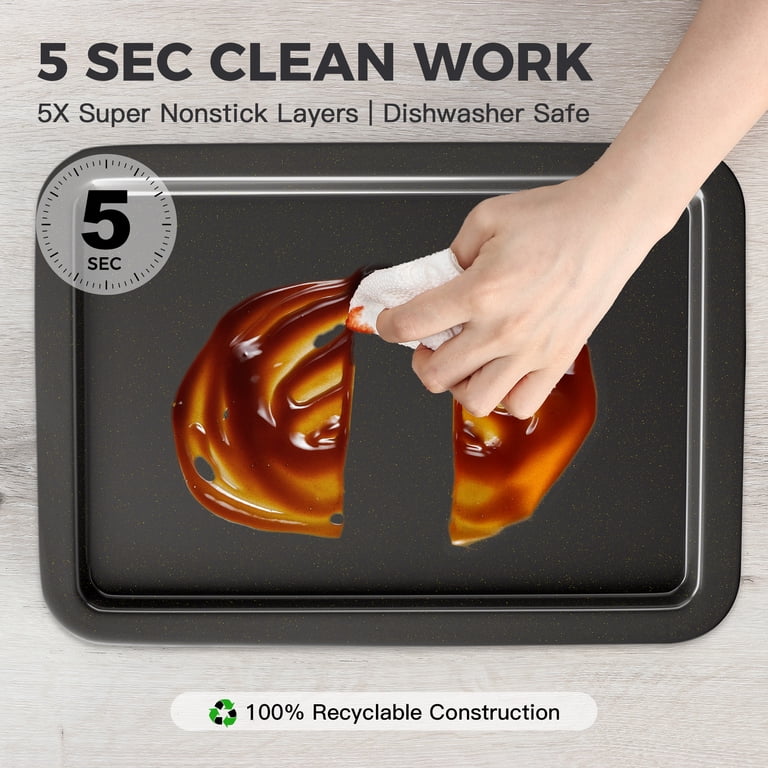
Non-stick coatings can peel off after dishwasher cycles. The strong detergent and heat weaken the coating. Once peeled, food sticks more and cleaning is harder.
Metal pans may develop rust spots if the coating wears away. Water and detergent cause rust to form on bare metal. Rust damages the pan and can contaminate food.
- Peeling happens from detergent and heat damage
- Rust forms on exposed metal after coating loss
- Both reduce the pan’s lifespan and safety
Residue Build-up Issues
Dishwashers may leave residue on baking pans. Hard water spots and detergent leftovers can build up. This residue can affect taste and appearance.
Residue build-up needs extra cleaning effort. Sometimes pans look dull or feel sticky after washing. Hand washing helps remove stubborn residues better.
- Hard water causes white spots on pans
- Detergent residue can leave a sticky film
- Residue affects pan’s look and cooking results
Credit: www.walmart.com
Hand Washing Tips
Baking pans often need hand washing to keep them safe and last longer. Dishwashers can damage some pans.
Cleaning pans by hand helps protect their surface and prevents rust or warping.
Proper Cleaning Techniques
Use warm water and a soft sponge to clean baking pans. Avoid metal scrubbers that can scratch the surface.
Soak pans in water if food sticks to them. This softens the residue and makes cleaning easier.
- Rinse pans with warm water first
- Use mild dish soap and a soft cloth
- Gently scrub stuck food with a sponge
- Dry pans well to avoid rust
Safe Detergents To Use
Choose gentle detergents for hand washing baking pans. Harsh chemicals can damage the pan’s finish.
Look for soaps labeled as mild or for delicate dishes. Avoid bleach or strong cleaners.
- Mild dish soap
- Non-abrasive liquid cleaners
- Detergents free of bleach and ammonia
Removing Stubborn Stains
For tough stains, use a paste of baking soda and water. Apply it to the stain and let it sit for 15 minutes.
Scrub gently with a soft sponge, then rinse well. Avoid using steel wool or harsh scrubbing pads.
- Make a baking soda paste
- Apply to stains and wait
- Use a soft sponge to scrub
- Rinse and dry the pan
Maintaining Baking Pan Longevity
Taking care of your baking pans helps them last longer. Proper use and cleaning keep pans in good shape.
Some pans can be washed in a dishwasher, but not all. Knowing how to handle your pans keeps them strong.
Storage Recommendations
Store baking pans in a dry place to stop rust and damage. Keep them separate to avoid scratches.
- Use pan protectors or cloth between pans
- Stack pans carefully without heavy weight on top
- Keep pans in a cool, dry cabinet or drawer
Seasoning And Care For Metal Pans
Seasoning metal pans helps create a non-stick surface. It also protects pans from rust and wear.
To season, coat the pan with oil and bake it at low heat. Repeat this process after cleaning for best results.
- Use vegetable or canola oil for seasoning
- Heat the pan in the oven at 350°F (175°C) for 1 hour
- Let the pan cool before storing
Avoiding Abrasive Tools
Avoid using steel wool or harsh scrubbers on baking pans. These tools can scratch and damage the surface.
Use soft sponges or cloths for cleaning. Gentle cleaning keeps pans smooth and extends their life.
- Use warm soapy water and a soft sponge
- For stuck food, soak the pan before cleaning
- Do not use metal utensils that can scratch the pan
When Dishwasher Use Is Okay
Many people wonder if baking pans are safe to clean in the dishwasher. Some pans can handle dishwasher cycles, but others cannot. Knowing when it is safe helps keep your pans in good shape.
Using the dishwasher correctly can protect your pans from damage. Follow simple rules to avoid problems like rust or warping.
Manufacturer Guidelines
Check the baking pan’s label or manual first. Manufacturers tell you if the pan can go in the dishwasher. Some pans have special coatings that may wash off.
Ignoring these instructions can ruin the pan or void the warranty. Always follow the advice given by the maker to keep your pans safe.
Short Cycle And Low Heat Settings
Use short dishwasher cycles to clean pans gently. Long or heavy cycles may cause damage. Lower heat settings reduce the risk of warping and fading.
Many modern dishwashers have gentle modes. These settings work better for baking pans than regular wash cycles.
- Short cycle lasts less time
- Low heat keeps pans safe
- Gentle wash protects coatings
Spot Cleaning Before Dishwasher
Remove stuck-on food before placing pans in the dishwasher. Spot cleaning helps the dishwasher clean better. It also prevents food from baking onto the pan during washing.
Use a soft sponge or cloth to wipe pans. Avoid harsh scrubbing that can scratch the surface. This step keeps pans looking new longer.

Credit: www.amazon.ca
Frequently Asked Questions
Are All Baking Pans Dishwasher Safe?
Not all baking pans are dishwasher safe. Some materials, like aluminum, may discolor or warp. Always check the manufacturer’s instructions. Stainless steel and silicone pans are typically dishwasher friendly. Hand washing is recommended to maintain the longevity and quality of your pans.
Can Non-stick Pans Go In The Dishwasher?
Non-stick pans are often not dishwasher safe. The harsh detergents can damage the non-stick coating over time. Hand washing with mild soap extends their lifespan. Always refer to the manufacturer’s care instructions to ensure proper maintenance and cleaning.
Is It Safe To Wash Glass Pans In The Dishwasher?
Glass baking pans are generally dishwasher safe. However, repeated cycles can cause etching or clouding. To maintain clarity, use the top rack and avoid harsh detergents. Hand washing is a safer option for preserving the glass’s appearance and longevity.
Does The Dishwasher Affect Silicone Baking Pans?
Silicone baking pans are usually dishwasher safe. They can withstand high temperatures and detergents. However, for best results, hand wash them to prevent residue build-up. This ensures their flexibility and non-stick properties remain intact over time.
Conclusion
Baking pans differ in dishwasher safety. Some pans can handle the heat and water. Others may lose their coating or warp. Always check the manufacturer’s label first. Hand washing often keeps pans in better shape. It saves money and extends pan life.
Choosing the right cleaning method matters. Clean pans bake better and last longer. So, treat your pans with care for best results.