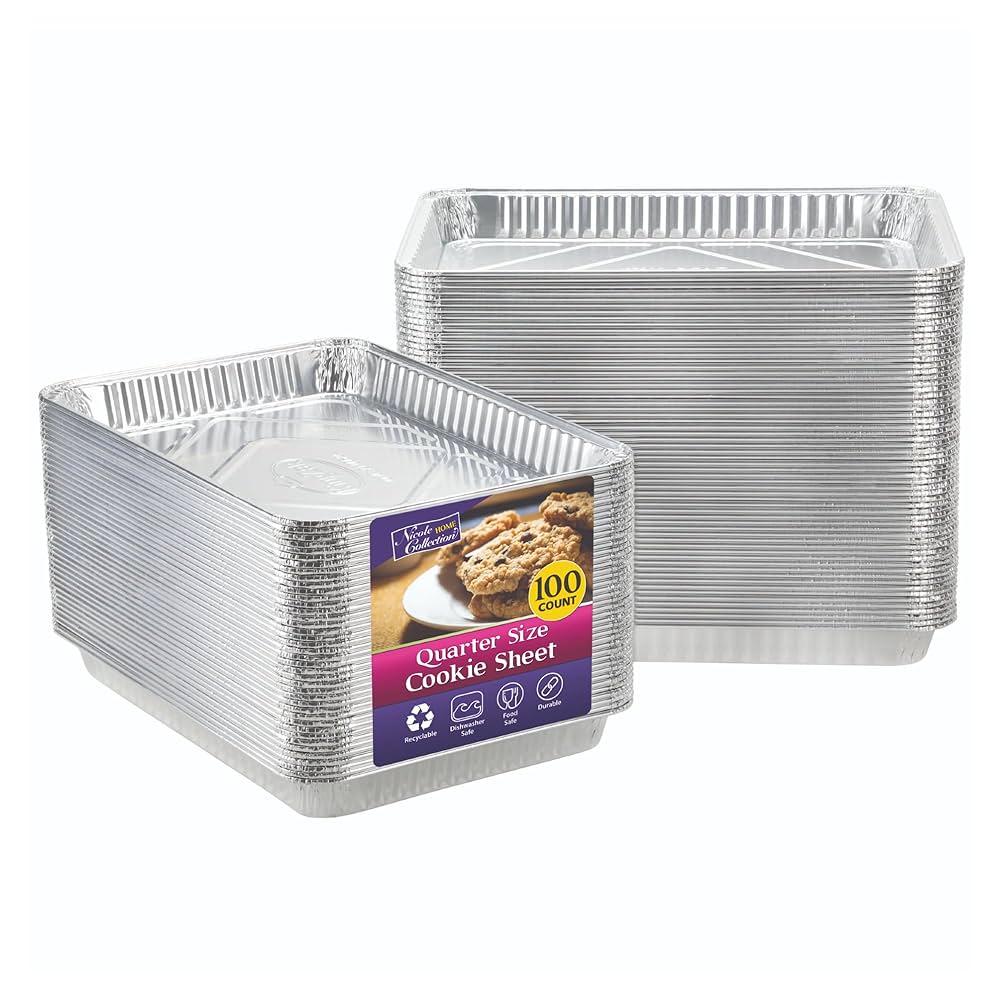
Have you ever wondered what happens to your baking sheets after they’ve served their time in your kitchen? You might be asking yourself, “Are baking sheets recyclable?”
It’s a common question that many home cooks and bakers face. Knowing the answer can help you make smarter choices for your waste and the environment. Keep reading, and you’ll discover simple facts and tips that can save you money, reduce waste, and make your kitchen greener.
Don’t toss your baking sheets just yet—let’s find out what you really should do with them.
Types Of Baking Sheets
Baking sheets come in different materials and styles. Each type has unique features. Knowing these helps choose the right one for your cooking needs.
Some baking sheets are easier to clean, while others offer better heat distribution. Let’s look at the common types of baking sheets available.
Aluminum Baking Sheets
Aluminum baking sheets are popular for their light weight and good heat conduction. They heat quickly and cook food evenly. These sheets are often affordable and durable.
They can be recycled easily at many recycling centers. Aluminum does not rust, but it can scratch or dent. It is best to avoid using metal utensils on these sheets.
Non-stick Baking Sheets
Non-stick baking sheets have a coating that stops food from sticking. This makes cleaning easier. They usually require less oil or butter for cooking.
These sheets may wear out over time and lose their coating. Recycling non-stick sheets can be difficult due to the coating materials. Check local recycling rules before disposing.
Silicone Baking Mats
Silicone baking mats are flexible and reusable. They provide a non-stick surface without needing sprays or oils. These mats are heat resistant and easy to clean.
- Reusable many times
- Easy to clean with soap and water
- Do not require greasing
- Can be cut to fit different pans
Silicone mats are not usually recyclable through normal curbside programs. They need special recycling methods or can be reused for a long time.
Glass And Ceramic Sheets
Glass and ceramic baking sheets offer excellent heat retention. They cook food evenly and are often dishwasher safe. These materials do not react with food.
| Material | Heat Retention | Recyclability | Durability |
| Glass | High | Recyclable | Fragile, may break |
| Ceramic | High | Rarely recyclable | Fragile, prone to chipping |
Glass sheets can usually be recycled with other glass items. Ceramic sheets are harder to recycle and often need special disposal. Both types require careful handling to avoid damage.
Recycling Aluminum Baking Sheets
Aluminum baking sheets are popular in kitchens worldwide. Recycling them helps save energy and resources.
This guide explains how to recycle aluminum baking sheets properly. It covers cleanliness, local programs, and challenges.
Cleanliness Requirements
Recyclers need baking sheets to be clean before recycling. Food residue can contaminate recycling batches.
Remove grease, crumbs, and stuck-on food. Wash the sheet with soap and water, then dry it well.
Local Recycling Programs
Not all recycling centers accept aluminum baking sheets. Check your local program rules before recycling.
Some places require dropping off sheets at special facilities. Others accept them with regular aluminum cans.
- Call your local recycling center
- Visit their website for accepted items
- Ask about size or condition limits
Common Recycling Challenges
Aluminum baking sheets can be hard to recycle if damaged or mixed with other metals. Thin sheets may tear in machines.
Coatings or non-aluminum parts on sheets cause problems. These parts must be removed before recycling.
- Remove plastic or rubber handles
- Separate non-aluminum layers if possible
- Flatten sheets to save space
Disposal Of Non-stick Baking Sheets
Non-stick baking sheets are popular kitchen tools. They help bake food evenly and prevent sticking. But disposing of them can be tricky.
This guide explains what materials and coatings affect disposal. It also covers recycling limits and safe disposal options.
Materials And Coatings Impact
Non-stick baking sheets usually have an aluminum base. They are coated with chemicals like Teflon or ceramic layers. These coatings affect how the sheets break down.
The coatings stop food from sticking but make recycling harder. Some coatings contain chemicals that are not safe for recycling plants.
Recycling Limitations
Most recycling centers do not accept non-stick baking sheets. The coating can contaminate metal recycling streams. This leads to lower quality recycled metal.
- Coated sheets cannot be melted down safely
- Aluminum recycling machines may get damaged
- Contamination lowers recycled metal purity
- Recycling centers often advise against accepting these sheets
Safe Disposal Alternatives
| Disposal Method | Details |
| Trash | Wrap sheets and place in regular garbage |
| Special Waste Collection | Use local hazardous waste programs if available |
| Donation | Give to reuse centers if sheets are still usable |
| Repurpose | Use old sheets as liners for crafts or gardening |

Credit: www.foodengineeringmag.com
Recycling Silicone Baking Mats
Silicone baking mats are popular kitchen tools. They help bake without sticking. Many people wonder if these mats can be recycled.
This article looks at recycling silicone mats. It explains their material, recycling options, and ways to reuse them.
Silicone Material Properties
Silicone is a flexible, heat-resistant material. It can handle high temperatures in ovens. Silicone does not break down easily like plastic.
This material is safe for food use. It is also water resistant. These traits make silicone durable but hard to recycle with regular plastics.
Special Recycling Facilities
Most curbside recycling programs do not accept silicone. It needs special facilities for recycling. These places melt silicone safely to reuse the material.
Finding a silicone recycler can be tricky. Some companies and stores offer take-back programs. Contact local recycling centers to ask about silicone options.
- Silicone requires high heat to recycle
- Not accepted in regular plastic recycling bins
- Special programs or companies recycle silicone
- Check with local recycling centers
Reuse And Repurpose Ideas
Old silicone mats can have a second life at home. They work well as non-slip pads for drawers or shelves. You can cut them into smaller pieces for coasters.
Use silicone mats for crafts or gardening. They protect surfaces and hold tools in place. Reusing helps reduce waste and extends the mat’s usefulness.
- Use as drawer liners or shelf liners
- Cut into coasters or small mats
- Protect surfaces during crafts or gardening
- Use as a heat-resistant trivet for hot pots
Handling Glass And Ceramic Baking Sheets
Glass and ceramic baking sheets last a long time. They hold heat well and bake food evenly.
Knowing how to recycle or reuse these sheets helps reduce waste and protect the environment.
Recycling Options
Glass baking sheets can be recycled if your local center accepts them. Ceramic sheets are harder to recycle.
Check with your local recycling program to see if they take these materials. Some centers only accept certain glass types.
- Glass baking sheets may need to be clean and free of food residue.
- Ceramic baking sheets often go to special recycling or waste facilities.
- Broken glass or ceramic can be dangerous; handle carefully.
Disposal Tips
If recycling is not an option, dispose of glass and ceramic baking sheets safely.
Wrap broken pieces in thick paper or cloth before placing them in the trash. This protects workers from injury.
- Do not put glass or ceramic in regular recycling bins unless allowed.
- Contact your waste service to learn about special drop-off days.
- Store broken pieces carefully until disposal to avoid accidents.
Creative Reuse
Old glass and ceramic baking sheets can have new uses around the home or garden.
You can turn them into trays, plant saucers, or craft bases for art projects.
- Use a ceramic sheet as a base for hot pots or pans.
- Place glass sheets under flower pots to catch water.
- Decorate broken pieces to make mosaics or garden art.

Credit: www.amazon.com.au
Eco-friendly Disposal Tips
Baking sheets are common in many kitchens. Knowing how to dispose of them helps protect the environment.
This guide shares tips on cleaning, donating, and choosing better options for baking sheets.
Cleaning For Recycling
Recycling baking sheets requires them to be clean and free of food residue. Dirt and grease can spoil recycling batches.
- Scrape off leftover food with a spatula.
- Wash sheets with warm, soapy water.
- Dry completely before recycling.
- Remove any non-metal parts like plastic handles.
Donating And Repurposing
Instead of throwing away old baking sheets, donate or find new uses for them. This reduces waste.
- Give sheets in good condition to charities or shelters.
- Use old sheets as drip trays under plants.
- Create craft projects, like metal art or garden markers.
- Use smaller sheets for organizing tools or supplies.
Choosing Sustainable Alternatives
Select baking sheets that last longer and are easier to recycle. This helps reduce environmental impact.
| Material | Recyclability | Durability |
| Aluminum | High | High |
| Stainless Steel | High | Very High |
| Non-stick Coated | Low | Medium |
| Silicone | Low | Medium |

Credit: www.reynoldsbrands.com
Frequently Asked Questions
Can You Recycle Baking Sheets?
Yes, many baking sheets are recyclable if they are made of aluminum. Clean them thoroughly before recycling. Check local guidelines for specifics.
What Are Baking Sheets Made Of?
Baking sheets are typically made of aluminum or steel. These metals are popular for their heat-conductive properties. Some baking sheets have non-stick coatings.
Are Non-stick Baking Sheets Recyclable?
Non-stick coatings complicate recycling. Check local recycling guidelines. Some centers accept them if coatings are minimal.
How To Dispose Of Old Baking Sheets?
Donate or repurpose old baking sheets if they are in good condition. If recycling, ensure they’re clean. Follow local recycling rules.
Conclusion
Baking sheets may not always be recyclable in regular bins. Check local recycling rules before tossing them out. Some sheets need special handling or drop-off locations. Cleaning the sheet well helps if recycling is allowed. Reusing old baking sheets for crafts or storage works too.
Being careful about disposal helps protect the environment. Small actions like this make a big difference. Keep learning about recycling to reduce waste at home. Every bit of effort counts for a cleaner planet.