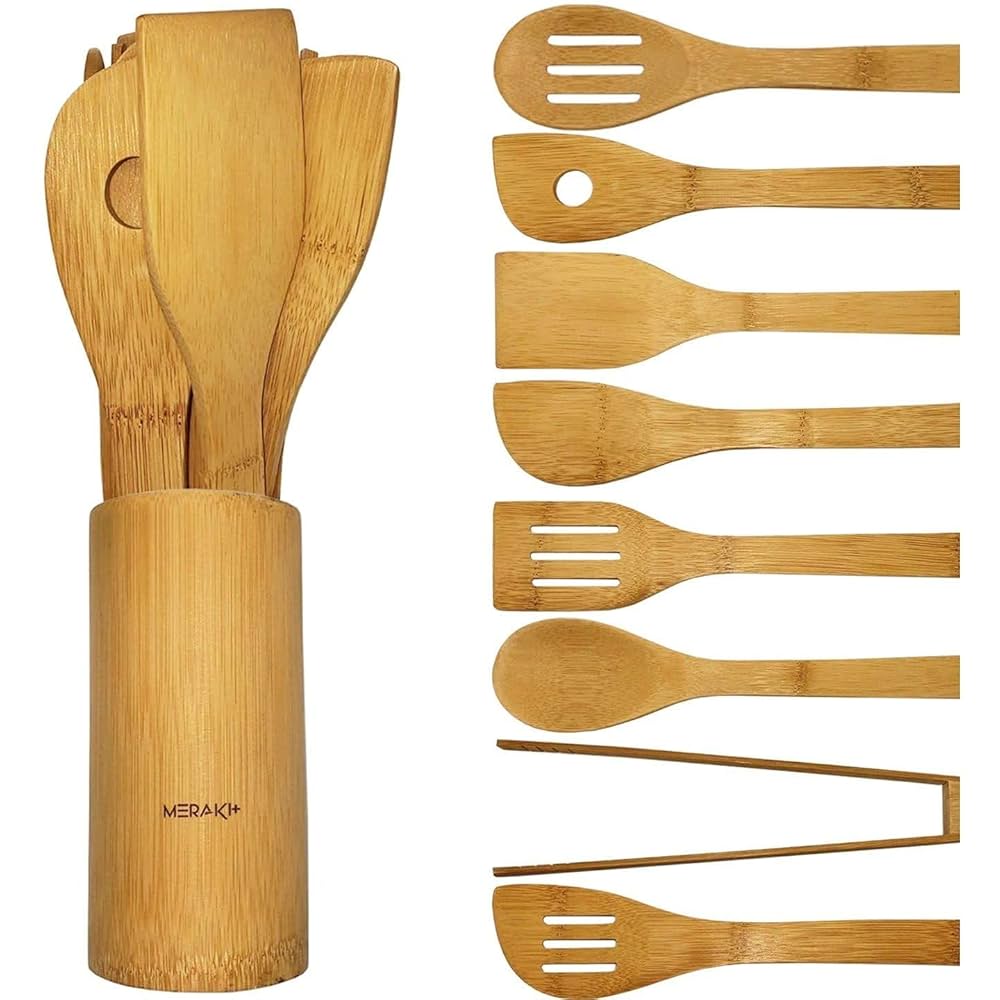
Are you wondering if you can toss your bamboo cooking utensils into the dishwasher without worrying about damage? You’re not alone.
Many home cooks and kitchen enthusiasts like you are curious about the care and maintenance of these eco-friendly tools. Bamboo utensils are a popular choice for their durability and sustainability, but their care instructions can sometimes be a bit confusing.
You’ll discover everything you need to know about whether or not bamboo cooking utensils are dishwasher safe. Keep reading to ensure your favorite kitchen tools stay in great shape for years to come.
Bamboo Utensils And Dishwashers
Bamboo utensils are popular for their eco-friendly nature and durability. Many users wonder if these utensils are safe to clean in dishwashers. Understanding how bamboo reacts to dishwasher conditions helps in proper care. This section explores bamboo utensils and dishwashers, focusing on the material’s properties, dishwasher effects, and common myths.
Material Properties Of Bamboo
Bamboo is a natural wood-like material. It is strong, lightweight, and resistant to stains. Bamboo contains natural oils that protect it from water damage. These oils also give bamboo a smooth surface. Despite its strength, bamboo can absorb moisture. Prolonged exposure to water may cause swelling or cracking.
Effects Of Dishwasher Heat And Water
Dishwashers use hot water and strong detergents. High heat can dry out bamboo, making it brittle. Water pressure and steam may cause the wood to warp. Detergents can strip away bamboo’s natural oils. This loss reduces the utensil’s lifespan and appearance. Repeated dishwasher cycles increase these risks significantly.
Common Misconceptions
- Bamboo utensils are dishwasher safe – False. They can get damaged easily.
- Hand washing is inconvenient – Washing by hand is quick and gentle.
- Dishwashers sanitize better – Proper hand washing removes germs well.
- Bamboo utensils last forever – They need care to maintain quality.

Credit: www.amazon.co.uk
Risks Of Dishwasher Use
Using a dishwasher for your bamboo cooking utensils might seem like a quick cleanup solution, but it comes with hidden risks. The intense heat and prolonged water exposure can damage the delicate structure of bamboo. Understanding these risks helps you decide the best care routine for your utensils to keep them lasting longer and staying safe.
Warping And Cracking
Bamboo is a natural material that reacts to heat and moisture. Dishwashers expose utensils to high temperatures and strong water jets, which can cause them to warp or crack. Have you noticed your wooden spoons bending or splitting after a few dishwasher cycles? That’s the material breaking down under stress.
Warped utensils don’t just look bad—they can become uncomfortable to use and may even harbor food particles in cracks. Protect your bamboo by hand washing to maintain its shape and strength.
Loss Of Natural Oils
Bamboo contains natural oils that keep it smooth and water-resistant. The harsh detergents and heat in dishwashers strip away these oils over time. Without these oils, your utensils can become dry and rough.
Dry bamboo is more prone to splintering, which not only damages the utensil but can also pose a safety risk when cooking. Regularly applying a food-safe oil after washing can restore moisture and extend your utensils’ life.
Bacterial Growth Concerns
You might think dishwashers sanitize everything, but bamboo’s tiny cracks and pores can trap moisture even after a wash. This damp environment inside the wood can encourage bacteria and mold growth.
Have you ever smelled a musty odor from a wooden utensil? That’s a sign bacteria might be lurking. Air drying your bamboo utensils thoroughly after hand washing is crucial to prevent this issue.
Proper Cleaning Methods
Proper cleaning methods keep bamboo cooking utensils safe and durable. Bamboo is natural and can crack or warp with harsh cleaning. Gentle care helps maintain its quality and lifespan. Follow simple steps to clean bamboo utensils effectively.
Hand Washing Techniques
Wash bamboo utensils by hand using warm water. Avoid soaking them for a long time. Use a soft sponge or cloth to remove food particles. Rinse thoroughly to remove soap residue. Never put bamboo utensils in the dishwasher to prevent damage.
Drying Best Practices
Dry bamboo utensils immediately after washing. Use a clean towel to wipe off water. Air dry them in a well-ventilated area. Avoid leaving them in damp places to stop mold growth. Proper drying keeps bamboo strong and fresh.
Using Mild Detergents
Choose mild detergents to clean bamboo utensils. Harsh chemicals can damage the wood fibers. Use a small amount of gentle soap to preserve the finish. Mild detergents help maintain the natural look and feel of bamboo.
Maintenance And Longevity
Maintaining bamboo cooking utensils properly extends their life and keeps them safe to use. Bamboo is natural and needs care to stay strong and smooth. Simple habits protect your utensils from damage and keep them looking new.
Regular Oil Treatment
Applying oil helps keep bamboo from drying out and cracking. Use food-safe oils like mineral oil or coconut oil. Rub a small amount on the utensils using a soft cloth. Let the oil soak in for a few hours or overnight. Repeat this treatment every few weeks to keep bamboo moisturized and shiny.
Storage Tips
Store bamboo utensils in a dry place away from direct sunlight. Avoid putting them in damp or humid areas. Use a utensil holder or drawer organizer to keep them upright and separated. Proper storage prevents warping and mold growth. Do not store bamboo utensils near heat sources like stoves or ovens.
Avoiding Prolonged Soaking
Never leave bamboo utensils soaking in water for a long time. Prolonged soaking causes the bamboo to swell and split. Wash utensils quickly with warm water and mild soap. Dry them immediately with a towel. Quick drying stops bacteria and keeps the bamboo strong and safe.
Alternatives To Dishwashing
Dishwashing machines can be harsh on bamboo cooking utensils. Heat and strong detergents may cause cracking or warping. Choosing alternative cleaning methods helps preserve their natural beauty and strength. These options also support longer utensil life and maintain hygiene.
Eco-friendly Cleaning Options
Hand washing bamboo utensils with mild soap and warm water works well. Use a soft sponge or cloth to avoid scratches. Avoid soaking for long periods to prevent swelling.
- Use natural soaps free from harsh chemicals.
- Rinse thoroughly to remove all soap residue.
- Dry immediately with a clean towel to stop moisture damage.
These simple steps reduce environmental impact and keep utensils safe. Bamboo is a natural material, so gentle care is best.
Sanitizing Without Damage
Sanitizing is important to kill germs without harming bamboo. Vinegar diluted with water is a safe option. Spray or wipe the mixture on utensils and let it sit for a few minutes.
- Use a 1:4 ratio of white vinegar to water.
- Rinse well after sanitizing to remove vinegar smell.
- Air dry completely before storing.
Another way is to use a solution of baking soda and water for scrubbing. This helps remove stains and odors gently. Avoid bleach or strong chemicals that can weaken bamboo fibers.

Credit: www.amazon.com

Credit: www.amazon.ca
Frequently Asked Questions
Are Bamboo Cooking Utensils Dishwasher Safe?
No, bamboo cooking utensils are not dishwasher safe. High heat and moisture can cause them to crack or warp. Hand washing with mild soap and drying immediately preserves their quality and lifespan.
How Should I Clean Bamboo Cooking Utensils?
Clean bamboo utensils with warm water and mild soap. Avoid soaking them for long periods. Dry thoroughly with a towel to prevent warping and bacterial growth.
Can Dishwasher Damage Bamboo Utensils?
Yes, dishwashers can damage bamboo utensils. The intense heat and water pressure may cause splitting, cracking, or warping. Hand washing is recommended to maintain their durability.
Why Avoid Dishwasher For Bamboo Utensils?
Dishwashers expose bamboo to excessive heat and moisture. This weakens the fibers and reduces the utensil’s lifespan. Gentle hand washing is the best care method.
Conclusion
Bamboo cooking utensils need gentle care to last longer. Avoid putting them in the dishwasher. Hot water and strong detergents can damage the bamboo. Hand washing with mild soap works best. Dry them quickly to stop warping or cracking. Taking simple steps keeps your utensils safe and clean.
Enjoy cooking with tools that stay strong and natural. Simple care makes a big difference in their life. Choose wisely for a healthy kitchen and happy cooking.