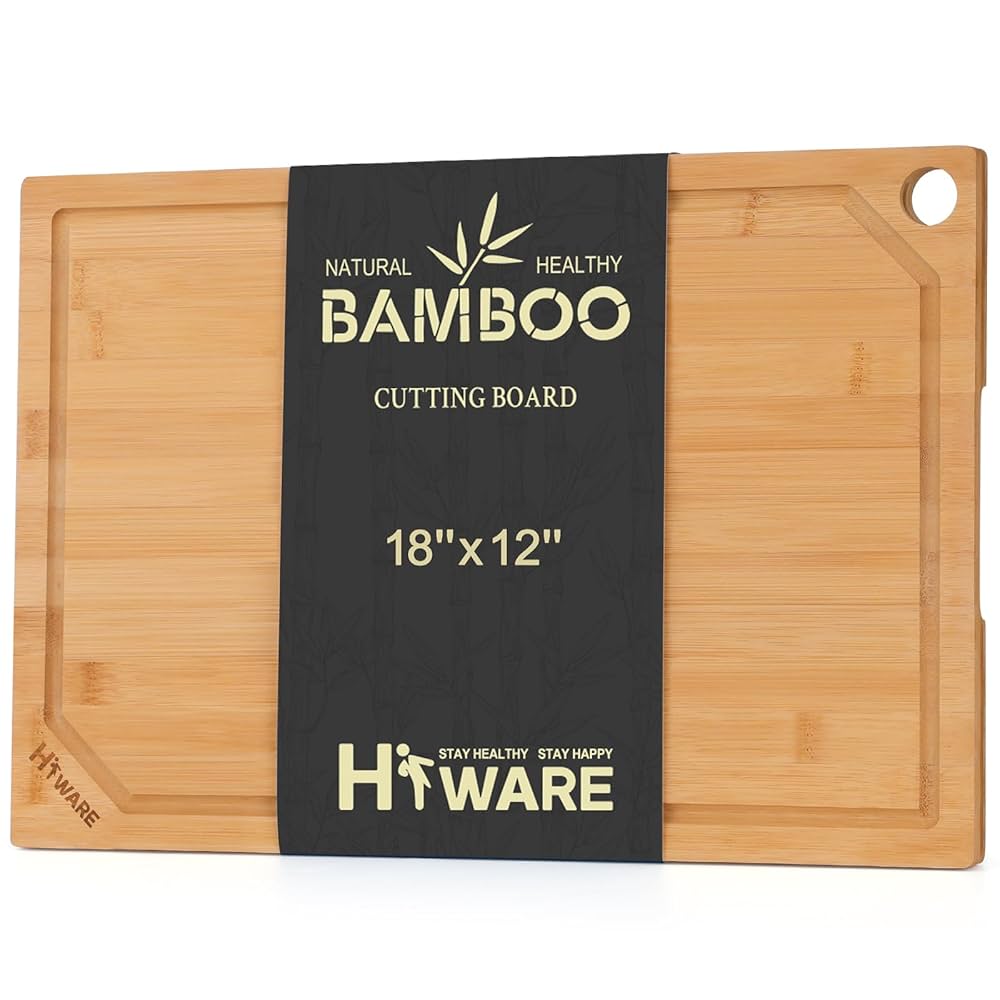
Are you wondering if bamboo cutting boards are the right choice for your kitchen? You might have heard they’re eco-friendly and durable, but is that really true?
Choosing the right cutting board can affect your cooking experience, your knife’s lifespan, and even your health. You’ll discover the surprising benefits and possible drawbacks of bamboo cutting boards. By the end, you’ll know exactly whether a bamboo board fits your needs and how it can make your kitchen work easier and safer.
Keep reading to find out!
Bamboo As A Material
Bamboo is a popular choice for cutting boards. It offers many benefits compared to other woods.
This material is known for being strong and sustainable. It is a good option for kitchen use.
Durability And Strength
Bamboo fibers are tightly packed. This makes bamboo boards hard and long-lasting.
- Resists knife marks better than soft woods
- Less prone to cracking or warping
- Lightweight yet sturdy for daily use
- Easy to maintain with regular oiling
Eco-friendly Qualities
Bamboo grows quickly and does not need replanting often. It uses less water than trees.
| Feature | Bamboo | Hardwood |
| Growth Time | 3-5 years | 20-50 years |
| Water Use | Low | High |
| Renewability | High | Low |
| Carbon Absorption | High | Moderate |
Natural Antibacterial Properties
Bamboo contains natural substances that fight bacteria. This helps keep cutting boards cleaner.
Benefits of bamboo’s antibacterial nature:
- Reduces bacteria growth on the surface
- Limits odors caused by germs
- Supports safer food preparation
Benefits Of Bamboo Cutting Boards
Bamboo cutting boards are popular in many kitchens. They offer several advantages over other materials.
These boards combine strength with ease of use. They can be a smart choice for daily cooking tasks.
Resistance To Knife Marks
Bamboo is a hard material that resists deep cuts. This helps keep the board smooth and clean.
- Knife marks are less visible on bamboo boards.
- The surface stays even after many uses.
- Less damage means longer life for the board.
Lightweight And Easy To Handle
Bamboo boards are lighter than many wood or plastic boards. You can move them easily around the kitchen.
| Material | Weight (approx.) |
|---|---|
| Bamboo | 1.5 lbs |
| Maple Wood | 2.5 lbs |
| Plastic | 2.0 lbs |
Low Maintenance Requirements
Bamboo boards need simple care to stay in good shape. They do not require special cleaning products.
Tips for maintaining bamboo cutting boards:
- Wash with warm, soapy water after use.
- Dry quickly to avoid warping.
- Apply mineral oil once a month to keep the surface smooth.
Comparing Bamboo To Other Materials
Bamboo cutting boards are popular kitchen tools. They are often compared to plastic and hardwood boards. Each type has its own benefits and drawbacks.
This guide looks at how bamboo stacks up against plastic and hardwood boards. It helps you understand the main differences.
Versus Plastic Boards
Bamboo boards are natural and eco-friendly. Plastic boards are cheaper and lighter. Bamboo is harder and less prone to deep cuts.
- Bamboo is more sustainable than plastic.
- Plastic boards can absorb odors and stains more easily.
- Bamboo resists knife marks better, keeping the surface smooth.
- Plastic boards are dishwasher safe; bamboo usually is not.
- Bamboo boards can dull knives faster than plastic ones.
Versus Hardwood Boards
Bamboo is often compared to hardwood boards like maple or walnut. Both are natural and strong. Bamboo grows faster, so it renews quicker.
| Feature | Bamboo | Hardwood |
|---|---|---|
| Durability | Very hard and tough | Hard, but can dent or scratch more |
| Maintenance | Needs hand washing and oiling | Also needs oiling and hand washing |
| Eco-friendliness | Fast-growing and renewable | Slower growth, less renewable |
| Knife Friendliness | Can dull knives quicker | Gentler on knife edges |
| Appearance | Light color with uniform grain | Varies widely with grain and color |

Credit: www.kitchenstuffplus.com
Care Tips For Bamboo Boards
Bamboo cutting boards are sturdy and eco-friendly. Proper care keeps them clean and long-lasting.
Learn simple ways to clean, protect, and maintain your bamboo board at home.
Cleaning Techniques
Clean your bamboo board after every use to avoid stains and bacteria. Use mild soap and warm water.
- Rinse with warm water immediately after cutting food.
- Scrub gently using a soft sponge and mild dish soap.
- Avoid soaking the board in water for long periods.
- Dry the board with a clean towel right after washing.
- Let it air dry standing upright to prevent moisture buildup.
Preventing Warping And Cracking
Bamboo boards can warp or crack if exposed to too much water or heat. Keep them in good shape by following these tips.
| Do | Don’t |
|---|---|
| Store in a dry, cool place | Leave in standing water |
| Dry immediately after washing | Put in dishwasher |
| Use both sides of the board evenly | Expose to direct sunlight |
Oiling And Conditioning
Oiling your bamboo board keeps it hydrated and prevents cracks. Use food-safe mineral oil or bamboo conditioner.
- Apply oil once a month or when the board looks dry.
- Use a clean cloth to rub oil evenly on all surfaces.
- Let the oil soak in for a few hours or overnight.
- Wipe off any excess oil before use.
Potential Drawbacks
Bamboo cutting boards have many benefits, but they also come with some issues. It is important to know these before buying one.
This section explains two common drawbacks: sensitivity to moisture and surface wear over time.
Sensitivity To Moisture
Bamboo is a natural material that can absorb water. If left wet for too long, it may swell or warp.
Too much moisture can also cause the board to crack or develop mold if not dried properly.
- Do not soak bamboo boards in water.
- Dry boards immediately after washing.
- Store in a dry place to avoid damage.
Surface Wear Over Time
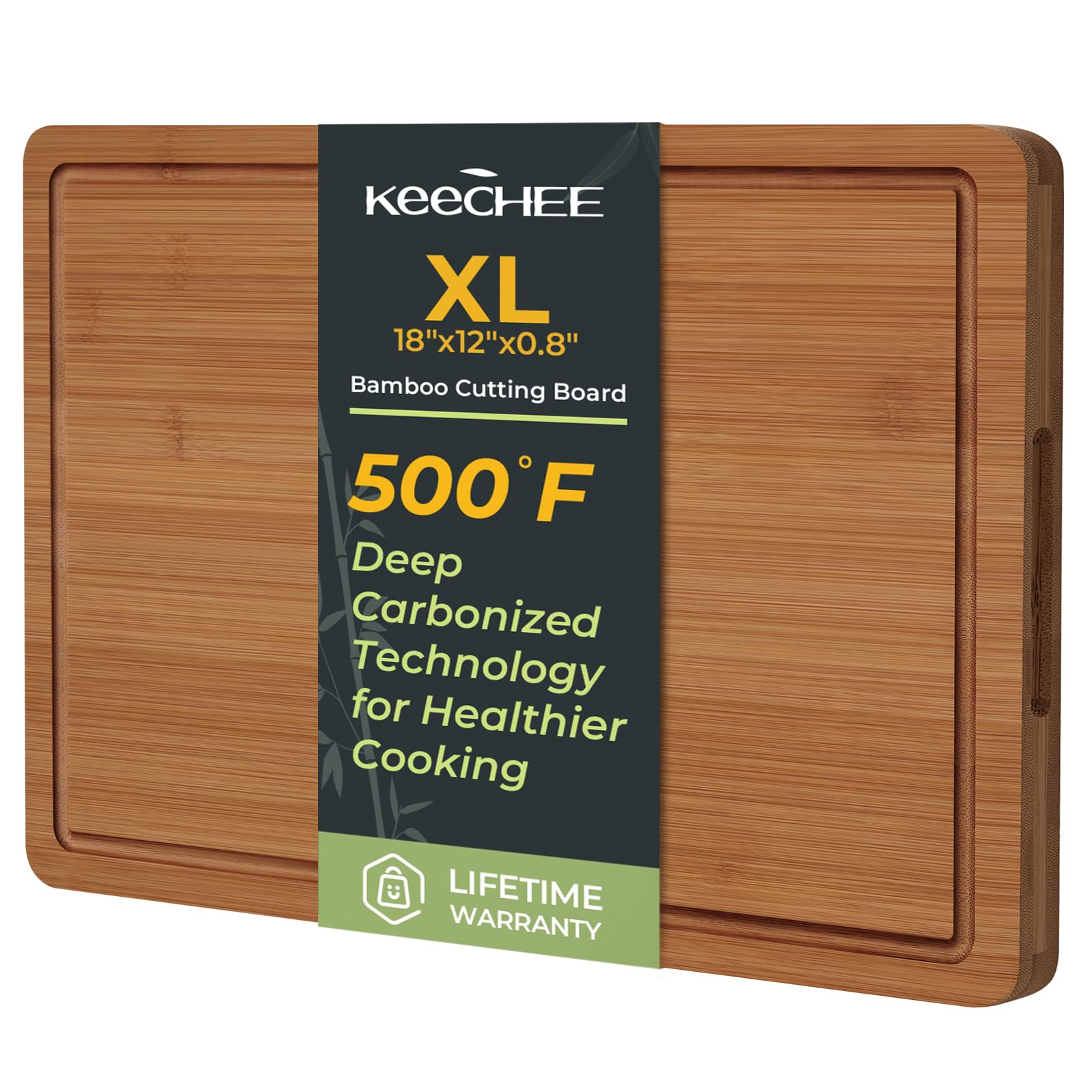
Cutting boards made from bamboo can show scratches and cuts after regular use. This affects their appearance and smoothness.
Repeated use may cause the surface to become rough, which can trap bacteria and make cleaning harder.
- Use both sides to spread out wear.
- Sand the surface lightly to smooth rough spots.
- Replace the board if deep cuts form.
Credit: www.amazon.ca
Choosing The Right Bamboo Board
Bamboo cutting boards offer a sturdy and eco-friendly choice for kitchens. Selecting the right one depends on your cooking needs and preferences.
Understanding grain, thickness, size, shape, and price helps you pick a board that lasts long and works well.
Grain And Thickness Options
Bamboo boards come with different grain types and thickness levels. These affect durability and knife-friendliness.
- Vertical Grain:Strips of bamboo stand upright. This makes the board very strong.
- Horizontal Grain:Bamboo strips lie flat. The surface is smoother but less dense.
- Thickness:Boards range from 0.5 to 1.5 inches thick. Thicker boards last longer and resist warping.
Sizes And Shapes
Choose a size and shape that fits your kitchen space and cooking habits. Large boards work well for big tasks.
| Size | Best Use |
| Small (8 x 10 inches) | Quick chopping and small kitchens |
| Medium (10 x 14 inches) | Everyday cooking and most tasks |
| Large (15 x 20 inches) | Big meals and prep for parties |
| Round or Oval | Serving or cutting on the go |
Price Considerations
Bamboo boards vary in price based on quality, brand, and size. Higher cost usually means better finish and durability.
Here are factors to consider for price:
- Type of grain and thickness
- Size and shape complexity
- Brand reputation
- Additional features like juice grooves or handles

Credit: miti-life.com
Frequently Asked Questions
Are Bamboo Cutting Boards Durable?
Yes, bamboo cutting boards are known for their durability. They are harder than most wood boards, resisting cuts and scratches. This makes them ideal for frequent use in the kitchen. Bamboo’s natural resilience helps maintain its appearance, even with regular use.
Do Bamboo Cutting Boards Harbor Bacteria?
Bamboo cutting boards are less likely to harbor bacteria. Their dense structure resists moisture absorption, reducing bacterial growth. Regular cleaning with soap and water keeps them hygienic. Additionally, bamboo has natural antimicrobial properties, offering an extra layer of protection against bacteria.
Are Bamboo Cutting Boards Eco-friendly?
Yes, bamboo cutting boards are eco-friendly. Bamboo is a renewable resource that grows quickly without pesticides. Its rapid growth makes it a sustainable choice for cutting boards. Using bamboo supports environmentally-conscious practices and reduces deforestation.
Can Bamboo Cutting Boards Damage Knives?
Bamboo cutting boards are gentle on knives. They provide a firm surface that minimizes knife dulling. Bamboo’s hardness is balanced, preventing excessive wear on blades. Proper cutting techniques further extend the lifespan of both the board and knives.
Conclusion
Bamboo cutting boards offer a strong and eco-friendly option. They resist knife marks and dry quickly. These boards stay cleaner and last a long time. Cleaning them is simple and fast. They are lighter than many wood boards. Many cooks find bamboo easy to use daily.
Choosing bamboo helps reduce plastic waste too. Overall, bamboo cutting boards serve well in kitchens. They blend durability with natural beauty. A smart choice for healthy and green cooking.