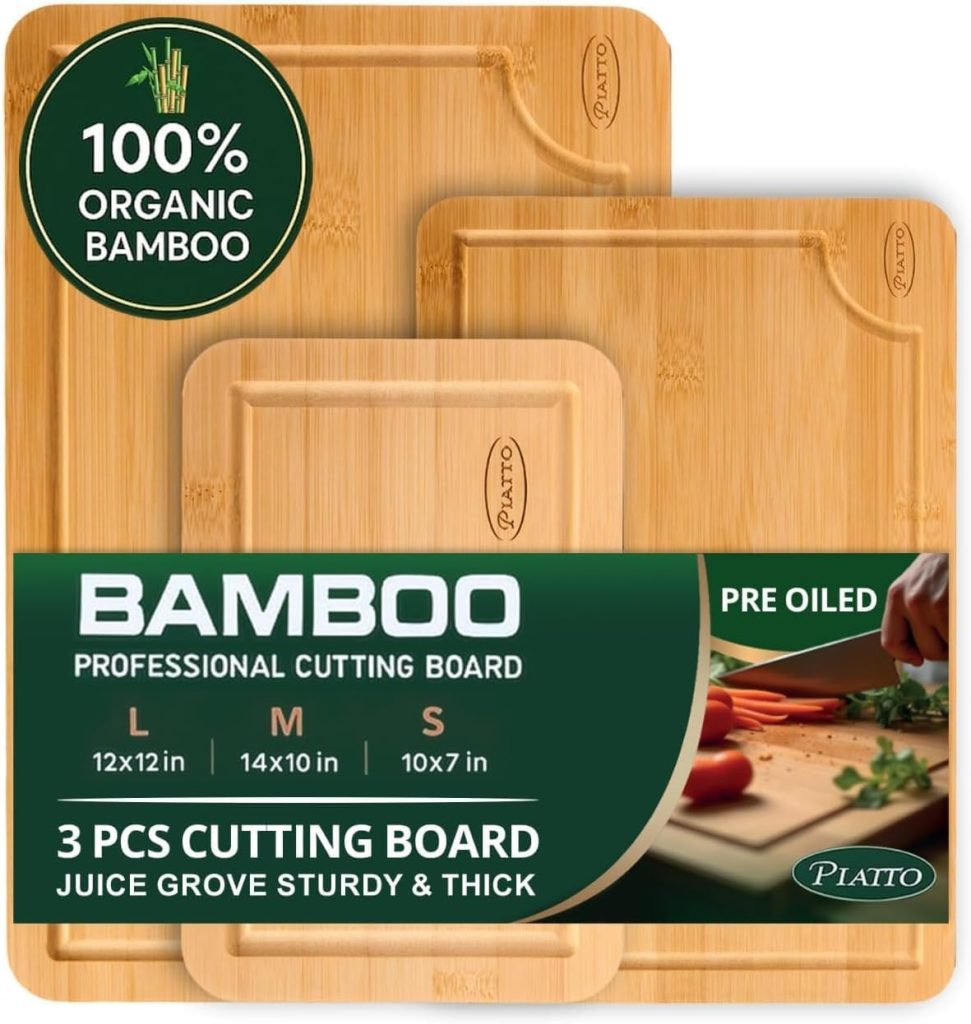
Are you worried about the safety of the cutting boards you use every day? You might have heard that bamboo cutting boards are a healthier choice, but are they truly non-toxic for you and your family?
Choosing the right cutting board isn’t just about looks or price—it’s about what comes into contact with your food. You’ll discover the facts about bamboo cutting boards, how safe they really are, and what you should look for to keep your kitchen both beautiful and healthy.
Keep reading to make sure your next chopping board is a safe addition to your home.
Bamboo As A Material
Bamboo is a popular choice for cutting boards. It is a natural grass that grows fast and strong.
Many people ask if bamboo cutting boards are safe and non-toxic to use in the kitchen.
Natural Properties
Bamboo has natural qualities that make it good for kitchen tools. It is hard and durable but still light.
Bamboo contains natural antibacterial agents. These help reduce bacteria growth on the board.
- Renewable and eco-friendly material
- Strong fibers resist cuts and cracks
- Natural antimicrobial properties
- Does not absorb much water
Processing Methods
Bamboo cutting boards go through different steps before use. This affects how safe and non-toxic they are.
Boards are usually made by gluing bamboo strips together. The glue should be food safe and free from harmful chemicals.
- Harvest bamboo and cut into strips
- Dry strips to remove moisture
- Use non-toxic glue to bind strips
- Sand and finish with natural oils

Credit: mysticpool.com
Toxicity Concerns
Bamboo cutting boards are popular for their durability and eco-friendliness. Many wonder if they are safe to use in kitchens. It is important to know about any toxicity risks linked to these boards.
Some concerns focus on chemicals used in making bamboo boards. Others worry about dirt or bacteria that may stick to the surface. Let’s look at these issues closely.
Chemical Treatments
Manufacturers may treat bamboo boards with chemicals to protect them. These chemicals can include adhesives, sealants, or finishes. Some treatments might release harmful substances if not safe.
- Formaldehyde-based glues are sometimes used and can be toxic.
- Non-toxic, food-safe finishes are safer for kitchen use.
- Natural oils like mineral oil help protect without chemicals.
- Always check if the board is labeled as food-safe or non-toxic.
Potential Contaminants
Bamboo boards can trap moisture and food particles if not cleaned well. This can cause bacteria or mold growth. Using the right cleaning methods is key to safety.
| Contaminant | Source | Risk |
| Bacteria | Raw meat, vegetables | Food poisoning |
| Mold | Moisture, poor drying | Allergic reactions |
| Residue | Cleaning chemicals | Health irritation |
Health And Safety
Bamboo cutting boards are popular in kitchens. Many people ask if they are safe and non-toxic for food use.
This article looks at health and safety issues with bamboo cutting boards. It helps you understand their safety better.
Food Safety Standards
Bamboo cutting boards meet many food safety standards. They are less likely to absorb water and bacteria than wood boards.
Most bamboo boards use natural materials and safe adhesives. They do not contain harmful chemicals that can mix with food.
- Bamboo is naturally antimicrobial, helping reduce bacteria growth.
- High-quality boards avoid toxic glues and finishes.
- Proper cleaning keeps bamboo boards safe for food use.
Allergy Considerations
Some people wonder if bamboo cutting boards cause allergies. Bamboo itself rarely causes allergic reactions.
Allergic reactions usually come from coatings or adhesives on the boards. Choose boards labeled as hypoallergenic if sensitive.
- Bamboo is a grass and is not a common allergen.
- Check for chemical-free finishes to reduce allergy risks.
- Wash boards well to remove any surface residues.

Credit: www.mychemicalfreehouse.net
Eco-friendly Benefits
Bamboo cutting boards are popular for being eco-friendly and non-toxic. They are made from a fast-growing plant that renews quickly. This makes bamboo a good choice for the environment.
Understanding the sustainability and carbon footprint of bamboo helps us see why these cutting boards are a better option than some other materials.
Sustainability Of Bamboo
Bamboo grows much faster than trees used for wood cutting boards. It can grow up to three feet in one day. This fast growth means it can be harvested often without damaging the environment.
- Bamboo does not need pesticides or fertilizers to grow well.
- It requires less water than many other plants.
- The plant can regenerate after cutting without replanting.
- Bamboo fields help prevent soil erosion.
- Harvesting bamboo supports local farmers in many countries.
Carbon Footprint Compared To Wood And Plastic
Bamboo cutting boards have a lower carbon footprint than wooden or plastic boards. This means they cause less harm to the environment during production and use.
| Material | Carbon Footprint (kg CO2 per kg) | Biodegradability |
| Bamboo | 0.5 | Yes |
| Wood | 1.2 | Yes |
| Plastic | 6.0 | No |
Maintenance And Longevity
Bamboo cutting boards are popular for being eco-friendly and safe. Keeping them clean and well-maintained helps them last longer. Simple care can prevent cracks and bacteria buildup.
This guide explains how to clean bamboo boards properly and what affects their durability. Follow these tips to keep your board in good shape.
Cleaning Tips
Clean your bamboo cutting board after each use to keep it safe and fresh. Avoid soaking it in water or using harsh chemicals.
- Wash with warm, soapy water using a soft sponge.
- Rinse quickly and dry with a clean towel.
- Do not put the board in the dishwasher.
- Use a mixture of vinegar and water to remove odors.
- Apply mineral oil once a month to prevent drying.
Durability Factors
Bamboo boards are strong but can wear out if not cared for properly. Moisture, heat, and heavy chopping can reduce their life.
| Factor | Effect on Bamboo Board | Care Advice |
| Water Exposure | Can cause warping and cracking | Dry immediately after washing |
| Heat | May dry out and split the wood | Avoid placing near stoves or ovens |
| Cutting Technique | Deep cuts shorten board life | Use gentle chopping and rotate board |
| Oil Treatment | Keeps bamboo moist and strong | Apply mineral oil monthly |
Comparing Cutting Board Materials
Cutting boards come in many materials. Each type has its own pros and cons.
Understanding if bamboo cutting boards are non-toxic helps you choose safe kitchen tools.
Bamboo Vs Hardwood
Bamboo is a fast-growing grass, not wood. Hardwood comes from slow-growing trees.
Bamboo boards are less porous, so they absorb less water. Hardwood boards may hold more moisture.
- Bamboo is naturally antimicrobial and resists bacteria well.
- Hardwood is durable but may need more oiling to prevent cracks.
- Both are non-toxic if untreated and finished with food-safe oils.
- Bamboo is harder and can dull knives faster than hardwood.
Bamboo Vs Plastic
Bamboo is a natural material, while plastic is synthetic. This affects their safety.
Bamboo boards do not release harmful chemicals. Some plastic boards can release toxins when damaged.
- Bamboo is biodegradable and eco-friendly.
- Plastic boards are easy to clean and dishwasher safe.
- Bamboo boards need hand washing to last longer.
- Plastic boards may develop deep cuts that harbor bacteria.
- Bamboo cutting boards are generally non-toxic when untreated.

Credit: www.amazon.com
Frequently Asked Questions
Are Bamboo Cutting Boards Safe For Food Prep?
Yes, bamboo cutting boards are safe for food preparation. They are naturally non-toxic and do not harbor bacteria. Bamboo is also eco-friendly and biodegradable. It resists knife scarring better than plastic, maintaining a sanitary surface. Always ensure your board is properly cleaned and maintained.
Do Bamboo Cutting Boards Contain Harmful Chemicals?
No, bamboo cutting boards do not contain harmful chemicals. They are made from natural bamboo, which is non-toxic. Unlike some plastic boards, bamboo does not leach chemicals into food. Always choose boards that are untreated or finished with food-grade mineral oil for added safety.
How Should I Clean Bamboo Cutting Boards?
Clean bamboo cutting boards with warm, soapy water and a sponge. Avoid soaking them to prevent warping. Dry immediately with a towel to maintain their quality. For deeper cleaning, use a mixture of white vinegar and water. Periodically, treat with food-grade mineral oil to preserve the board.
Can Bamboo Cutting Boards Harbor Bacteria?
Bamboo cutting boards are less likely to harbor bacteria compared to plastic boards. Bamboo has natural antimicrobial properties. Regular cleaning after use and proper drying prevents bacterial growth. Unlike wood, bamboo is non-porous, making it less susceptible to bacteria absorption and contamination.
Conclusion
Bamboo cutting boards are a safe choice for your kitchen. They do not contain harmful chemicals that can affect your food. Their natural material resists bacteria and lasts long with care. Easy to clean and maintain, they stay fresh and non-toxic.
Choosing bamboo helps protect the environment too. A simple switch to bamboo supports health and nature. Trust bamboo cutting boards for a cleaner cooking experience. Safe, natural, and eco-friendly—what more could you want?