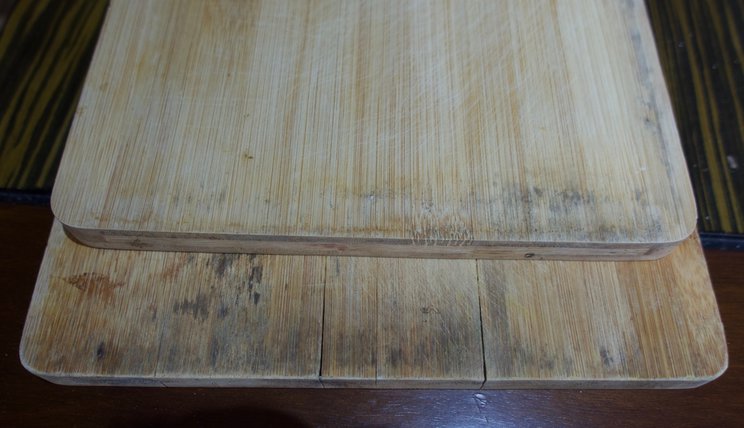
Are you wondering if your bamboo cutting board is really safe to use in your kitchen? You probably want to keep your food fresh and avoid any hidden germs, but with so much information out there, it’s hard to know what’s true.
Bamboo cutting boards are popular, but are they truly sanitary? This article will clear up the confusion and help you make the best choice for your health and home. Keep reading to discover the surprising facts that could change the way you prepare your meals.

Credit: tsukushi-japan.com
Bamboo As A Cutting Board Material
Bamboo is a popular choice for cutting boards. It offers a natural look and feels sturdy. Many people wonder if bamboo boards are sanitary for kitchen use.
This article looks at bamboo’s natural traits, its strength, and its effect on the environment. Understanding these points helps decide if bamboo cutting boards are right for you.
Natural Properties Of Bamboo
Bamboo contains natural antimicrobial agents. These help reduce bacteria growth on the board surface. The tight grain of bamboo also prevents deep cuts where germs hide.
- Contains natural antibacterial substances
- Dense surface resists bacteria penetration
- Easy to clean and maintain
- Less prone to water absorption
Durability And Hardness
Bamboo is harder than many hardwoods used for cutting boards. This hardness helps the board last longer and resist knife marks. Less damage means fewer places for germs to grow.
| Material | Janka Hardness (lbs) |
| Bamboo | 1380 |
| Maple | 1450 |
| Walnut | 1010 |
| Cherry | 995 |
Environmental Impact
Bamboo grows fast and needs little water. It does not require pesticides or fertilizers. This makes it a very eco-friendly material. Using bamboo helps reduce deforestation.
Key environmental benefits of bamboo cutting boards:
- Renewable resource
- Biodegradable at end of life
- Low carbon footprint in production
- Supports sustainable farming
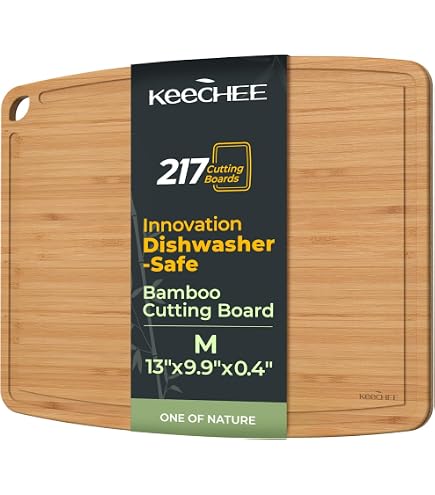
Credit: us.amazon.com
Hygiene Factors In Cutting Boards
Cutting boards must stay clean to keep food safe. Different materials affect hygiene in many ways.
Bamboo cutting boards are popular, but their cleanliness depends on several key factors.
Bacterial Growth Risks
Bacteria can grow on cutting boards if not cleaned well. Bamboo has natural antimicrobial properties that help reduce bacteria.
Still, bacteria can hide if food scraps remain on the surface. Proper washing is important.
Moisture Retention
Moisture allows bacteria to grow quickly. Bamboo is less porous than wood, so it absorbs less water.
- Bamboo boards dry faster than plastic or wood.
- Less moisture means fewer bacteria survive.
- Always dry boards fully after washing.
Surface Damage And Cracks
Cracks and deep cuts trap food and bacteria. Bamboo is hard and resists deep cuts better than softer woods.
| Material | Resistance to Cracks | Cleaning Ease |
| Bamboo | High | Easy |
| Wood | Medium | Moderate |
| Plastic | Low | Easy |
Sanitation Of Bamboo Cutting Boards
Bamboo cutting boards are popular in kitchens. People want to know if they are clean and safe to use.
Sanitation means keeping the board free from germs. This helps stop food contamination and illness.
Cleaning Techniques
Clean bamboo cutting boards after every use. Use warm water and soap to wash the surface well.
Scrub gently with a soft sponge or brush. Avoid harsh scrubbing to protect the bamboo fibers.
- Rinse thoroughly to remove soap
- Do not soak the board in water
- Use mild dish soap for cleaning
Use Of Antibacterial Agents
Antibacterial agents help kill bacteria on bamboo boards. Natural agents like vinegar work well.
Spray white vinegar on the board and let it sit for a few minutes. Then rinse with water to clean.
- Use diluted vinegar for safety
- Baking soda can remove odors
- Avoid bleach to protect bamboo
Drying And Storage Tips
Dry bamboo cutting boards completely to stop mold and bacteria growth. Use a clean towel or air dry.
Store boards in a dry place. Avoid stacking wet boards or keeping them in tight spaces.
- Stand boards upright to dry faster
- Keep away from direct heat or sunlight
- Store in a well-ventilated area
Comparison With Other Materials
Bamboo cutting boards are popular for their natural look and durability. Many people wonder if they are as sanitary as other materials.
This section compares bamboo boards with plastic, wooden, and composite cutting boards to help you understand their cleanliness and safety.
Plastic Cutting Boards
Plastic boards are lightweight and often dishwasher safe. They do not absorb liquids, which helps prevent bacteria growth.
Still, deep cuts from knives can trap food and germs. Regular cleaning is important to keep them sanitary.
Wooden Cutting Boards
Wood boards, including bamboo, absorb some moisture but have natural antibacterial properties. They are gentle on knives.
- Wood can heal small cuts over time, reducing bacteria traps.
- They need hand washing and thorough drying to stay clean.
- Not recommended for dishwasher use as it may cause warping.
Composite Cutting Boards
Composite boards mix wood fibers and resin. They are hard, durable, and less porous than wood.
| Material | Porosity | Durability | Sanitary Features |
| Bamboo | Moderate | High | Natural antibacterial properties |
| Plastic | Low | Medium | Non-porous but cuts can trap bacteria |
| Wood | High | Medium | Self-healing cuts and antibacterial |
| Composite | Low | Very high | Dense surface, resists bacteria |
Common Myths About Bamboo Boards
Bamboo cutting boards are popular in kitchens. Some people believe many things about their safety and care. Let’s clear up some common myths about bamboo boards.
We will look at whether bamboo boards are antibacterial, if they absorb odors, and how long they last.
Are Bamboo Boards Antibacterial?
Many think bamboo cutting boards kill bacteria naturally. Bamboo has natural properties that may help resist bacteria. But this does not mean bamboo boards are fully antibacterial.
Proper cleaning is still needed to keep boards safe. Washing with hot water and soap removes germs well.
Do Bamboo Boards Absorb Odors?
Some users worry bamboo boards keep bad smells from food. Bamboo is less porous than wood, so it absorbs fewer odors. Still, strong smells can stay if boards are not cleaned well.
- Clean boards right after use
- Use mild soap and warm water
- Avoid soaking boards in water
- Dry boards fully before storing
Lifespan Of Bamboo Boards
Bamboo cutting boards last a long time with care. They are harder than many woods. This makes them strong and less likely to get deep cuts.
| Factor | Effect on Lifespan |
| Cleaning Method | Gentle cleaning extends life |
| Use Frequency | Heavy use may wear board faster |
| Storage | Keep dry to avoid warping |
| Cutting Technique | Use sharp knives to reduce damage |

Credit: www.amazon.com
Maintaining Bamboo Cutting Board Hygiene
Bamboo cutting boards are popular in kitchens. They are strong and eco-friendly. Keeping them clean is key to safe food use.
Proper care stops bacteria growth. It also keeps the board looking good for years. Follow simple steps to keep your board sanitary.
Regular Cleaning Schedule
Clean your bamboo board after every use. Wash it with warm water and mild soap. Rinse well to remove soap residue.
Never soak the board in water. Avoid putting it in the dishwasher. Both can cause the bamboo to crack or warp.
- Wash with warm soapy water
- Rinse thoroughly
- Dry immediately with a clean cloth
- Air dry standing up if possible
Oiling And Conditioning
Oiling your bamboo board keeps it from drying out. Use food-safe mineral oil or bamboo board conditioner. Apply oil once a month or as needed.
Rub the oil evenly over the board’s surface. Let it soak for a few hours or overnight. Wipe off any extra oil before use.
- Use food-safe mineral oil
- Apply oil monthly
- Let oil soak in fully
- Wipe off excess oil
When To Replace Your Board
Replace your bamboo cutting board if deep cuts form. Cracks can hold bacteria and are hard to clean. Warping or splitting means it is time for a new board.
Check your board regularly. If it smells bad after cleaning, replace it. A clean and smooth surface is safer for food preparation.
- Replace if deep cuts or cracks appear
- Replace if board warps or splits
- Replace if bad smells stay after cleaning
- Keep surface smooth for safety
Frequently Asked Questions
Are Bamboo Cutting Boards Hygienic For Kitchen Use?
Bamboo cutting boards resist bacteria due to their dense fibers. They absorb less moisture, reducing bacterial growth. Proper cleaning after use keeps them sanitary and safe for food preparation.
How Do Bamboo Boards Compare To Plastic Ones In Sanitation?
Bamboo boards are naturally antimicrobial and less prone to deep cuts. Plastic boards can harbor bacteria in knife grooves. Bamboo’s hardness and low absorption make it a cleaner choice when maintained properly.
Can Bamboo Cutting Boards Prevent Cross-contamination?
Yes, bamboo boards can prevent cross-contamination if cleaned thoroughly between uses. Use separate boards for raw meats and vegetables. Proper washing with hot, soapy water ensures safety and hygiene.
What Is The Best Way To Clean Bamboo Cutting Boards?
Clean bamboo boards with hot, soapy water immediately after use. Avoid soaking or dishwasher use to prevent warping. Regular oiling maintains their surface and reduces bacterial buildup.
Conclusion
Bamboo cutting boards can be very sanitary if you clean them well. They resist water and bacteria better than some wood boards. Always wash them with warm, soapy water after use. Dry them quickly to stop germs from growing. Avoid soaking bamboo boards in water for a long time.
Regular care keeps them safe and long-lasting. Choosing bamboo is a smart, natural option for your kitchen. Clean boards mean healthier food and less risk of illness. Simple habits make bamboo cutting boards a good choice.