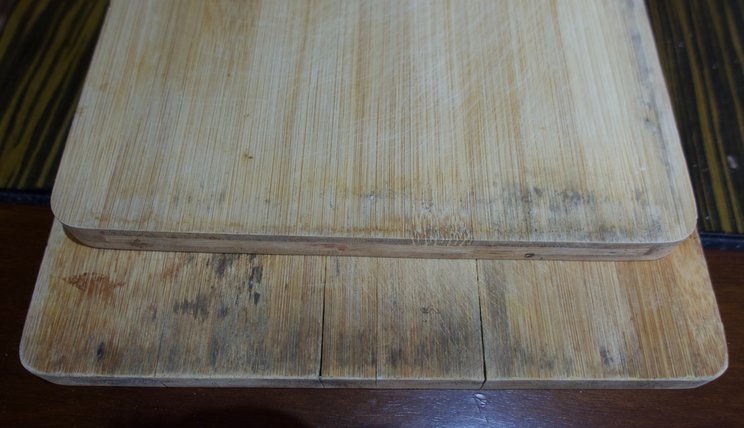
Are you wondering if your bamboo cutting board is safe to use? You probably chose bamboo because it’s natural and eco-friendly.
But have you ever stopped to think: could it be toxic? Understanding what’s really in your cutting board is important for your health and your family’s safety. You’ll discover the truth about bamboo cutting boards and whether they could be harmful.
Keep reading to make sure your kitchen stays a safe place for every meal you prepare.
Bamboo Cutting Boards Basics
Bamboo cutting boards are popular in many kitchens. They are known for being durable and eco-friendly.
This guide explains what bamboo is and how bamboo cutting boards are made. It helps you understand if these boards are safe to use.
What Is Bamboo Material
Bamboo is a fast-growing grass, not wood. It grows in many parts of the world.
The material is strong and light. People use bamboo for furniture, flooring, and kitchen tools like cutting boards.
- Bamboo grows quickly, making it a renewable resource
- It is naturally hard and durable
- Bamboo has natural antibacterial properties
- It resists water better than some woods
How Bamboo Boards Are Made
To make bamboo cutting boards, strips of bamboo are cut and dried. They are then glued together under pressure.
The glue used is usually food safe. The boards are sanded smooth to prevent splinters and finished with a safe coating.
- Bamboo strips are harvested and dried
- Strips are glued side by side or layered
- The glued bamboo is pressed into boards
- Boards are sanded and polished
- Safe finishes are applied to protect the surface

Credit: www.amazon.com
Potential Toxicity Concerns
Bamboo cutting boards are popular in many kitchens. Some people worry if they are safe to use. This article looks at possible toxicity issues.
We will explore chemical treatments, allergens, and how bamboo compares to other woods. This helps you decide if bamboo boards are healthy for your home.
Chemical Treatments Used
Bamboo boards often get treated to make them last longer. Some treatments use chemicals that may cause concerns. Common chemicals include glues and finishes.
Some glues contain formaldehyde, which can release harmful gases. Finishes like varnishes may have solvents. These chemicals can affect food safety if used in large amounts.
- Formaldehyde-based glues may release gases
- Varnishes and finishes can contain solvents
- Natural or food-safe finishes reduce risks
- Untreated bamboo is safest but less durable
Possible Allergens In Bamboo
Some people may have allergic reactions to bamboo. Bamboo contains natural proteins that can cause skin irritation. This is rare but possible.
Allergic reactions may include redness, itching, or rash after touching bamboo. Washing the board and using food-safe oils can lower this risk. People with plant allergies should be careful.
- Bamboo has natural proteins that may irritate skin
- Allergic reactions are uncommon
- Cleaning and oiling helps reduce allergens
- Those with plant allergies should test contact first
Comparing Bamboo To Other Woods
Bamboo is not a wood but a grass. It grows fast and is very hard. Wood cutting boards also have some toxicity concerns.
Hardwoods like maple or walnut use fewer chemicals. They may have less chance of releasing toxins. Bamboo boards often use more glue because of how they are made.
- Bamboo is a grass, not a wood
- Wood boards usually need less glue
- Hardwoods often use natural finishes
- Bamboo boards may have more chemical treatments
- Both types need proper care to stay safe
Safety Of Bamboo Cutting Boards
Bamboo cutting boards are popular for their strength and eco-friendliness. Many wonder if they are safe to use in the kitchen.
This article looks at how bamboo boards meet food safety standards and what finishes are safe for food contact.
Food-grade Standards
Bamboo cutting boards must meet strict food-grade standards. These rules ensure the boards do not release harmful chemicals into food.
- Boards should be made from natural bamboo without added toxins.
- Food-grade boards do not contain harmful adhesives or glues.
- They must be free from lead, BPA, and other dangerous substances.
- Safe boards pass tests for durability and hygiene.
Non-toxic Finishes And Coatings
Many bamboo boards have finishes to protect the surface. These coatings must be safe for food contact.
| Type of Finish | Safety Level | Benefits |
| Mineral Oil | Safe | Moisturizes and protects wood |
| Beeswax | Safe | Seals surface and repels water |
| Polyurethane | Not Recommended | May release toxins if damaged |
| Varnish | Not Recommended | Can chip and contaminate food |
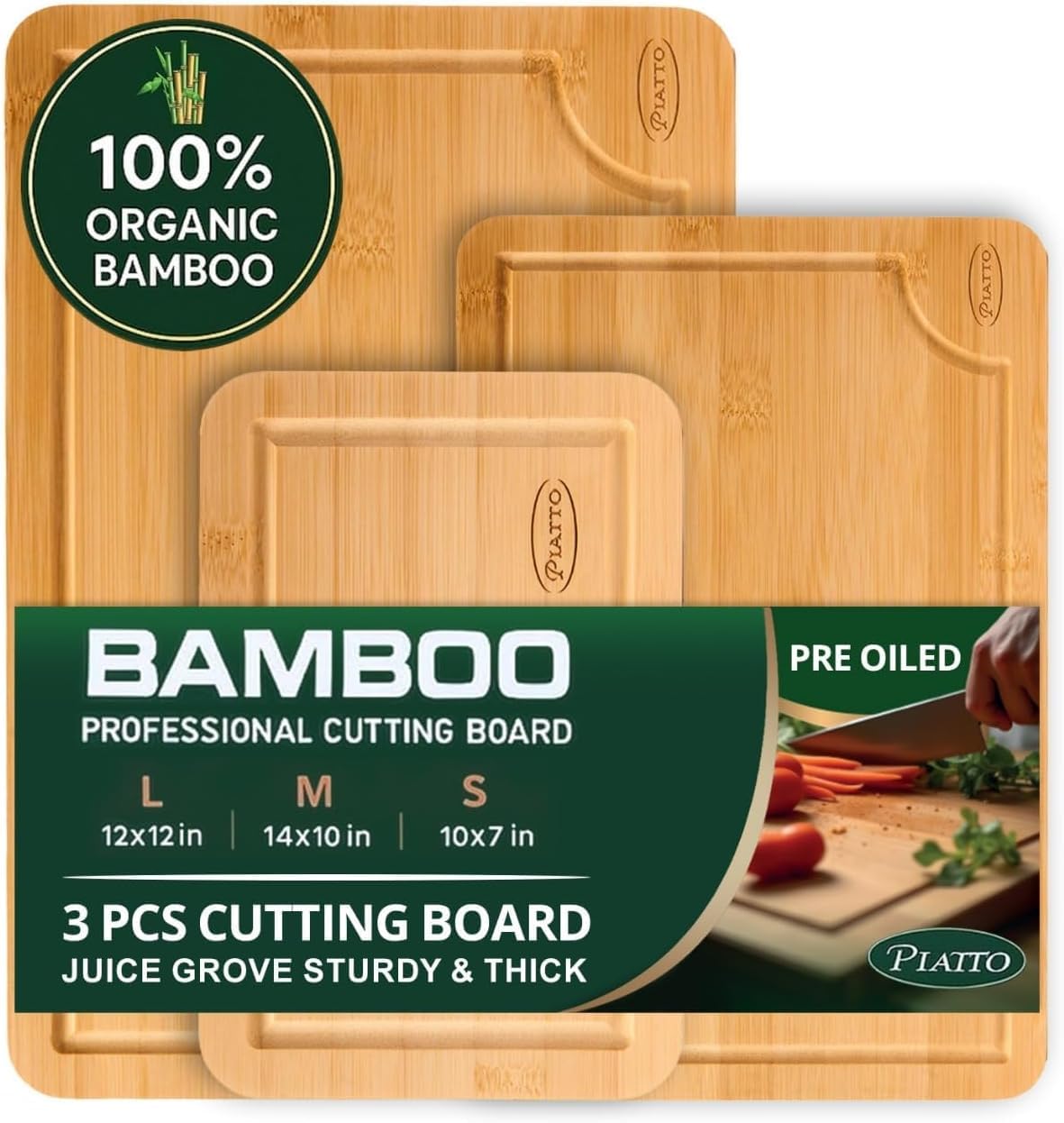
Credit: www.amazon.com
Maintaining Bamboo Boards
Bamboo cutting boards are popular because they are strong and eco-friendly. To keep them safe and lasting long, you must maintain them well.
Proper care helps avoid damage and keeps the board free from harmful germs. Let’s look at how to clean and care for bamboo boards.
Cleaning Techniques
Clean your bamboo board after every use to stop bacteria growth. Use warm water and mild soap for washing.
Avoid soaking the board in water. Dry it quickly with a clean cloth to keep the wood from cracking.
- Wash with warm, soapy water
- Do not soak or put in a dishwasher
- Dry immediately with a towel
- Use a soft sponge or cloth, not abrasive scrubbers
Avoiding Mold And Bacteria
Mold and bacteria grow in damp places. Keep your bamboo board dry and clean to stop this from happening.
Occasionally, rub the board with a mixture of vinegar and water. This helps kill germs and prevent mold.
- Dry the board well after washing
- Store in a dry, ventilated place
- Use vinegar and water to disinfect
- Do not leave food scraps on the board
When To Replace Your Board
Check your bamboo board regularly for cracks or deep cuts. These can hold bacteria and make the board unsafe.
Replace your board if it smells bad, has many deep grooves, or shows signs of mold that you cannot clean.
- Replace if cracks or deep cuts appear
- Change if there is a strong, bad smell
- Get a new one if mold returns after cleaning
- Switch boards if the surface becomes rough or uneven
Choosing Safe Bamboo Boards
Bamboo cutting boards are popular for their strength and light weight. Some people worry if they are safe to use in the kitchen.
Choosing a safe bamboo board means checking how it is made and what materials are used. This helps avoid harmful chemicals.
Certifications To Look For
Certifications show that a bamboo board meets safety and health rules. Look for these marks to find safe products.
- Food-grade certification means the board is safe for food contact.
- FDA approval shows the product meets U.S. food safety standards.
- LFGB certification indicates the board passed strict German safety tests.
- Eco-friendly labels can show the board is made without harmful chemicals.
Trusted Brands And Products
Buying from well-known brands can reduce risks. Trusted brands often follow strict rules for safety and quality.
Check product reviews and details. Look for boards that say they use non-toxic glue and finishes.
- Brands that test their boards for toxins earn customer trust.
- Products with clear ingredient lists are safer choices.
- Boards that use natural oils or water-based finishes are better.

Credit: mysticpool.com
Frequently Asked Questions
Are Bamboo Cutting Boards Safe To Use?
Yes, bamboo cutting boards are safe for kitchen use. Bamboo is a natural material that is non-toxic. It’s also resistant to bacteria, making it a hygienic choice for food preparation. Always ensure your board is properly maintained and cleaned for optimal safety.
Do Bamboo Cutting Boards Contain Harmful Chemicals?
No, bamboo cutting boards typically do not contain harmful chemicals. They are made from natural bamboo fibers. Most manufacturers avoid using toxic glues or finishes. Always check product labels to ensure no harmful additives are used. Choose boards from reputable brands for peace of mind.
How Do Bamboo Cutting Boards Compare To Plastic?
Bamboo cutting boards are more eco-friendly than plastic ones. Bamboo is biodegradable and renewable. Unlike plastic, bamboo is less likely to dull knives. Bamboo boards are naturally antibacterial, while plastic can harbor bacteria in cuts. They are a sustainable and hygienic option.
Can Bamboo Cutting Boards Absorb Food Odors?
Bamboo cutting boards are less likely to absorb food odors. Bamboo has a dense structure that resists absorbing liquids and odors. Regular cleaning and oiling help maintain this property. Avoid leaving strong-smelling foods on the board for long periods to prevent odor absorption.
Conclusion
Bamboo cutting boards are generally safe to use in kitchens. They do not release harmful chemicals during normal use. Proper care helps keep them clean and long-lasting. Avoid soaking them in water for too long. Regularly oiling bamboo boards prevents cracking and warping.
Choosing high-quality bamboo boards ensures better safety and durability. They offer a natural, eco-friendly option for cutting tasks. Simple maintenance keeps your bamboo board healthy and non-toxic. Overall, bamboo boards make a good choice for safe food preparation.