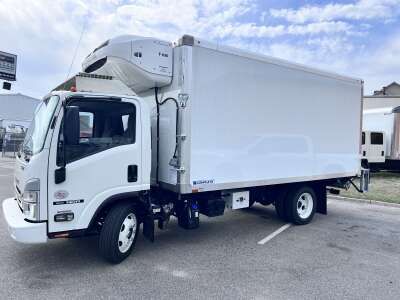
Have you ever wondered how your favorite cold beer arrives fresh and chilled at your local store or event? You might ask yourself, “Are beer trucks refrigerated?”
This question matters because the way beer is transported can affect its taste and quality. If you care about enjoying your beer just right, understanding how beer trucks work can give you a new appreciation for every sip. Keep reading to discover the secrets behind keeping beer perfectly cold on the road—and why it matters to you.
Beer Truck Basics
Understanding beer trucks is key if you want to keep your beverages fresh from the brewery to your doorstep. These trucks are specially designed to handle beer’s unique needs, particularly temperature control. But are all beer trucks refrigerated? Let’s get clear on the basics before diving deeper.
Types Of Beer Trucks
Beer trucks come in different shapes and sizes depending on their purpose. Some are simple delivery vans that carry packaged beer without refrigeration, mainly for short routes or already chilled stock.
Then, there are refrigerated trucks, which are equipped with cooling systems. These are essential for transporting draft beer or kegs that must stay cold to maintain quality. You might also find hybrid trucks that combine refrigeration with insulation for longer hauls.
Have you ever noticed how some beer trucks have a boxy, insulated look while others resemble regular delivery vehicles? That’s often the difference between refrigerated and non-refrigerated types.
Typical Beer Truck Features
Refrigerated beer trucks usually have built-in cooling units mounted on the front or top. These units keep the cargo area at a steady, low temperature, often adjustable depending on the beer type.
Insulation lines the truck walls and floors to prevent heat from creeping in. This helps reduce energy use and keeps the beer cold for hours, even in hot weather.
Other features you might find include:
- Temperature monitoring systems to ensure consistent cooling
- Secure shelving or racks to prevent kegs and bottles from shifting
- Easy-access doors for quick unloading during deliveries
Next time you see a beer truck, check if it has a cooling unit or thick walls. Does it look like it’s built to keep the beer chilled? Your beer’s taste depends on it.
Refrigeration In Beer Trucks
Refrigeration in beer trucks plays a vital role in keeping beer fresh and cold during transport. These trucks ensure that beer maintains its quality and taste from the brewery to the store or bar. Proper cooling prevents spoilage and preserves the beer’s flavor profile.
Beer trucks use special refrigeration systems designed to handle the unique needs of beer. These systems keep the cargo area at a steady, low temperature. This control helps protect the beer from heat and sunlight exposure.
How Refrigeration Works
Refrigeration in beer trucks works by removing heat from the cargo area. A compressor compresses refrigerant gas, turning it into a hot liquid. This liquid passes through coils where it cools down and evaporates, absorbing heat from the truck’s interior.
The cooled air circulates around the beer containers, keeping them cold. Sensors monitor the temperature and adjust the cooling to maintain a stable environment. This cycle repeats continuously during transport.
Common Cooling Systems
- Vapor Compression Systems:These are the most common. They use a compressor, condenser, expansion valve, and evaporator to cool the cargo space.
- Absorption Refrigeration:This system uses heat to drive cooling and is quieter. It is less common but useful in specific truck models.
- Thermoelectric Coolers:Used for smaller loads or supplemental cooling, these use electric current to create a cooling effect.
Importance Of Temperature Control
Temperature control is key to keeping beer fresh and tasty during transport. Beer needs stable, cool conditions to maintain its flavor and quality. Heat can cause chemical changes that spoil the beer’s taste and aroma. Proper cooling prevents these issues, ensuring customers enjoy the beer as intended by the brewer.
Maintaining the right temperature also protects the beer from damage. Sudden temperature shifts can harm the beer, causing it to go bad faster. Temperature control helps avoid these fluctuations, preserving the beer’s freshness from brewery to store or bar.
Impact On Beer Quality
Beer quality depends heavily on temperature during transport. Warm temperatures speed up oxidation, making beer taste stale or sour. Cold temperatures slow this process and keep the beer crisp. Temperature control also preserves the beer’s carbonation, preventing it from going flat.
Many beer styles require specific temperatures to stay at their best. For example, lagers need colder temperatures than ales. Without proper cooling, these styles lose their unique flavors and aromas. This results in a less enjoyable drinking experience.
Preventing Spoilage
Beer spoilage happens faster at higher temperatures. Bacteria and wild yeast can grow if beer gets too warm. This causes off-flavors and cloudiness, making the beer undrinkable. Keeping beer cold stops these microorganisms from multiplying.
Temperature control also prevents skunking. This occurs when beer is exposed to light and heat, producing a bad smell and taste. Refrigerated trucks shield beer from heat, reducing the risk of spoilage. This helps deliver fresh beer every time.
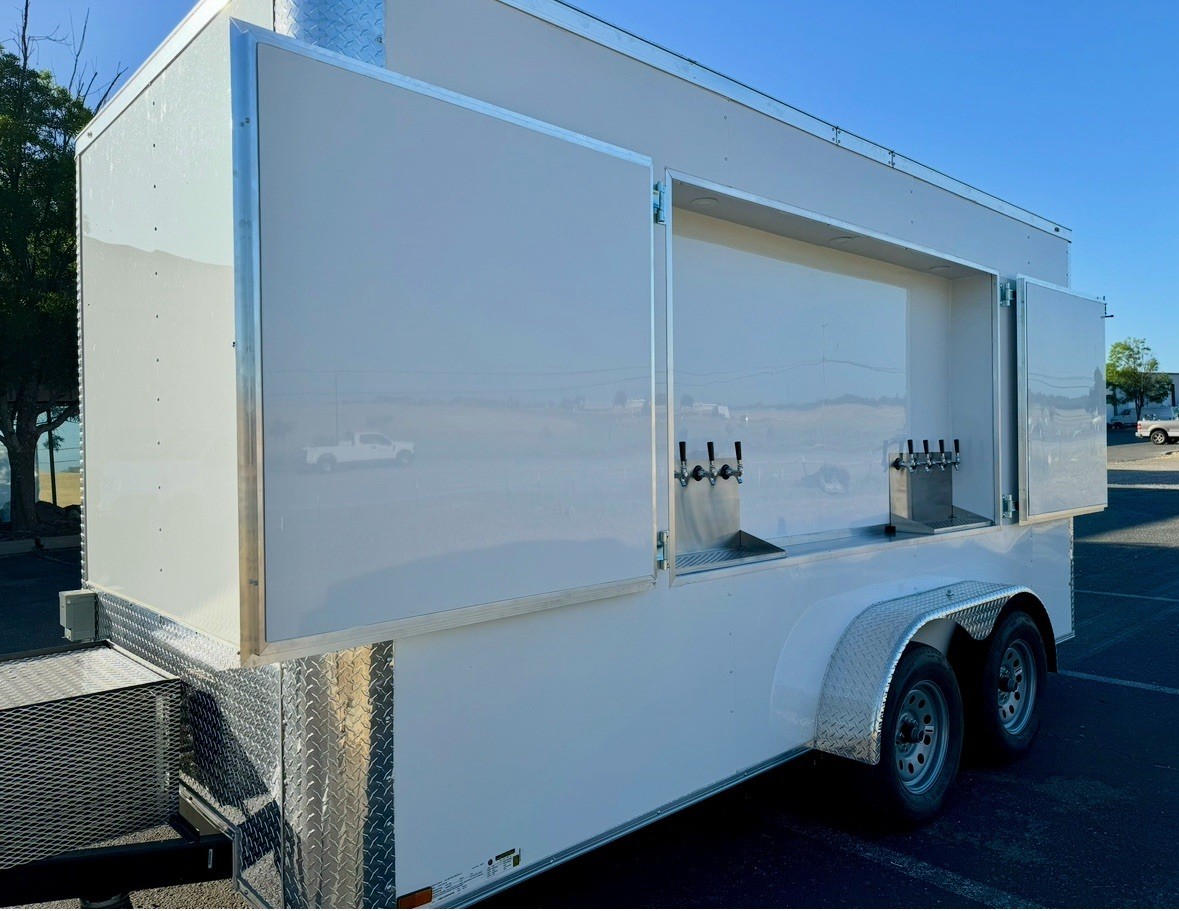
Credit: www.ebay.com
Variations By Beer Type
Not all beers demand the same storage conditions, and this directly affects whether beer trucks need refrigeration. Understanding how different beer types react to temperature can help you ensure your beer arrives fresh and enjoyable. Let’s look at how refrigeration varies depending on the beer style.
Beers Needing Strict Cooling
Certain beer types are highly sensitive to temperature changes and need constant refrigeration during transport. Lagers, especially pilsners, fall into this category because they are brewed to be crisp and refreshing. Even slight warming can cause off-flavors or spoil the delicate balance.
Craft beers with high hop content, like IPAs, also require cool storage to preserve their fresh aroma and bitterness. If you’ve ever noticed a dull IPA that lost its punch, it’s likely due to improper temperature control during delivery. Refrigerated beer trucks keep these beers at optimal temperatures, usually between 38°F and 45°F (3°C to 7°C).
Some Belgian ales and wheat beers also benefit from strict cooling as their flavors can deteriorate quickly. Keeping them chilled protects their fruity and spicy notes, which you want to experience at their best.
Beers With Flexible Storage Needs
Not every beer needs to stay cold the entire time. Stouts and porters, for example, are more robust and can tolerate slightly warmer temperatures during transport without losing quality. These beers often have higher alcohol content, which helps preserve their flavor.
Similarly, many traditional ales and some specialty brews can handle room temperature for a short period. If you’ve received a shipment of these beers and noticed they weren’t ice-cold, they might still taste perfectly fine. That said, keeping them cool is always safer and extends shelf life.
Understanding these variations helps you decide if refrigeration is necessary for your beer delivery. Have you ever wondered if your favorite beer’s quality dropped because it wasn’t kept cold enough? Knowing the right storage conditions can save you from that disappointment.
Alternative Cooling Methods
Keeping beer cold during transport is crucial, especially when refrigeration isn’t an option. Alternative cooling methods can make a big difference in maintaining the perfect temperature. These approaches can be both practical and cost-effective, helping you deliver a refreshing product every time.
Insulated Beer Trucks
Insulated beer trucks use thick layers of materials like foam or reflective barriers to slow down heat transfer. This means the beer stays cooler for longer periods without active cooling. You might have noticed insulated trucks parked at outdoor events—they rely on this method to keep beverages chilled even under the sun.
These trucks don’t need electricity, which cuts down on operational costs and reduces mechanical failures. However, insulation alone won’t keep beer cold indefinitely; it just buys you more time. If your delivery route is short, an insulated truck might be all you need.
Ice And Gel Packs Usage
Another popular cooling technique is adding ice or gel packs directly into the cargo space. These absorb heat and create a cold environment around the beer containers. Gel packs are especially useful because they don’t melt into water, avoiding soggy boxes or labels.
You can arrange these packs strategically around the beer cases to maximize cooling efficiency. Think about how you pack your cooler for a picnic—placing the cold source on top and sides helps maintain temperature better. Would your current delivery setup benefit from this simple adjustment?
Using ice or gel packs is flexible and can complement other cooling methods, like insulation. This combination works well if you expect delays or longer transport times. Plus, it’s easy to replace packs between trips, keeping your beer consistently chilled without heavy machinery.
Regulations And Standards
Keeping beer fresh and tasty during transport isn’t just about convenience—it’s about following strict regulations and standards. These rules ensure that the beer you enjoy arrives in perfect condition, free from spoilage or contamination. Understanding these regulations can help you appreciate the care involved in every delivery.
Transport Guidelines
Beer trucks must comply with specific temperature control requirements to maintain beer quality. Typically, refrigerated trucks keep temperatures between 34°F and 38°F (1°C to 3°C) to prevent spoilage and preserve flavor. These guidelines often come from food safety authorities and industry groups to protect the product during long hauls.
Drivers and companies are also required to document temperature logs throughout the journey. This helps track any deviations that could affect the beer’s freshness. Have you ever wondered why your favorite craft beer tastes just right even after being shipped across states? It’s because of these careful transport rules.
Quality Assurance Practices
Quality assurance doesn’t stop once the beer leaves the brewery. Regular inspections ensure that refrigeration units in trucks are functioning properly before loading. Many companies use real-time monitoring systems, alerting them instantly if temperatures rise above safe levels.
Additionally, sanitization of the trucks is mandatory to prevent contamination. Some breweries even require dedicated trucks for beer only, avoiding cross-contamination with other goods. This level of attention ensures that what reaches your glass meets high standards every time.
Choosing The Right Beer Truck
Choosing the right beer truck is more than just picking a vehicle; it’s about ensuring your beer stays fresh and cold from the brewery to your customers. The perfect truck can save you money, improve customer satisfaction, and protect your product. But how do you decide what features matter most for your specific needs?
Factors To Consider
Start by thinking about how far your truck will travel and the climate it will operate in. Refrigeration is crucial for longer trips or hot weather to prevent beer from spoiling.
Next, consider the size of your deliveries. A larger truck might hold more kegs but could be harder to maneuver in tight city streets. Smaller trucks offer agility but might require more trips, adding to fuel and labor costs.
Don’t forget about the type of refrigeration system. Some trucks use built-in coolers that maintain consistent temperatures, while others might rely on portable units. Which system fits your delivery schedule and maintenance capabilities?
Cost Vs. Benefits
Investing in a refrigerated beer truck can seem expensive upfront. However, think about the cost of lost product if your beer warms up during transport. Spoiled beer means unhappy customers and wasted inventory.
On the other hand, a non-refrigerated truck might save money initially but could limit your delivery routes or times. Could these savings end up costing you more in the long run?
Consider maintenance and fuel efficiency as well. Refrigeration systems add weight and power consumption. Will the benefits of keeping your beer cold outweigh these ongoing costs?
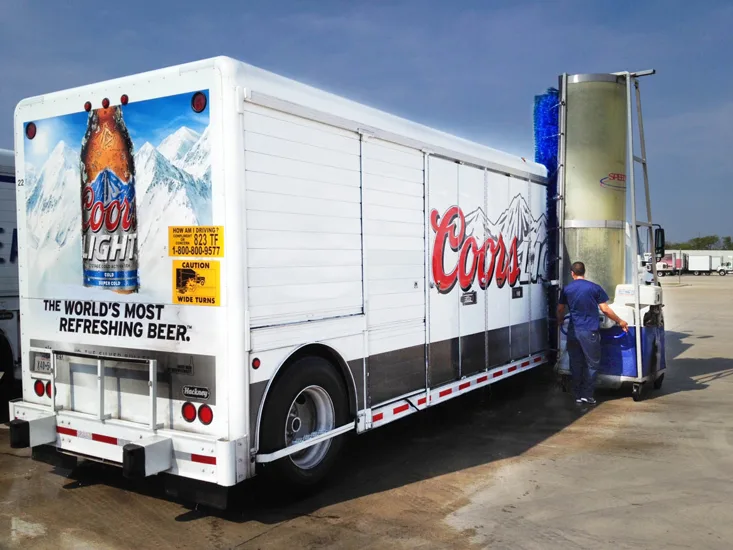
Credit: www.bevindustry.com

Credit: www.alibaba.com
Frequently Asked Questions
Are Beer Trucks Refrigerated For Freshness?
Yes, most beer trucks are refrigerated to maintain optimal freshness. Proper cooling prevents spoilage and preserves flavor during transport.
Why Do Beer Trucks Need Refrigeration?
Refrigeration prevents beer from warming, which can alter taste and quality. It ensures the beer stays fresh until delivery.
What Temperature Do Beer Trucks Maintain?
Beer trucks typically maintain temperatures between 34°F and 40°F. This range keeps beer cold without freezing it.
Can Non-refrigerated Trucks Transport Beer Safely?
Non-refrigerated trucks are not ideal for beer transport. Warm temperatures can spoil beer and affect its taste and quality.
Conclusion
Beer trucks are usually refrigerated to keep beer fresh. Cold temperatures help maintain beer quality. Without refrigeration, beer may spoil or lose flavor. This can lead to unhappy customers. Most beer distributors use refrigerated trucks. This ensures beer stays in optimal condition.
Always check with your supplier about their delivery methods. Keeping beer cold during transport is essential. It preserves taste and satisfaction for consumers. So, next time you see a beer truck, think about the cool journey inside. Refrigeration plays a crucial role in delivering the perfect beer experience.