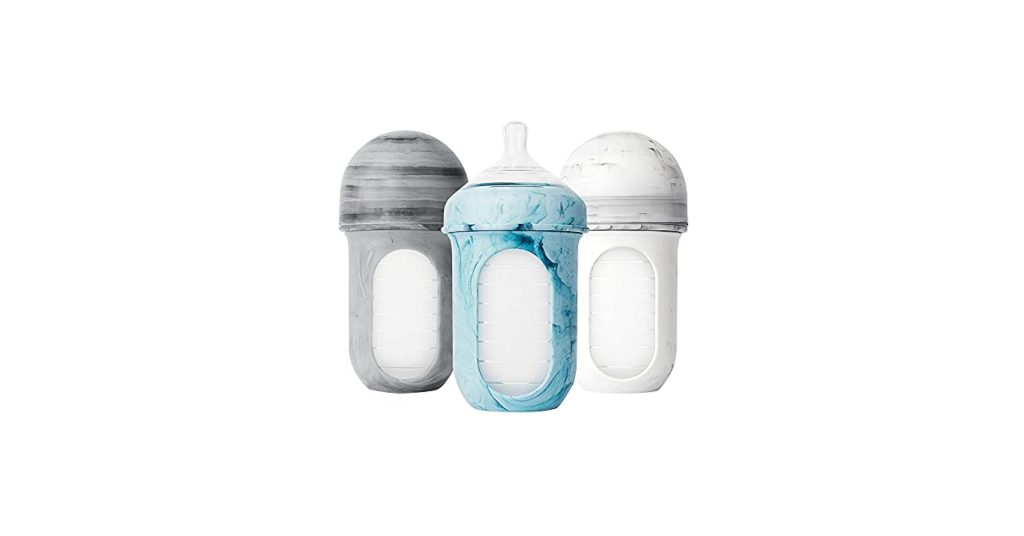
Are you a parent constantly on the lookout for products that make life just a little bit easier? If so, you’ve likely come across Boon bottles.
These trendy, colorful bottles are popular for their unique design and practicality. But there’s a question that lingers in many parents’ minds: are Boon bottles dishwasher safe? You want to ensure that every item you use for your baby is not only convenient but also safe and hygienic.
You’ll discover the answer to this burning question, and gain insights that can save you time and effort. Dive in to learn how you can simplify your daily routine without compromising on the safety of your little one.
Boon Bottles Material Features
The material used in Boon bottles plays a crucial role in their performance and maintenance. Understanding these material features can help you decide if these bottles fit your lifestyle, especially regarding dishwasher safety. Let’s take a closer look at what makes Boon bottles unique and how their materials affect durability and heat resistance.
Types Of Materials Used
Boon bottles are primarily made from BPA-free plastic and silicone. BPA-free plastic ensures the bottles are safe for your family, reducing health risks associated with harmful chemicals. The silicone parts, often used for nipples and seals, are soft yet sturdy, making feeding comfortable and spill-free.
You might wonder how these materials respond to everyday use and cleaning. The combination of plastic and silicone not only supports safety but also offers flexibility in design and function, which is why many parents choose Boon bottles.
Durability And Heat Resistance
Boon bottles are designed to withstand regular use without cracking or warping. Their BPA-free plastic is tough enough to handle drops and rough handling. However, they aren’t completely indestructible, so it’s best not to test their limits.
Regarding heat, Boon bottles tolerate warm water and dishwasher cycles well, but extremely high temperatures can sometimes cause slight damage. For example, placing them on the top rack of the dishwasher is recommended to avoid direct exposure to heating elements. This practical tip has saved me from replacing bottles prematurely.
Have you noticed how some bottles warp after a few washes? Boon’s material choices aim to minimize this issue, but your dishwasher settings matter. Adjusting water temperature and rack placement can make a significant difference in preserving your bottles’ shape and function.

Credit: www.amazon.com
Manufacturer Cleaning Recommendations
Understanding the manufacturer’s cleaning recommendations is key when deciding whether your Boon bottles are dishwasher safe. These guidelines ensure you clean your bottles effectively while maintaining their quality and durability. Following the official advice can prevent damage and keep your baby’s feeding gear safe and hygienic.
Official Dishwasher Guidelines
Boon’s official instructions typically recommend placing bottles on the top rack of your dishwasher. This placement avoids excessive heat and pressure that can warp or crack the plastic components. Many Boon bottles and accessories are marked as dishwasher safe, but only on the upper rack.
They also suggest using a gentle or eco-friendly cycle to protect the bottles’ integrity. Avoiding harsh detergents and high temperatures can extend the lifespan of your bottles. You might notice that hand washing preserves the bottle’s look and feel better over time.
Warnings And Precautions
Not all parts of Boon bottles are dishwasher safe. For instance, silicone nipples and certain lids may require hand washing to avoid damage. The manufacturer warns against placing these items in the dishwasher to prevent warping or deterioration.
Have you ever found your bottle’s color fading or parts becoming brittle after repeated dishwasher cycles? This often happens when the heat and detergents are too strong. Always check the specific cleaning symbols on your bottle and read the packaging or manual carefully.
Also, avoid using the dishwasher’s heated drying cycle for Boon bottles. Air drying is safer and helps maintain the bottle’s shape and performance. These small precautions can save you from replacing bottles sooner than necessary.
Dishwasher Safety Factors
Understanding the factors that affect the dishwasher safety of Boon bottles can save you from unexpected damage. These bottles have unique materials and designs that require special care during cleaning. Paying attention to temperature, detergent, and placement can help maintain their quality and longevity.
Temperature Impact
High heat in dishwashers can warp or weaken Boon bottles, especially the plastic parts. If the water temperature exceeds the recommended range, you might notice bending or cracking over time. Try using the dishwasher’s gentle or low-heat cycle to protect your bottles.
Have you ever found your bottle looking misshapen after a wash? That’s often due to excessive heat exposure. Keeping the temperature moderate helps retain the bottle’s original shape and function.
Detergent Effects
Not all detergents are created equal for Boon bottles. Harsh chemicals or strong detergents can degrade the plastic or cause discoloration. Opt for mild, fragrance-free detergents to avoid these issues.
Be aware that some detergents leave a residue that affects taste and safety. Rinsing the bottles thoroughly after the cycle can remove any leftover detergent particles. This step ensures your bottle stays safe for your little one’s drinks.
Rack Placement Tips
Where you place your Boon bottle in the dishwasher makes a big difference. Avoid placing it near heating elements or directly on the bottom rack. Instead, place bottles on the top rack to minimize heat exposure.
Also, securing bottles upright prevents water from pooling inside, which can cause mold or odors. Have you tried using special bottle holders or clips? They keep bottles stable and allow water to drain properly during washing.
Hand Washing Vs Dishwasher Cleaning
Choosing between hand washing and dishwasher cleaning for your Boon bottles can affect their longevity and hygiene. Both methods have clear advantages and drawbacks. Understanding these can help you decide the best way to keep your bottles clean without compromising their quality.
Pros And Cons Of Each Method
| Cleaning Method | Pros | Cons |
|---|---|---|
| Hand Washing |
|
|
| Dishwasher Cleaning |
|
|
Best Practices For Hand Washing
Use warm soapy water and a dedicated bottle brush to clean inside the Boon bottle thoroughly. Focus on the nooks, such as the neck and the bottom, where milk residue tends to hide. Rinsing well is essential to remove soap traces that could affect taste or safety.
Disassemble all parts like nipples, rings, and caps before washing. This helps you clean every component properly and prevents mold growth. Air-dry the pieces completely before reassembling to avoid moisture buildup.
Have you ever noticed a lingering smell after hand washing? Using a mild vinegar rinse occasionally can help eliminate odors without harsh chemicals. Remember, your effort in hand washing directly impacts your baby’s health and bottle lifespan.
Common Issues With Dishwasher Cleaning
Using a dishwasher to clean your Boon bottles might seem like a time-saver, but it can come with some hidden challenges. Understanding the common issues that arise from dishwasher cleaning helps you decide the best care approach for your bottles. Let’s look at what risks you might face and how to spot early signs of damage.
Potential Damage Risks
Dishwashers use high heat and strong water pressure, which can affect the integrity of Boon bottles. The plastic parts may warp or lose their shape after repeated dishwasher cycles. Additionally, dishwasher detergents can be harsh and may wear down the bottle’s surface or seals.
Have you noticed your bottle’s colors fading or the plastic feeling brittle? This could be a direct result of dishwasher use. Some bottle components, like silicone nipples or caps, may not be designed to withstand dishwasher temperatures, leading to cracking or deformation.
Signs Of Wear And Tear
Keep an eye out for changes in your Boon bottles that signal damage from dishwasher cleaning. These signs include:
- Cracks or warping in the plastic body
- Loose or misshapen bottle caps and nipples
- Discoloration or cloudiness on the bottle surface
- Reduced sealing ability causing leaks
If your bottle starts leaking or feels different when you handle it, it’s time to reconsider your cleaning method. Regularly inspecting your bottles can save you from using damaged ones that might pose safety risks.

Credit: www.amazon.com
Alternative Cleaning Methods
Cleaning Boon bottles thoroughly keeps them safe and fresh for babies. Not all bottles suit the dishwasher. Alternative cleaning methods help reach tough spots and ensure hygiene.
Using Bottle Brushes
Bottle brushes clean narrow necks and corners that sponges miss. Choose a brush with soft bristles to avoid scratches. Use warm, soapy water to scrub inside the bottle. Move the brush in circles and up and down for full coverage.
Brushes with angled heads reach deep inside. Clean the nipple and cap separately with smaller brushes. Rinse all parts well to remove soap residue. Let the bottles air dry on a clean rack.
Sterilizing Techniques
Sterilizing kills germs that regular washing might leave behind. Use boiling water by placing bottles and parts in a pot for 5 minutes. Remove carefully to avoid burns.
Electric steam sterilizers are quick and effective. They use high heat steam to sanitize bottles and accessories. Microwave steam sterilizers are also handy and save space.
Some parents use sterilizing tablets dissolved in water. Soak bottles for the recommended time and rinse afterward. Always follow product instructions for best results.
Maintaining Bottle Longevity
Maintaining the longevity of your Boon bottles goes beyond just knowing if they are dishwasher safe. How you clean and store them plays a crucial role in keeping them functional and hygienic for a long time. Taking simple, consistent steps can save you from replacing bottles prematurely and ensure your baby’s feeding experience remains safe and comfortable.
Regular Cleaning Schedule
Keeping a regular cleaning routine is key to extending the life of your Boon bottles. You should clean them thoroughly after each use to prevent milk residue from building up and causing odors or stains.
Washing the bottles with warm, soapy water and a bottle brush helps reach all corners. If you prefer using a dishwasher, check if your specific Boon bottle model is labeled dishwasher safe—some parts like nipples or caps may need hand washing.
Have you noticed any discoloration or smell despite cleaning? It might be time to soak the parts in a vinegar solution or use a specialized baby bottle cleaner occasionally to keep them fresh.
Storage Tips
How you store your Boon bottles when not in use affects their durability. Always let the bottles and parts dry completely before putting them away to avoid mold and mildew growth.
Use a clean, dry cabinet or a storage container with good ventilation. Avoid sealing damp bottles in airtight containers as trapped moisture can degrade the materials over time.
If you travel often, consider a bottle drying rack that fits inside your diaper bag or a protective case that keeps bottles clean but ventilated. What storage habits have you found help keep your bottles in the best shape?

Credit: www.amazon.com
Frequently Asked Questions
Are Boon Bottles Safe To Clean In A Dishwasher?
Yes, most Boon bottles are dishwasher safe. Always place them on the top rack to avoid heat damage. Check the specific product instructions for confirmation.
Can Dishwasher Heat Damage Boon Bottles?
Dishwasher heat can warp or degrade some Boon bottles. Using the top rack minimizes heat exposure and prolongs bottle life.
How Often Should I Dishwasher Clean Boon Bottles?
Cleaning Boon bottles in the dishwasher after every use keeps them hygienic. Regular washing prevents mold and bacterial buildup effectively.
Is Hand Washing Better Than Dishwasher For Boon Bottles?
Hand washing is gentler and can extend the bottle’s lifespan. However, dishwasher cleaning is convenient and safe if instructions are followed.
Conclusion
Boon bottles can usually go in the dishwasher safely. Check the bottle’s label or instructions first. Avoid high heat settings to keep parts from warping. Place bottles on the top rack for best results. Hand washing works well for delicate pieces.
Clean bottles regularly to keep them fresh and safe. Taking simple care helps your Boon bottles last longer. Easy to clean, they stay ready for daily use. A little care goes a long way with these bottles.