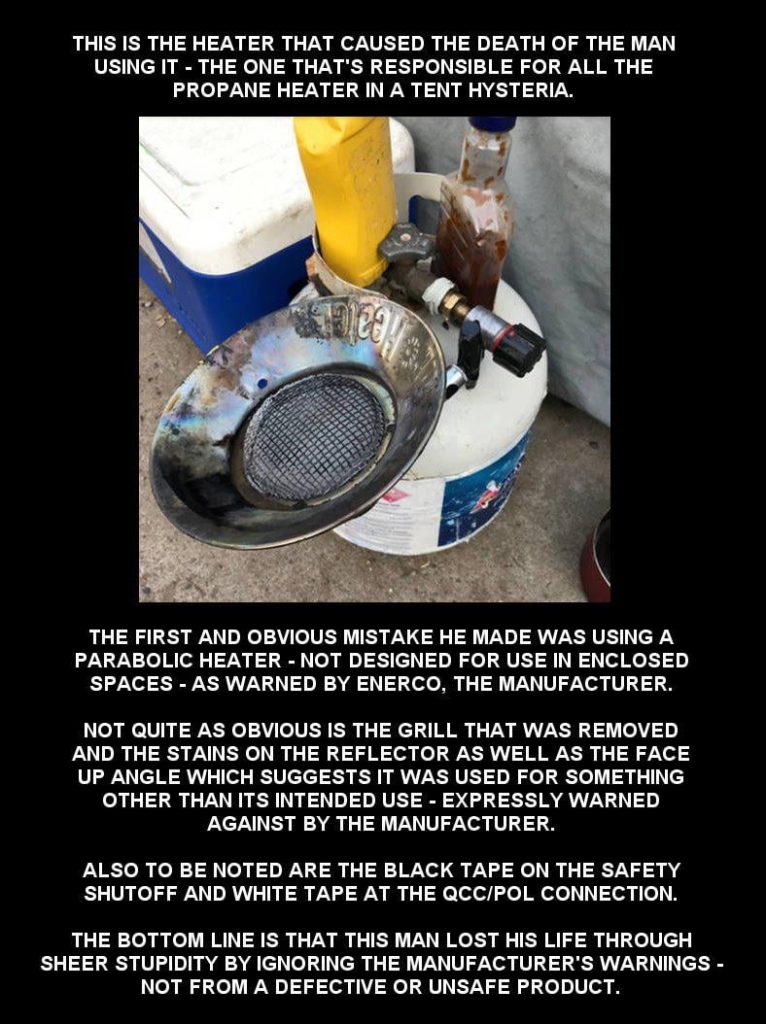
Are you planning a camping trip and wondering if a Buddy Heater is safe to use inside your tent? Keeping warm on chilly nights is important, but your safety should come first.
Using heaters in small spaces can be risky, and it’s easy to overlook hidden dangers. You’ll discover the truth about Buddy Heaters, how they work, and what you need to know to stay safe. Keep reading to protect yourself and enjoy a cozy, worry-free camping experience.
Buddy Heater Basics
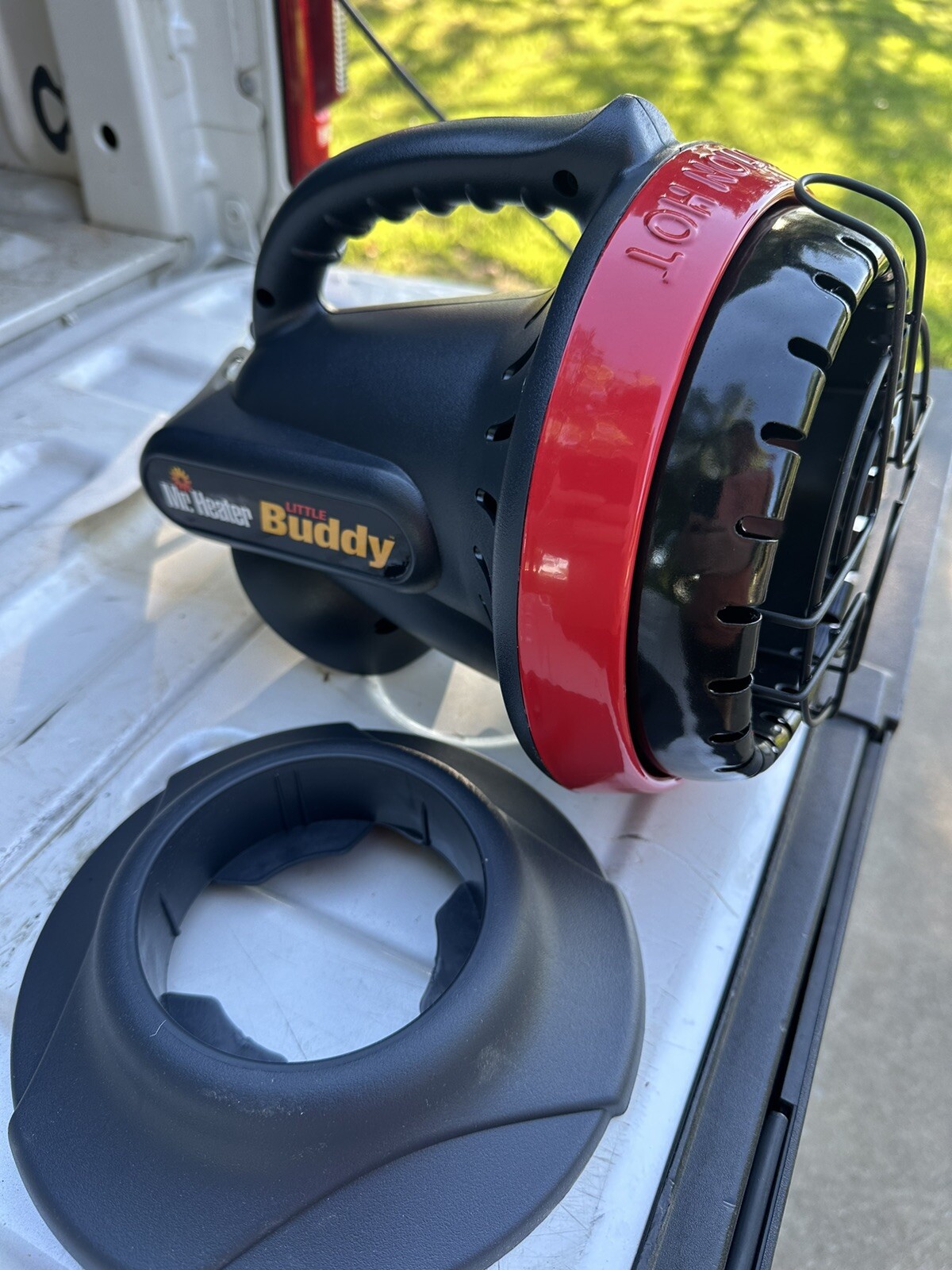
Buddy heaters are portable heaters used to warm small spaces. They are popular among campers and outdoor enthusiasts. Understanding how they work and their common uses helps ensure safe operation.
These heaters run on propane and produce heat quickly. They are compact and easy to carry, making them a practical choice for tent heating.
How Buddy Heaters Work
Buddy heaters burn propane to create heat. They use a small tank connected to the heater unit. When turned on, propane flows through a valve to a burner.
- The burner ignites the propane gas.
- Heat radiates from the metal body of the heater.
- Built-in safety features often include automatic shut-off if tipped over.
- Some models have oxygen sensors to prevent dangerous gas buildup.
Common Uses In Camping
Campers use buddy heaters in different ways to stay warm and comfortable. They help during cold nights and in damp conditions.
| Use | Description |
| Warming tents | Provides heat inside tents to keep campers warm. |
| Drying gear | Dries wet clothes and shoes by placing them near the heater. |
| Emergency heat | Acts as a backup heat source during unexpected cold weather. |
| Cooking aid | Used to warm food or boil water in some cases. |
Credit: bexcodeservices.com
Safety Risks In Tents
Using Buddy Heaters inside tents can be risky. These heaters produce heat but also come with safety concerns.
It is important to know the main dangers before using these heaters in a tent.
Fire Hazards
Buddy Heaters use fuel to create heat, which means fire is a real risk. Tents are made from flammable materials.
If the heater tips over or gets too close to the tent wall, it can start a fire quickly.
- Keep the heater on a flat, stable surface
- Keep flammable items far from the heater
- Never leave the heater unattended
Carbon Monoxide Poisoning
Buddy Heaters burn fuel and release carbon monoxide gas. This gas is colorless and odorless.
Breathing carbon monoxide in a tent can cause serious health problems or death.
- Always use heaters designed for indoor use
- Never sleep with a running heater in a closed tent
- Install a carbon monoxide detector if possible
Ventilation Challenges
Tents are small spaces that often lack fresh air flow. Heaters need good ventilation to work safely.
Poor ventilation can increase carbon monoxide build-up and reduce oxygen inside the tent.
- Keep tent vents or windows slightly open
- Use heaters with oxygen depletion sensors
- Check air flow regularly while heating
Safe Usage Tips
Buddy heaters can keep tents warm during cold nights. Safety is important to prevent accidents.
Using buddy heaters safely involves proper placement, ventilation, and regular maintenance. Here’s how to do it right.
Proper Placement
Place the heater on a stable, flat surface. Keep it away from tent walls and flammable objects.
Avoid placing the heater near sleeping bags or clothing. This reduces fire risk.
Ventilation Strategies
Ensure the tent has proper ventilation. This prevents carbon monoxide buildup.
Keep a window or vent slightly open. Fresh air circulation is necessary for safety.
- Check for signs of dizziness
- Ensure airflow at all times
Monitoring And Maintenance
Regularly check the heater for any damage. Replace damaged parts immediately.
Monitor the heater’s performance. Turn it off if it malfunctions or overheats.
- Inspect for leaks and wear
- Follow the manufacturer’s guidelines

Credit: www.reddit.com
Alternative Heating Options
Using Buddy Heaters inside tents can raise safety concerns. It is important to explore other heating methods. These options reduce risks while keeping you warm.
Here we look at electric heaters, portable propane stoves, and insulated sleeping gear. Each offers a safer way to stay warm in tents.
Electric Heaters
Electric heaters are a safe choice if you have access to power. They do not emit carbon monoxide and have no open flames. Always use heaters designed for indoor use and follow all instructions.
- Plug heater into a grounded outlet
- Keep heater away from flammable materials
- Use heaters with automatic shutoff features
- Never leave heater unattended while on
Portable Propane Stoves
Portable propane stoves can provide heat but need careful handling. Use them only for cooking, not for heating the tent. They produce carbon monoxide and should be used outside the tent.
| Safety Tip | Description |
| Ventilation | Always operate stove in open air |
| Distance | Keep stove away from tent walls |
| Supervision | Never leave stove unattended |
| Carbon Monoxide Alarm | Use alarm near tent area |
Insulated Sleeping Gear
Insulated sleeping gear helps keep body heat inside your sleeping area. This option is very safe and effective. It avoids any fire or gas risks.
- Use sleeping bags rated for cold temperatures
- Layer with insulated mats or pads
- Wear thermal clothing inside the bag
- Use a tent with proper insulation
Emergency Preparedness
Using Buddy Heaters in tents can be risky if you are not ready for emergencies. Safety tools help protect you and your group. It is important to plan ahead before camping.
This guide covers key safety items to keep near Buddy Heaters. They help reduce dangers like carbon monoxide, fires, and injuries.
Carbon Monoxide Detectors
Carbon monoxide is a deadly gas that Buddy Heaters can produce. This gas has no smell or color. A carbon monoxide detector alerts you if the gas builds up in your tent.
- Place the detector near the heater but away from direct heat.
- Test the detector before each trip to make sure it works.
- Replace batteries regularly or use models with rechargeable batteries.
- Keep a window slightly open for fresh air if safe.
Fire Extinguishers
Buddy Heaters can cause fires if tipped or used wrongly. A fire extinguisher helps stop small fires quickly. It is a must-have in your emergency kit.
| Fire Extinguisher Type | Use | Notes |
|---|---|---|
| Class A | Wood, paper, cloth | Common for camping fires |
| Class B | Flammable liquids | Useful for fuel fires |
| Class C | Electrical fires | Safe for heater electrical parts |
First Aid Essentials
Injuries can happen when using Buddy Heaters. A first aid kit helps treat burns, cuts, or other accidents fast. Carry a kit with you every time you camp.
- Include burn cream and sterile bandages.
- Add pain relievers and antiseptic wipes.
- Keep tweezers and scissors in the kit.
- Know basic first aid steps before camping.

Credit: www.youtube.com
Frequently Asked Questions
Are Buddy Heaters Safe For Indoor Tent Use?
Buddy Heaters can be safe in tents if used properly. Ensure proper ventilation to prevent carbon monoxide buildup. Always follow the manufacturer’s guidelines and never leave the heater unattended while sleeping.
How To Prevent Carbon Monoxide Poisoning With Buddy Heaters?
To avoid carbon monoxide poisoning, keep your tent well-ventilated. Use carbon monoxide detectors and never run the heater in a sealed tent. Regularly check for gas leaks and turn off the heater before sleeping.
Can Buddy Heaters Cause Fires In Tents?
Buddy Heaters can cause fires if placed too close to flammable materials. Maintain a safe distance from tent walls and gear. Use the heater on a stable, non-flammable surface and follow safety instructions carefully.
What Safety Tips Improve Buddy Heater Use In Tents?
Always ventilate your tent and monitor oxygen levels. Use a carbon monoxide alarm and keep flammable items away. Turn off the heater before sleeping or leaving the tent to reduce risks.
Conclusion
Buddy heaters can provide warmth, but safety is key. Always keep tents well ventilated to avoid carbon monoxide buildup. Follow the heater’s instructions carefully. Never leave the heater unattended while on. Place it away from flammable materials. Use a carbon monoxide detector for extra caution.
With the right steps, buddy heaters can be safer to use. Stay alert and prepare well. Warmth should never come at the cost of safety.