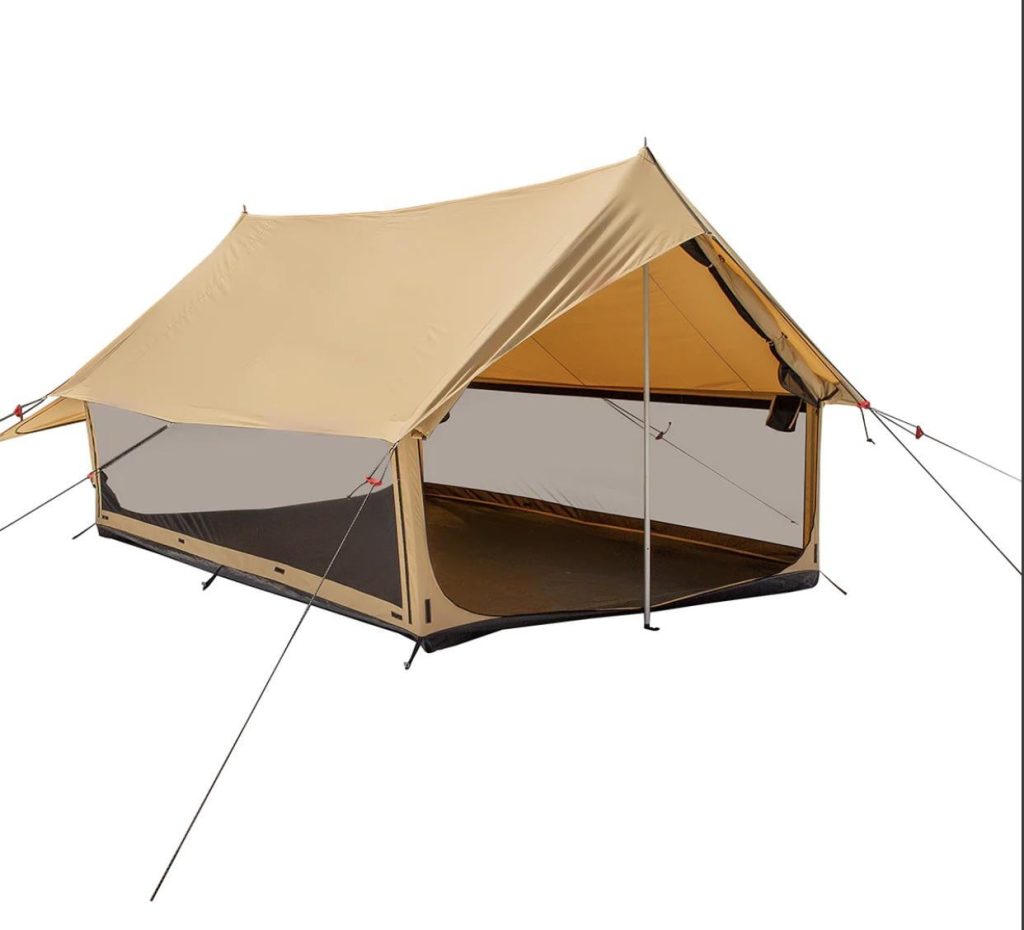
Are you thinking about getting a canvas tent but not sure if it’s the right choice for you? Canvas tents have been around for a long time, and many people swear by them.
But what makes them stand out from regular nylon or polyester tents? If you want a tent that feels sturdy, lasts longer, and keeps you comfortable no matter the weather, you need to know the truth about canvas tents. Keep reading, because by the end of this article, you’ll have a clear idea if a canvas tent fits your camping style and needs perfectly.

Credit: www.reddit.com
Benefits Of Canvas Tents
Canvas tents have been used for many years. They offer many advantages for campers and outdoor lovers.
This type of tent provides comfort, strength, and is good for the environment. Here are some key benefits of canvas tents.
Breathability And Comfort
Canvas fabric allows air to flow inside the tent. This helps reduce heat and moisture build-up.
Good air circulation keeps the tent cooler in hot weather. It also lowers the chance of mold or mildew.
Durability In Harsh Conditions
Canvas tents are made from thick, strong fabric. They can handle rough use and last a long time.
They resist tears and damage better than many lightweight tents. This makes them great for tough outdoor trips.
Weather Resistance
Canvas tents protect well against rain and wind. The fabric swells when wet, sealing small holes.
This natural shrinking helps keep water out. The thick material also blocks strong winds better than thin tents.
Eco-friendly Materials
Canvas is made from cotton or linen, which are natural fibers. These materials break down more easily than synthetic ones.
Using canvas tents reduces plastic waste and harm to nature. They are a good choice for those who care about the environment.

Credit: blog.whiteduckoutdoors.com
Types Of Canvas Tents
Canvas tents are popular for camping. They are durable and provide comfort. Different types suit various needs.
Each type of canvas tent has unique features. Choose based on your camping style and group size.
Bell Tents
Bell tents have a round base. They are spacious inside. A central pole supports the tent.
These tents are easy to set up. They provide good ventilation. Families often prefer bell tents.
Wall Tents
Wall tents have straight walls. They offer more headroom. This makes them feel like small cabins.
Hunters and long-term campers use wall tents. They are sturdy and withstand harsh weather.
A-frame Tents
A-frame tents have a triangular shape. They are simple and lightweight. Setup is quick and easy.
These tents are ideal for solo campers. They are compact and fit in small spaces.
Ridge Tents
Ridge tents have a horizontal pole. This creates a stable structure. They are traditional and reliable.
Campers like ridge tents for their simplicity. They are perfect for short trips.
Canvas Vs. Synthetic Tents
Choosing the right tent material is important for camping. Canvas and synthetic tents offer different benefits. Understanding these differences helps you pick the best tent.
Both materials have strengths and weaknesses. This article compares canvas and synthetic tents in weight, care, cost, and weather use.
Weight Comparison
Canvas tents are heavier than synthetic ones. The thick cotton fabric adds weight but also strength. Synthetic tents use lightweight materials like nylon or polyester.
Heavy tents can be harder to carry on long trips. Synthetic tents work better for backpacking. Canvas tents suit car camping or short hikes.
- Canvas tents weigh more due to thick fabric
- Synthetic tents are lighter and easier to carry
- Weight affects tent choice for different camping styles
Longevity And Maintenance
Canvas tents last longer if cared for well. They resist tears and wear better than synthetic tents. Synthetic tents can break down faster under sun and rough use.
Canvas needs regular cleaning and drying to prevent mold. Synthetic tents require less maintenance but can fade or crack over time.
- Canvas tents need more care to avoid mold and mildew
- Synthetic tents require less upkeep but may wear out sooner
- Canvas tents often last many years with good maintenance
Cost Differences
Canvas tents usually cost more upfront. The heavy fabric and construction add to the price. Synthetic tents are generally cheaper and more affordable.
Lower cost makes synthetic tents popular for casual campers. Canvas tents are an investment for those wanting durability and comfort.
- Canvas tents have higher initial prices
- Synthetic tents are budget-friendly
- Price reflects material quality and tent features
Performance In Various Climates
Canvas tents breathe better in hot weather. They reduce condensation inside the tent. Synthetic tents can trap heat and moisture.
In wet weather, canvas tents absorb water but dry slowly. Synthetic tents repel water but may leak if damaged. Canvas tents are strong in wind and cold.
- Canvas tents offer good ventilation in heat
- Synthetic tents dry faster after rain
- Canvas tents provide better insulation in cold
- Synthetic tents are lighter but may not handle wind as well

Credit: www.reddit.com
Caring For Canvas Tents
Canvas tents need regular care to last a long time. Proper cleaning and storage keep the fabric strong. Good care helps avoid damage and mold.
Follow simple steps to keep your canvas tent in good shape. Small repairs and drying prevent bigger problems.
Cleaning Tips
Clean your canvas tent with gentle methods. Use cold water and mild soap to avoid damage. Do not use bleach or strong chemicals.
- Shake off dirt before cleaning
- Use a soft brush for stains
- Rinse well to remove all soap
- Air dry completely before storage
Storage Recommendations
Store canvas tents in a dry, cool place. Avoid folding the tent when wet. Use a breathable bag or container to prevent moisture build-up.
| Storage Tip | Reason |
| Dry fully before folding | Stops mold and mildew growth |
| Use breathable storage bags | Allows air circulation |
| Keep away from direct sunlight | Prevents fabric fading and weakening |
| Store off the ground | Avoids moisture from floor |
Repair Techniques
Fix small tears quickly to stop them from growing. Use patches made for canvas fabric. Sew tears with strong, waterproof thread.
- Clean the damaged area before repair
- Apply glue or adhesive if needed
- Use a patch larger than the tear
- Stitch edges tightly and evenly
Preventing Mold And Mildew
Keep your tent dry to stop mold and mildew. Store it dry and air it out after use. Use natural sunlight or fans to dry damp areas.
| Prevention Tip | Why It Helps |
|---|---|
| Dry tent before storing | Stops moisture that breeds mold |
| Use waterproof spray | Protects fabric from water damage |
| Store in ventilated area | Prevents damp air buildup |
| Check for leaks regularly | Fix spots that hold water |
Choosing The Right Canvas Tent
Canvas tents offer durability and comfort for camping trips. Picking the right one depends on your needs.
Consider factors like size, ease of setup, features, and price. These help you find the best canvas tent.
Size And Capacity
Choose a tent size based on how many people will use it. Also, think about space for gear and movement.
- Small tents fit 1-2 people
- Medium tents fit 3-5 people
- Large tents fit 6 or more people
- Extra space improves comfort
Setup And Portability
Look for tents that are easy to put up and take down. This saves time and effort on your trips.
| Feature | Benefit |
| Simple pole design | Faster setup |
| Lightweight materials | Easier to carry |
| Compact pack size | Saves space in your bag |
Additional Features
Extra features add comfort and protection. Consider these when choosing your tent.
- Waterproof coating
- Good ventilation windows
- Strong zippers and seams
- Extra pockets for storage
Budget Considerations
Set a budget before shopping. Canvas tents vary in price based on quality and features.
| Price Range | What to Expect |
|---|---|
| Low | Basic tents, fewer features, lighter canvas |
| Mid | Good durability, some extra features |
| High | Heavy-duty canvas, many features, long lifespan |
Popular Brands And Models
Canvas tents offer durability and comfort for outdoor use. Many brands make models designed for camping, events, and long-term stays.
Choosing the right brand and model helps ensure you get the best experience. Some tents focus on weather resistance, while others prioritize ease of setup.
Top-rated Canvas Tents
Several canvas tents stand out for quality and user satisfaction. These tents vary in size, shape, and features to meet different needs.
- Springbar Highline:Known for a classic design and strong frame.
- Kodiak Canvas Flex-Bow:Offers quick setup and waterproof material.
- Wall Tent by White Duck Outdoors:Ideal for hunting and long trips.
- Seek Outside Traverse:Lightweight yet sturdy for backpackers.
User Reviews And Feedback
Users often praise canvas tents for breathability and durability. Many say these tents stay cool in summer and warm in winter.
| Brand | Positive Feedback | Common Concerns |
|---|---|---|
| Springbar Highline | Strong frame, roomy interior | Heavy to carry |
| Kodiak Canvas Flex-Bow | Easy setup, waterproof | Pricey compared to nylon tents |
| White Duck Outdoors | Durable fabric, good for cold | Setup takes time |
| Seek Outside Traverse | Lightweight, good ventilation | Smaller space |
Warranty And Support
Warranty terms vary by brand but usually cover defects in materials and workmanship. Some companies offer repair kits or replacement parts.
- Springbar provides a limited lifetime warranty on frames.
- Kodiak Canvas offers a 1-year warranty on canvas and zippers.
- White Duck Outdoors supplies repair services for a fee.
- Seek Outside includes a 2-year warranty and customer support.
Frequently Asked Questions
Are Canvas Tents Better Than Synthetic Tents?
Canvas tents offer superior breathability and durability compared to synthetic tents. They handle weather changes well and resist mold. However, they are heavier and require more maintenance than synthetic options. Choose canvas if you prioritize comfort and longevity over lightweight convenience.
How Long Do Canvas Tents Typically Last?
With proper care, canvas tents can last 10 to 20 years or more. Their durable fabric withstands harsh weather, but regular cleaning and waterproofing are essential. Storing them dry prevents mildew and fabric damage, extending their lifespan significantly.
Are Canvas Tents Waterproof And Weather-resistant?
Yes, canvas tents are naturally water-resistant due to tightly woven fibers. They become more waterproof when treated with specialized coatings. Canvas also breathes better than synthetic materials, reducing condensation inside. They perform well in rain, wind, and sun with proper maintenance.
Is Setting Up A Canvas Tent Difficult?
Setting up a canvas tent can be more complex than synthetic tents. They are heavier and often require more poles and stakes. However, with practice, setup becomes easier. Many campers find the effort worthwhile for the comfort and durability canvas provides.
Conclusion
Canvas tents offer durability and breathability for outdoor stays. They keep you cool in summer and warm in cooler weather. These tents resist rain well when cared for properly. Setup may take longer but feels sturdy once done. Many campers enjoy the natural look and comfort of canvas.
Choosing one depends on your camping style and needs. Canvas tents suit longer trips and rough weather better. They blend classic charm with practical use. Consider your preferences before deciding. Canvas tents can be a reliable choice for many campers.