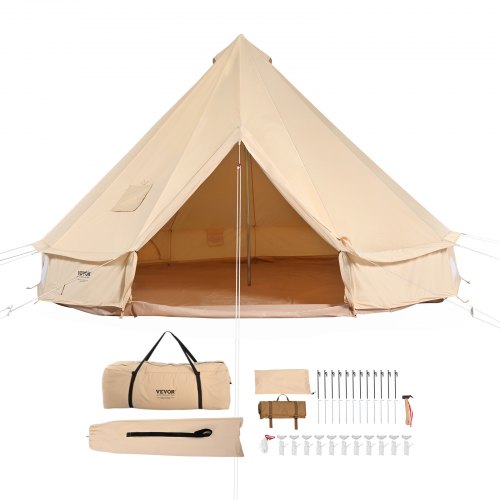
Are you wondering if canvas tents can keep you dry when the rain starts pouring? You’re not alone.
Choosing the right tent is crucial for a comfortable outdoor experience, and waterproofing is at the top of your list. But how well do canvas tents actually protect you from wet weather? You’ll discover the truth about canvas tents and waterproofing, so you can make the best choice for your next adventure.
Keep reading to find out if your canvas tent is ready to face the rain or if you need to take extra steps to stay dry.

Credit: hot-tent.com
Canvas Tent Basics
Canvas tents are popular for camping and outdoor use. They offer sturdy shelter and good protection from weather.
This article explains what makes canvas tents special and the types of canvas materials used.
What Makes Canvas Unique
Canvas is a heavy, woven fabric. It is strong and lasts a long time. This makes it perfect for tents.
Canvas can breathe, so it lets air pass through. This helps reduce inside moisture and keeps the tent cool.
Types Of Canvas Materials
There are different canvas fabrics used for tents. Each type has its own benefits and qualities.
- Traditional cotton canvas:Made from natural cotton fibers. It is durable and breathable but can be heavier.
- Poly-cotton blend canvas:Mixes cotton with polyester. It is lighter and dries faster than pure cotton.
- Waterproof treated canvas:Canvas coated with waterproof chemicals. It resists rain and moisture well.
Water Resistance Of Canvas
Canvas is a popular material for tents because it is strong and durable. One important feature of canvas tents is their water resistance. This means how well the canvas keeps water out when it rains.
Water resistance depends on several factors. We will look at natural water repellency and how fabric weight and weave affect it.
Natural Water Repellency
Canvas has natural water-repelling properties. The cotton fibers absorb water slowly, which helps prevent leaks. Also, the oils in the cotton can make the fabric resist water to some degree.
- Fresh canvas has a slight water resistance.
- Oils in the fibers help repel light rain.
- Without treatment, heavy rain can soak canvas.
- Water resistance improves as canvas fibers swell and tighten.
Impact Of Fabric Weight And Weave
Heavier canvas fabrics are thicker and block water better. The tightness of the weave also changes how water passes through the fabric.
| Fabric Weight | Weave Tightness | Water Resistance |
|---|---|---|
| Light (6-8 oz) | Loose | Low; water can pass easily |
| Medium (10-12 oz) | Moderate | Moderate; good for light rain |
| Heavy (14-18 oz) | Tight | High; blocks most water |
Waterproofing Treatments
Canvas tents can resist water if treated correctly. Waterproofing treatments protect fabric from rain and moisture.
Many methods and coatings help keep canvas tents dry for camping or outdoor use.
Common Waterproof Coatings
Several coatings are applied to canvas tents to make them waterproof. These coatings create a barrier against water.
- Silicone Coating:Adds a flexible, water-repellent layer. It also resists UV damage.
- Acrylic Coating:Forms a strong, durable surface. It helps prevent water absorption.
- Wax Treatment:Traditional method using wax to repel water. Needs regular reapplication.
- Polyurethane (PU) Coating:Creates a tough, waterproof finish. It can add weight to the tent.
Diy Waterproofing Methods
People often use simple home methods to waterproof their canvas tents. These methods help extend the tent’s life.
| Method | Description | Frequency |
| Wax Application | Rub wax bars or blocks on dry canvas and heat to seal. | Once a year or as needed |
| Silicone Spray | Spray silicone evenly over tent surface for quick waterproofing. | Every few months |
| Beeswax Mix | Mix beeswax with turpentine and apply for natural water resistance. | Twice a year |
| Linseed Oil | Brush linseed oil on canvas to repel water and add flexibility. | Once a year |
Weatherproof Features
Canvas tents are popular for their durability and comfort. They offer excellent weatherproof features for camping in various conditions.
These tents use specific techniques to keep water out. Understanding these features helps in choosing the right tent for your needs.
Seam Sealing Techniques
Seams are potential weak points in tents. Sealing them properly keeps water from entering.
Manufacturers often use tape or liquid sealant. Both methods enhance the tent’s water resistance.
- Tape seals are applied during manufacturing
- Liquid sealants can be added by the user
- Regular checks ensure seals remain effective
Ventilation And Moisture Control
Ventilation is key for a comfortable tent experience. It helps control moisture and prevents condensation.
Canvas tents often have vents and windows. These features allow air to circulate freely.
- Vents reduce humidity inside the tent
- Windows can be opened for extra airflow
- Proper ventilation keeps the tent dry and comfortable
Comparing Canvas With Other Tent Fabrics
Canvas tents are popular for many campers. They offer good protection from weather. Other fabrics like nylon and polyester are also common choices. It helps to compare these materials to understand their waterproof qualities.
This comparison focuses on how canvas stands against nylon and polyester. Each fabric has strengths and weaknesses in water resistance and durability.
Canvas Vs. Nylon
Canvas is a heavy cotton fabric. It absorbs water but swells to block rain. Nylon is a lightweight synthetic fabric. It repels water but can leak if damaged.
- Canvas tents are thicker and more durable in rough weather.
- Nylon tents dry quickly after rain due to low absorption.
- Canvas needs treatment to stay waterproof.
- Nylon often has a waterproof coating but can wear off.
- Canvas breathes better, reducing condensation inside the tent.
Canvas Vs. Polyester
Polyester is another synthetic fabric common in tents. It resists water well and does not absorb moisture like canvas. Canvas feels heavier but lasts longer with care.
| Feature | Canvas | Polyester |
| Water Absorption | Absorbs, swells to seal | Repels water, no absorption |
| Waterproof Treatment | Needed for best results | Usually factory-coated |
| Durability | High, resists tears | Good, but less rugged |
| Weight | Heavy | Lightweight |
| Breathability | High | Lower |

Credit: www.amazon.ca
Maintaining Canvas Tents
Canvas tents are strong and last long with good care. Keeping them clean and dry helps keep the waterproof layer working.
Regular maintenance stops damage and keeps your tent safe from rain and wind.
Cleaning Tips
Clean your canvas tent after every trip to remove dirt and stains. Use mild soap and water only.
Avoid strong cleaners or bleach. These can harm the waterproof coating and fabric.
- Use a soft brush to scrub gently
- Rinse well with clean water
- Let the tent dry fully before packing
- Spot clean stains as soon as possible
Storage Best Practices
Store your canvas tent in a dry, cool place. Avoid damp areas that can cause mold or mildew.
Make sure the tent is completely dry before folding. Folding it wet can cause bad smells and damage.
- Keep the tent away from direct sunlight during storage
- Use a breathable storage bag or cotton sheet
- Check the tent for bugs or damage before storing
- Air the tent occasionally if stored long-term
Handling Heavy Rain And Storms
Canvas tents are popular for camping in many weather conditions. Their ability to handle heavy rain and storms depends on proper care and setup.
Knowing how to protect your canvas tent helps keep you dry and safe during bad weather.
Setting Up For Maximum Protection
Choose a flat spot with good drainage to set up your canvas tent. Avoid low areas where water can pool around the tent.
Tighten all ropes and secure the tent with strong stakes. This keeps the tent stable during strong winds and rain.
- Pick a raised site to avoid standing water
- Use a waterproof groundsheet under the tent
- Pull the canvas tight to prevent sagging
- Check that all seams are sealed well
- Keep vents open to reduce condensation inside
Common Pitfalls To Avoid
Do not set up your canvas tent under trees with loose branches. Falling limbs can damage the tent during storms.
Avoid letting water collect on top of the canvas. Pooled water can cause leaks and damage the fabric over time.
- Do not ignore loose ropes or stakes
- Do not block ventilation vents
- Do not place the tent in a water-collecting depression
- Do not forget to treat canvas with waterproofing products regularly

Credit: www.vevor.ca
User Experiences And Reviews
Many people choose canvas tents for outdoor trips. They want to know if these tents keep water out well. User reviews give real insights about how canvas tents perform in wet weather.
This article shares what users say about canvas tents and their waterproofing. It also looks at how tents work in different seasons.
Real-world Waterproofing Performance
Users report that canvas tents do a good job keeping rain out if cared for properly. The fabric can absorb water at first but then swells to block leaks. Some users mention the need to treat the canvas with waterproofing sprays regularly.
- Canvas tents block light to moderate rain well.
- Heavy rain may cause slow leaks if the tent is old or untreated.
- Many users apply waterproof coatings to improve resistance.
- Seams can be weak points and might need extra sealing tape.
Seasonal Use Insights
Reviews show that canvas tents work best in spring, summer, and fall. In winter, heavy snow and ice may damage the fabric or seams. Users say it is important to clear snow off the tent quickly.
| Season | Water Resistance | User Tips |
| Spring | Good | Apply waterproof spray before use |
| Summer | Excellent | Air out tent to prevent mildew |
| Fall | Good | Check seams for leaks |
| Winter | Fair | Remove snow often to avoid damage |
Frequently Asked Questions
Are Canvas Tents Naturally Waterproof?
Canvas tents are water-resistant but not fully waterproof. They repel light rain well due to the dense fabric. However, heavy or prolonged rain may cause water seepage without proper treatment or maintenance.
How To Make Canvas Tents Waterproof?
Applying a waterproofing spray or wax treatment enhances canvas tents’ water resistance. Regular reapplication is needed to maintain protection. Proper seam sealing and using a rainfly also prevent water penetration effectively.
Do Canvas Tents Dry Quickly After Rain?
Canvas tents dry slower than synthetic ones because of their thick fabric. Good ventilation and sunlight help speed up the drying process. Avoid packing wet canvas tents to prevent mold and mildew growth.
Can Untreated Canvas Tents Leak Water?
Yes, untreated canvas tents can leak during heavy rain. The fabric absorbs moisture and allows water to seep through seams. Waterproofing treatments and regular maintenance are essential to prevent leaks.
Conclusion
Canvas tents offer good water resistance when properly treated. They keep you dry in light to moderate rain. Regular care and waterproofing sprays improve their performance. Breathable fabric helps reduce inside moisture and condensation. Choose quality canvas for longer-lasting protection.
Remember, no tent is fully waterproof forever. Simple maintenance extends the tent’s water resistance. Perfect for camping trips where comfort matters. A reliable choice for outdoor shelter and rain protection.