
Have you ever wondered if using a car cover is really worth it? You want to protect your vehicle, but is covering it the best choice?
This simple question can save you money, time, and frustration if you know the right answers. You’ll discover the real benefits and potential downsides of car covers. By the end, you’ll be able to decide whether a car cover is the smart move for your ride.
Keep reading—your car will thank you.
Benefits Of Car Covers
Car covers protect your vehicle from many outside dangers. They help keep your car looking new for a longer time.
Using a car cover is an easy way to save money on repairs and cleaning. It adds a layer of safety to your car’s surface.
Shielding From Weather Elements
Car covers block rain, snow, and hail from hitting your car directly. This stops water damage and rust from forming.
They also protect your car from frost and ice in winter. Your car stays dry and safer in bad weather.
Protection Against Dirt And Debris
Dust, leaves, and bird droppings can make your car dirty fast. A car cover stops these from landing on your paint.
This means less washing and less chance of dirt scratching the paint when you clean the car.
Uv Ray Defense
Sunlight can fade your car’s paint and damage the interior. Car covers block harmful UV rays from reaching the surface.
This protection keeps your car’s color bright and the inside cooler on hot days.
Preventing Scratches And Dings
Car covers act as a barrier against small scratches and dings from keys, shopping carts, or pets.
The soft material absorbs light impacts that could harm your car’s surface.
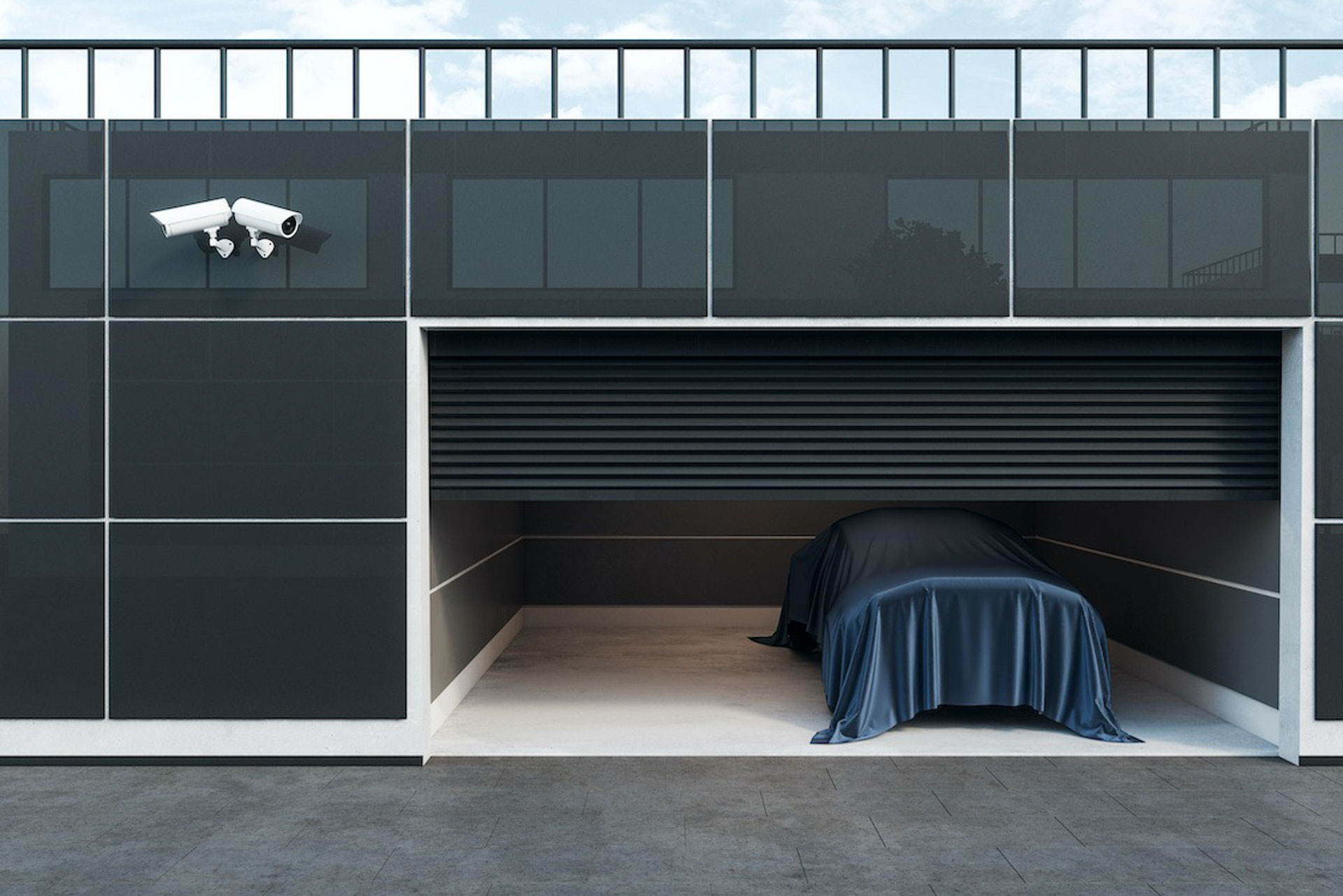
Credit: veloce-vault.com
Potential Risks Of Using Car Covers
Car covers protect vehicles from dirt and sun. Yet, they can cause some problems if not used carefully.
Understanding these risks helps you decide if a cover is right for your car.
Trapping Moisture And Mold
Car covers can trap moisture underneath. This wet environment can cause mold to grow on the car’s surface. Mold damages paint and may lead to rust over time.
Scratches From Improper Fit
A car cover that does not fit well can rub against the paint. This rubbing can cause scratches and swirl marks. It is important to choose a cover made for your car model.
Attracting Pests
Car covers create dark, quiet spots. These spots can attract pests like rodents and insects. They may nest under the cover and damage wires or interior parts.
- Rodents can chew on wiring and hoses.
- Insects may leave residues on the paint.
- Nests can block ventilation and cause odors.
Inconvenience And Wear Over Time
| Issue | Explanation |
| Frequent Use | Cover can wear out and lose protection. |
| Cover Handling | Putting on and taking off can be time-consuming. |
| Storage | Cover needs space and proper folding to last. |
Types Of Car Covers
Car covers protect vehicles from dust, dirt, and weather. They come in different types to suit various needs.
Choosing the right car cover helps keep your car clean and safe. You should know the main types before buying.
Indoor Vs Outdoor Covers
Indoor covers are made for cars stored inside garages. They protect from dust and minor scratches.
Outdoor covers protect against rain, sun, snow, and bird droppings. They are stronger and weatherproof.
- Indoor covers: lightweight, soft, dust protection
- Outdoor covers: thick, waterproof, UV resistant
- Outdoor covers often have straps to hold tight
Material Choices
Car covers come in many materials. Each material offers different protection and feel.
Choosing the right material helps protect your car better in different conditions.
- Polyester: durable and water-resistant
- Polypropylene: breathable and lightweight
- Fleece-lined: soft inside to avoid scratches
- Vinyl: waterproof but less breathable
- Spandex: stretchy and snug fit
Custom Fit Vs Universal Fit
Custom fit covers match your car’s exact shape. They offer better protection and look neat.
Universal fit covers are one size for many cars. They are cheaper but may not fit perfectly.
- Custom fit: precise fit, better protection, higher cost
- Universal fit: flexible use, easier to find, less snug
Choosing The Right Cover
Car covers protect your vehicle from dust, dirt, and weather. Picking the right cover helps keep your car safe and clean.
Different covers suit different needs. Think about your environment, the cover material, and your budget before buying.
Assessing Your Environment
Look at where you park your car most of the time. Is it indoors or outdoors? The weather in your area affects the cover choice.
If you live in a place with strong sun, rain, or snow, you need a cover that handles these well. Windy places need covers that fit tightly.
- Indoor parking needs light covers to prevent dust
- Outdoor parking needs waterproof and UV-resistant covers
- Windy areas require covers with secure straps
Matching Material To Needs
Car covers come in many materials. Each material offers different protection and breathability.
Choose a material based on your main concern, like water resistance or preventing scratches. Soft materials are best for paint protection.
- Polyester covers are water-resistant and good for rain
- Polypropylene covers allow air to pass and stop mold
- Fleece-lined covers protect the paint from scratches
- Heavy-duty covers block strong sun and hail damage
Budget Considerations
Car covers come at many price points. Decide how much you want to spend before choosing.
Higher price covers usually last longer and offer better protection. Cheaper covers might suit occasional use or mild climates.
- Low-cost covers fit tight budgets but may wear out fast
- Mid-range covers balance price and durability
- High-end covers offer strong protection and long life
- Check for warranties to protect your purchase
Proper Use And Maintenance
Car covers protect your vehicle from dust, dirt, and weather. Using and caring for them well extends their life.
Follow simple steps to install, clean, and store your car cover. Avoid mistakes that can harm your car or cover.
Correct Installation Tips
Put the car cover on a clean, dry car. Start from the front and pull the cover over the roof and sides.
Make sure the cover fits snugly but not too tight. Secure it with straps or ties if your cover has them.
- Check for any sharp parts on the car that may tear the cover
- Do not drag the cover on rough surfaces to avoid damage
- Use a cover designed for your car’s size and shape
Cleaning And Storage
Clean the car cover regularly to remove dirt and debris. Use mild soap and water, not harsh chemicals.
Let the cover dry fully before folding it. Store it in a cool, dry place away from direct sunlight.
- Do not use a washing machine unless the cover’s instructions say it is safe
- Keep the cover away from sharp objects during storage
- Fold the cover loosely to prevent creases and damage
Avoiding Common Mistakes
Do not use a wet cover on your car. Moisture can cause rust and mold on the paint.
Avoid using covers on dirty cars. Dirt trapped under the cover can scratch the paint.
- Do not ignore tears or holes in the cover. Repair or replace it quickly
- Do not leave the cover loose. It can flap and damage your car in wind
- Do not store the cover in a damp place to stop mold and mildew
Credit: www.kiaevforums.com
Alternatives To Car Covers
Car covers protect vehicles from dirt and weather. Some people find other options better for protection. These alternatives can save time and keep cars safe.
Below are some common alternatives that help protect your car without using a traditional cover.
Garage And Carports
A garage or carport offers strong protection from sun, rain, and snow. It keeps your car safe from bird droppings and tree sap.
Garages fully enclose your vehicle, while carports give overhead shelter. Both reduce the risk of paint damage and dirt buildup.
- Protects from weather damage
- Reduces cleaning needs
- Increases car lifespan
- Offers security against theft
Regular Washing And Waxing
Washing your car often removes dirt and grime that can harm the paint. Waxing adds a protective layer to guard against scratches and water spots.
This method keeps your car looking fresh and prevents long-term damage. It takes more effort but improves your car’s shine.
- Removes harmful dirt and salt
- Protects paint with wax coating
- Improves car appearance
- Needs regular upkeep
Paint Protection Films
Paint protection films are clear sheets applied to your car’s surface. They guard against scratches, chips, and fading.
These films are nearly invisible and keep your car looking new. They are a long-lasting option that does not require daily care.
- Protects from minor scratches
- Prevents paint chips
- Resists UV damage and fading
- Easy to clean

Credit: www.seatcoversolutions.com
Frequently Asked Questions
Are Car Covers Worth The Investment?
Car covers are worth it for protecting your vehicle from weather, dust, and UV rays. They extend the lifespan of your car’s exterior. By preventing scratches and maintaining paint quality, they add value. Investing in a quality cover can save you costly repairs and maintain your car’s resale value.
Can Car Covers Prevent Theft?
While car covers don’t prevent theft directly, they can deter thieves. A covered car is less noticeable and requires more effort to access. Thieves are less likely to target vehicles that take longer to access. Pairing a cover with an alarm system increases your vehicle’s security.
Do Car Covers Damage Car Paint?
Quality car covers protect car paint rather than damage it. They prevent scratches, bird droppings, and UV damage. However, using a dirty or poorly fitting cover can cause scratches. Regularly clean your cover and ensure a proper fit to avoid damage and maintain paint integrity.
Are Car Covers Suitable For All Weather?
Car covers are suitable for various weather conditions, including rain, snow, and sun. They protect against rainwater, UV rays, and snow accumulation. Choose a cover designed for your specific climate. Weather-specific covers provide optimal protection and durability for your vehicle.
Conclusion
Car covers protect your car from dust, rain, and sun damage. They help keep the paint fresh and prevent scratches. Using a car cover saves money on repairs and cleaning. It also keeps the car cooler in hot weather. Choose a cover that fits well and suits your climate.
Regular use can extend your car’s life and look. So, car covers are a smart choice for many drivers. They offer simple, effective protection every day. Consider your needs and decide if a cover works for you.